ART WIKI32.963 udstillet
KortSamlingKunstnereMuseerUdstillingerJournal
Log ind

ART WIKI

Hvor mesterværket hænger, og hvornår man bliver lukket ind.

Samlinger: Art Institute of Chicago, Det Russiske Museum, Eremitagen, Getty Villa, Harvard Art Museums, Hirshhorn Museum and Sculpture Garden, J. Paul Getty Museum, Louvre, Metropolitan Museum of Art, Minneapolis Institute of Art, Museum of Modern Art, National Gallery of Art, National Museum of Asian Art, National Portrait Gallery (Smithsonian), Pusjkinmuseet, Rijksmuseum Amsterdam, Smithsonian American Art Museum, Statens Museum for Kunst, The Cleveland Museum of Art, Tretjakovgalleriet, Victoria and Albert Museum, Whitney Museum of American Art, Ruslands statskatalog over museumsfonden (274 museer), Europeana (19 museer), Wikidata (6 museer), Paris Musées (12 museer) og Joconde, det franske kulturministeriums museumsdatabase (495 museer). Billederne tilhører deres rettighedshavere.

Afsnit

  • Kort
  • Søgning
  • Samling
  • Mesterværker
  • Udstillet nu
  • Kunstnere

Mere

  • Museer & gallerier
  • Udstillinger
  • Journal
  • Hvor data kommer fra
  • Privatliv & cookies
ForsideKortKatalog
  1. Samling/
  2. The Cleveland Museum of Art/
  3. Virgin and Child in Majesty
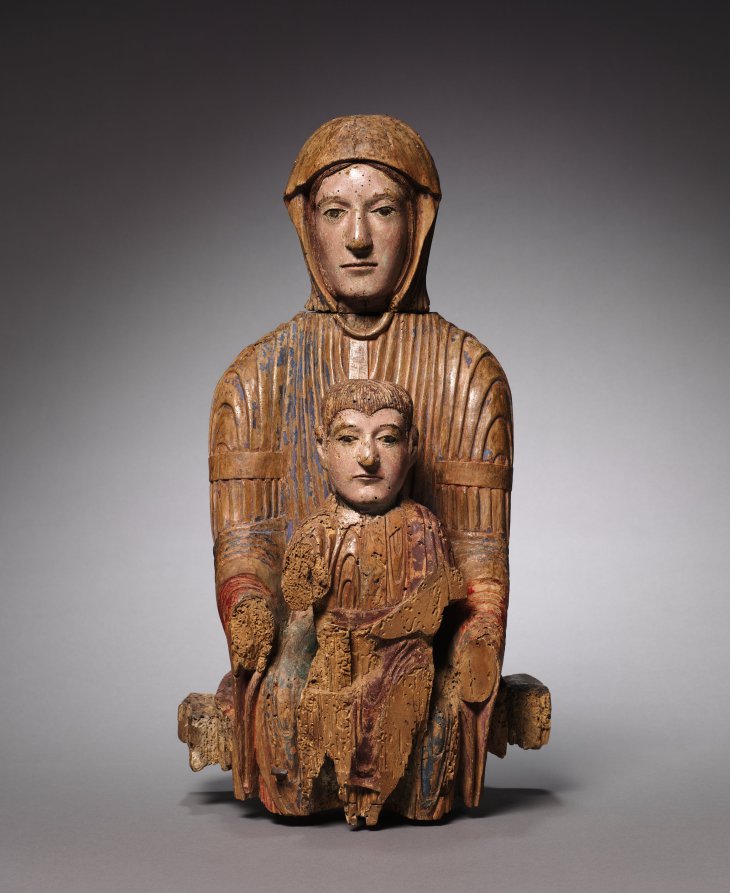
Virgin and Child in Majesty, c. 1150–1200

Virgin and Child in Majesty

c. 1150–1200 · Sculpture

Må man se det?

Ja, det tager imod

The Cleveland Museum of Art

Cleveland, USA

Sal106B Romanesque & Gothic Sculpture

Udstillet for publikum. Hvem der står inde for det, står nedenfor.

Kontrolleret
for 3 dage siden
Uændret siden
19. aug. 2026
Kilde
Museet
På kortetMuseets side

Om skulpturen

This sculpture belongs to a group of early representations of the Virgin and Child known as the Sedes Sapientiae (the Throne of Wisdom). The subject embodies a complex and core Christian doctrine of the Virgin’s role in the Incarnation (the moment in which Christ became flesh) and ultimately in the redemption of humankind. Mary faces forward, her gaze toward the beholder. As she is seated on a throne, she in turn becomes the throne to the Christ child, thus symbolizing her role in giving birth not only to the human Jesus, but also to the divine Christ. The Incarnation gave Mary a unique role as principal mediator between heaven and earth, and between God and humankind. As a result, her image proliferated in art, especially after the 12th century, a period in which there was surging interest in Mary’s life and increasing devotion to her person and images.

Læs videre

The sculpture belongs to a rare group of surviving figures produced in the Auvergne region of central France during the second half of the 12th century. These "Auvergne" Virgins are estimated to number only about 25 or 30 and are characterized by their linear, calligraphic draperies, which form beautiful swirls and contours. All such sculptures are smaller than life-size and made of wood in order to make them mobile. Evidence suggests that they were moved from altar to altar or church to church, and were frequently carried in procession within churches and town streets on Marian feast days. The heads were intentionally removable in order to "dress" them in costumes for such processions.

The Cleveland Museum of Art

Oplysninger

Inventarnummer
2012.52

I samme sal · 106B Romanesque & Gothic Sculpture, The Cleveland Museum of Art

Museets side

I kataloget

SkulpturTræMiddelalderenFør 1400France, Auvergne

Kilder

  • The Cleveland Museum of Art
  • Billede: The Cleveland Museum of Art — Museum open access
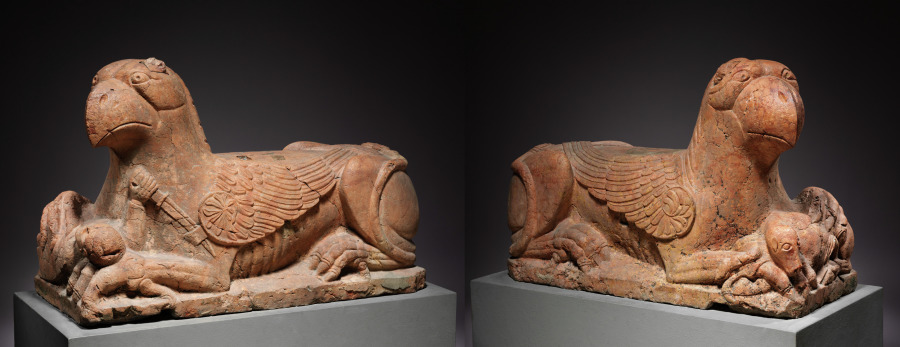
Guardian Griffin (pair), 1150–1175

Guardian Griffin (pair), 1150–1175

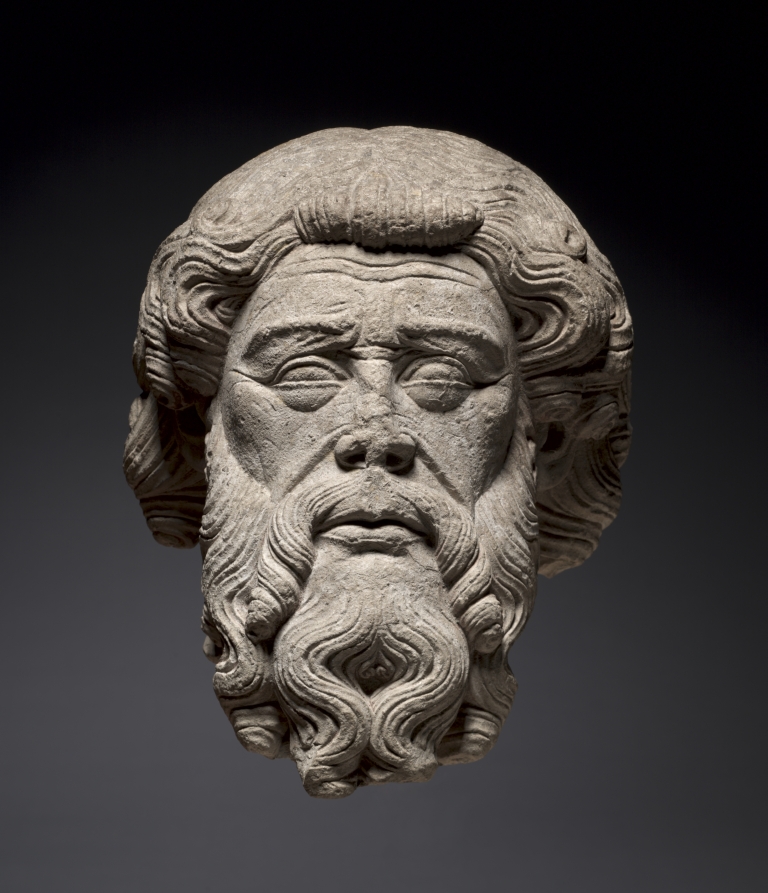
Head of an Apostle, c. 1325–1350

Head of an Apostle, c. 1325–1350

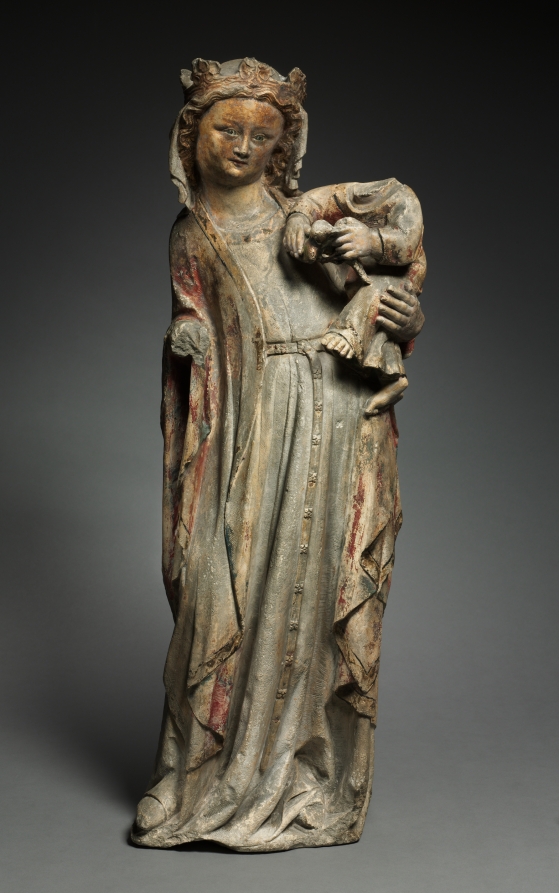
Virgin and Child, c. 1315–20

Virgin and Child, c. 1315–20

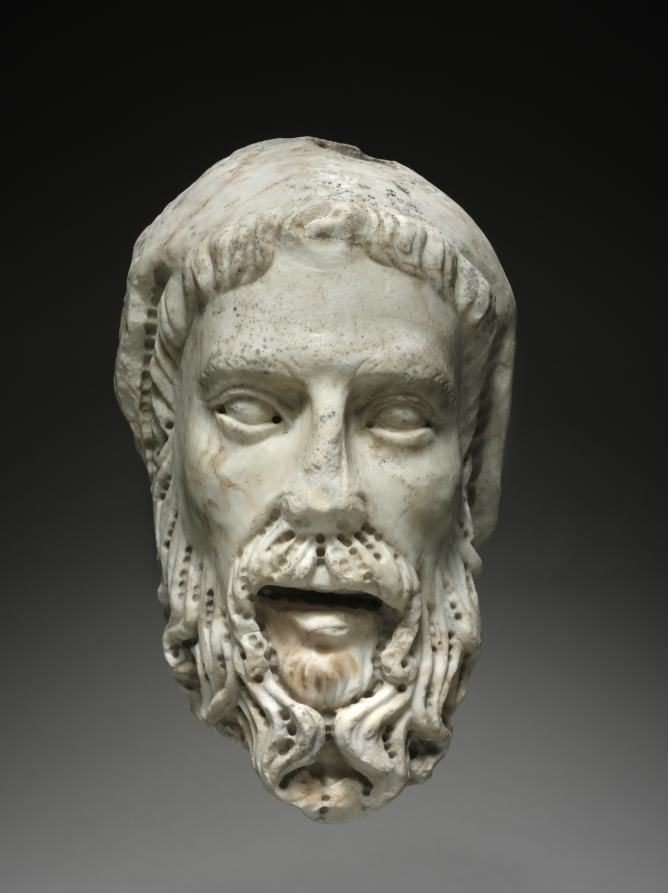
Head of a Prophet, Giovanni Pisano, c. 1300–1325

Giovanni Pisano

Head of a Prophet, c. 1300–1325

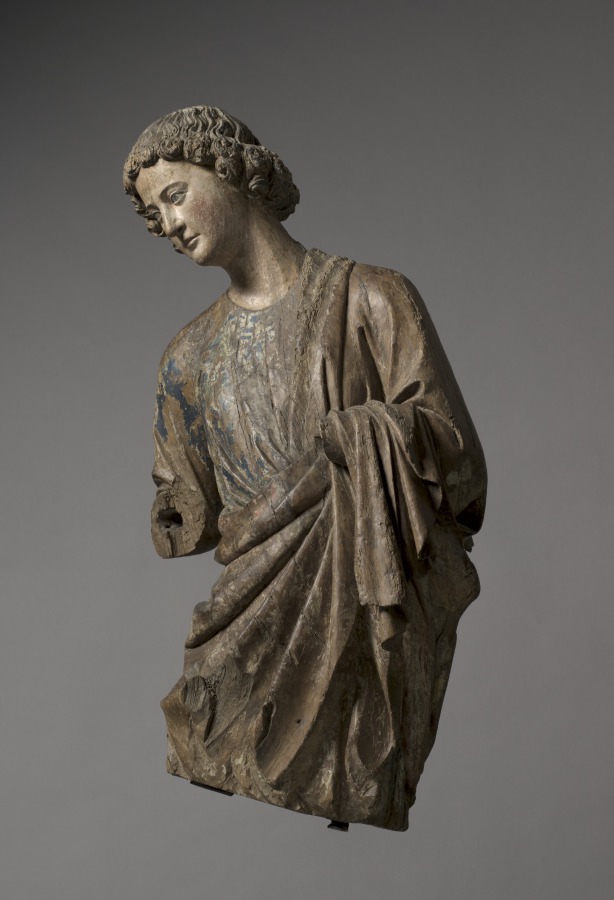
Angel, c. 1250

Angel, c. 1250

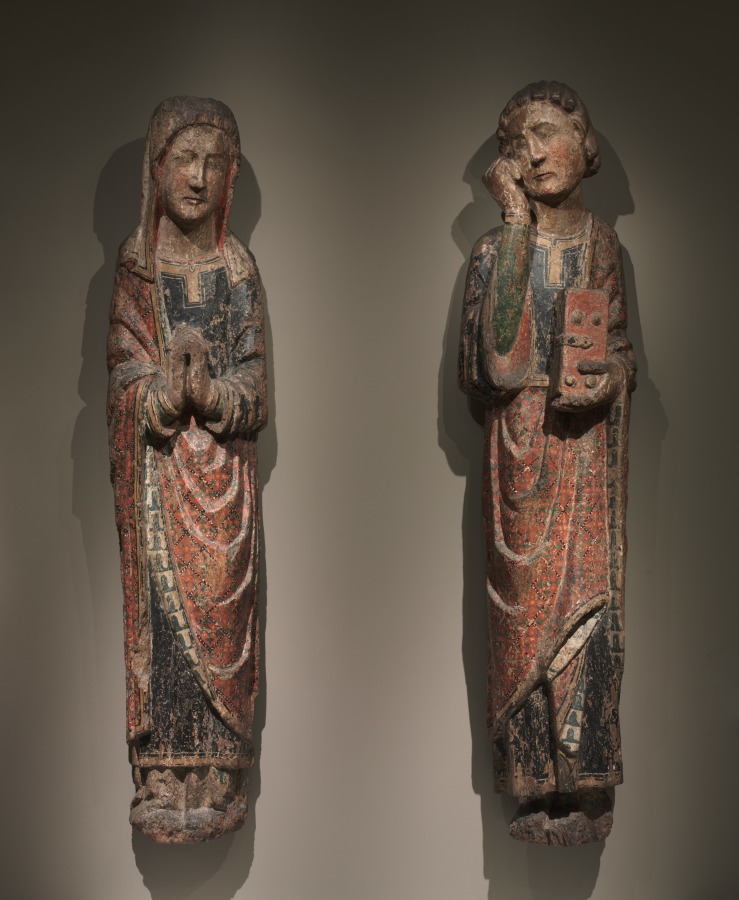
Mourning Saint John and Mourning Virgin (pair), c. 1250–1275

Mourning Saint John and Mourning Virgin (pair), c. 1250–1275

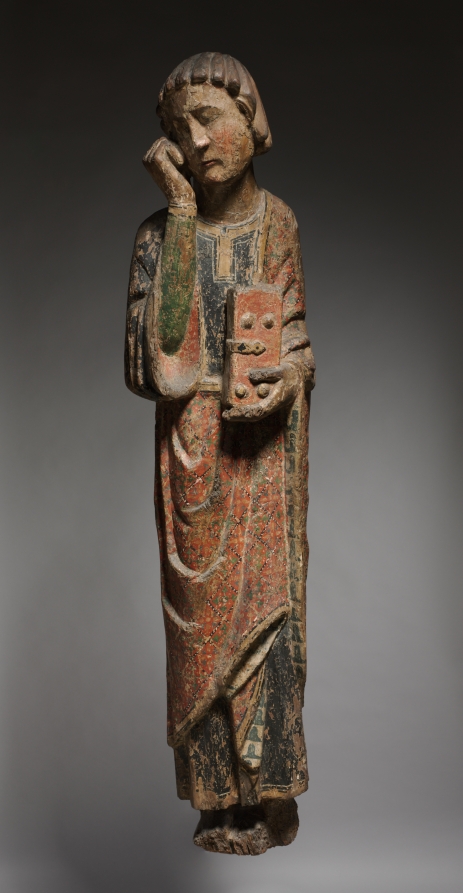
Mourning Saint John, c. 1250–1275

Mourning Saint John, c. 1250–1275

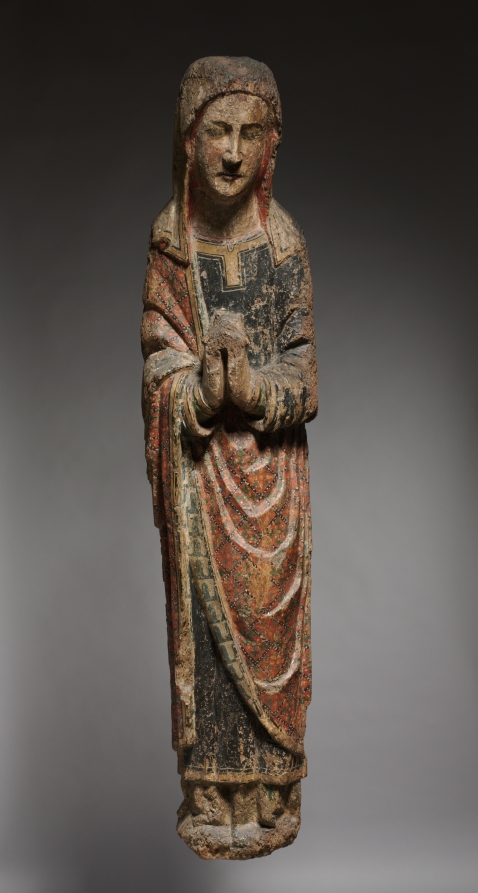
Mourning Virgin, c. 1250–1275

Mourning Virgin, c. 1250–1275