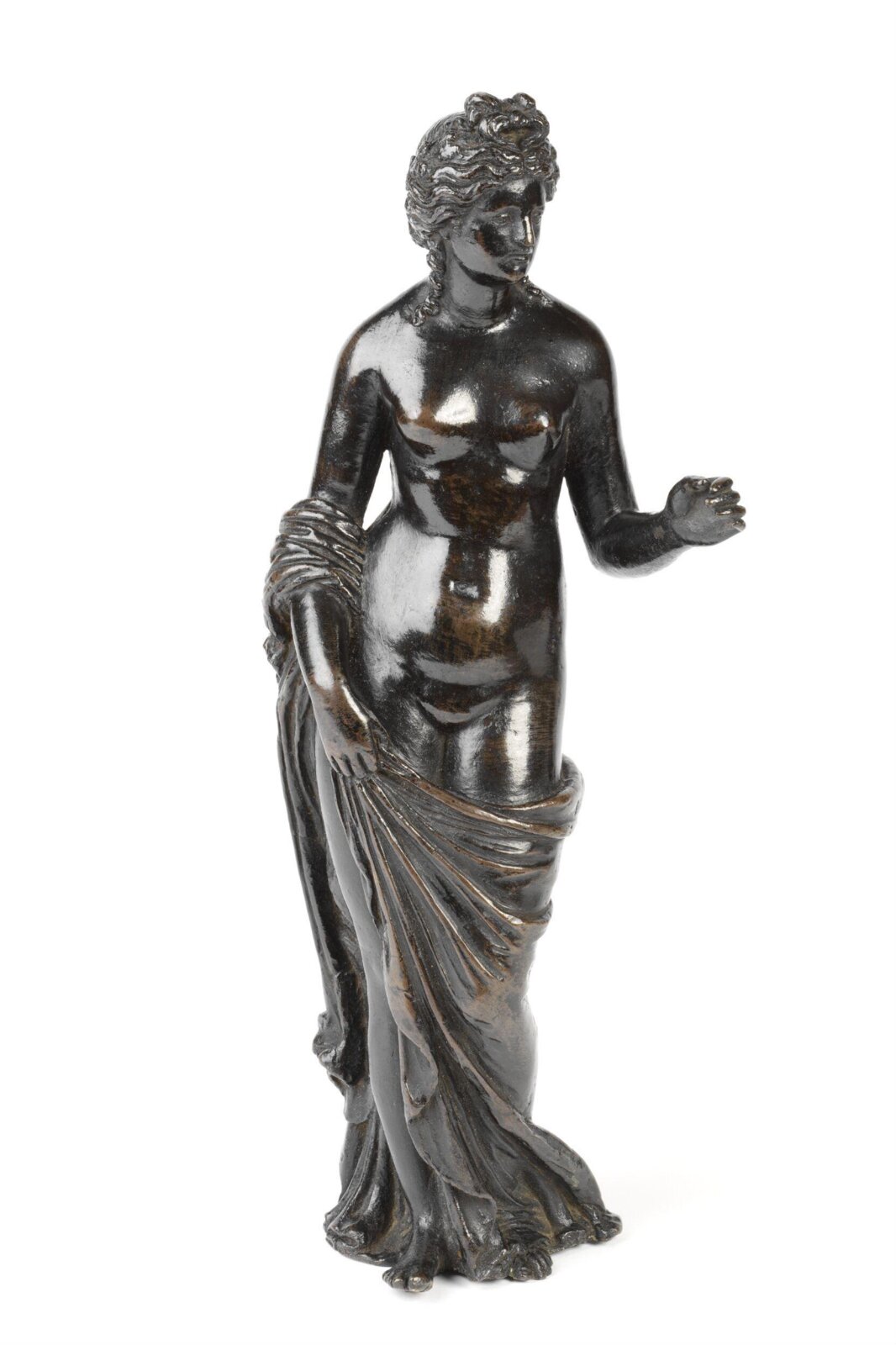
 AnticoItalien, 1460–1528
Venus
Kan det ses?
Ja, udstillet nu
Hvor er »Venus« i dag? Victoria and Albert Museum, Sculpture, Room 111, The Gilbert Bayes Gallery, London. Ja, udstillet nu. Kontrolleret 25. september 2026.

Åbent nu· til kl. 17.45
Udstillet for publikum.
- Kontrolleret
- Uændret siden
- Kilde
- Museet
Om skulpturen
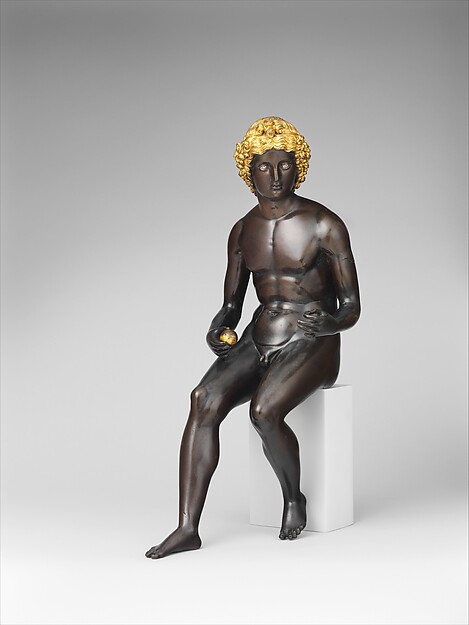
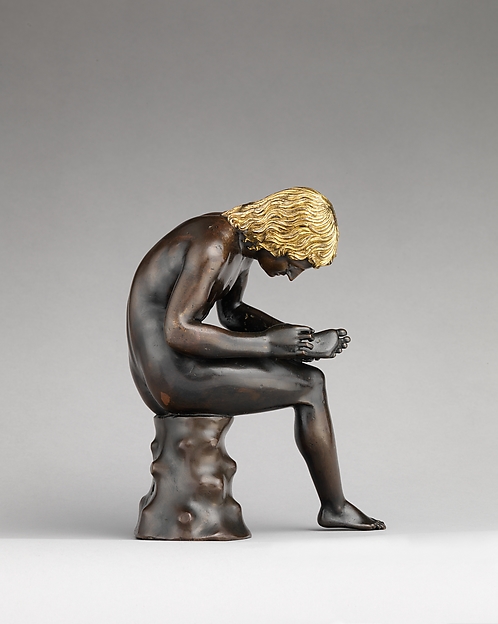
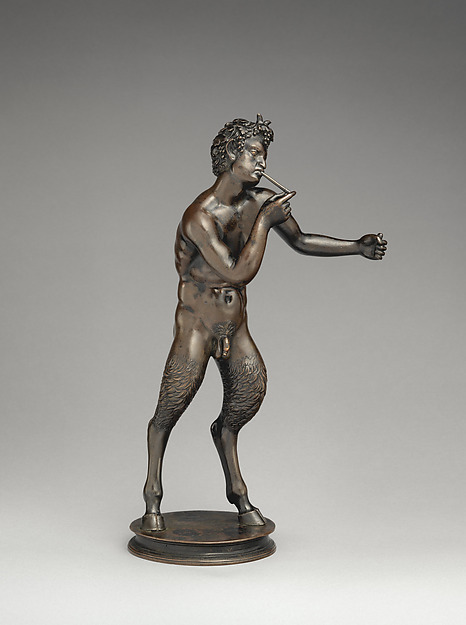
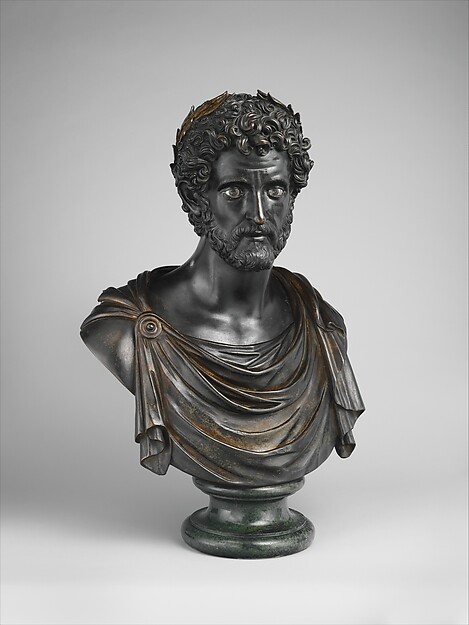
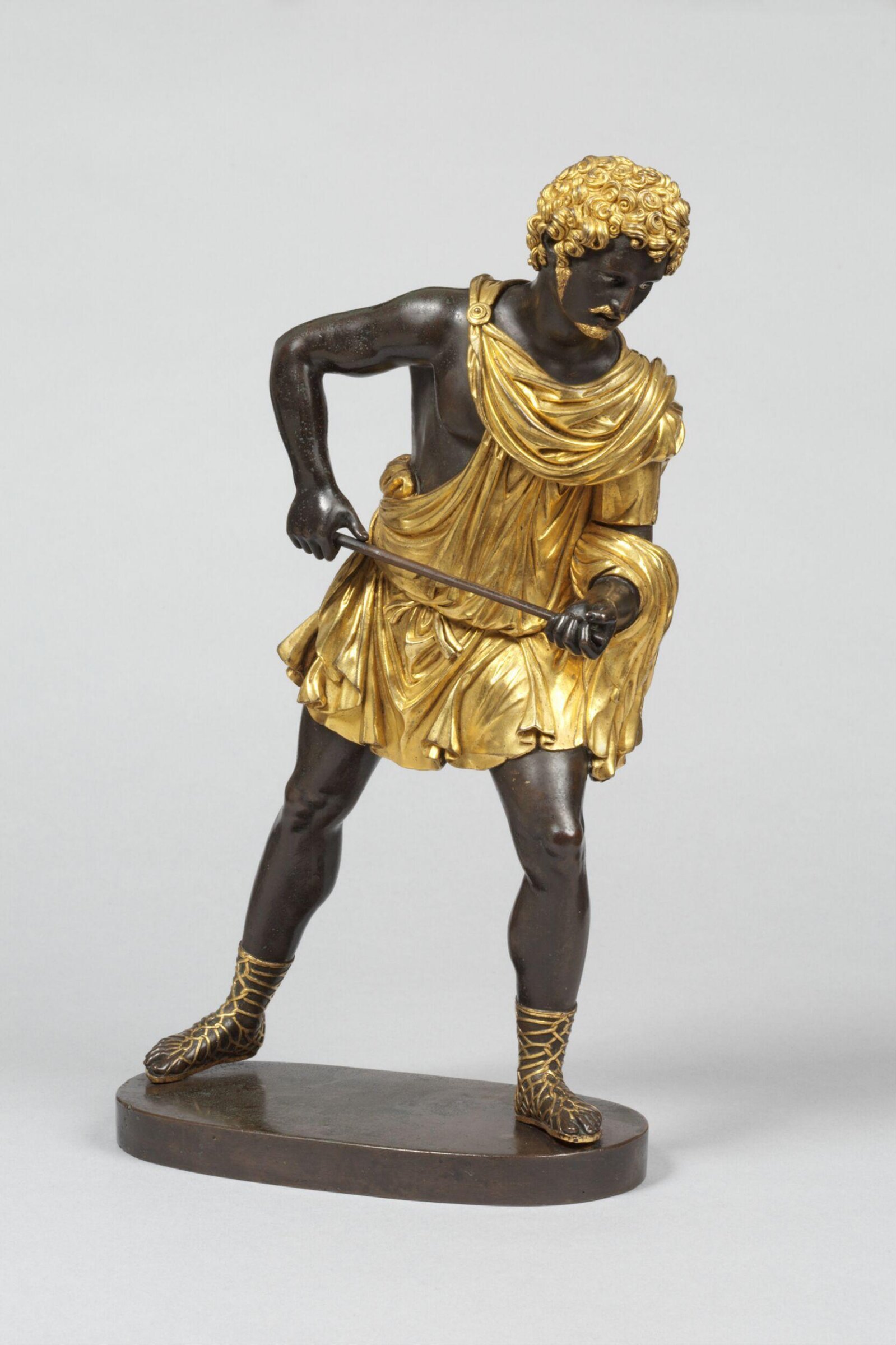
The surface finish of a bronze often disguises how it was made. It is only when you study it closely – sometimes only by taking X-rays that allow you to see what has happened inside the bronze – that you can discover what casting method was used. At first glance these three bronzes look similar, but each one was made using a different technique. This statuette is a ‘relict cast’, created by casting – and therefore destroying – the original wax model.
The model was made by Antico, sculptor to the Dukes of Mantua and a celebrated artist in his day. He did not intend the model to be cast, and the bronze may therefore have been made later by another artist or workshop.
Læs videre
Antico (Pier Jacopo di Antonio Alari-Bonacolsi) (ca. 1460-1528) was an Italian sculptor and goldsmith. He was nick-named Antico, because in his work he related heavily to Antiquity. He re-created small scale statuettes of famous antique examples. He was active at the Gonzaga court at Mantua and made many bronzes for the court, notably for Ludovico, Bishop of Mantua and Isabella d’Este, wife of Francesco II Gonzaga, 4th Marchese of Mantua. He was also a restorer of antique statues and an adviser to art collectors.
Victoria and Albert Museum
Oplysninger
- Inventarnummer
- A.96-1910
Hvad det viser
I kataloget
Kilder
- Victoria and Albert Museum
- Billede: Victoria and Albert Museum — © Victoria and Albert Museum, London