ART WIKI32.963 udstillet
KortSamlingKunstnereMuseerUdstillingerJournal
Log ind

ART WIKI

Hvor mesterværket hænger, og hvornår man bliver lukket ind.

Samlinger: Art Institute of Chicago, Det Russiske Museum, Eremitagen, Getty Villa, Harvard Art Museums, Hirshhorn Museum and Sculpture Garden, J. Paul Getty Museum, Louvre, Metropolitan Museum of Art, Minneapolis Institute of Art, Museum of Modern Art, National Gallery of Art, National Museum of Asian Art, National Portrait Gallery (Smithsonian), Pusjkinmuseet, Rijksmuseum Amsterdam, Smithsonian American Art Museum, Statens Museum for Kunst, The Cleveland Museum of Art, Tretjakovgalleriet, Victoria and Albert Museum, Whitney Museum of American Art, Ruslands statskatalog over museumsfonden (274 museer), Europeana (19 museer), Wikidata (6 museer), Paris Musées (12 museer) og Joconde, det franske kulturministeriums museumsdatabase (495 museer). Billederne tilhører deres rettighedshavere.

Afsnit

  • Kort
  • Søgning
  • Samling
  • Mesterværker
  • Udstillet nu
  • Kunstnere

Mere

  • Museer & gallerier
  • Udstillinger
  • Journal
  • Hvor data kommer fra
  • Privatliv & cookies
ForsideKortKatalog
  1. Samling/
  2. Kunsthistorisk Museum Wien/
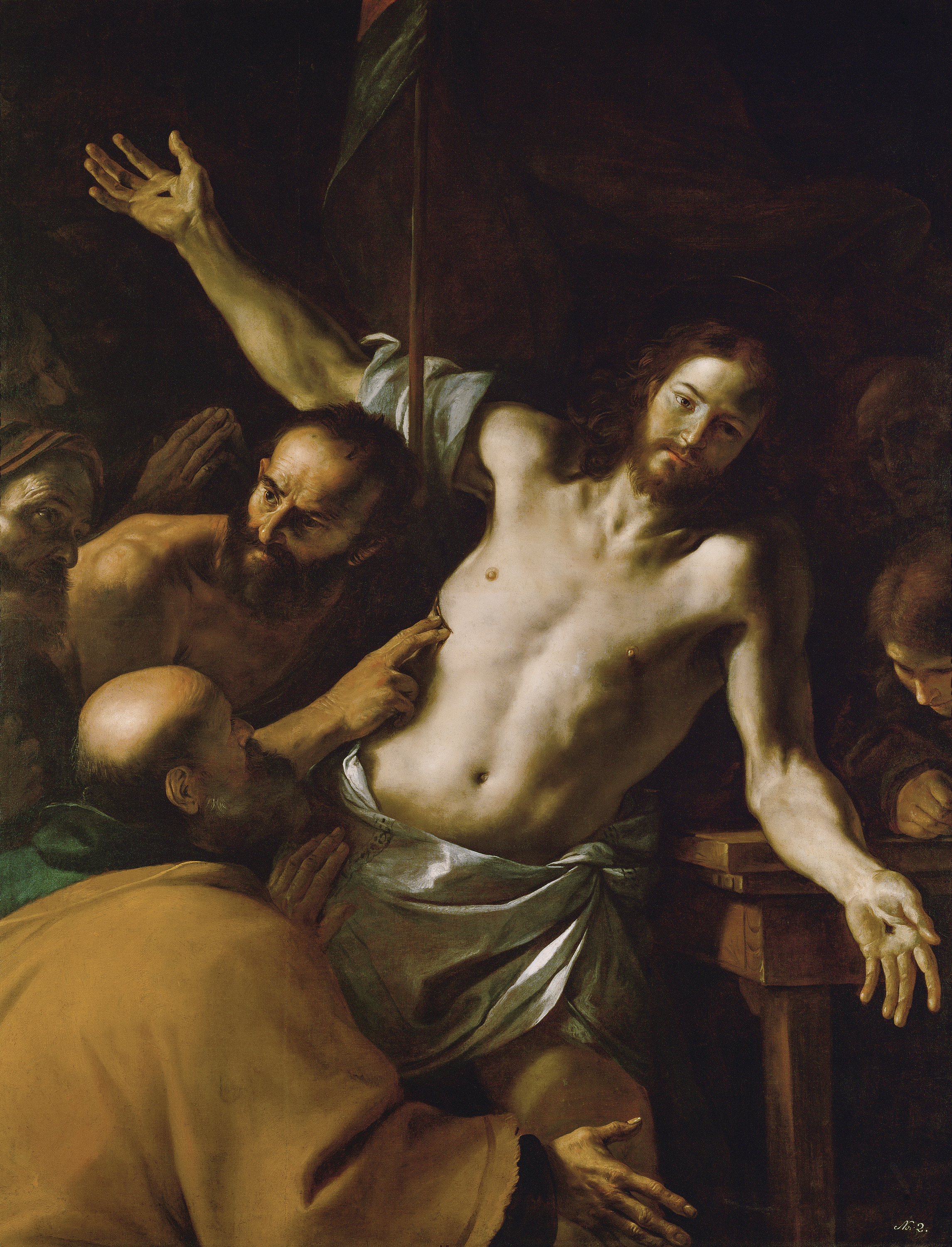
  3. Ungläubiger Thomas
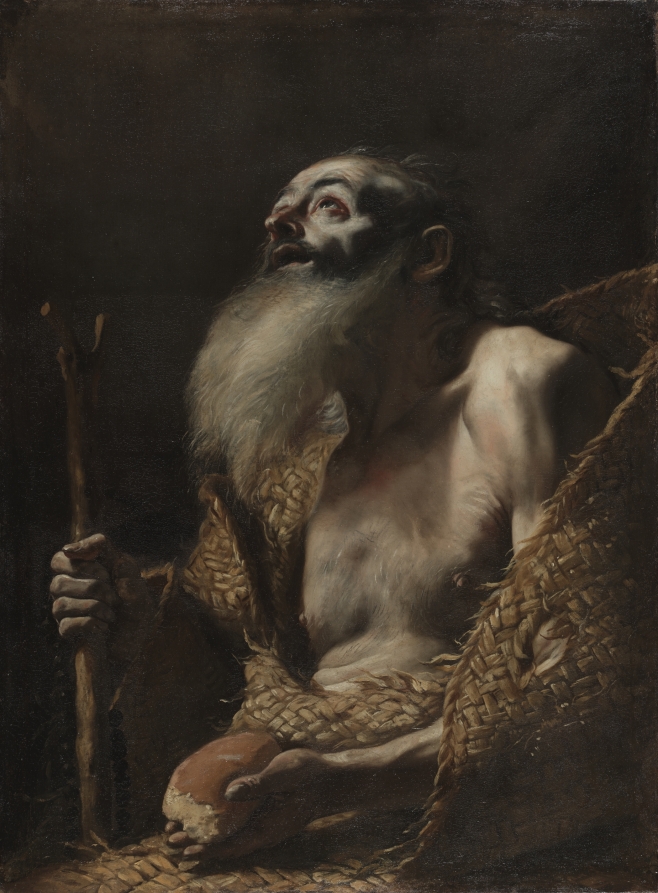
Ungläubiger Thomas, Mattia Preti, 1656-1660
Mattia Preti, portrætMattia PretiItalien, 1613–1699

Ungläubiger Thomas

1656-1660 · Painting

Må man se det?

Ukendt

Kunsthistorisk Museum Wien

Wien, Østrig

Ejeren er kendt; om værket er udstillet i dag, vides ikke.

Uændret siden
27. sep. 2026
Kilde
Museet
På kortetMuseets side

Oplysninger

1656-1660
16131699

I kataloget

MalerierItaliensk maleriBarok1600-tallet

Kilder

  • Kunsthistorisk Museum Wien
  • Billede: Kunsthistorisk Museum Wien — CC BY-NC-SA 4.0

Imens i livet hos Mattia Preti

Hele livet
  1. 1653–1661

    A relationship of mutual influence with the young Luca Giordano

    In Naples he developed a mutually influential relationship with the younger Luca Giordano; together they contributed to the development of the Neapolitan school of painting in the second half of the century. For the young Neapolitan artist, Preti acted as a bridge between the early naturalism of the first half of the century and the fully-fledged Baroque style.

  2. 1656

    The plague in Naples

    The plague that struck Naples in 1656 reduced its population from 450,000 to just under 200,000; after it, numerous public works were commissioned in gratitude to the Virgin Mary and Naples’ patron saints for saving the city.

  3. summer 1659

    A trip to Malta: Knight of Grace of the Order

    In the summer of 1659 he travelled to Malta, where he was made a Knight of Grace in the Order of St John and visited the Order’s headquarters.

  4. 1660

    Commissioned to decorate the vault of St John’s Co-Cathedral

    In 1660 he was commissioned to decorate the vault of St John’s Co-Cathedral in Valletta, the church of the Order of Malta.

  5. 1660–1661

    Back in Rome: Valmontone and Sant’Andrea

    By around 1660 he was no longer based permanently in Naples, and was initially in Rome, where he succeeded Pier Francesco Mola to complete the fresco cycle of the Elements of the Air at the Villa Pamphilij in Valmontone and made improvements to his Stories of the Saint at Sant’Andrea della Valle, painted during his earlier years in Rome. Meanwhile, in Naples, he had established a strong professional relationship with Don Antonio Ruffo, a wealthy Sicilian patron who invited him to fresco Messina Cathedral.

  6. 1661–1699

    Malta: work for the island and for all of Europe

    From 1661 he worked in Malta: besides the cathedral decoration he realised several paintings on the island for private patrons and parish churches, and his increased reputation brought him commissions from all over Europe. His major works in Malta include the “Conversion of Saint Paul” in St Paul’s Cathedral in Mdina, commissioned by the Knights Hospitaller, and the “Madonna and Child with Saints John the Baptist and Anthony Abbot” in the chapel of Verdala Palace in Siġġiewi.
Mere af Mattia Preti

Alle værker
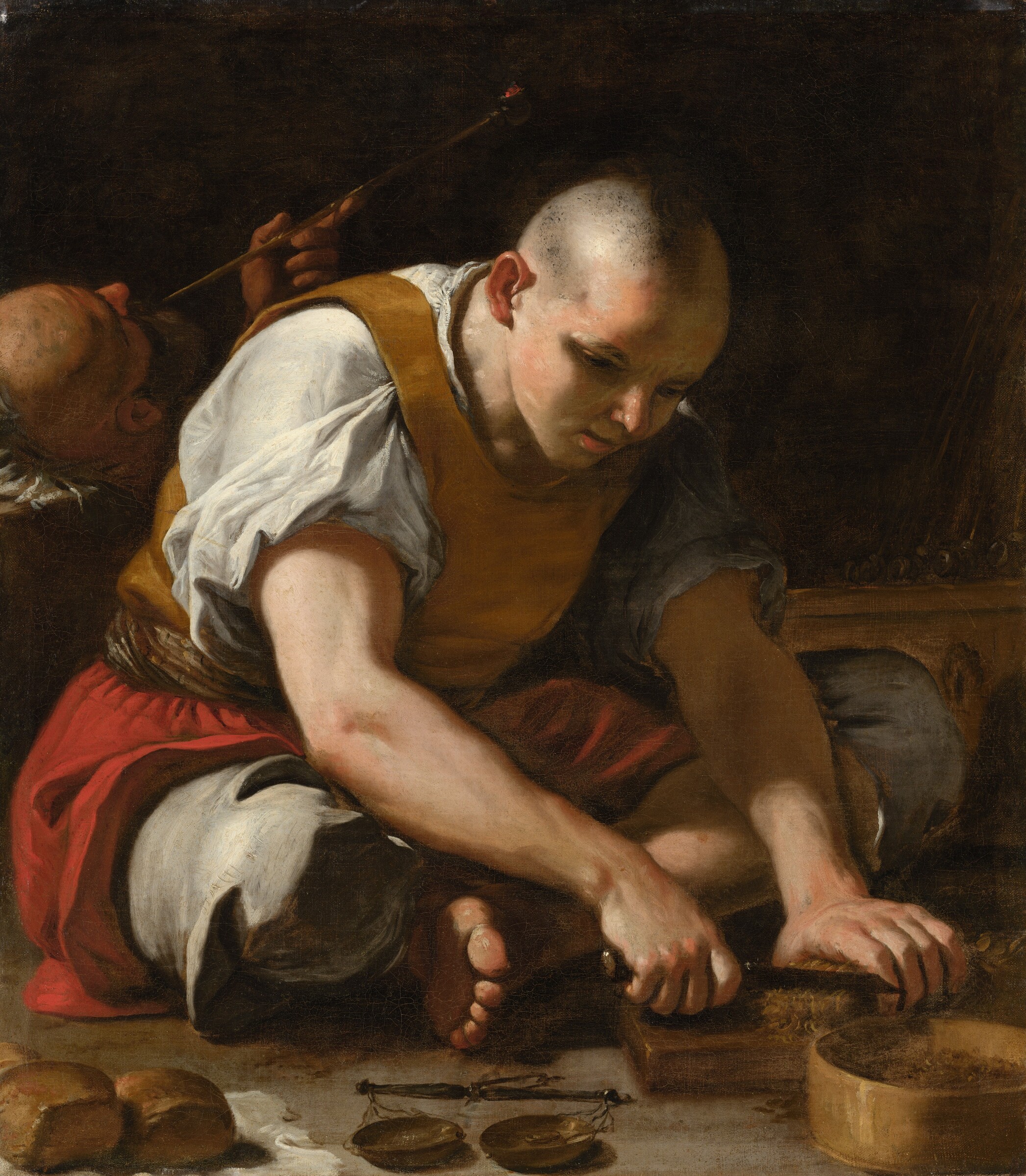
A Man Cutting Tobacco, Mattia Preti, 1660s

A Man Cutting Tobacco

1660s · National Gallery of Art

The Concert, Mattia Preti, 1630s

The Concert

1630s · Eremitagen

Clorinda Rescuing Sofronia and Olindo, Mattia Preti, about 1660

Clorinda Rescuing Sofronia and Olindo

about 1660 · J. Paul Getty Museum

Pilate Washing His Hands, Mattia Preti, 1663

Pilate Washing His Hands

1663 · Metropolitan Museum of Art

The Martyrdom of Saint Gennaro, Mattia Preti, c. 1685

The Martyrdom of Saint Gennaro

c. 1685 · National Gallery of Art

Saint Paul the Hermit, Mattia Preti, c. 1662–1664

Saint Paul the Hermit

c. 1662–1664 · The Cleveland Museum of Art

Die Befreiung Petri aus dem Gefängnis, Mattia Preti

Die Befreiung Petri aus dem Gefängnis

Gemäldegalerie Alte Meister

Johannes der Täufer, Mattia Preti

Johannes der Täufer

Albertina

Fra samlingen: Kunsthistorisk Museum Wien

Museets side
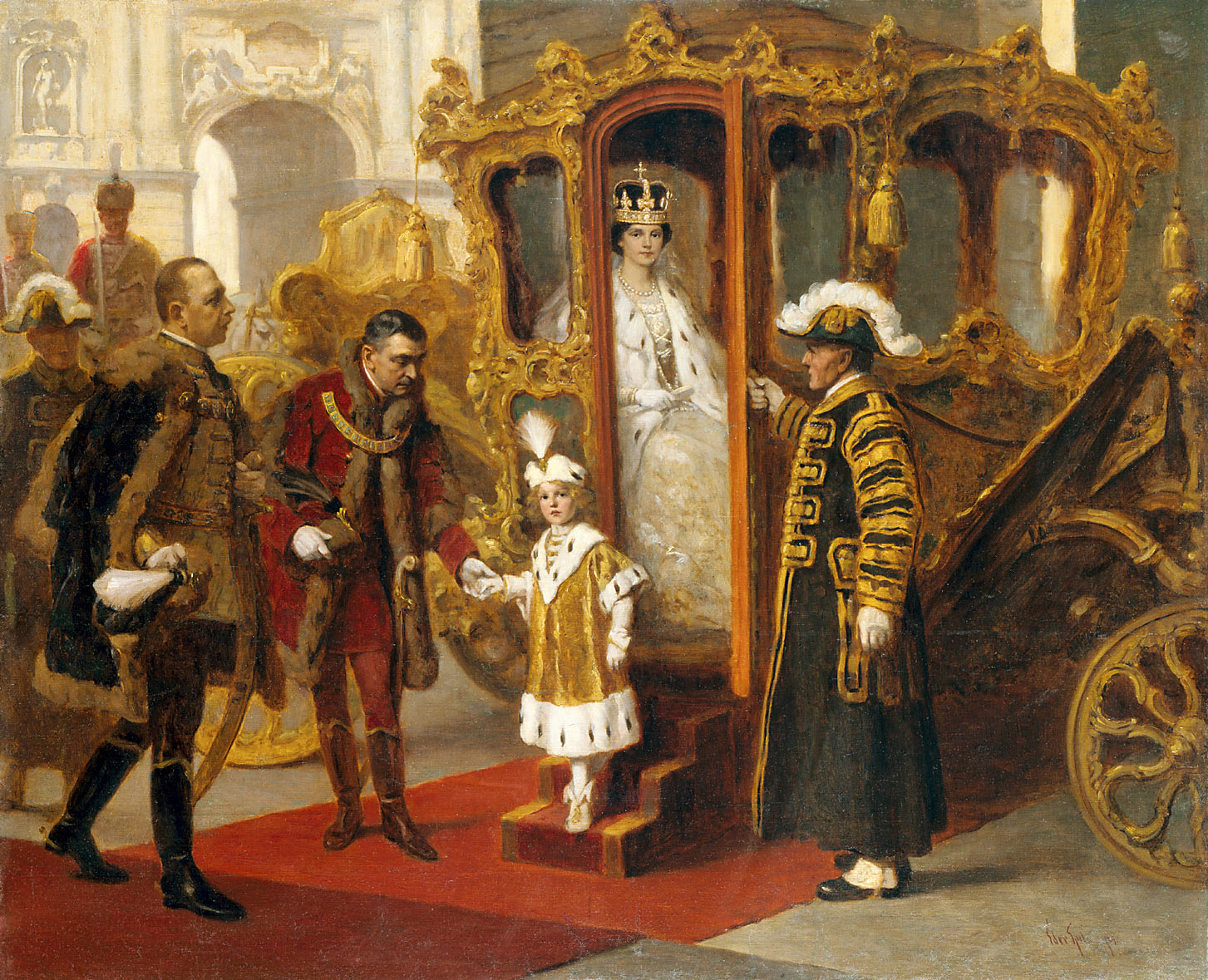
Kaiserin/Königin Zita und Kronprinz Otto beim Verlassen des Imperialwagens vor der Königskrönung in Budapest (30.12.1916), Gyula Éder, 1929

Gyula Éder

Kaiserin/Königin Zita und Kronprinz Otto beim Verlassen des Imperialwagens vor der Königskrönung in Budapest (30.12.1916), 1929

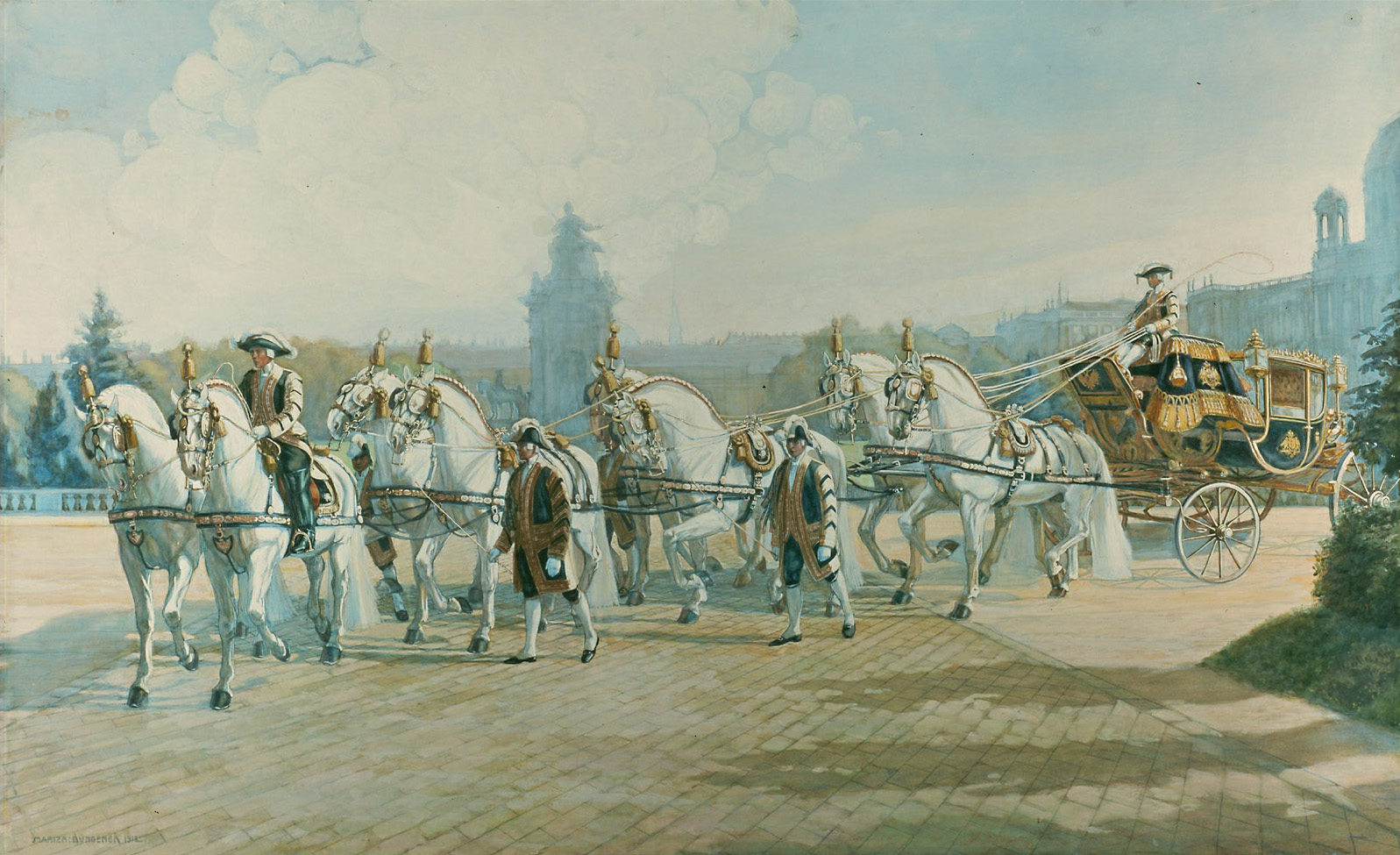
Der Gala-Staatswagen Kaiser Franz Josephs bei der Rückkehr in die Hofstallungen, Mariza Büngener, 1912

Mariza Büngener

Der Gala-Staatswagen Kaiser Franz Josephs bei der Rückkehr in die Hofstallungen, 1912

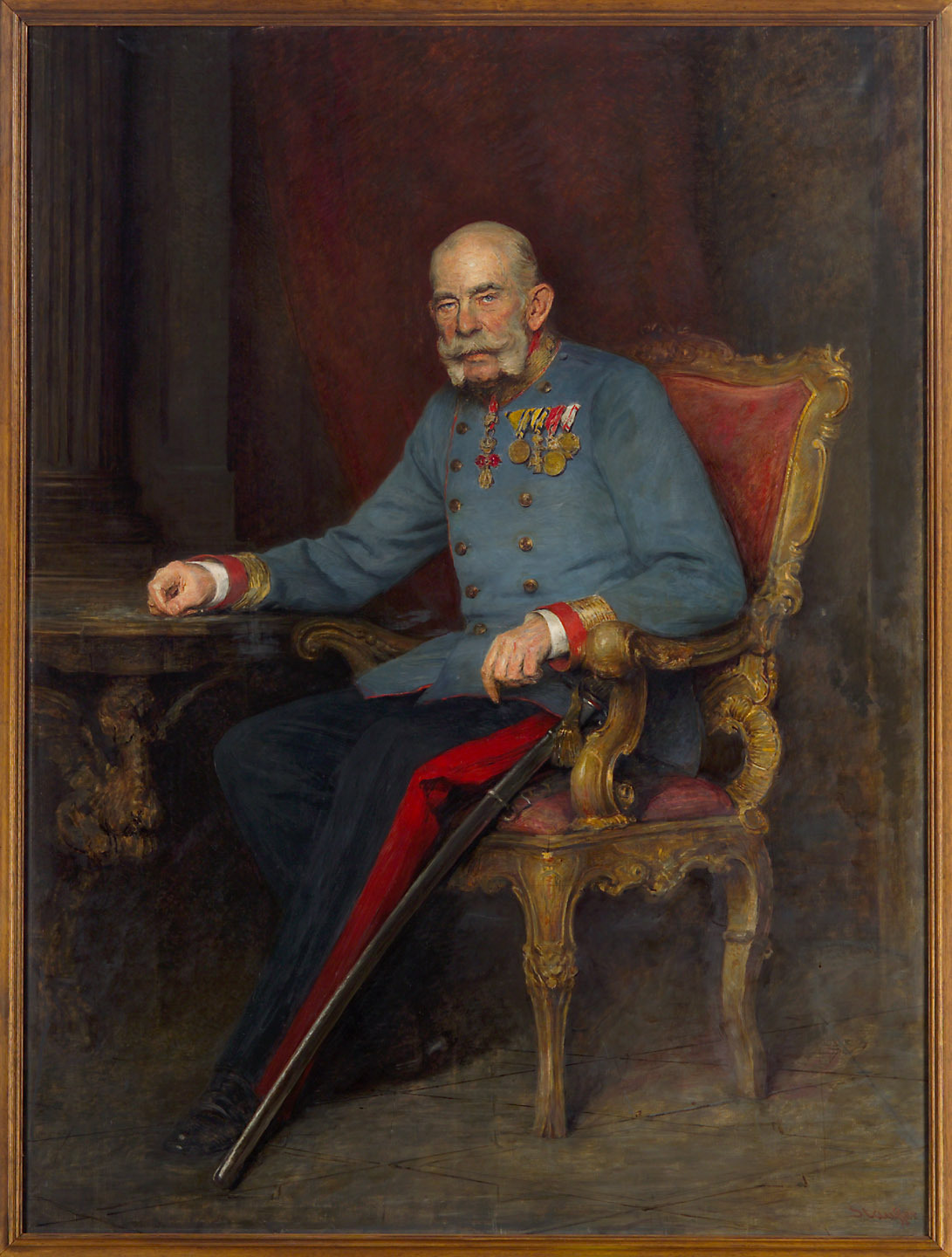
Kaiser Franz Joseph I. (1830-1916) sitzend, Viktor Stauffer, 1911-1916

Viktor Stauffer

Kaiser Franz Joseph I. (1830-1916) sitzend, 1911-1916

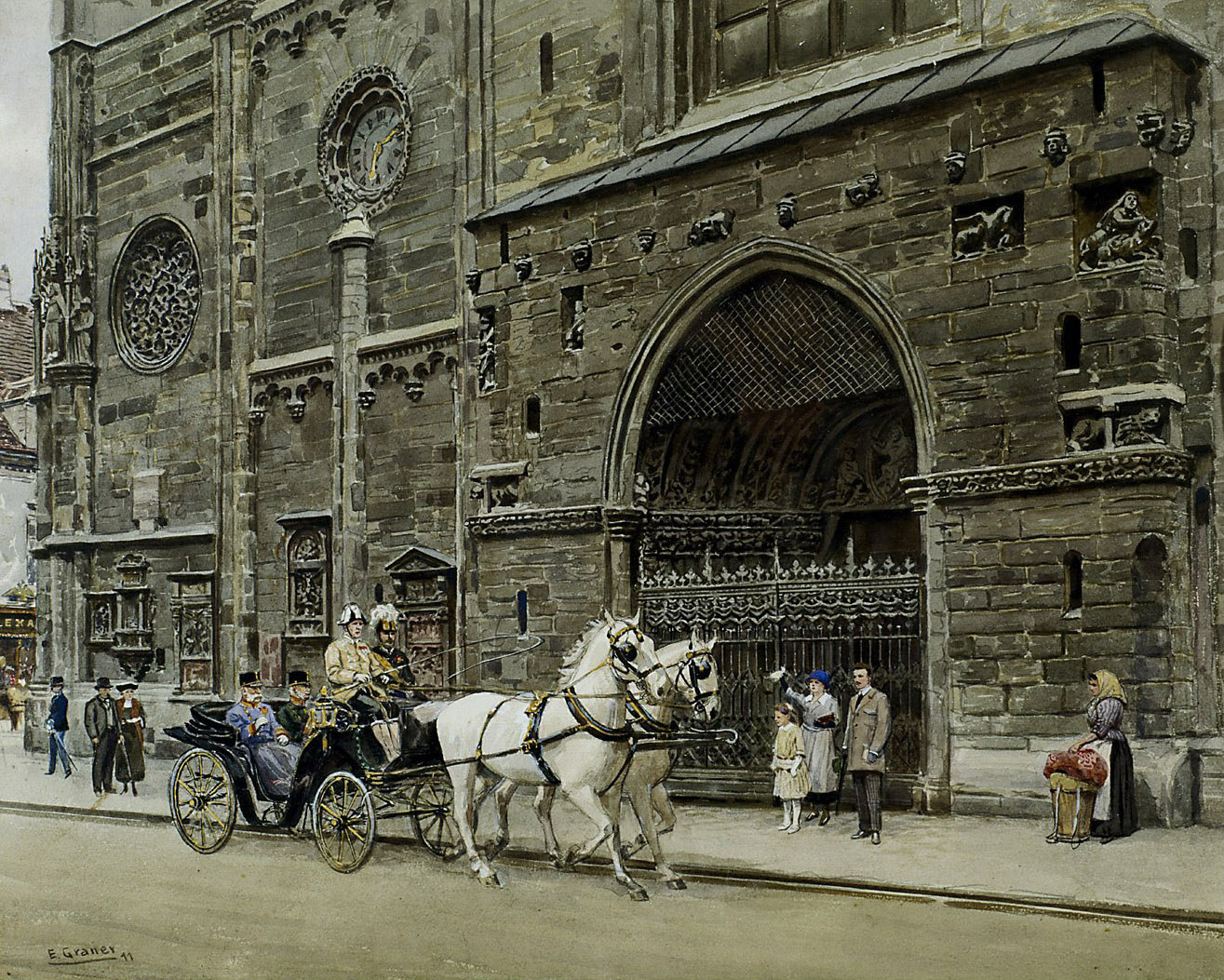
Kaiser Franz Joseph und Generaladjutant Graf Eduard Paar in einem Mylord mit Schimmelpaarweiszug vor der Stephanskirche, Ernst Graner, 1911

Ernst Graner

Kaiser Franz Joseph und Generaladjutant Graf Eduard Paar in einem Mylord mit Schimmelpaarweiszug vor der Stephanskirche, 1911

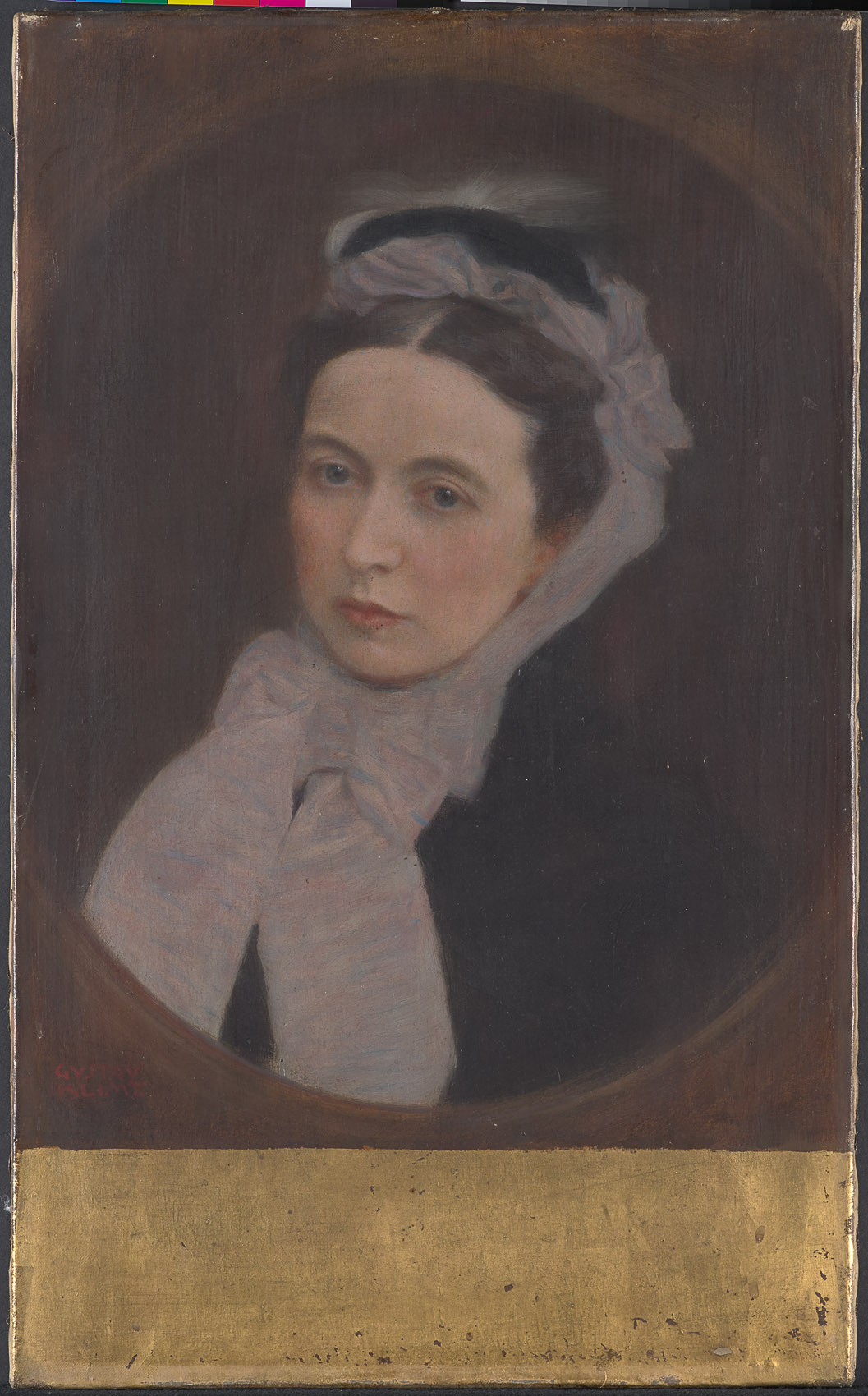
Dame mit lila Schal, Gustav Klimt, 1895

Gustav Klimt

Dame mit lila Schal, 1895

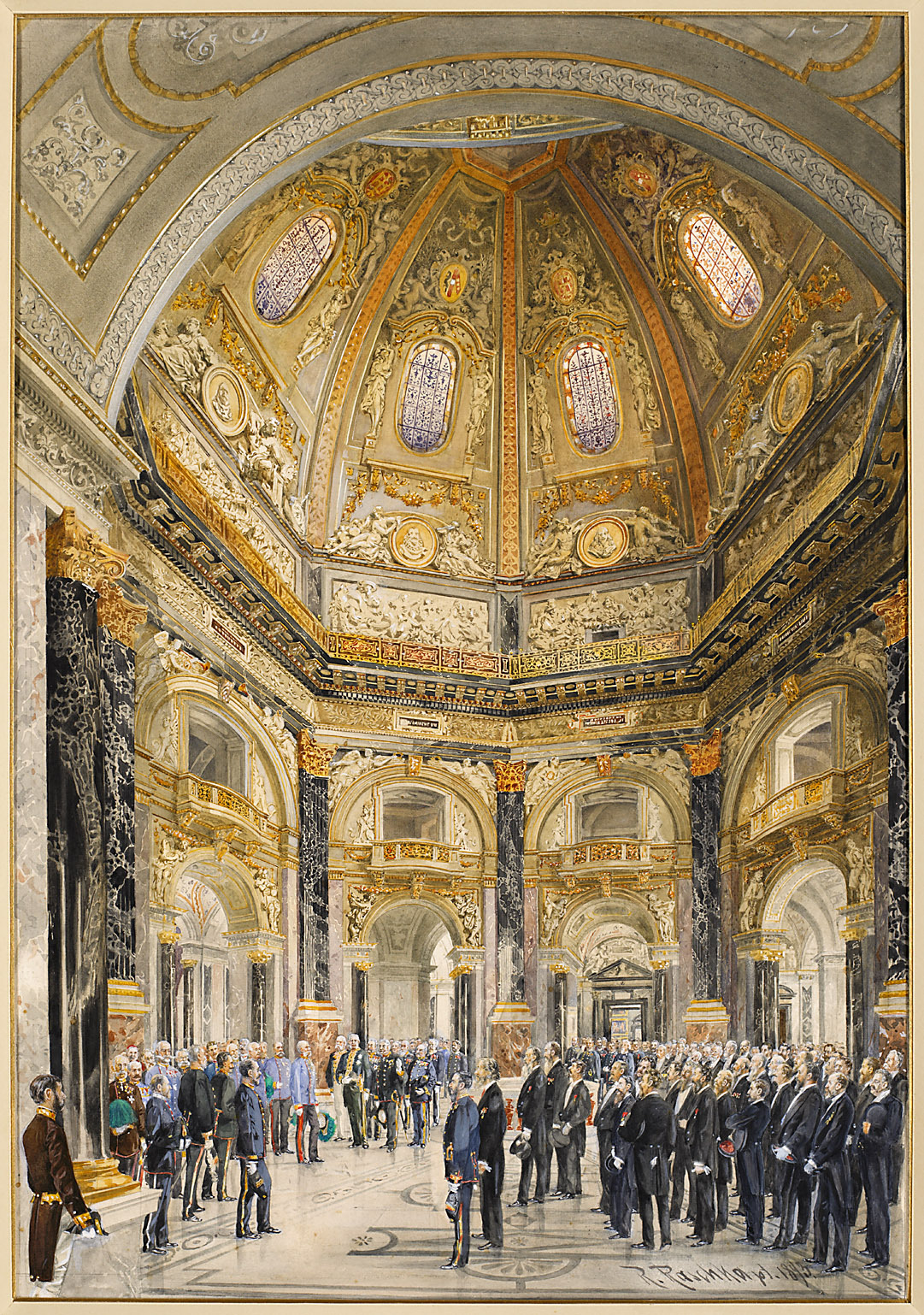
Die Eröffnung des Kunsthistorischen Museums durch Kaiser Franz Joseph I. am 17.10.1891, Robert Raschka, 1891

Robert Raschka

Die Eröffnung des Kunsthistorischen Museums durch Kaiser Franz Joseph I. am 17.10.1891, 1891

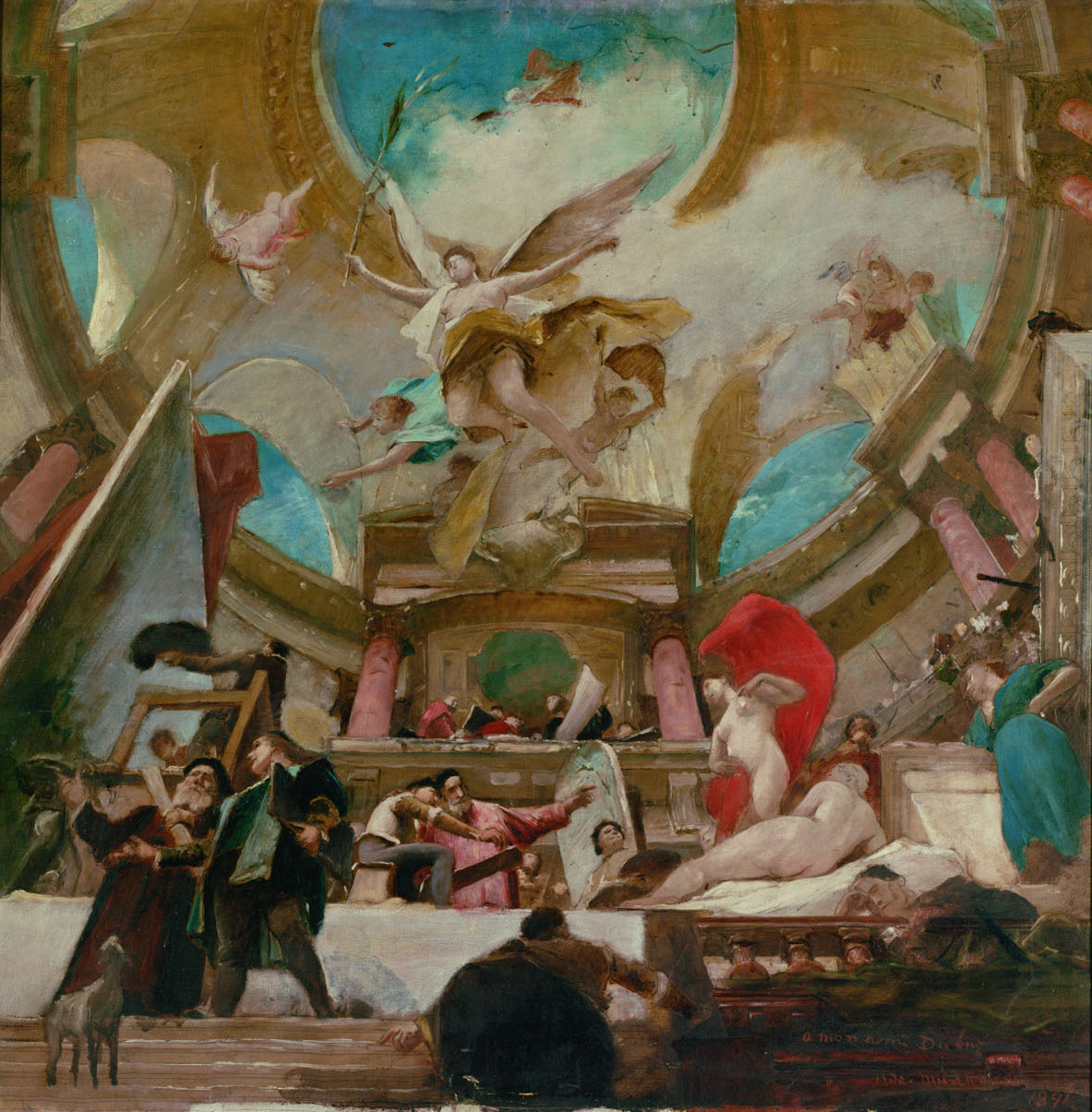
Apotheose der Renaissance, Mihály von Munkácsy, 1888

Mihály Munkácsy

Apotheose der Renaissance, 1888

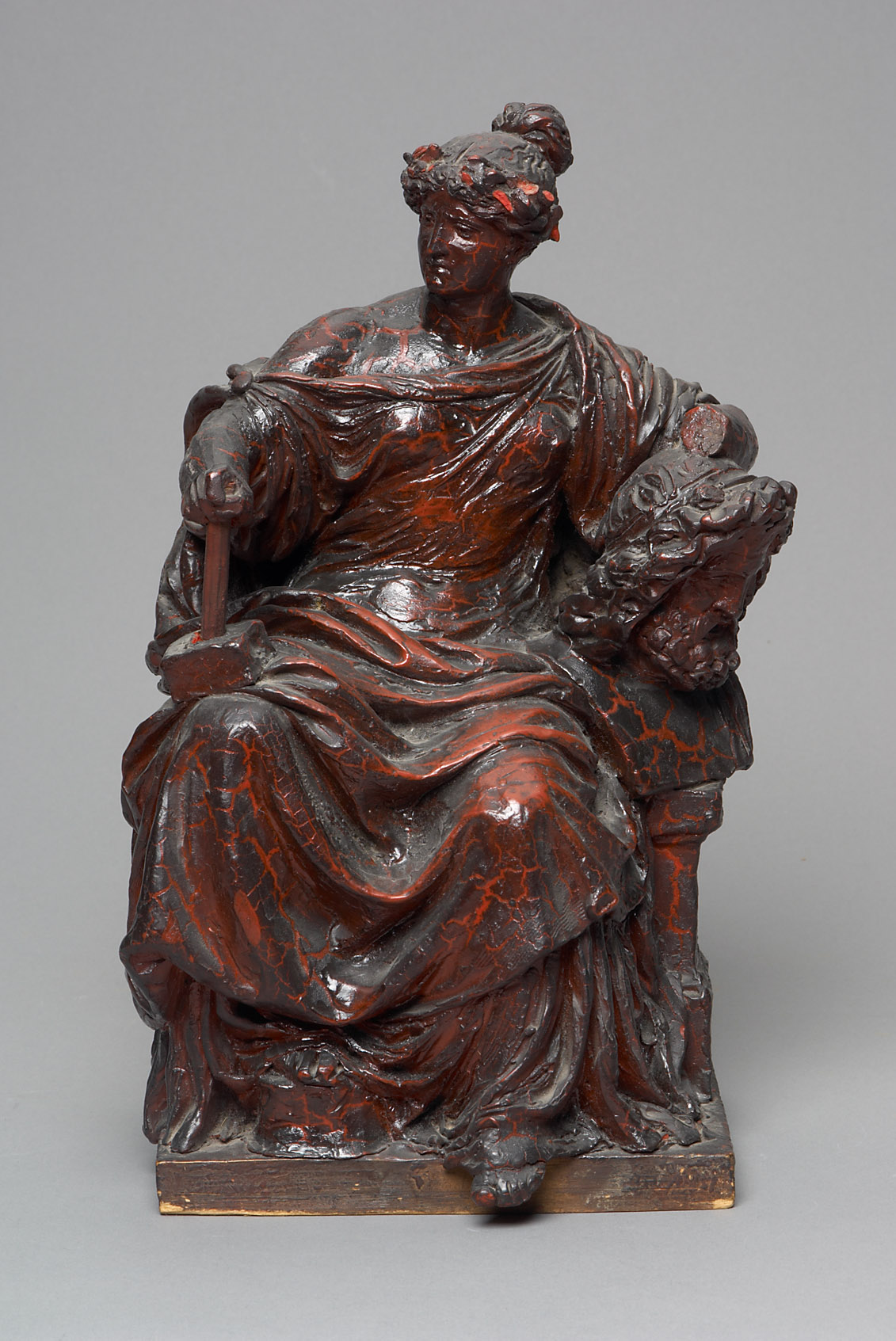
Allegorie der Bildhauerei / Figurenschmuck der Fassade des Kunsthistorischen Museums in Wien., Johannes Benk, 1878-1879

Johannes Benk

Allegorie der Bildhauerei / Figurenschmuck der Fassade des Kunsthistorischen Museums in Wien., 1878-1879