ART WIKI32.963 udstillet
KortSamlingKunstnereMuseerUdstillingerJournal
Log ind

ART WIKI

Hvor mesterværket hænger, og hvornår man bliver lukket ind.

Samlinger: Art Institute of Chicago, Det Russiske Museum, Eremitagen, Getty Villa, Harvard Art Museums, Hirshhorn Museum and Sculpture Garden, J. Paul Getty Museum, Louvre, Metropolitan Museum of Art, Minneapolis Institute of Art, Museum of Modern Art, National Gallery of Art, National Museum of Asian Art, National Portrait Gallery (Smithsonian), Pusjkinmuseet, Rijksmuseum Amsterdam, Smithsonian American Art Museum, Statens Museum for Kunst, The Cleveland Museum of Art, Tretjakovgalleriet, Victoria and Albert Museum, Whitney Museum of American Art, Ruslands statskatalog over museumsfonden (274 museer), Europeana (19 museer), Wikidata (6 museer), Paris Musées (12 museer) og Joconde, det franske kulturministeriums museumsdatabase (495 museer). Billederne tilhører deres rettighedshavere.

Afsnit

  • Kort
  • Søgning
  • Samling
  • Mesterværker
  • Udstillet nu
  • Kunstnere

Mere

  • Museer & gallerier
  • Udstillinger
  • Journal
  • Hvor data kommer fra
  • Privatliv & cookies
ForsideKortKatalog
  1. Samling/
  2. Minneapolis Institute of Art/
  3. Two camels and a groom (Camel)
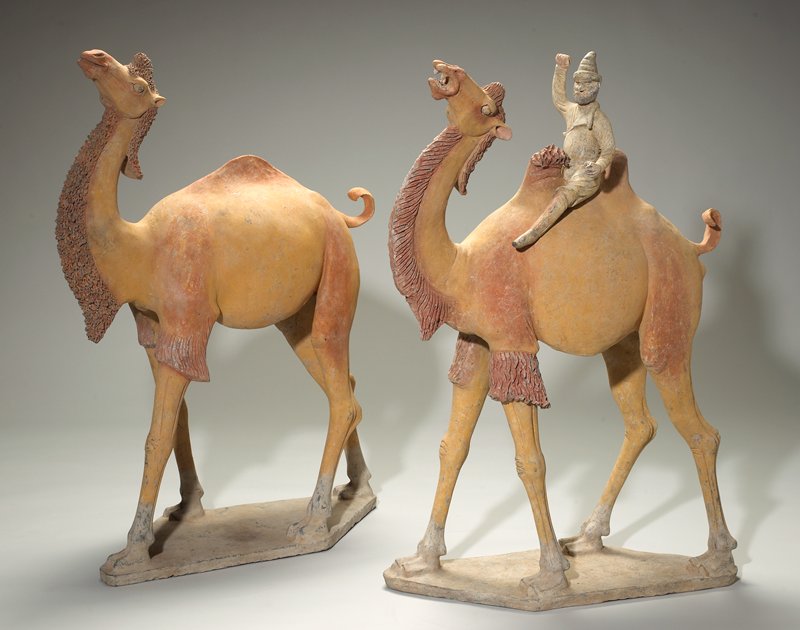
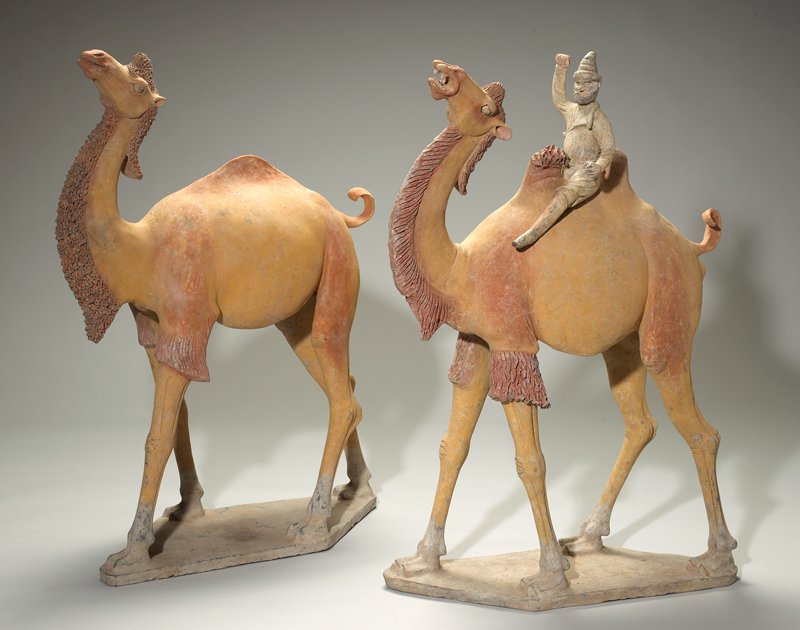
Two camels and a groom (Camel), 618–907

Two camels and a groom (Camel)

618–907 · Ceramics, Sculpture · 105.41 × 72.39 cm

Om skulpturen

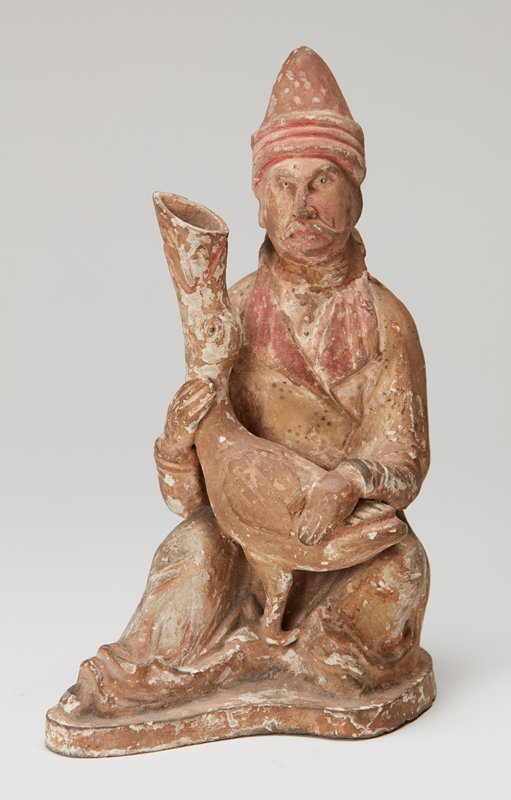
This group of two camels and their central Asian driver is remarkable for its large size, expressive modeling, and strong color. The heavily bearded groom rides a Bactrian (two-humped) camel, and they are accompanied by a one-humped dromedary. As the Chinese empire extended across most of central Asia during the Tang dynasty (618–907), the need for camels was enormous. Camels were treasured for their reliability in transporting people and trade merchandise through the great Gobi and Tarim deserts. Most camel herders were foreigners from Mongolia and central Asia. The great dusty beasts thronging the sprawling markets of cities like Chang’an (present-day Xi’an) and Luoyang gave Tang potters ample opportunity to study their every characteristic as well as those of the foreigners who tended them.

Minneapolis Institute of Art

Oplysninger

Inventarnummer
2004.205.1.1

I samme sal · G207, Minneapolis Institute of Art

Museets side

Må man se det?

Ja, det tager imod

Minneapolis Institute of Art

Minneapolis, USA

SalG207

Udstillet for publikum. Hvem der står inde for det, står nedenfor.

Kontrolleret
for 3 dage siden
Uændret siden
25. sep. 2026
Kilde
Museet
På kortetMuseets side

I kataloget

SkulpturKina

Kilder

  • Minneapolis Institute of Art
  • Billede: Minneapolis Institute of Art — public domain
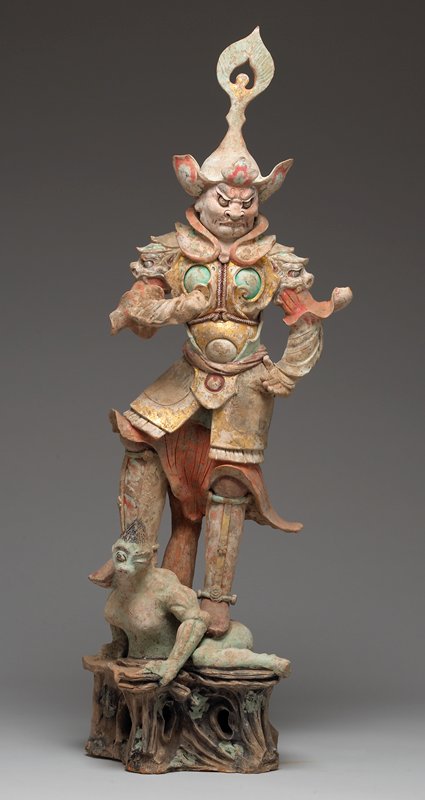
Lokapala Guardian King, one of a pair, late 7th–early 8th century

Lokapala Guardian King, one of a pair, late 7th–early 8th century

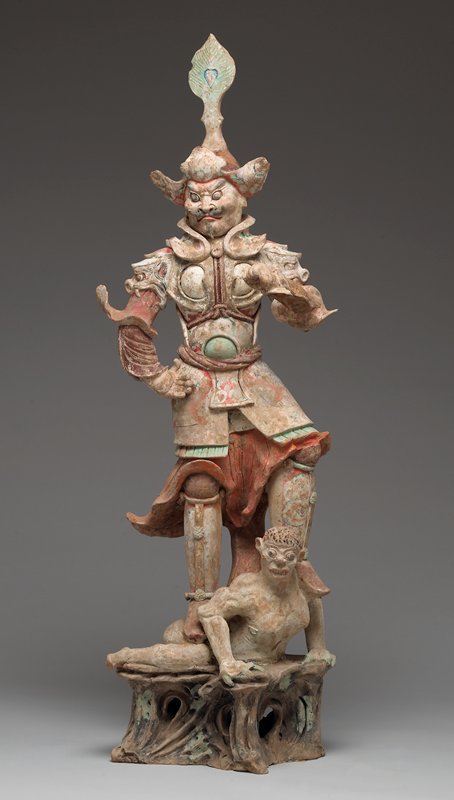
Lokapala Guardian King, one of a pair, late 7th–early 8th century

Lokapala Guardian King, one of a pair, late 7th–early 8th century

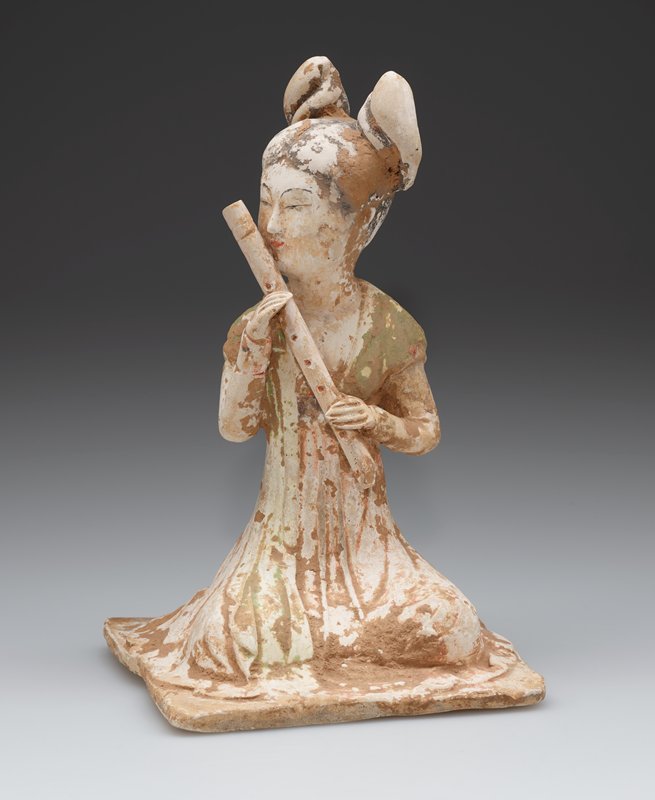
Tomb figure of a musician playing a bamboo flute, 618–906

Tomb figure of a musician playing a bamboo flute, 618–906

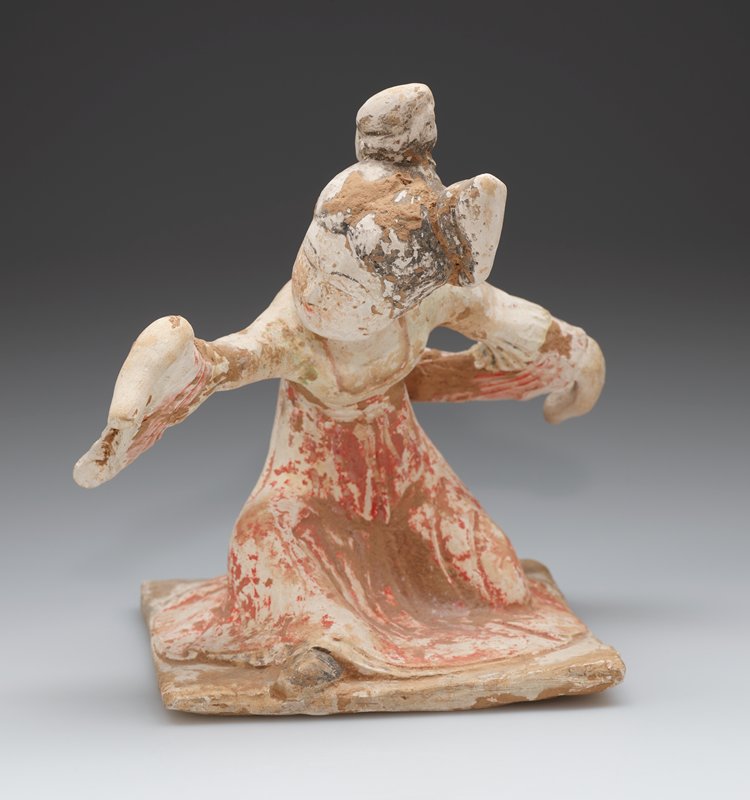
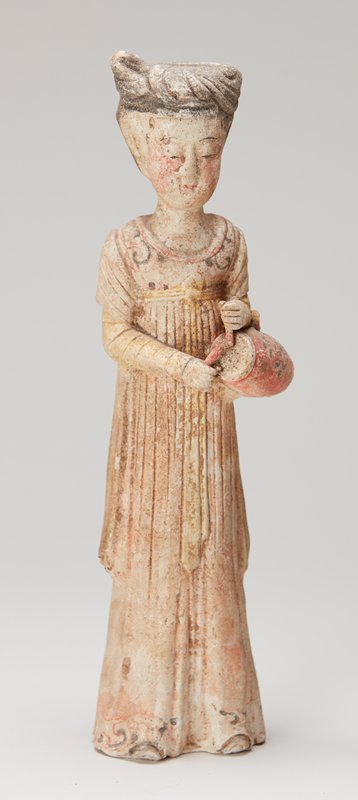
Figure of a woman, 618–906

Figure of a woman, 618–906

Two camels and a groom (Camel and groom), 618–906

Two camels and a groom (Camel and groom), 618–906

Tomb Figure, c. 700

Tomb Figure, c. 700

Tomb Figure, c. 700

Tomb Figure, c. 700

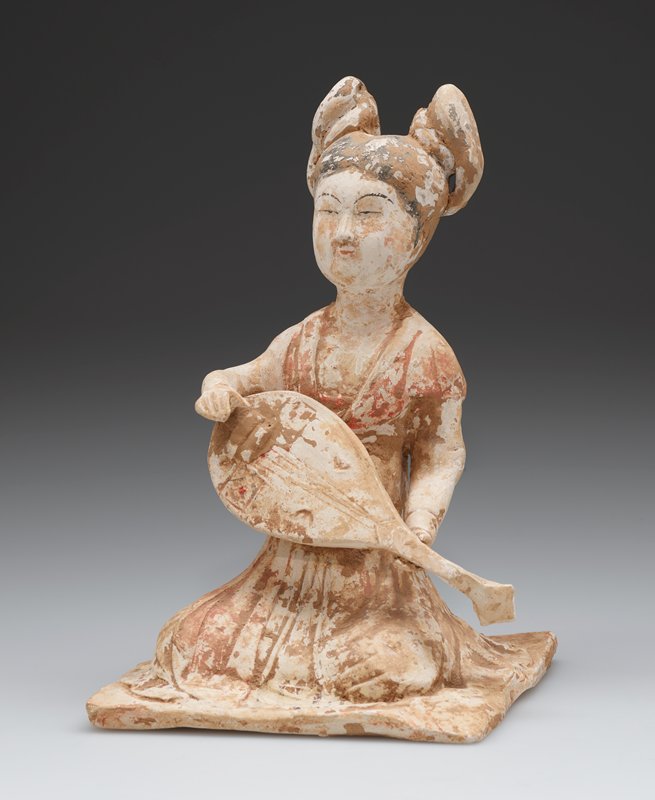
Tomb figure of a musician playing a lute, 618–906

Tomb figure of a musician playing a lute, 618–906