ART WIKI32.963 udstillet
KortSamlingKunstnereMuseerUdstillingerJournal
Log ind

ART WIKI

Hvor mesterværket hænger, og hvornår man bliver lukket ind.

Samlinger: Art Institute of Chicago, Det Russiske Museum, Eremitagen, Getty Villa, Harvard Art Museums, Hirshhorn Museum and Sculpture Garden, J. Paul Getty Museum, Louvre, Metropolitan Museum of Art, Minneapolis Institute of Art, Museum of Modern Art, National Gallery of Art, National Museum of Asian Art, National Portrait Gallery (Smithsonian), Pusjkinmuseet, Rijksmuseum Amsterdam, Smithsonian American Art Museum, Statens Museum for Kunst, The Cleveland Museum of Art, Tretjakovgalleriet, Victoria and Albert Museum, Whitney Museum of American Art, Ruslands statskatalog over museumsfonden (274 museer), Europeana (19 museer), Wikidata (6 museer), Paris Musées (12 museer) og Joconde, det franske kulturministeriums museumsdatabase (495 museer). Billederne tilhører deres rettighedshavere.

Afsnit

  • Kort
  • Søgning
  • Samling
  • Mesterværker
  • Udstillet nu
  • Kunstnere

Mere

  • Museer & gallerier
  • Udstillinger
  • Journal
  • Hvor data kommer fra
  • Privatliv & cookies
ForsideKortKatalog
  1. Samling/
  2. Minneapolis Institute of Art/
  3. The Tiber Muse
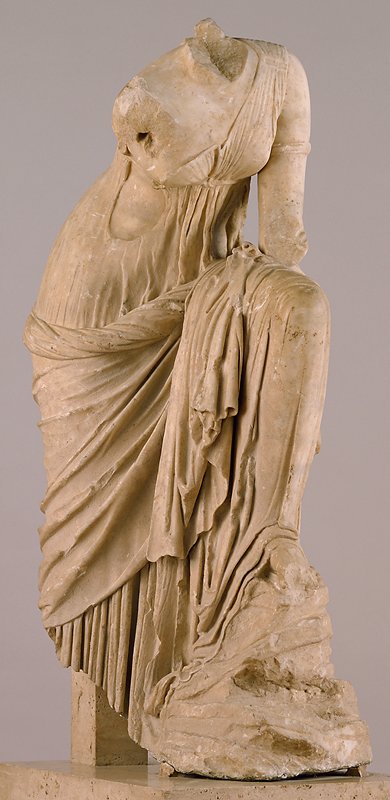
The Tiber Muse, Roman Empire, 2nd–1st century BCE

The Tiber Muse

2nd–1st century BCE · Sculpture · 119.38 × 33.02 cm

Om skulpturen

Although discovered in the vicinity of the Tiber river in Rome in 1885, the style of this statue's drapery suggests that it originated in a workshop in Greece or Asia Minor. The Roman importation and copying of Greek sculpture are well documented, from the time of the Roman conquests of Greeks territories in the third century B.C. and throughout the imperial era (27 B.C.-about 395 A.D.). The public exhibition of Greek spoils encouraged Romans to collect Greek art and commission new works in similar styles. Displaying statuary of Greek origin or appearance eventually became a mark of one's social status and education.

Minneapolis Institute of Art

Oplysninger

Inventarnummer
56.12

Mere af Roman Empire

Alle værker

I samme sal · G241, Minneapolis Institute of Art

Museets side
RRoman EmpireSyrien

Må man se det?

Ja, det tager imod

Minneapolis Institute of Art

Minneapolis, USA

SalG241

Udstillet for publikum. Hvem der står inde for det, står nedenfor.

Kontrolleret
for 3 dage siden
Uændret siden
25. sep. 2026
Kilde
Museet
På kortetMuseets side

I kataloget

SkulpturMarmorGraeco-Roman

Kilder

  • Minneapolis Institute of Art
  • Billede: Minneapolis Institute of Art — public domain
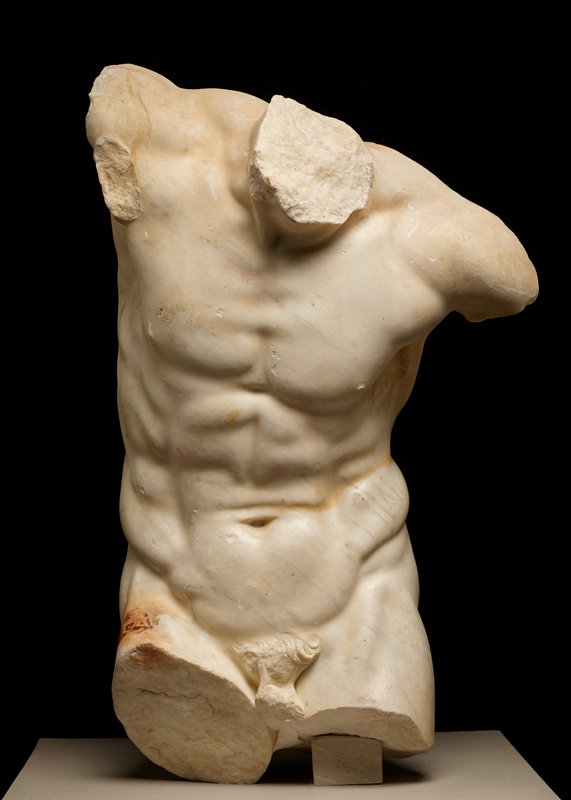
Torso of a Dancing Faun, Roman Empire, 1st century CE

Torso of a Dancing Faun

1st century CE · Minneapolis Institute of Art

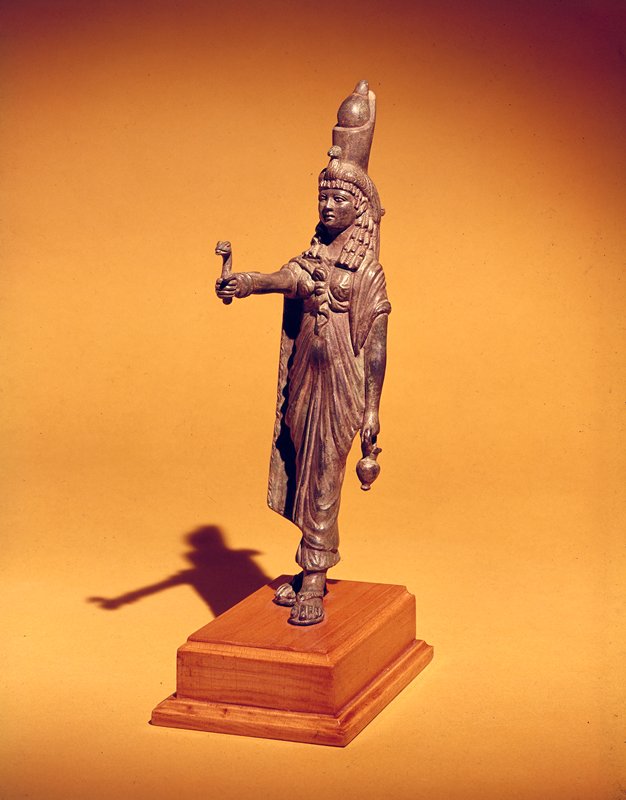
Goddess Isis, Roman Empire, 1st century CE

Goddess Isis

1st century CE · Minneapolis Institute of Art

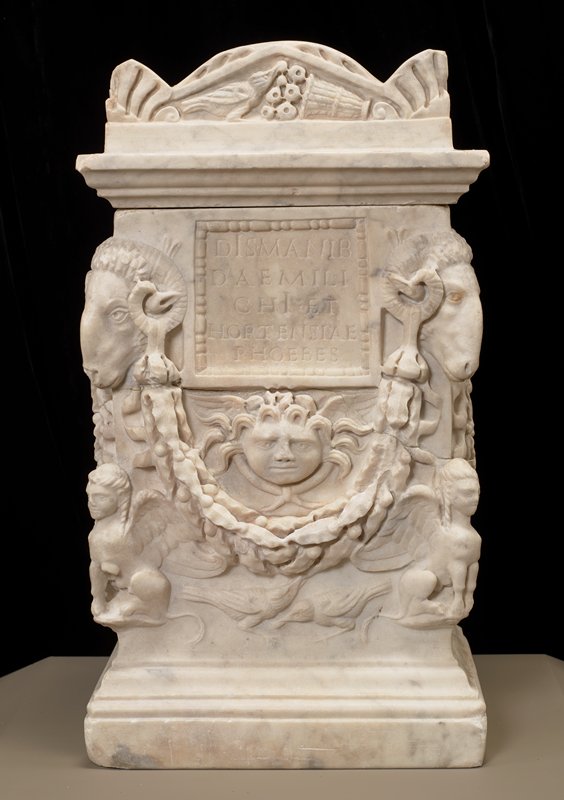
Cinerary Box with Cover, Roman Empire, 50–100 CE

Cinerary Box with Cover

50–100 CE · Minneapolis Institute of Art

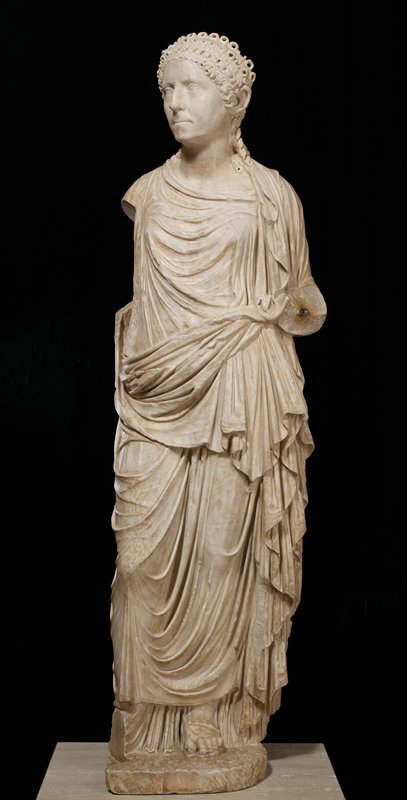
Roman Matron, Roman Empire, 50–60 CE

Roman Matron

50–60 CE · Minneapolis Institute of Art

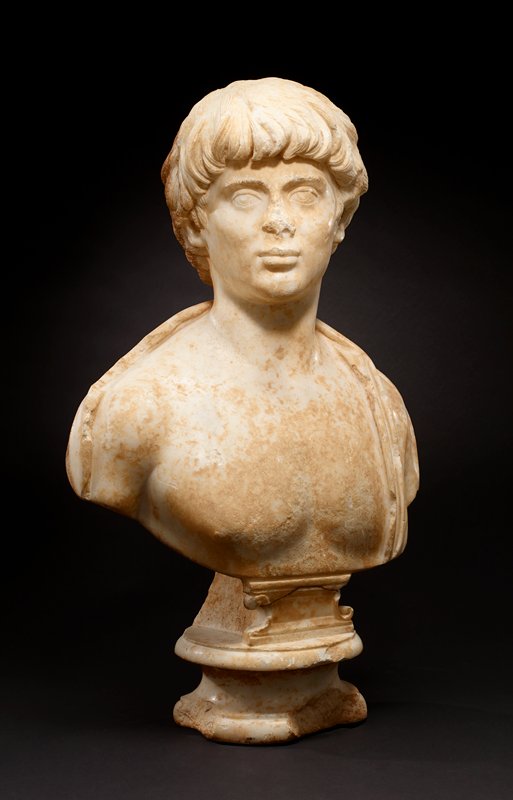
Bust of a Young Man, Probably Polydeukion, Roman Empire, 2nd century

Bust of a Young Man, Probably Polydeukion

2nd century · Minneapolis Institute of Art

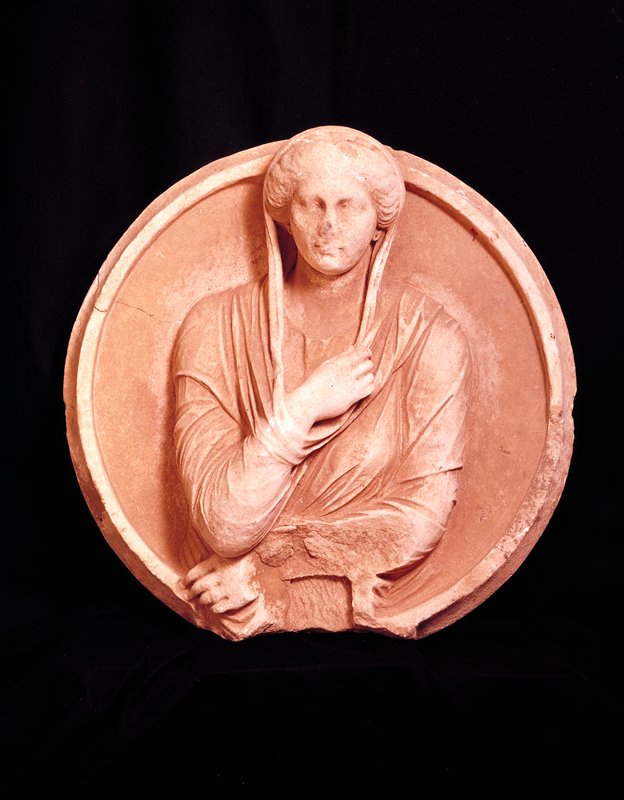
Tondo: Portrait of a Young Noblewoman, Roman Empire, 2nd century

Tondo: Portrait of a Young Noblewoman

2nd century · Ikke udstillet · Minneapolis Institute of Art

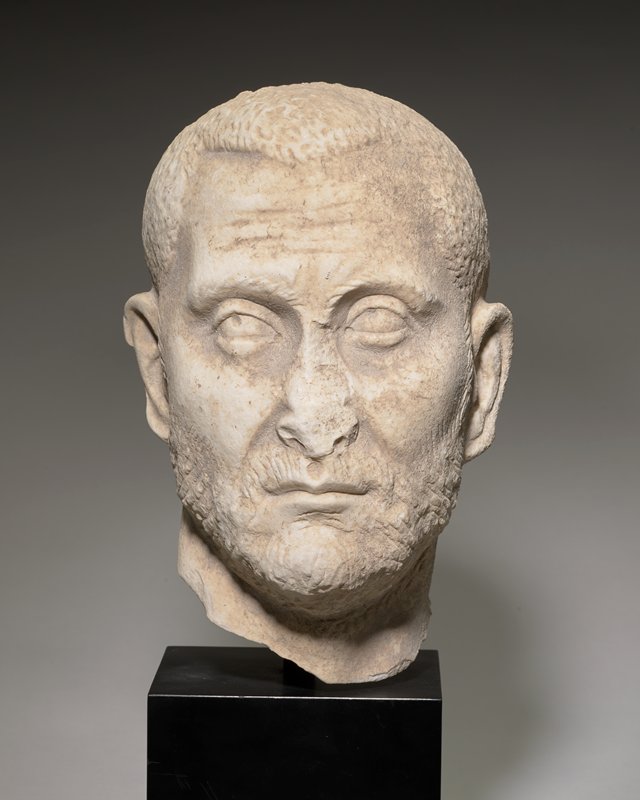
Portrait of a Man, Roman Empire, 252–268

Portrait of a Man

252–268 · Ikke udstillet · Minneapolis Institute of Art

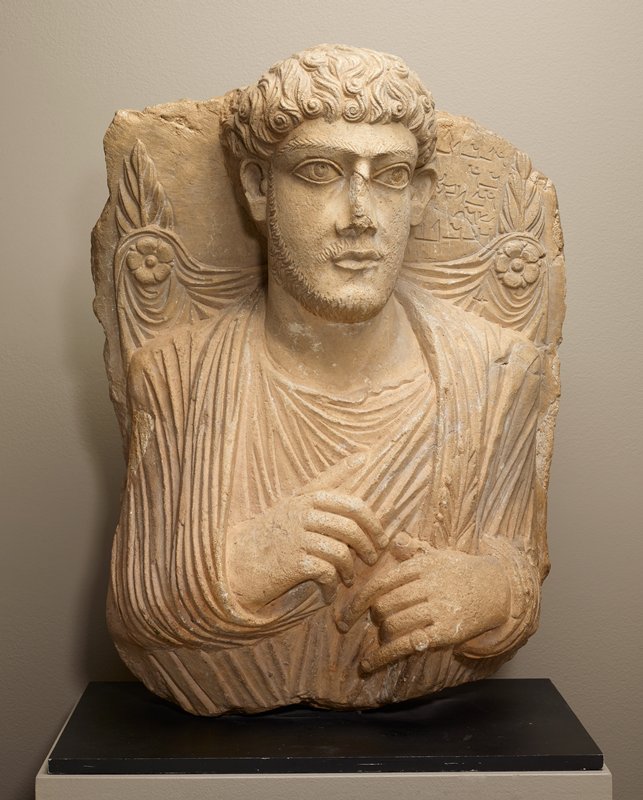
Funerary Relief, Roman Empire, late 2nd century–first half of the 3rd century

Funerary Relief

late 2nd century–first half of the 3rd century · Ikke udstillet · Minneapolis Institute of Art

Torso of a Dancing Faun, Roman Empire, 1st century CE

Roman Empire

Torso of a Dancing Faun, 1st century CE

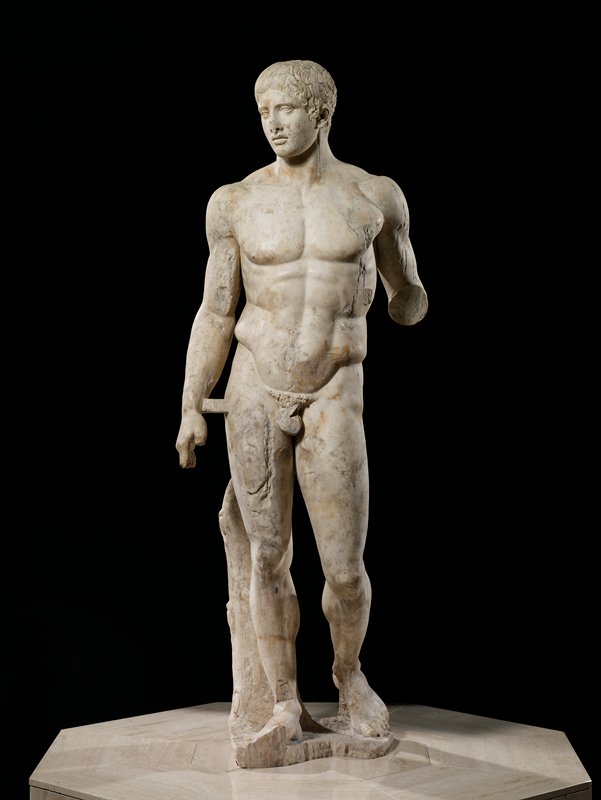
The Doryphoros (after Polykleitos), Copy of work attributed to Polykleitos, 27 BCE–68 CE

Copy of work attributed to Polykleitos

The Doryphoros (after Polykleitos), 27 BCE–68 CE

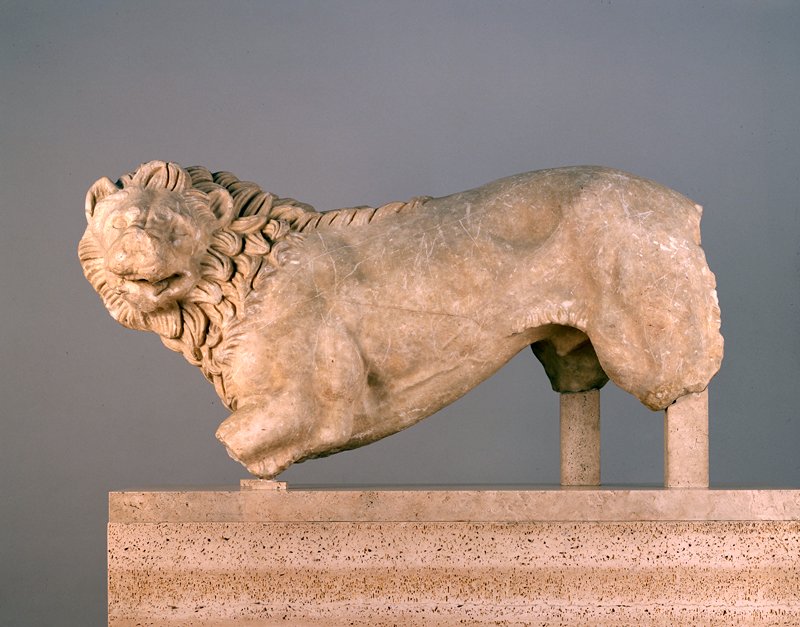
Crouching Lion, 330–317 BCE

Crouching Lion, 330–317 BCE

Cinerary Box with Cover, Roman Empire, 50–100 CE

Roman Empire

Cinerary Box with Cover, 50–100 CE

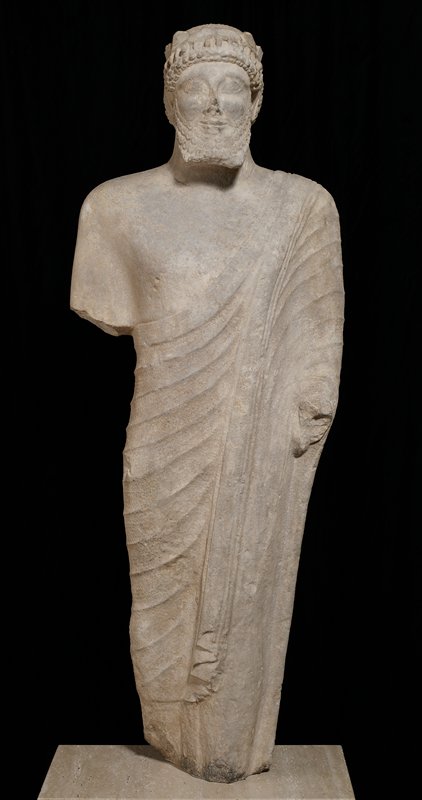
Votary Figure, c. 470 BCE

Votary Figure, c. 470 BCE

Roman Matron, Roman Empire, 50–60 CE

Roman Empire

Roman Matron, 50–60 CE

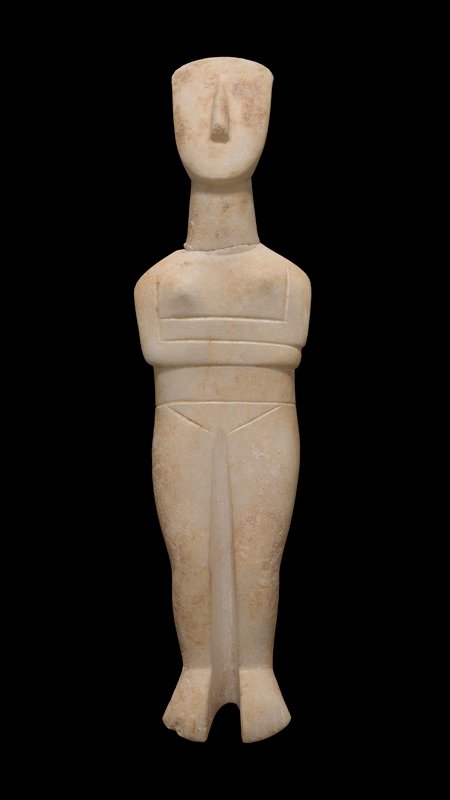
Female Figure, c. 2500–2400 BCE

Female Figure, c. 2500–2400 BCE

Figure of a Lar, 1st century CE

Figure of a Lar, 1st century CE