 Georges BraqueFrankrig, 1882–1963
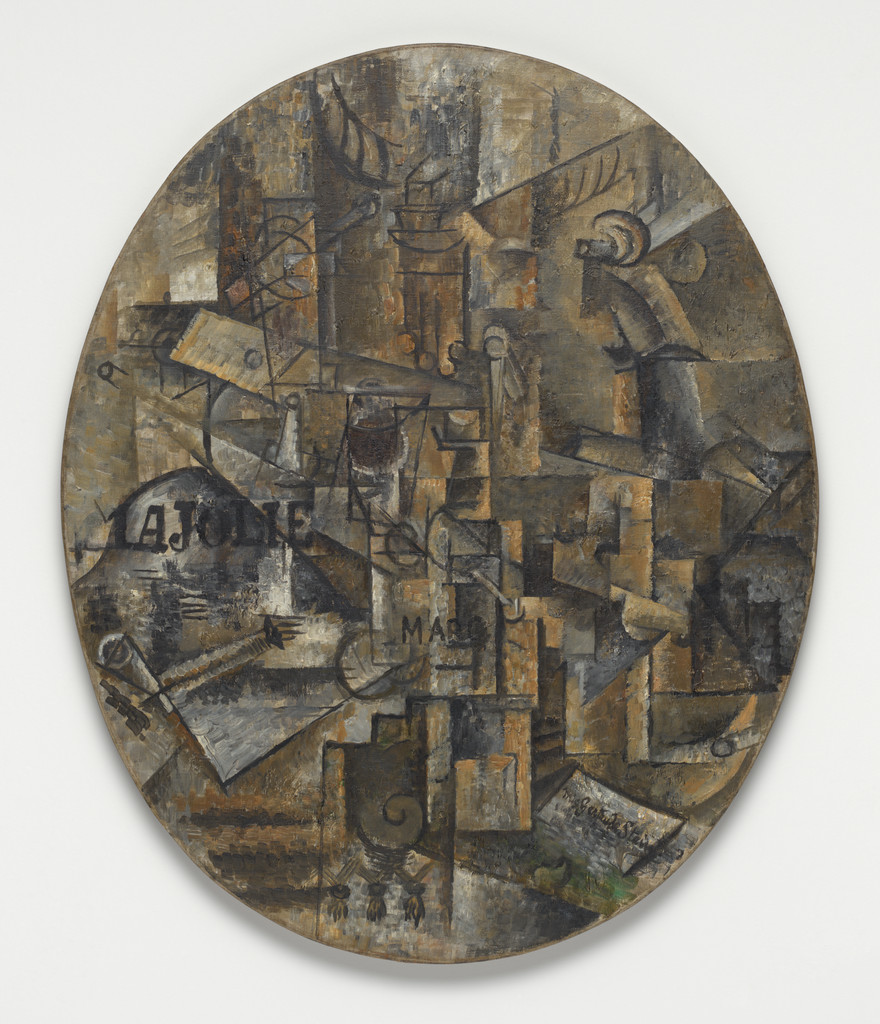
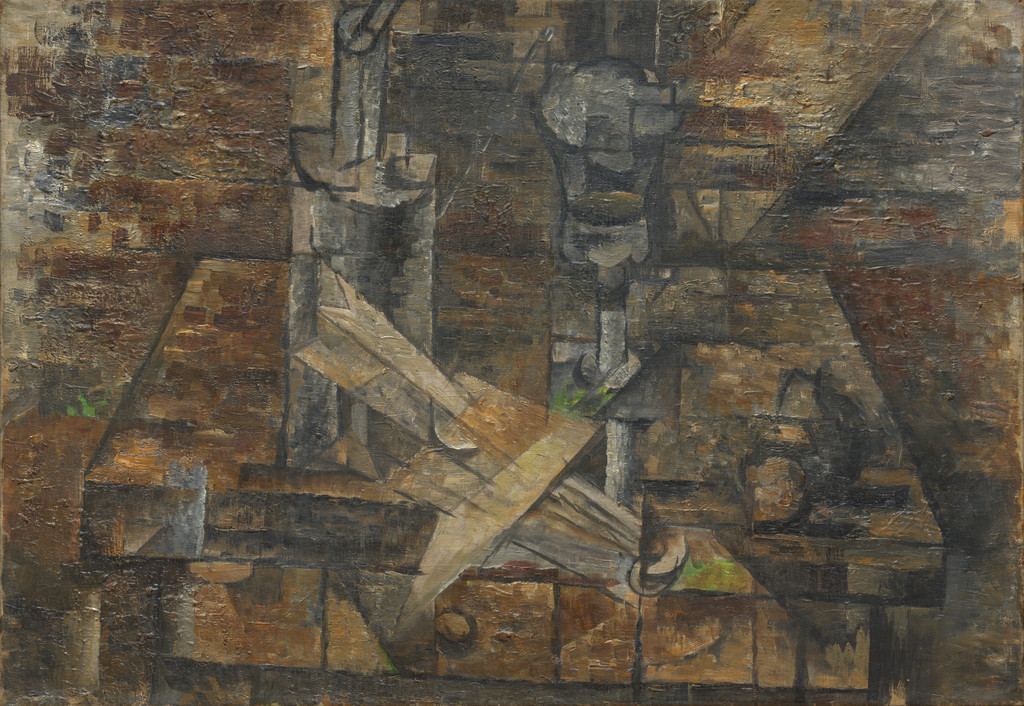
The Table (Still Life with Fan)
Må man se det?
Ja, det tager imod

Udstillet for publikum.
- Kontrolleret
- Kilde
- Museet
Oplysninger
- Inventarnummer
- 358.2006
I kataloget
Kilder
- Museum of Modern Art
- Billede: Museum of Modern Art — © the artist or rights holder
Imens i livet hos Georges Braque
Hele livet1908
From landscape to still life
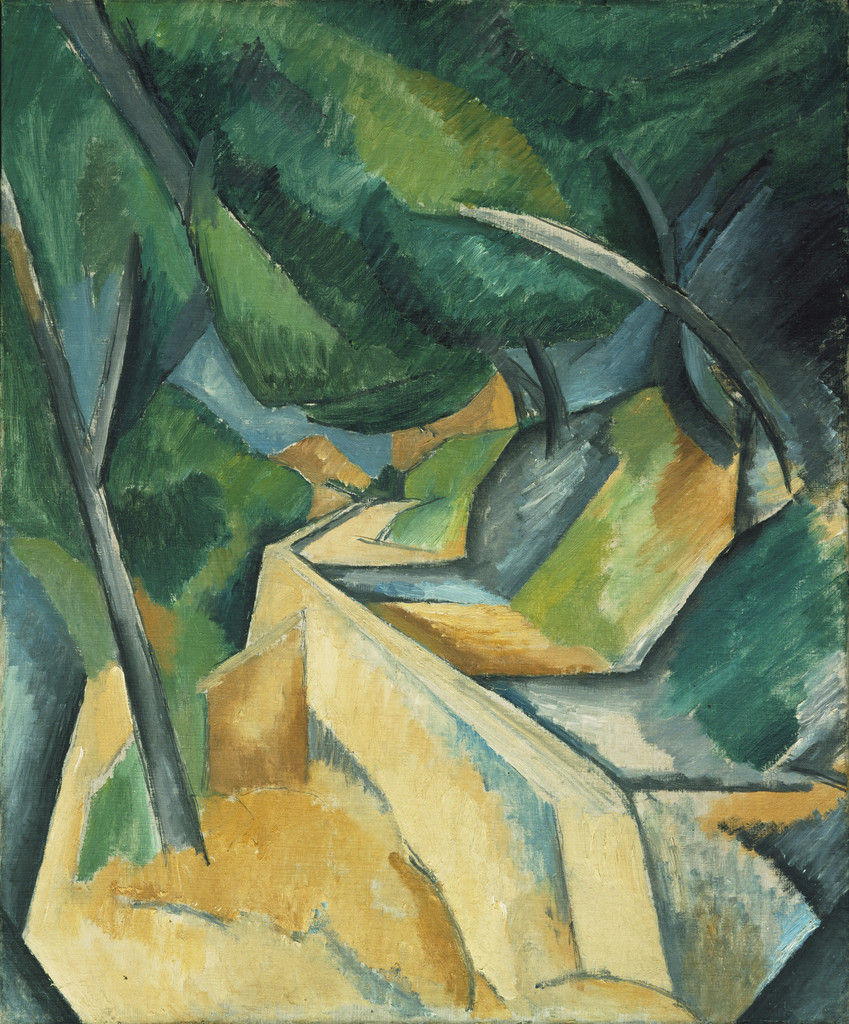
In 1908 Braque, together with Picasso, discovered the advantages of still life: in his words it offers a tactile, almost “manual” space, answering his long-held urge to touch things and not merely see them.
14 November 1908
Exhibition at Kahnweiler's and Vauxcelles's “cubes”
Reviewing Braque's exhibition at Kahnweiler's gallery, the critic Louis Vauxcelles called him a daring man who despises form, “reducing everything, places and figures and houses, to geometric schemas, to cubes”.
25 March 1909
“Cubic oddities” at the Salon des Indépendants
On seeing a painting by Braque at the Salon des Indépendants, Louis Vauxcelles spoke of “bizarreries cubiques” — “cubic oddities”.
1909–1912
Creates Cubism together with Picasso
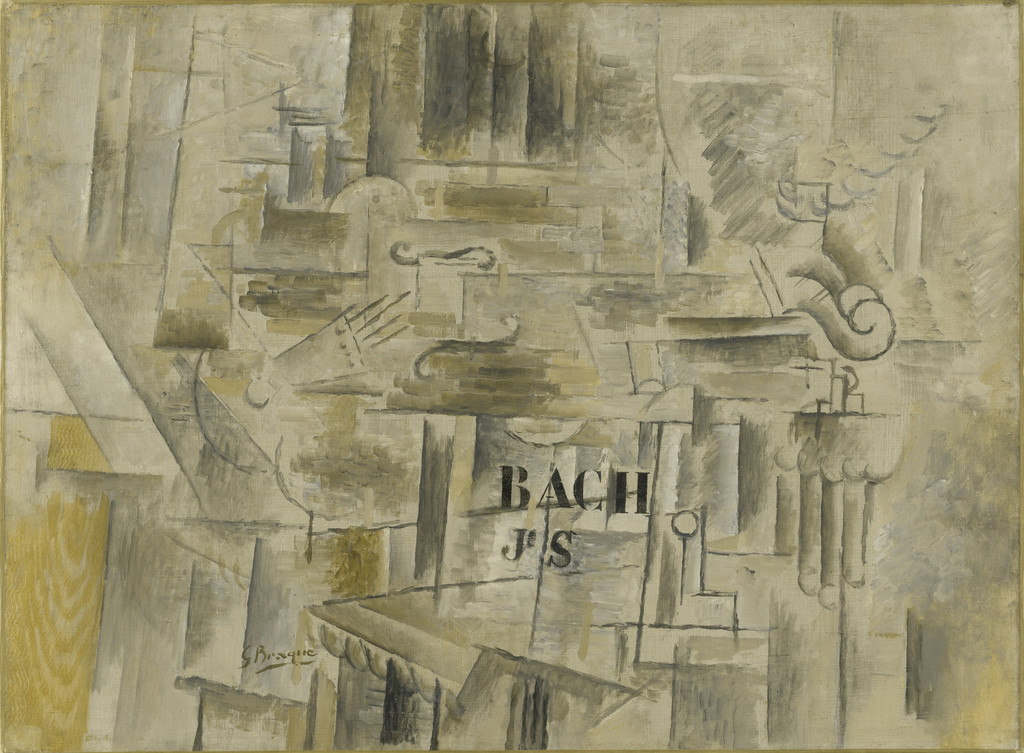
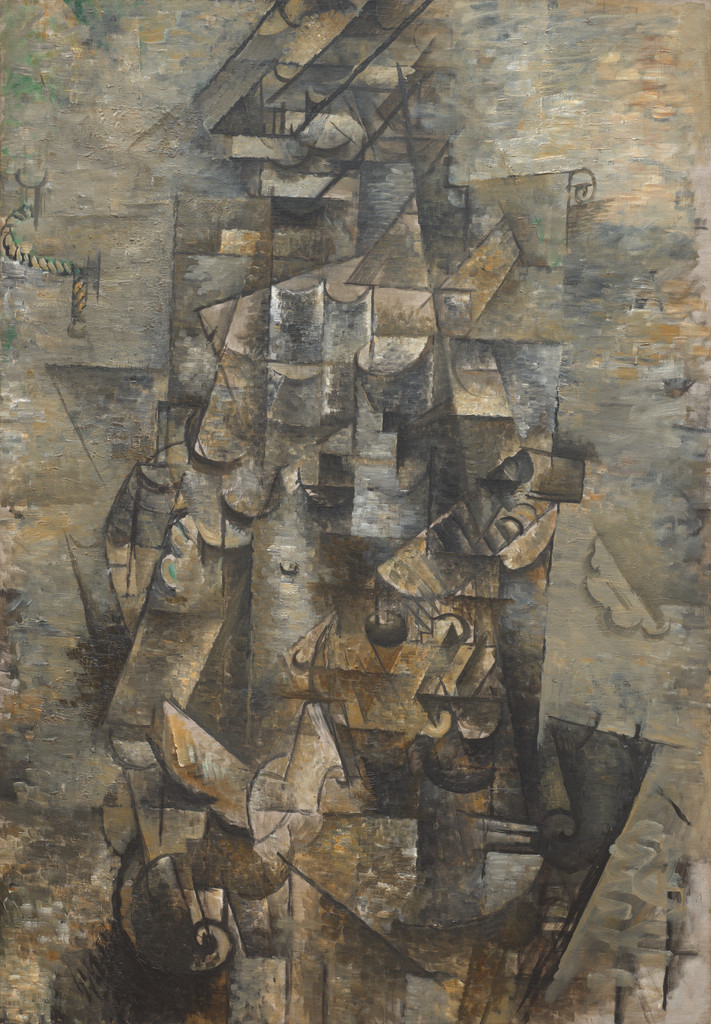
From 1909 to 1912 (other accounts say from as early as 1908) Braque worked with Picasso on the theoretical foundations of Cubism and became one of the movement's founders; for many years their paintings of the period were indistinguishable. Braque likened their partnership to being roped together on a mountain.
summer 1911
Summer in Céret, side by side with Picasso
The summer of 1911 was decisive for Cubism: Braque and Picasso painted side by side in Céret in the French Pyrenees, and their canvases of that time are hard, sometimes virtually impossible, to tell apart.
1912
Invents papier collé
In 1912 Braque and Picasso began experimenting with collage, and Braque invented the technique of papier collé — pasted paper.