 Barthélemy MennSchweiz, 1815–1893
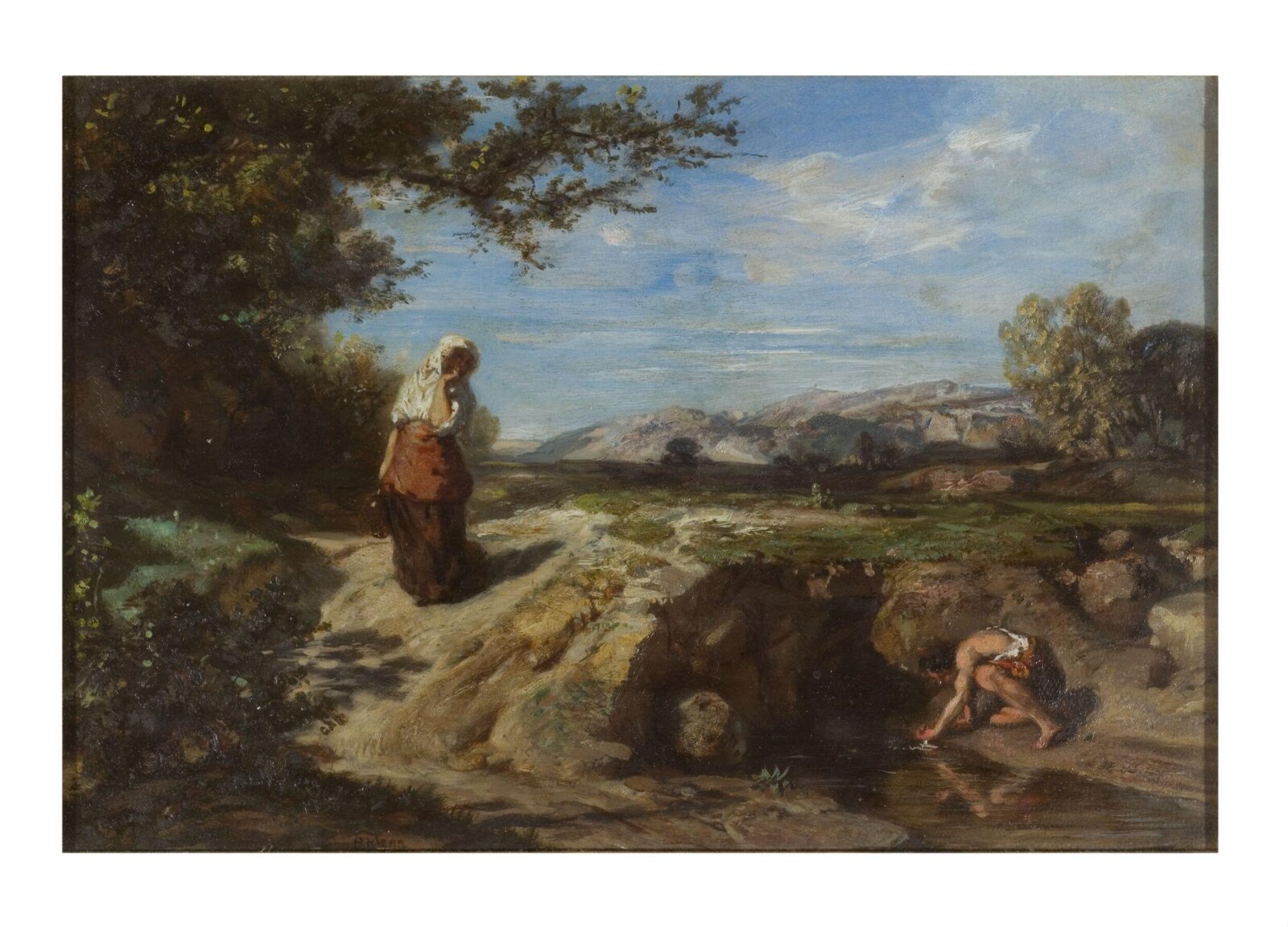
The Spring
Må man se det?
Tager ikke imod for tiden

Victoria and Albert Museum
London, Storbritannien
Det hører til samlingen, men er ikke udstillet for tiden.
- Kontrolleret
- for 9 dage siden
- Uændret siden
- 25. sep. 2026
- Kilde
- Museets egne samlingsdata
About the painting
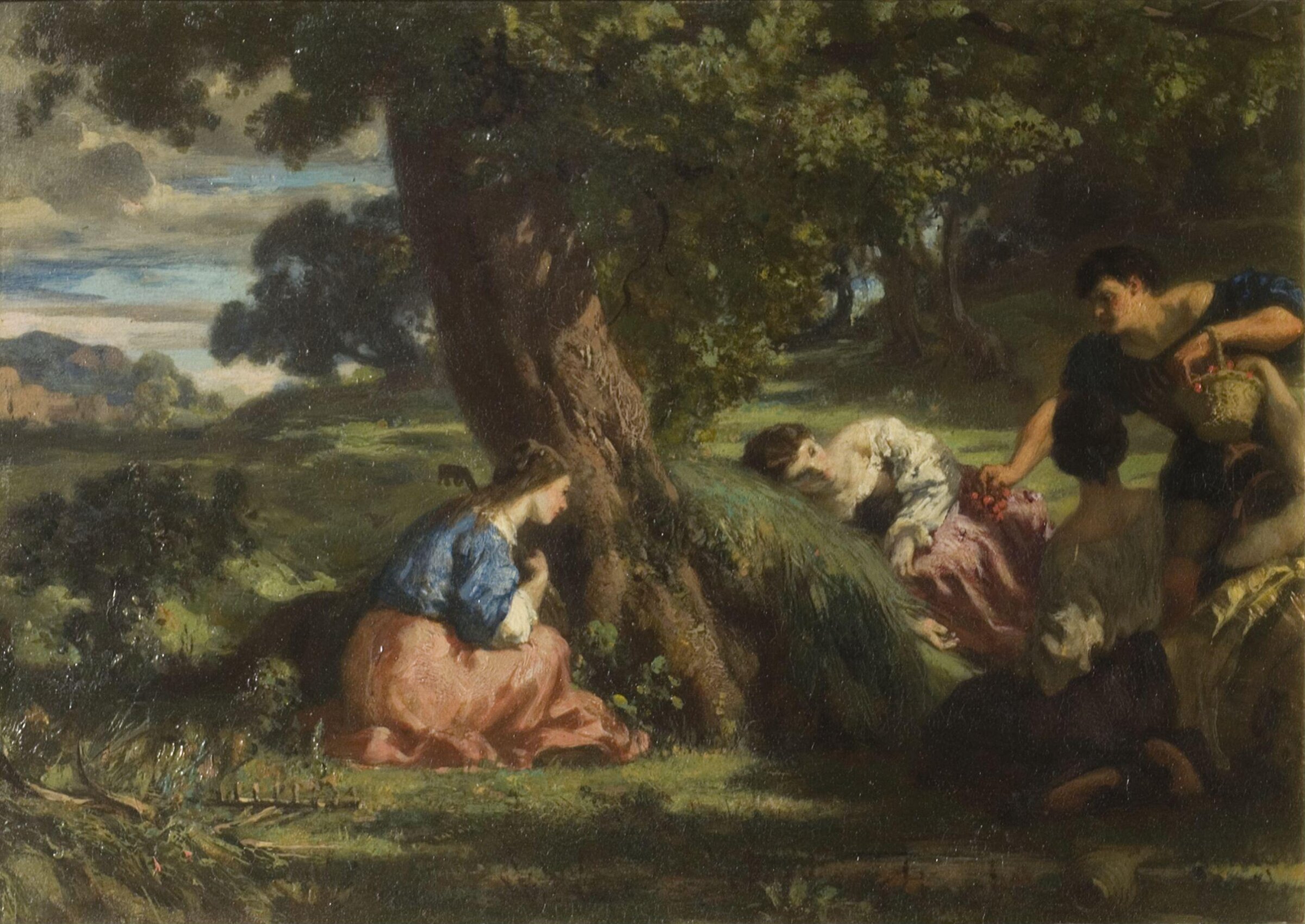
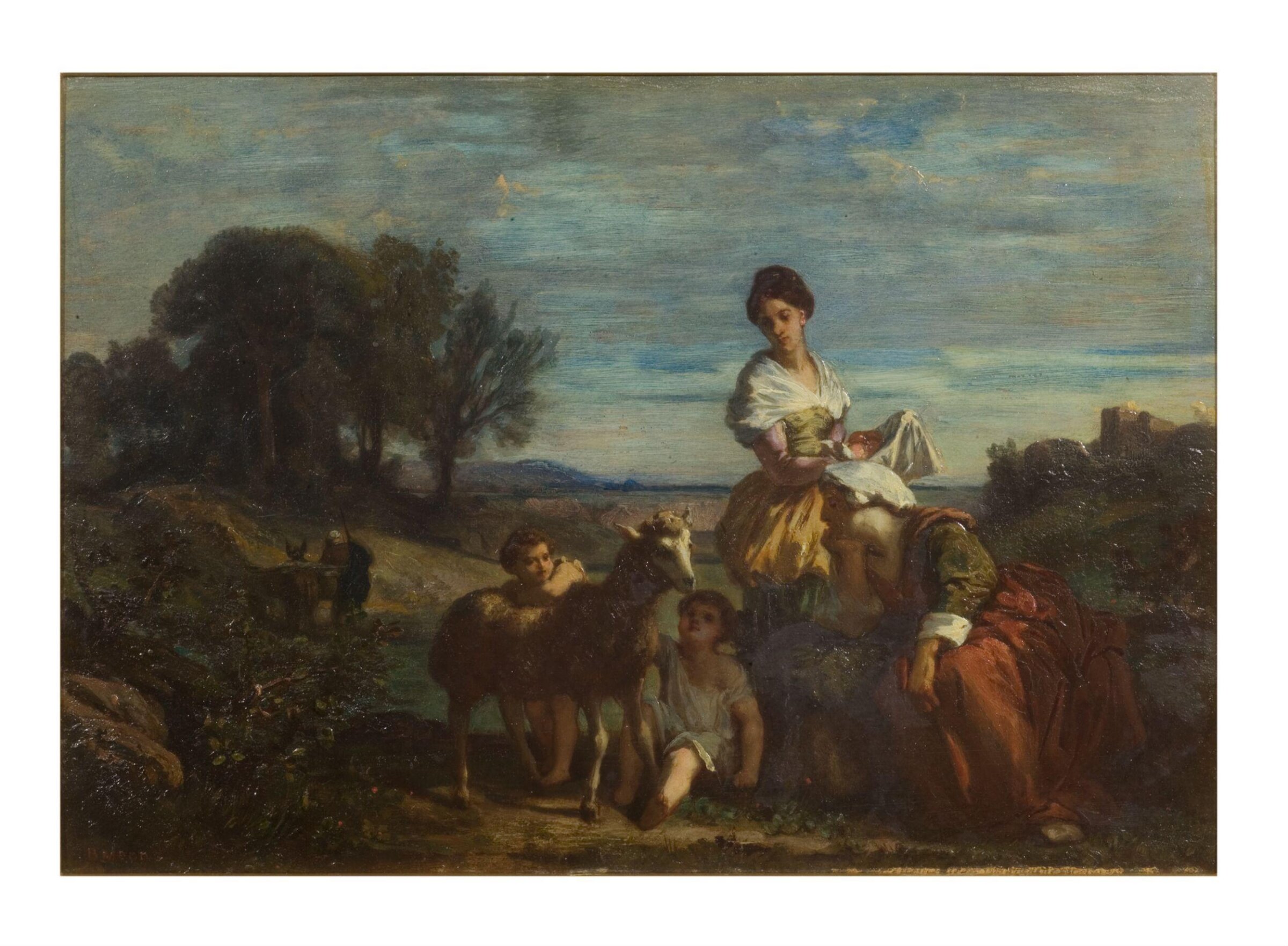
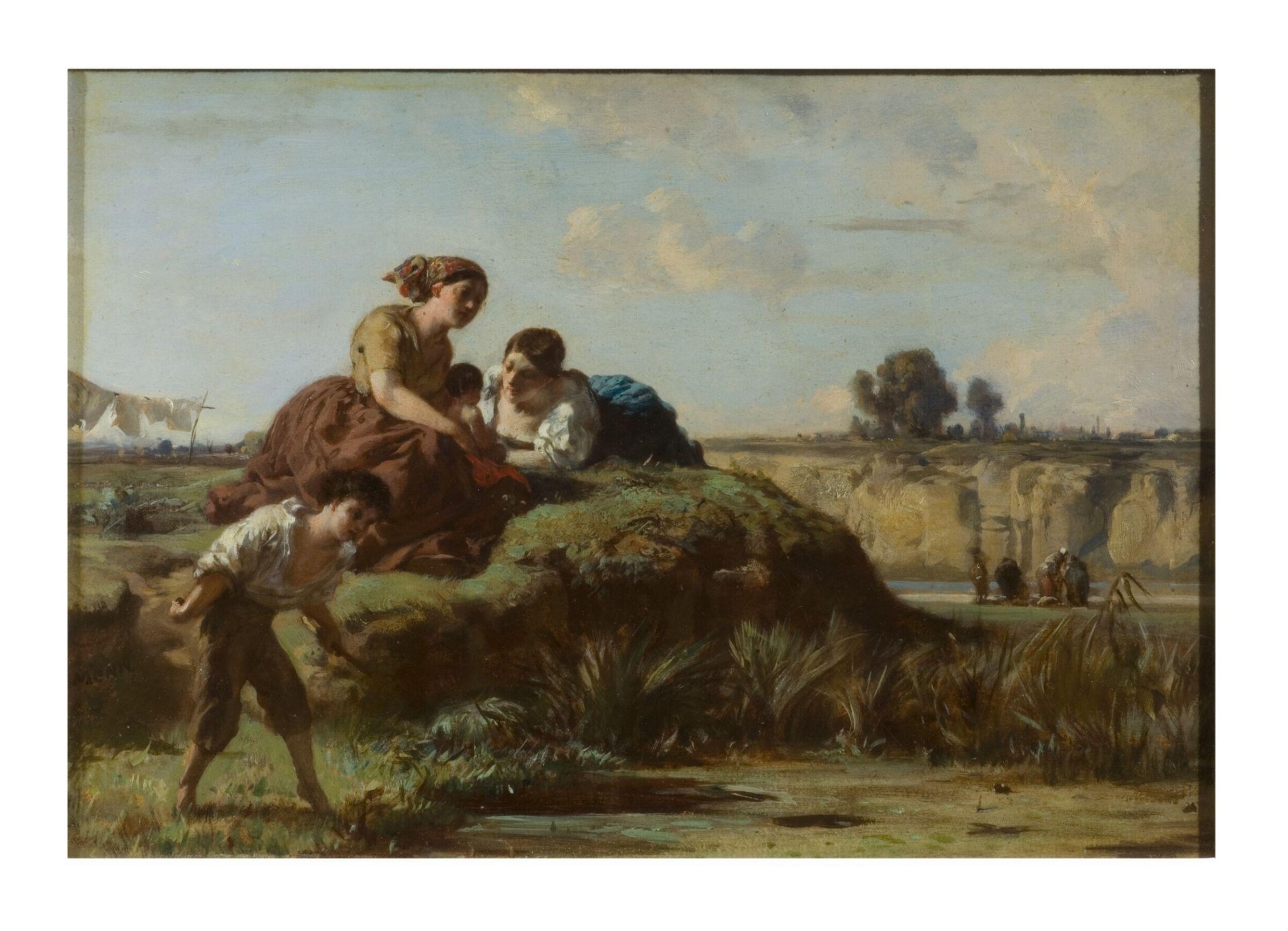
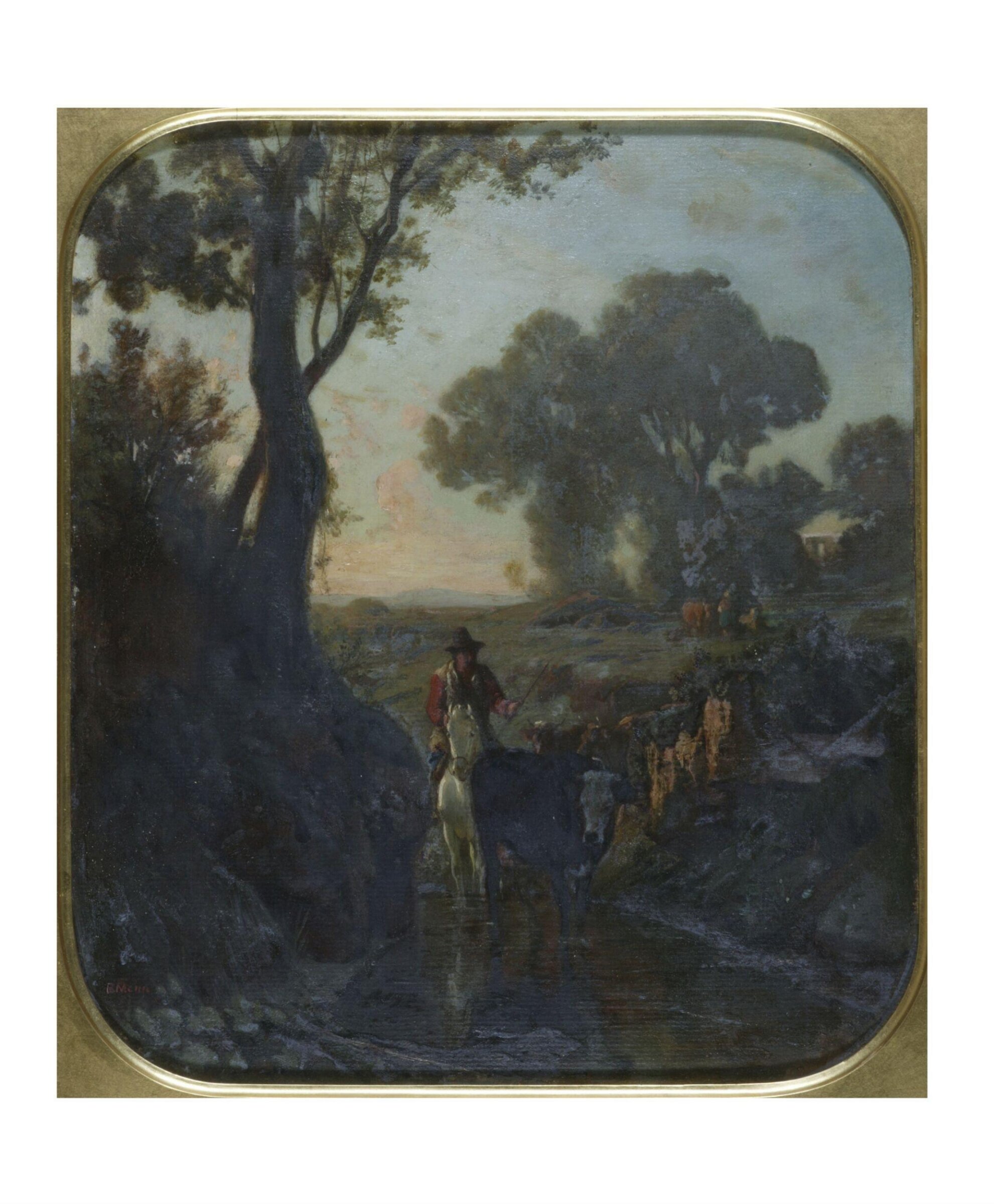
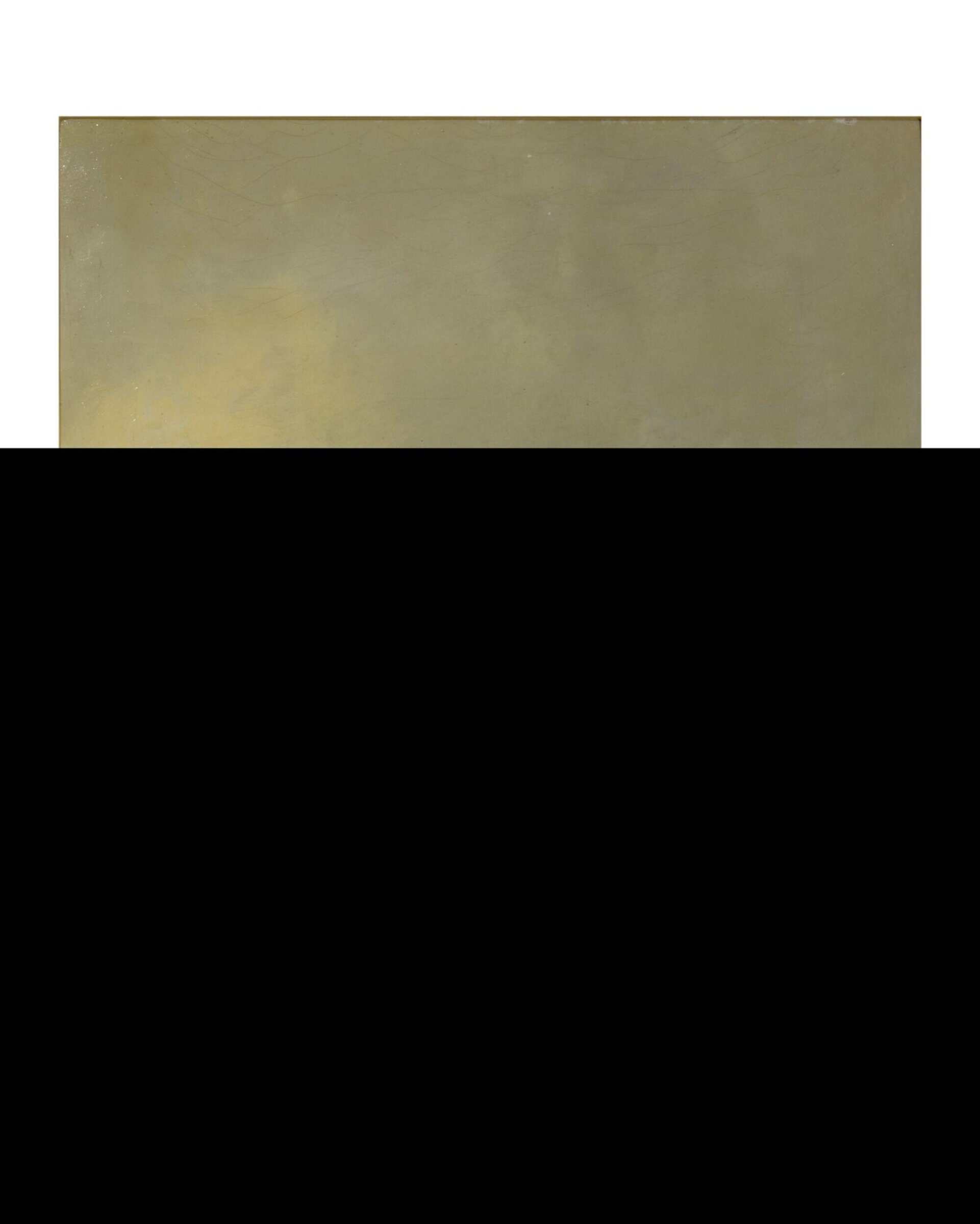
Barthélemy Menn (1815-1893) was born in Geneva where he was taught by W. A. Töpffer and subsequently by Léonard Lugardon (1801-1884), a former pupil of Ingres and Jean-Antoine Gros. Menn later studied with Ingres and followed him in Rome. He mostly produced portraits and landscapes close to the school of Barbizon although he made his debut with historical subjects. Menn taught two generations of painters including Maurice Dudevant, Georges Sand's son, and Ferdinand Hodler (1853-1918).
Read on
This painting is a fine example of Menn's transitional manner when he took his distance with history painting under the influence of Ingres and was attracted by a freer approach of nature developed by Corot and the school of Barbizon. The composition combines a landscape with a pleasant genre scene and is executed in a broader manner, which places the execution of the painting at the end of the 1850s. It shows a mountainous landscape, vaguely reminiscent of the Alps, with two figures, one of them, a man bending over a stream, recalling the classical figure of Narcissus. The interest in rural subject and the rendering of light in plein-air are typical of the Realist movement admired by Menn, which emerged in France in the 1840s.
Victoria and Albert Museum
Oplysninger
- Inventarnummer
- 1601-1869
What it shows
I kataloget
Kilder
- Victoria and Albert Museum: the museum's own open data · hentet for 9 dage siden
- Billede: Victoria and Albert Museum — © Victoria and Albert Museum, London