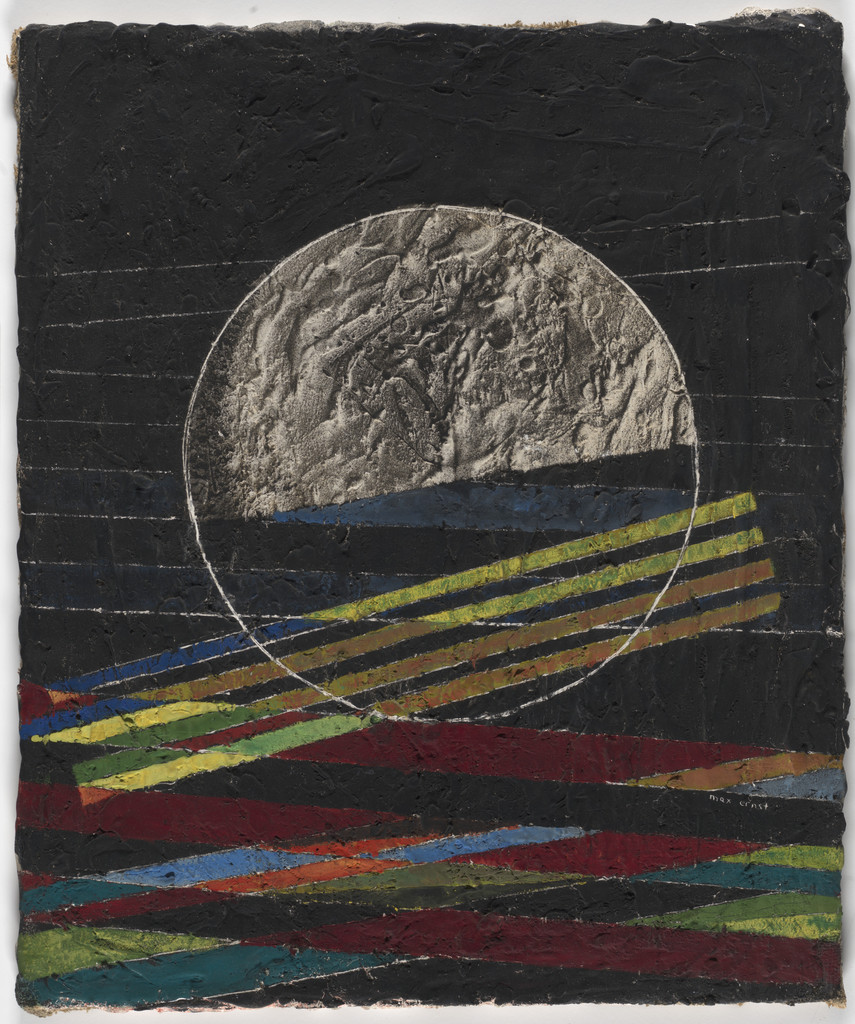
 Max ErnstFrankrig, 1891–1976
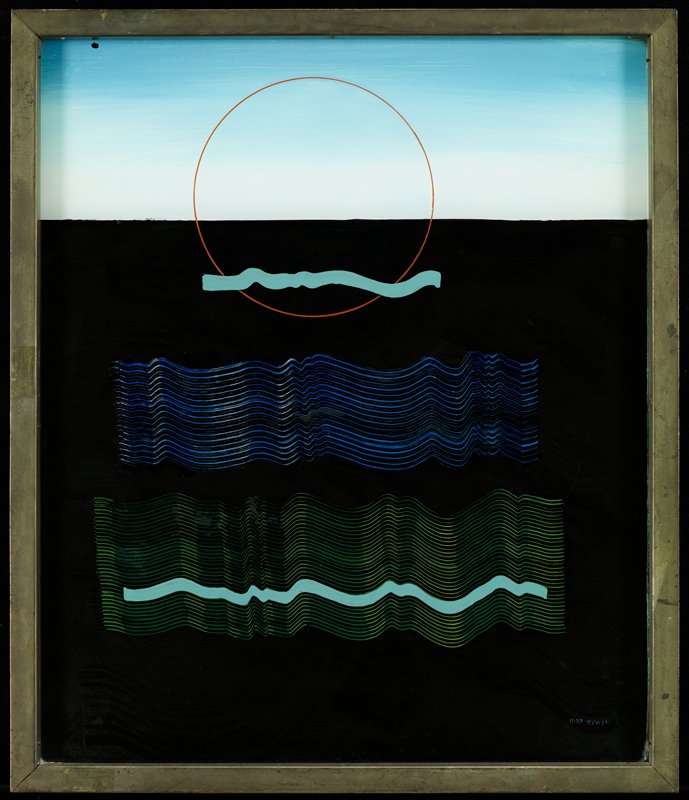
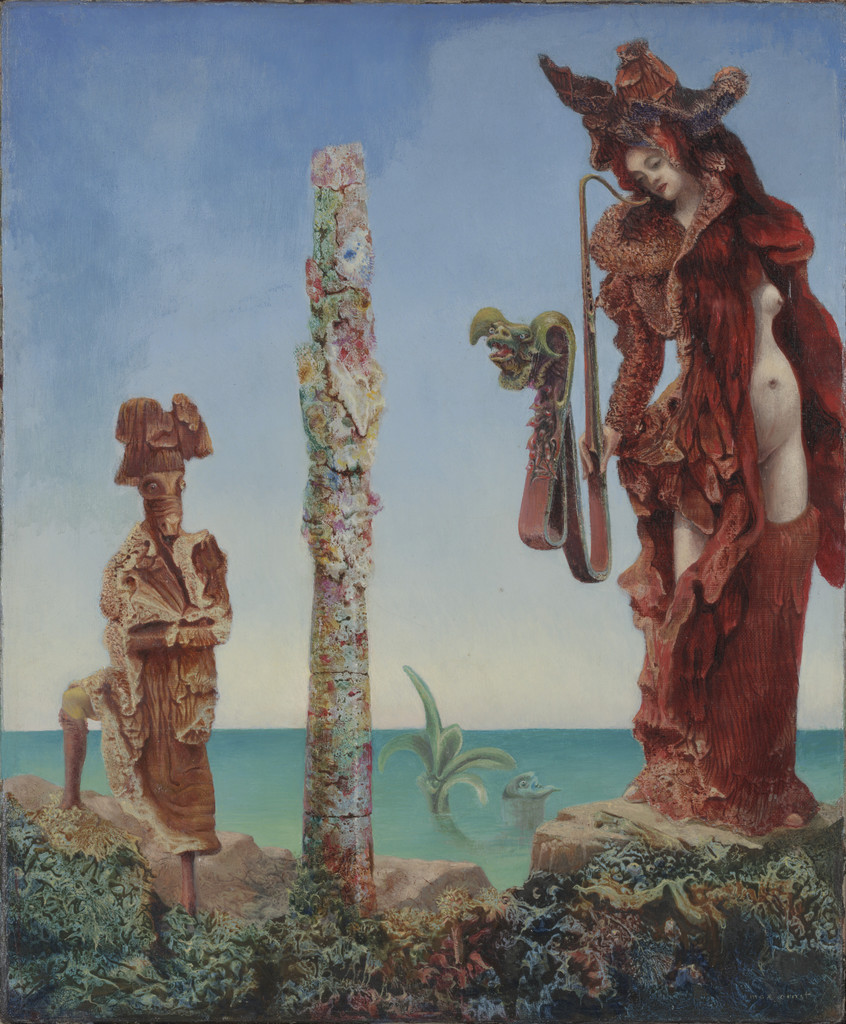
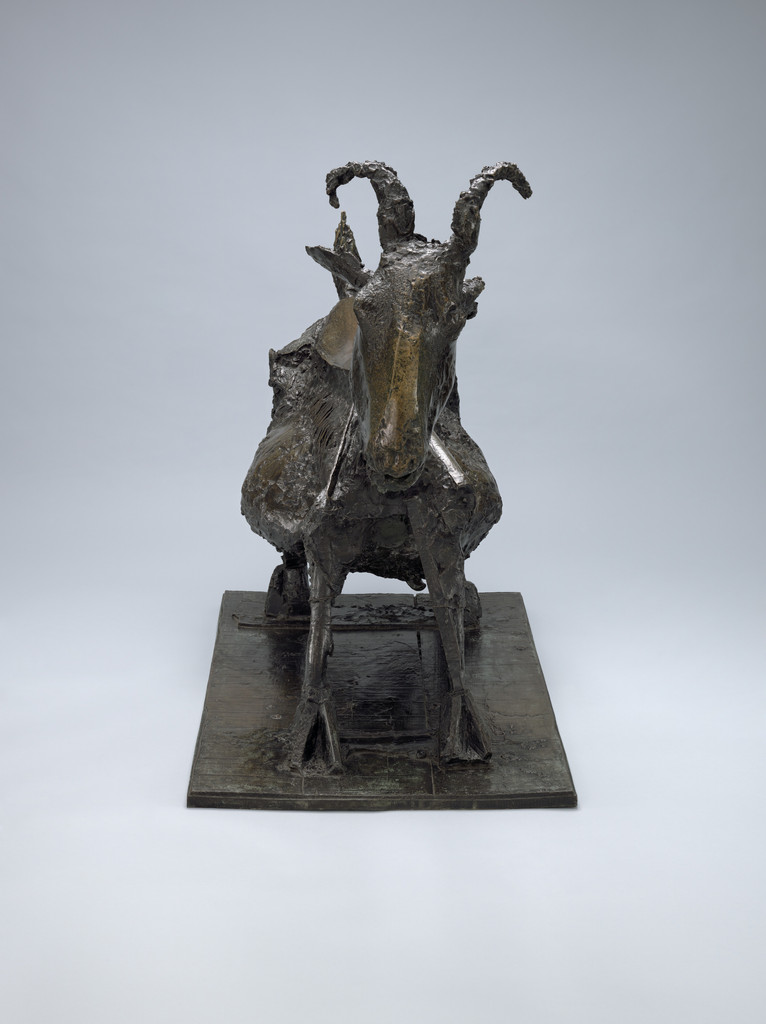
The Sea (Marine)
Må man se det?
Tager ikke imod for tiden

New York City, USA
Det hører til samlingen, men er ikke udstillet for tiden.
- Kontrolleret
- Kilde
- Museet
Oplysninger
- Inventarnummer
- 85.1936
I kataloget
Kilder
- Museum of Modern Art
- Billede: Museum of Modern Art — © the artist or rights holder
Imens i livet hos Max Ernst
Hele livet1926
“Histoire naturelle”: a portfolio of frottages
At Jeanne Bucher’s press Ernst published Histoire naturelle, a portfolio of drawings in the frottage technique, with an introduction by Hans Arp.
1926
The first large show at Galerie van Leer
In 1926 the Paris gallery van Leer held Ernst’s first large exhibition; in place of a preface the catalogue printed poems by Paul Éluard, Benjamin Péret and Robert Desnos.
1926
Diaghilev’s ballet and Breton’s scandal
In 1926 Ernst and Joan Miró designed Romeo and Juliet for Sergei Diaghilev’s company; Breton, indignant at the work with the Ballets Russes, made a scandal at the premiere, and in La Révolution surréaliste he and Aragon accused Ernst and Miró of belittling the idea of surrealism. The next issue, however, carried two of Ernst’s works with an apologia by Éluard.
1927
Married: Marie-Berthe Aurenche
1929
The collage novel “La Femme 100 têtes”
In 1929 appeared the graphic novel La Femme 100 têtes, some 150 drawings with the artist’s text and an address to the reader by André Breton. One of its characters was Loplop, the chief of the birds, who appeared in Ernst’s work again and again.