 RaphaelItalien, 1483–1520
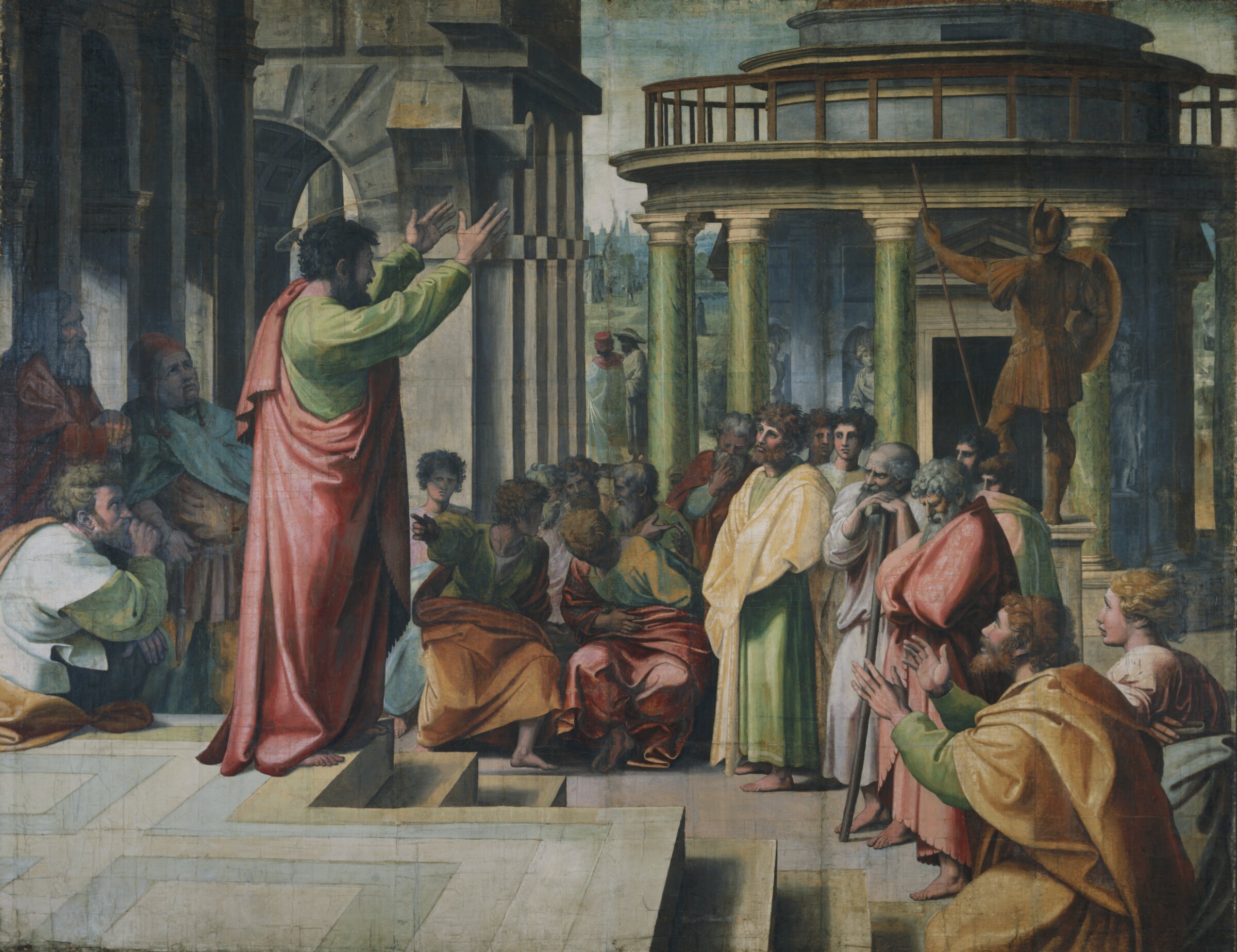
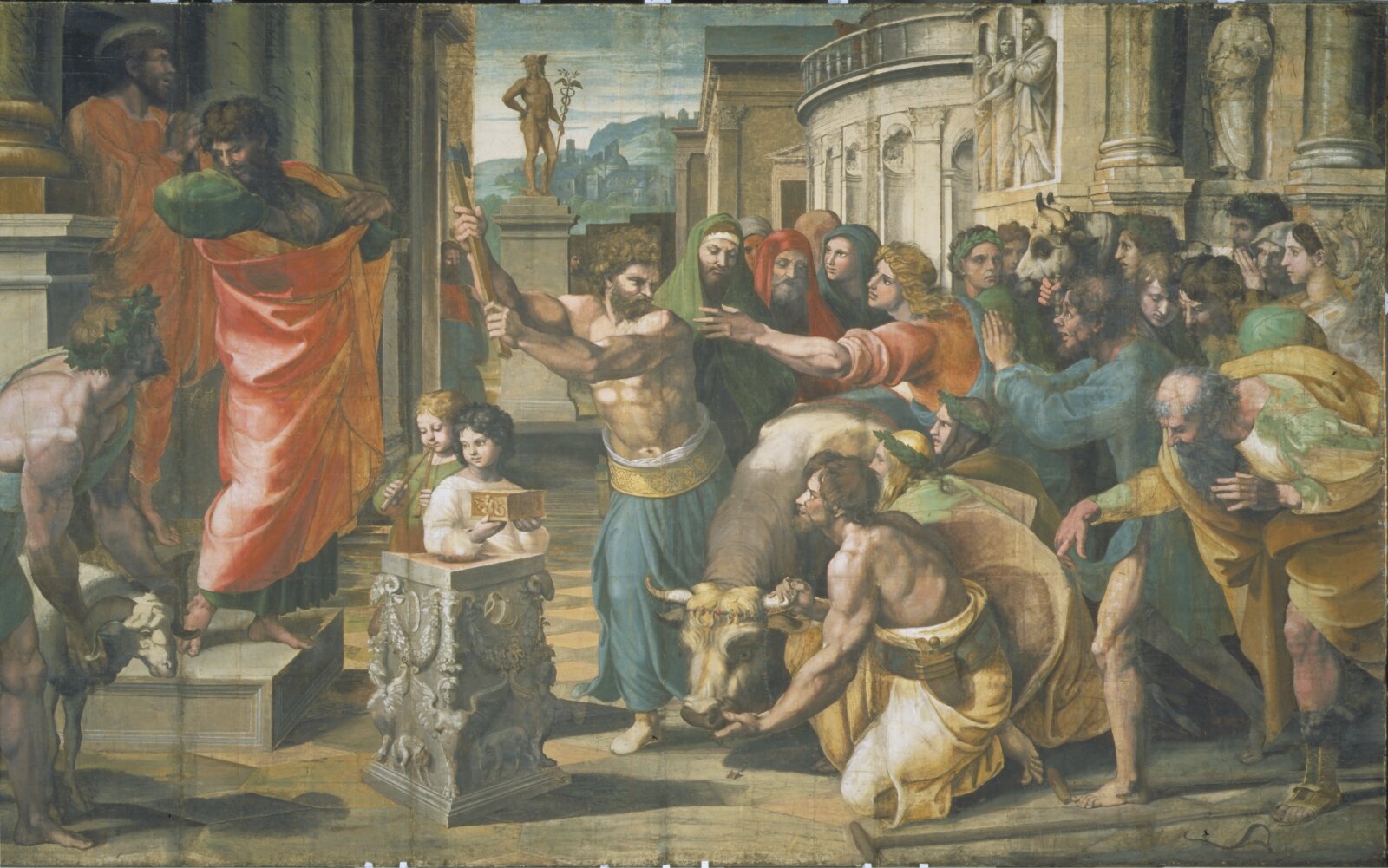
The Sacrifice at Lystra (Act 14: 8-18)
Kan det ses?
Ja, udstillet nu
Hvor er »The Sacrifice at Lystra (Act 14: 8-18)« i dag? Victoria and Albert Museum, Raphael, Room 48a, The Raphael Cartoons, London. Ja, udstillet nu. Kontrolleret 25. september 2026.

Lukket· åbner i morgen kl. 10.00
Udstillet for publikum.
- Kontrolleret
- Uændret siden
- Kilde
- Museet
Om værket
The Sacrifice at Lystra (Acts 14: 8-18)
Læs videre
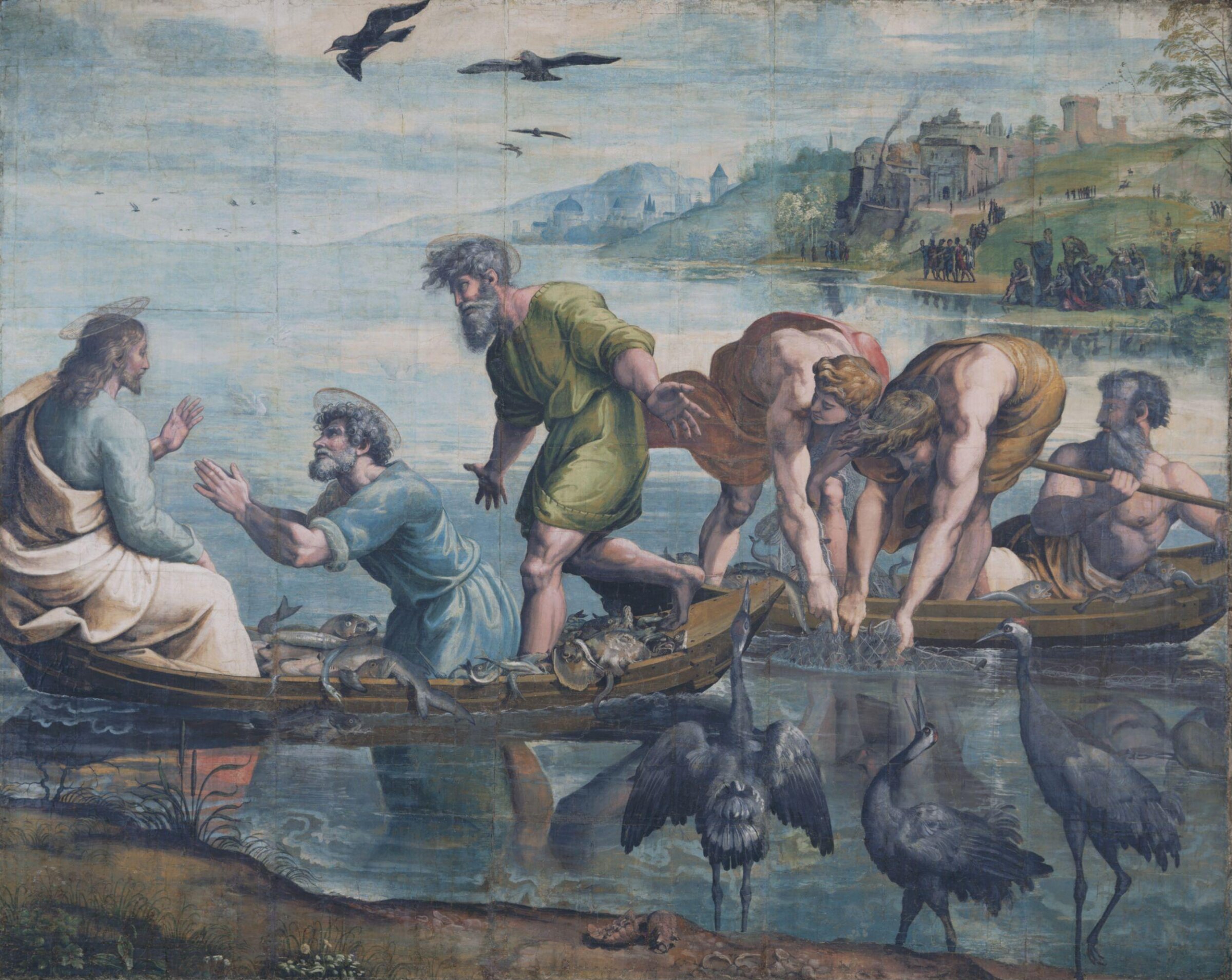
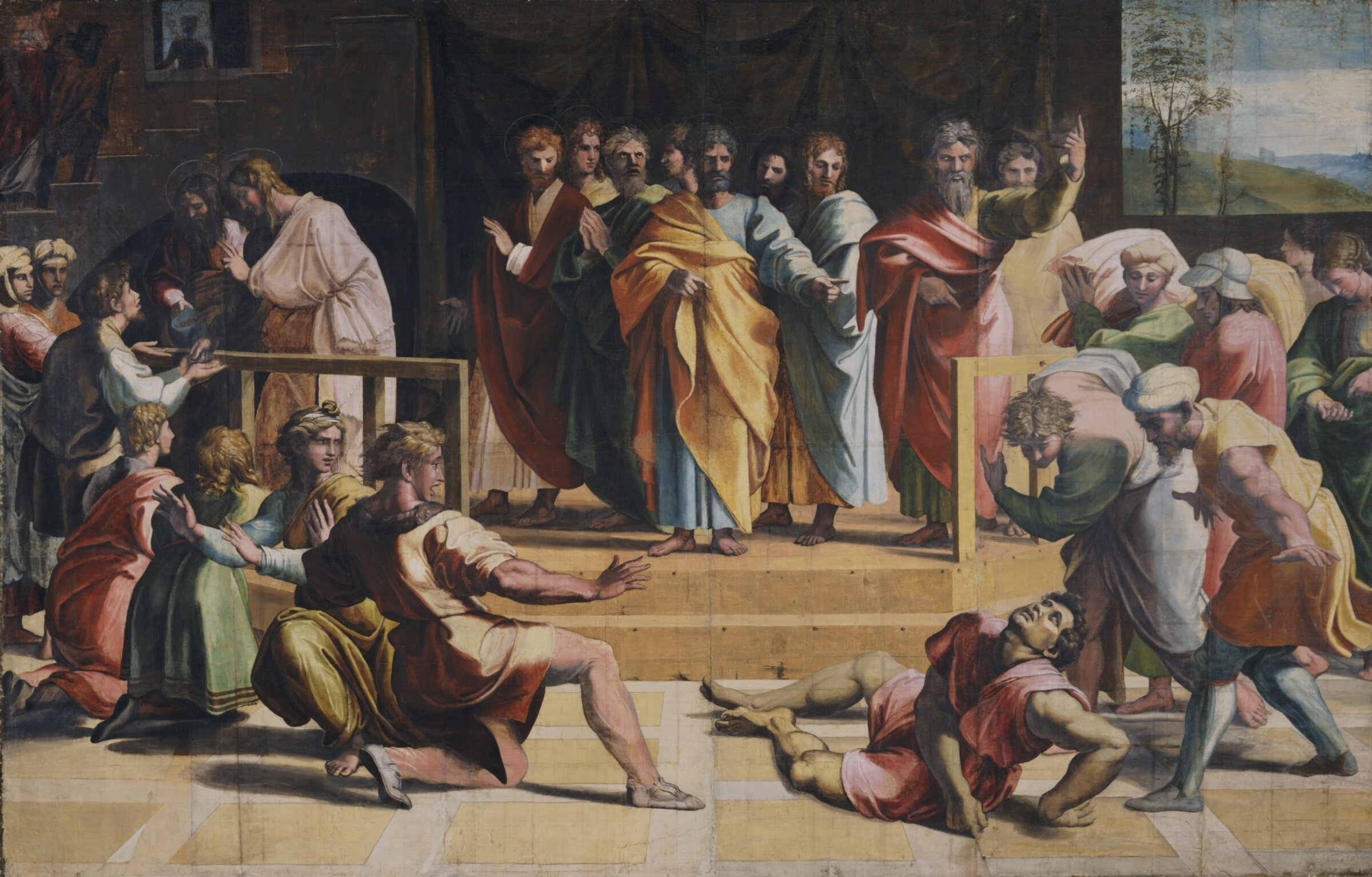
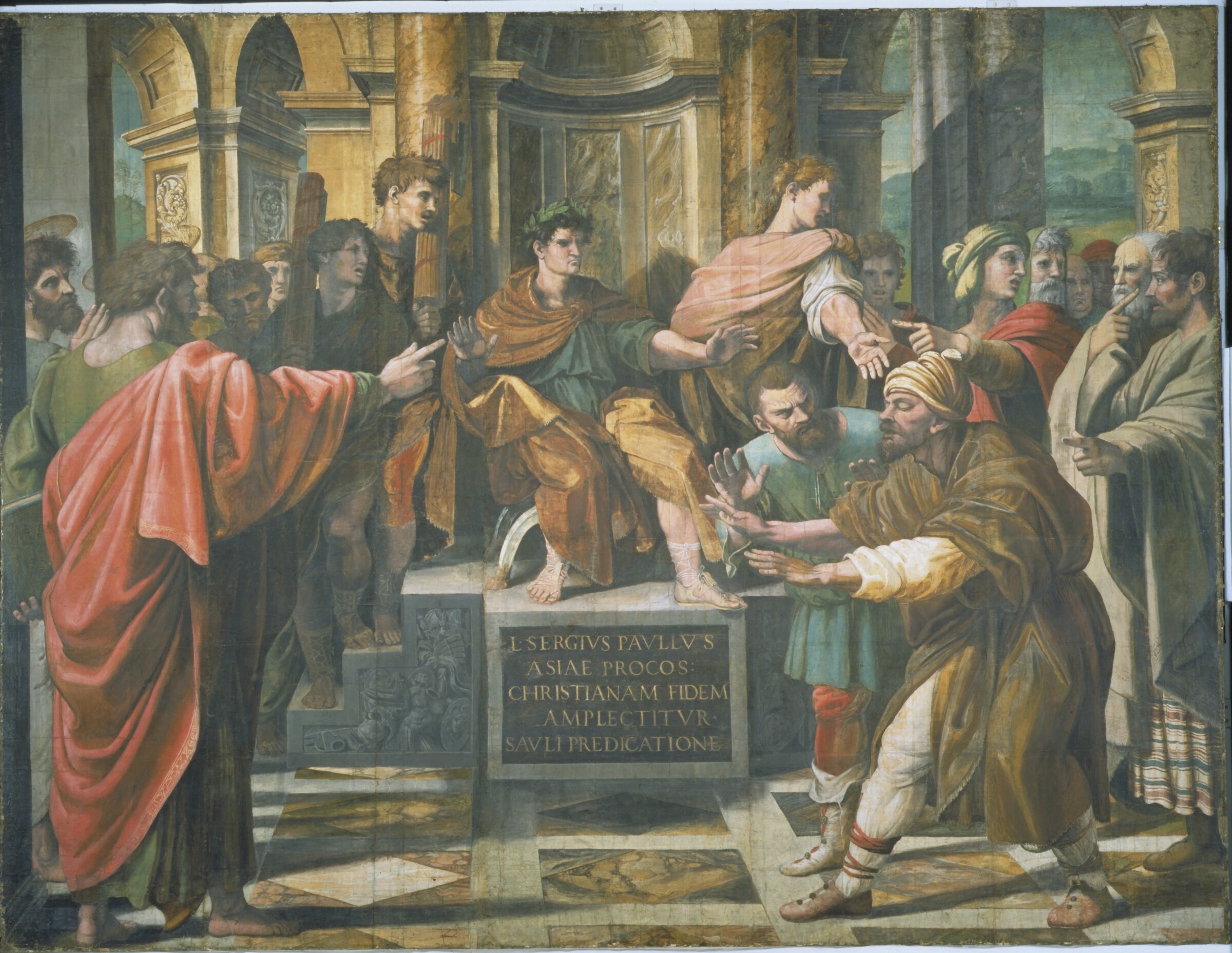
The Raphael Cartoons are designs for tapestries and were commissioned from Raphael by Pope Leo X (reg. 1513-21) shortly after his election in 1513. The tapestries were intended to hang in the Sistine Chapel in Rome, built by one of Leo's predecessors Pope Sixtus IV (reg. 1471-84). The Chapel was primarily intended for the use of the Pope and the body of clergy and Laity immediately surrounding him. The decoration of the chapel under Sixtus addressed the lives of Moses and Christ. The tapestries continued this theme, illustrating scenes from the lives of St. Peter and St. Paul who were seen as the founders of the Christian Church, and reinforcing the legitimity of the Pope's authority and power. The resulting tapestries had in addition woven borders showing scenes from Leo's life and from the lives of Saint Paul, also designed by Raphael: the cartoons for these have not survived.
This Cartoon shows how after witnessing the miraculous healing of a man, the inhabitants of Lystra mistake Paul and Barnabas for the local gods Jupiter and Mercury. They prepare to offer a sacrifice to them. Paul tears his clothes in dismay, while Barnabas try to stop the sacrifice, admonishing the Lystrians for their idolatry.
Victoria and Albert Museum
Oplysninger
- Inventarnummer
- ROYAL LOANS.6
I kataloget
Kilder
- Victoria and Albert Museum
- Billede: Victoria and Albert Museum — © Victoria and Albert Museum, London
Imens i livet hos Raphael
Hele livet1508–1520 · Virkested
Rome
1513
Leo X becomes pope
The death of Julius II did not interrupt the work: his successor, the Medici Pope Leo X, became Raphael's last and even closer patron, and Raphael's friend Cardinal Bibbiena was a close friend and adviser of the new pope.
1514
Chief architect of St Peter's
After Bramante's death Raphael became chief architect of the new St Peter's and continued Bramante's construction of the Vatican Loggias, whose vaults his pupils painted.
1514
Engaged to Maria Bibbiena
Raphael became engaged to Cardinal Bibbiena's niece Maria, apparently talked into it by his friend the cardinal and without much enthusiasm: the marriage had still not taken place when she died in 1520. A permanent fixture in his Roman life was “La Fornarina”, Margherita Luti, a baker's daughter.
1515
Prefect of the antiquities of Rome
Raphael was given powers as Prefect over all antiquities unearthed in Rome or within a mile of it: finds had to be reported to him within three days, and inscriptions could not be destroyed without permission. He wrote to the pope proposing ways to halt the destruction of ancient monuments and a survey to record them all.
1515
An exchange of works with Albrecht Dürer
Raphael gave Albrecht Dürer one of his drawings, and the German master sent him his self-portrait in return; its fate is unknown.