Rodin
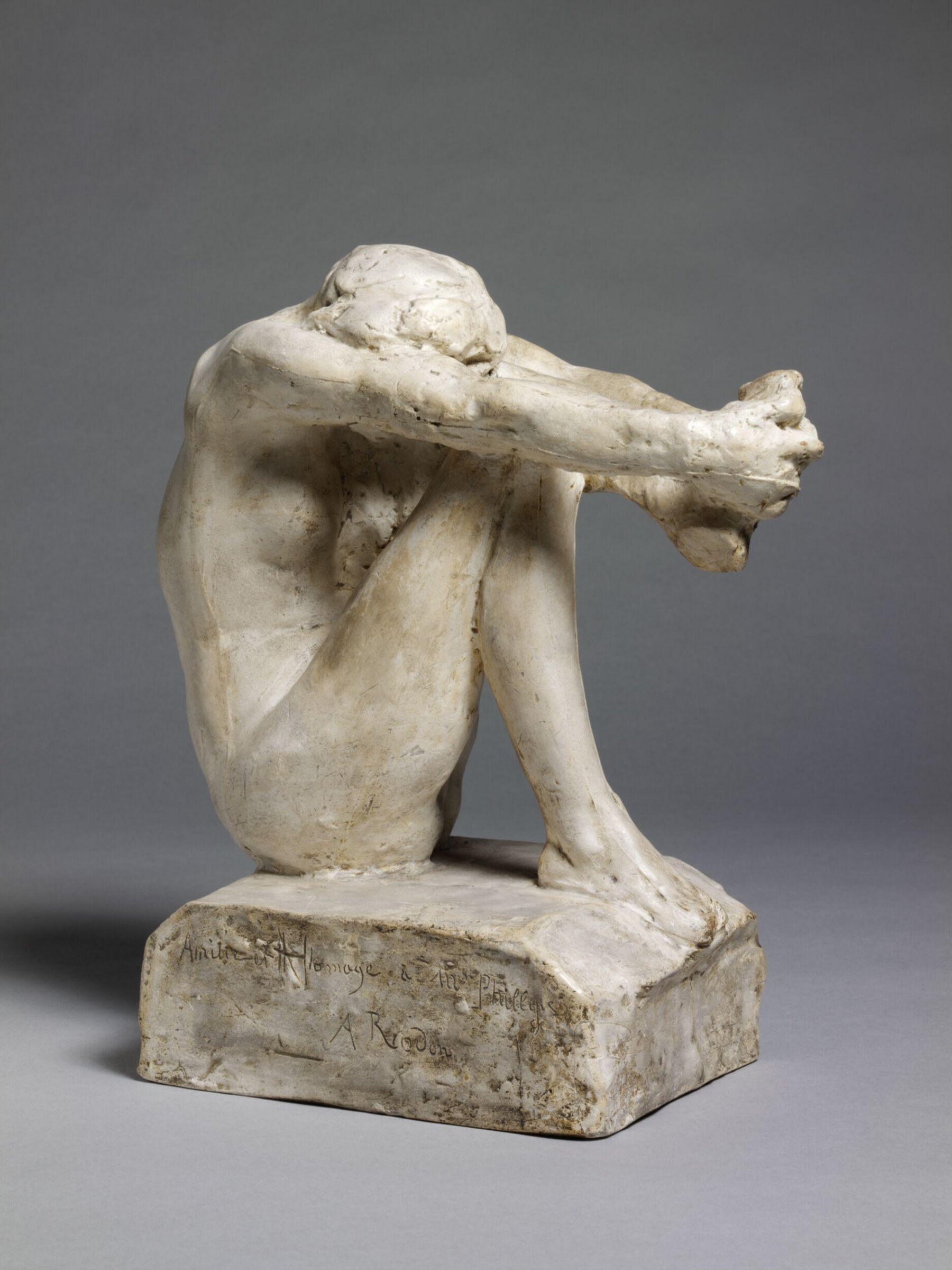
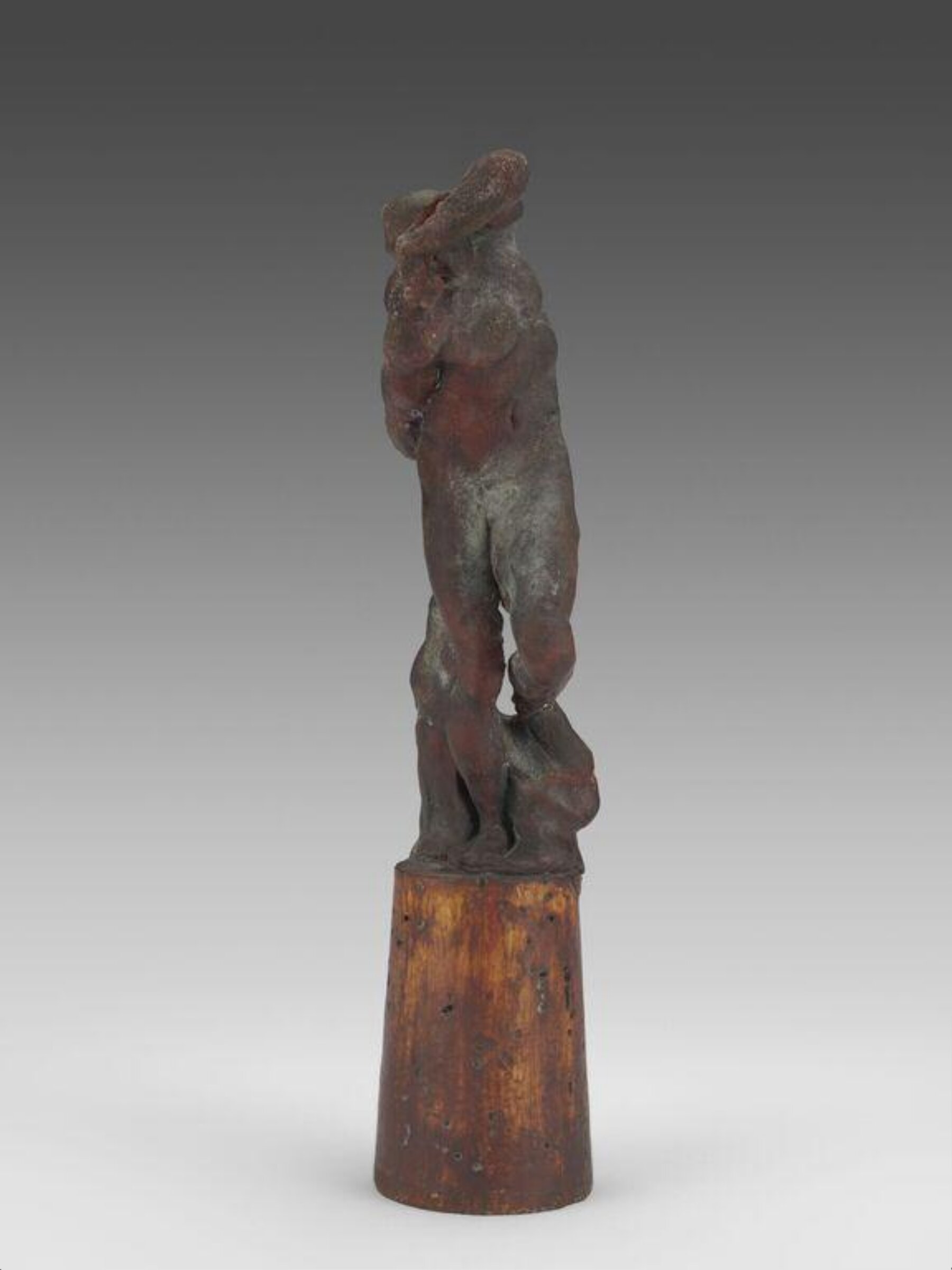
The Prodigal Son
Må man se det?
Ja, det tager imod

Victoria and Albert Museum
London, Storbritannien
SalSculpture, Room 21, The Dorothy and Michael Hintze Galleries
Udstillet for publikum. Hvem der står inde for det, står nedenfor.
- Kontrolleret
- for 9 dage siden
- Uændret siden
- 25. sep. 2026
- Kilde
- Museets egne samlingsdata
About the sculpture
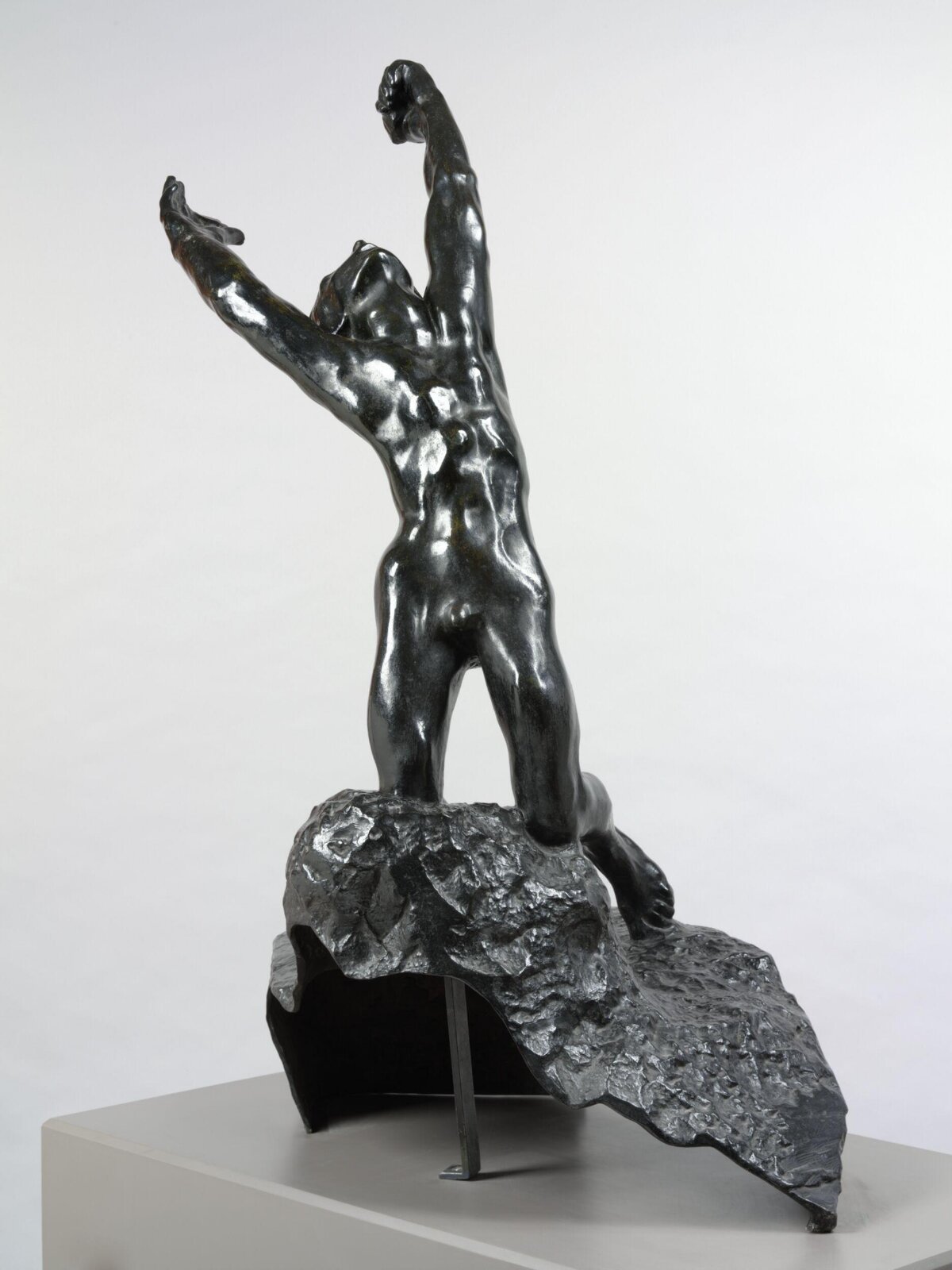
The Prodigal Son, with its many versions and adaptations, is an example of Rodin's reuse and adaptation of favourite themes and compositions. It is ultimately derived from a figure Rodin used in a group of 'Ugolino' - the head and torso are identical. Rodin then gave the figure different limbs and combined it with a fleeing female figure for the group called 'Fugit Amor' (Love Flees) on the 'Gates of Hell' bronze portal and doors for the new Museum of Decorative Arts, Paris, which he was asked to design in 1880. Finally in 1894 it was first exhibited as a single free-standing figure, with the title 'The Child of the Century'. The figure is highly characteristic of Rodin's search for dramatic expression in 1880s. Rodin described his work: 'I emphasised the protrusion of the muscles to express distress… I exaggerated the tendons that mark the fervour of the prayer'.
Read on
The title of 'The Prodigal Son' is from the biblical parable of the son who, having spent all his money, returns to his father and throws himself at his feet, begging for forgiveness. Other titles it has been given include 'The Prayer of the Abandoned Child' and even 'The Dying Warrior'.
Victoria and Albert Museum
Oplysninger
- Inventarnummer
- A.34-1914
I kataloget
Kilder
- Victoria and Albert Museum: the museum's own open data · hentet for 9 dage siden
- Billede: Victoria and Albert Museum — © Victoria and Albert Museum, London