 Richard Cockle LucasStorbritannien, 1800–1883
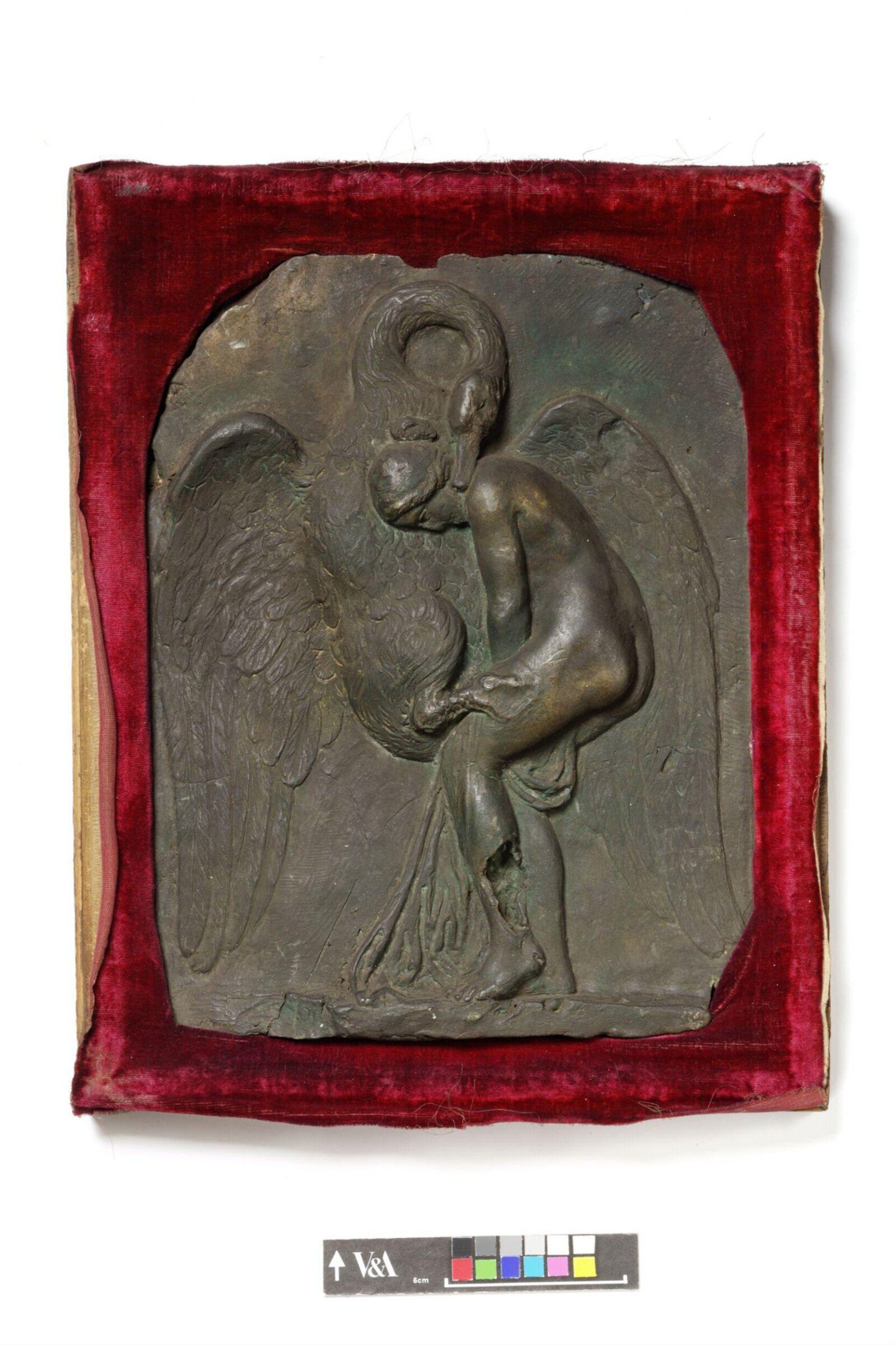
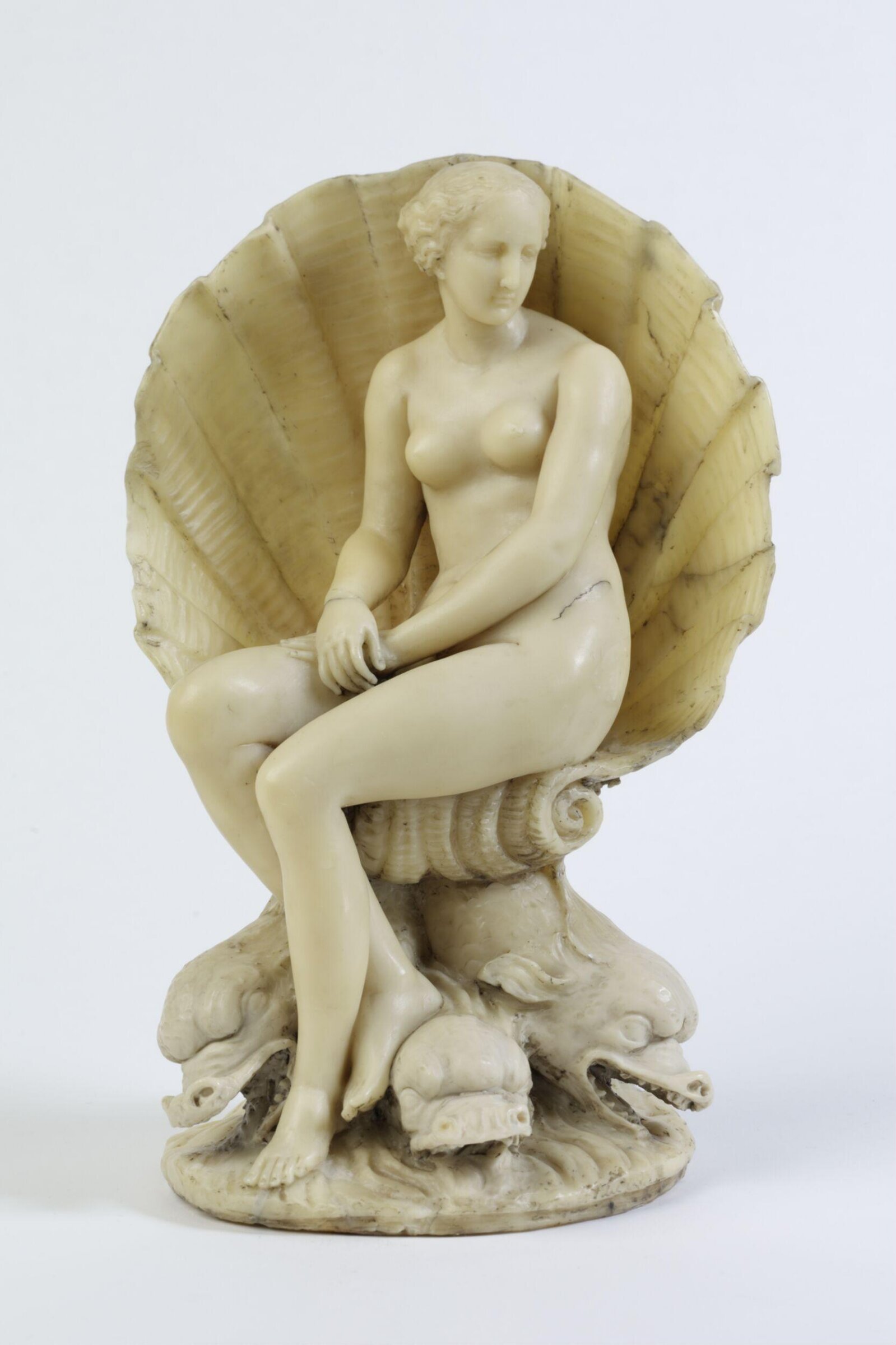
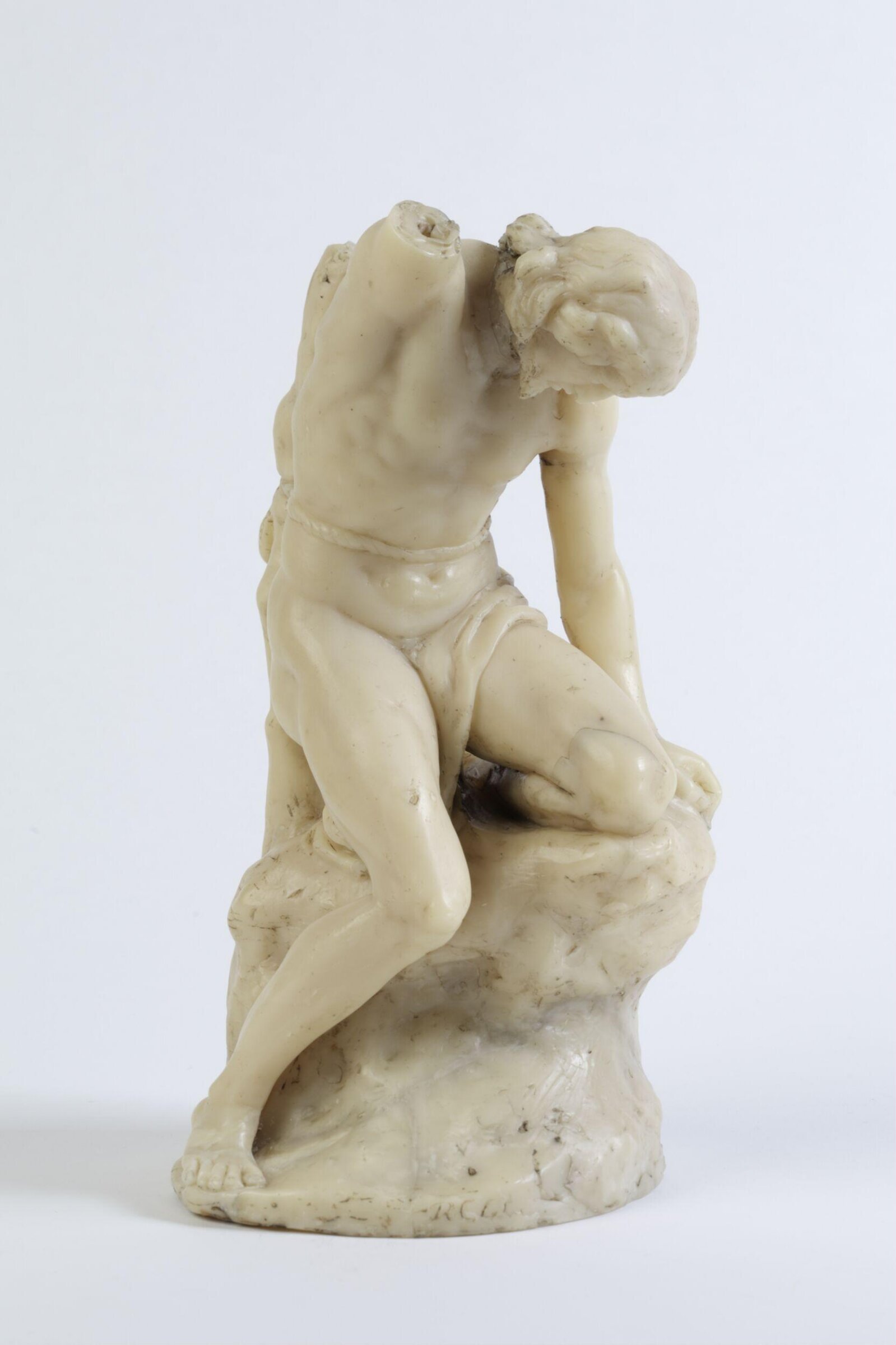
The Crouching Venus
Kan det ses?
Ikke udstillet lige nu
Hvor er »The Crouching Venus« i dag? Samling: Victoria and Albert Museum, London. Ikke udstillet lige nu. Kontrolleret 25. september 2026.

London, Storbritannien
Det hører til samlingen, men er ikke udstillet for tiden.
- Kontrolleret
- Uændret siden
- Kilde
- Museet
Om skulpturen
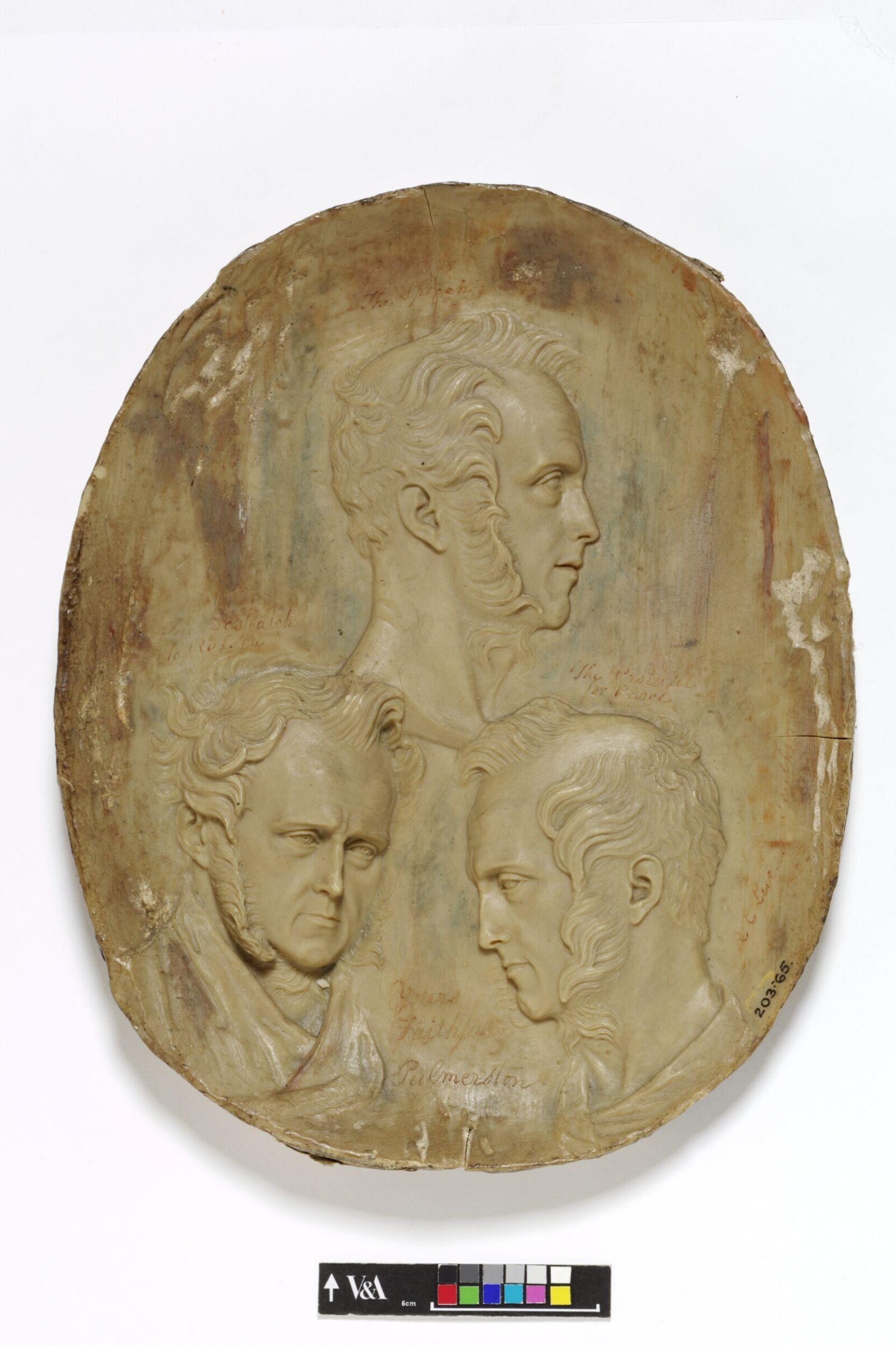
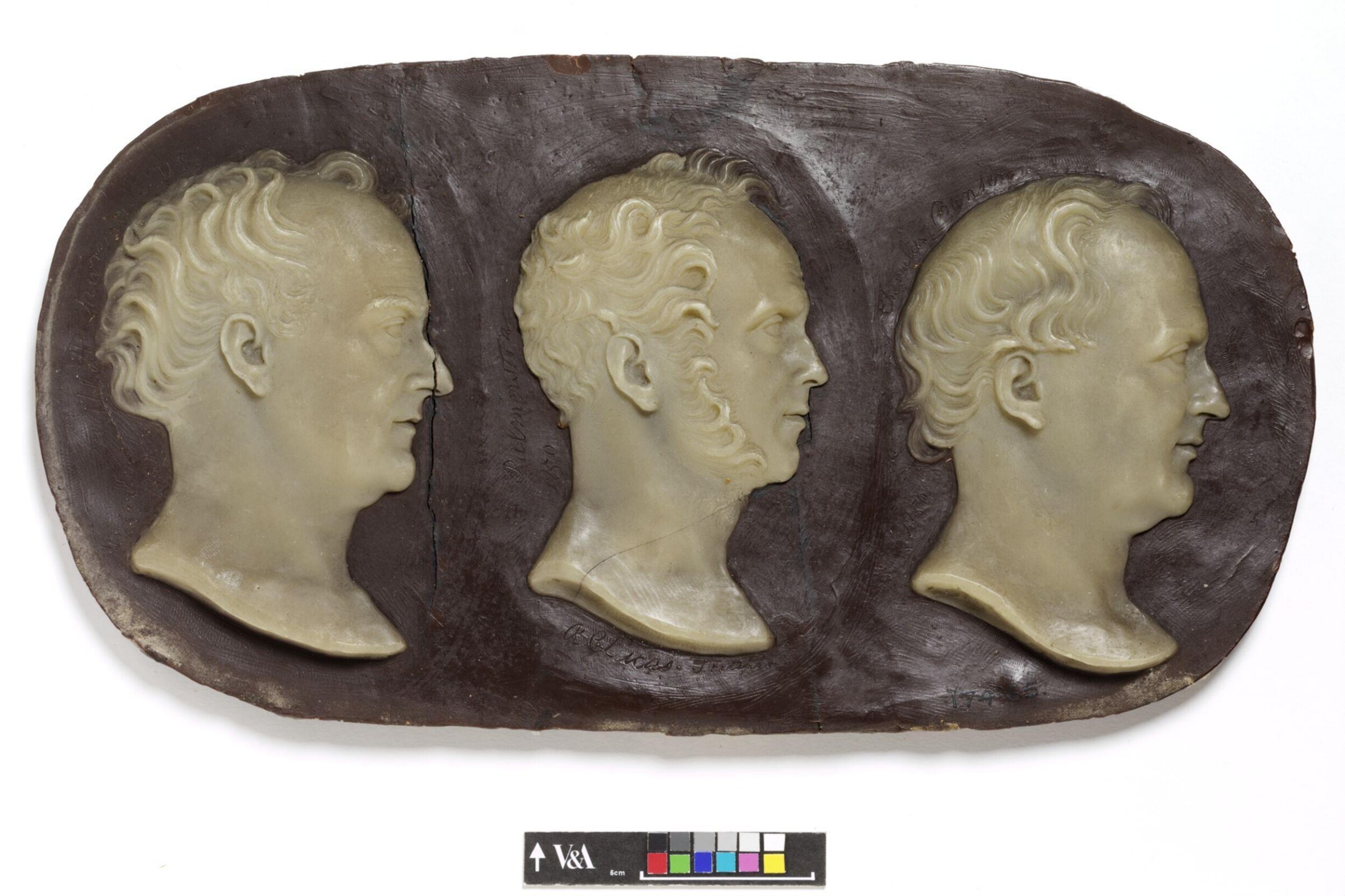
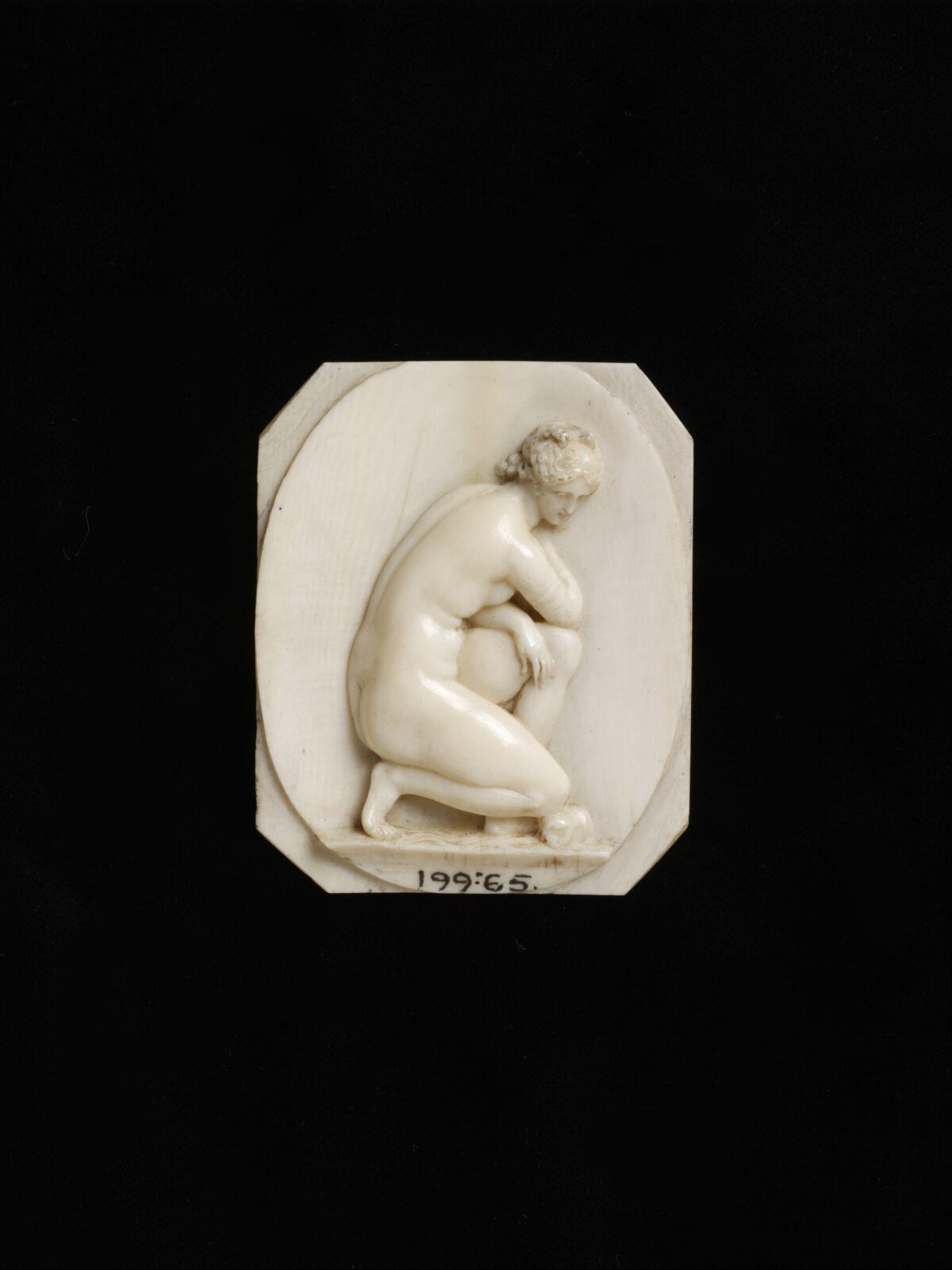
This is an ivory plaque made by Richard Cockle Lucas in ca. 1840-65 in Britain. The plaque is carved in high relief and represents the Crouching Venus.
Richard Cockle Lucas (1800-1883) is mainly known as a sculptor in wax and ivory, but he also worked in glass, marble and bronze, as well as being a painter. Lucas began his career as a sculptor as an apprentice to his uncle, who worked as a cutler in Winchester, carving knife handles. He joined the Royal Academy Schools in 1828 and studied under Richard Westmacott. Lucas made two models of the Parthenon, in its original state and after the explosion of 1687, which were acquired by the British Museum. He is best known for his small scale works including wax sculptures and ivory carvings. He exhibited at the Royal Academy between 1829 and 1859 and showed ivory carvings and imitation bronzes at the Great Exhibition in 1851.
Læs videre
The Crouching Venus is based on a classical source, the Hellenistic life- size marble figure of Venus/Aphrodite, the goddess of beauty, after a lost Greek original, which was famed as an ideal female nude in Europe from the baroque period onwards. This figure is known in a number of versions, one of which has been in the British royal collection since the seventeenth century, and is now on long-term loan to the British Museum, London (Haskell and Penny 1981, cat. no. 86). In his small ivory relief, Lucas shows the kneeling figure nude save for the armlet on her right arm. Her right knee leans on an irregularly shaped stone, and a line of rippling water (not seen in the antique source) is shown beneath her bent leg. Her elaborately coiffured head turns towards the viewer, though she looks downwards towards the water, perhaps in the act of bathing, and seems in this respect more modest than the classical prototype, where the figure looks outwards, engaging directly with the spectator.
Victoria and Albert Museum
Oplysninger
- Inventarnummer
- 199-1865
Hvad det viser
I kataloget
Kilder
- Victoria and Albert Museum
- Billede: Victoria and Albert Museum — © Victoria and Albert Museum, London