 Thomas LawrenceStorbritannien, 1769–1830
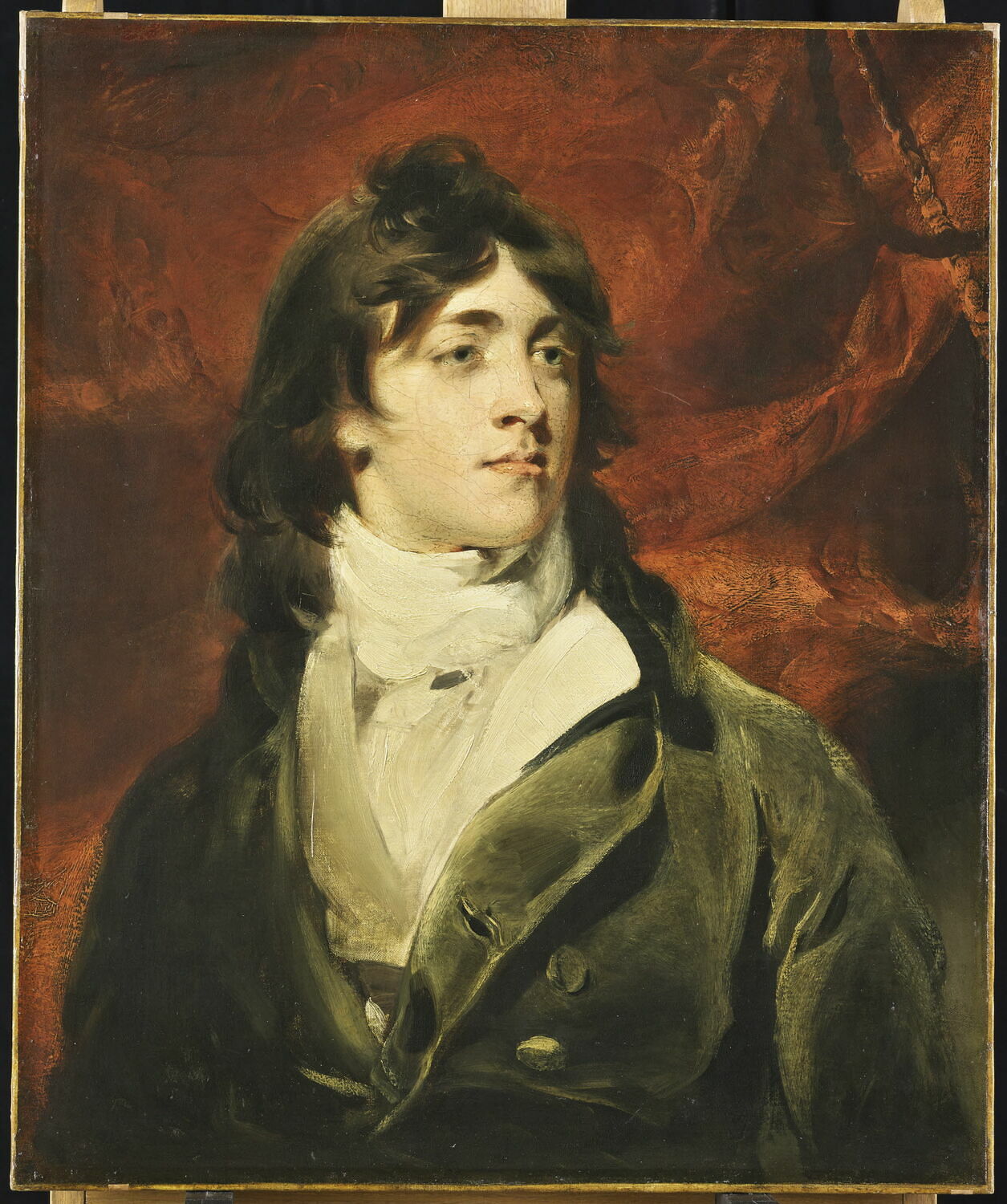
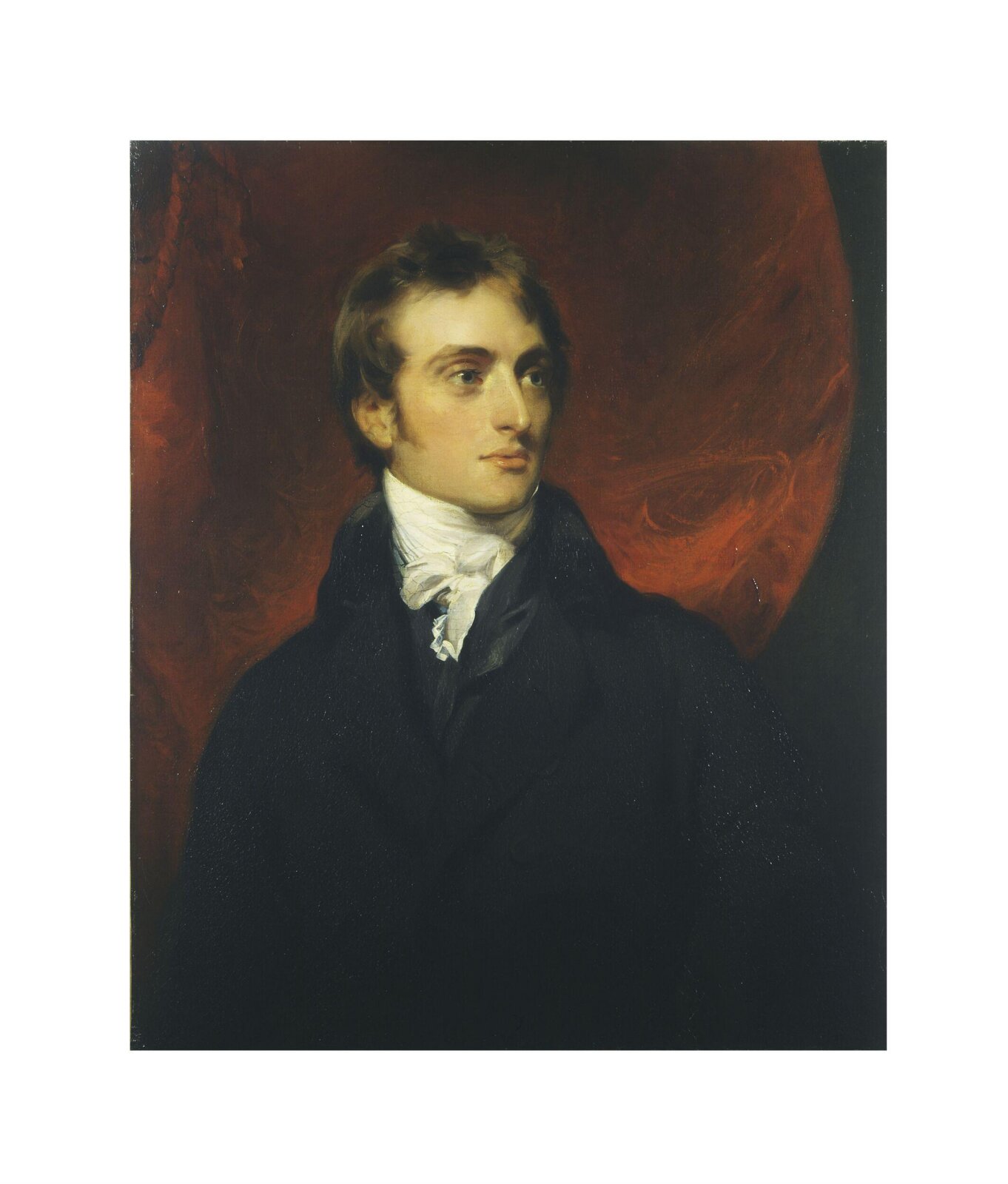
Sir Codrington Edmund Carrington
Kan det ses?
Ja, udstillet nu
Hvor er »Sir Codrington Edmund Carrington« i dag? Victoria and Albert Museum, British Galleries, Room 52a, London. Ja, udstillet nu. Kontrolleret 25. september 2026.

Lukket· åbner i morgen kl. 10.00
Udstillet for publikum.
- Kontrolleret
- Uændret siden
- Kilde
- Museet
Om maleriet
Object Type
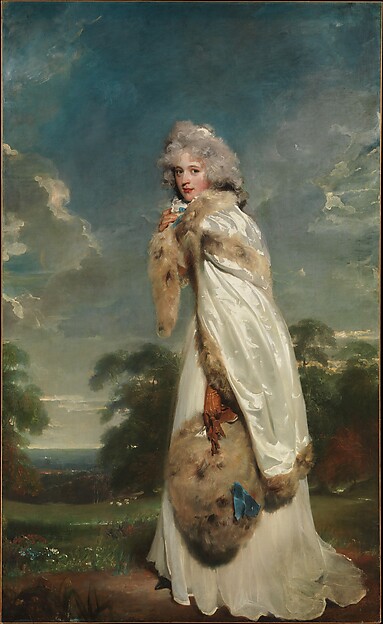
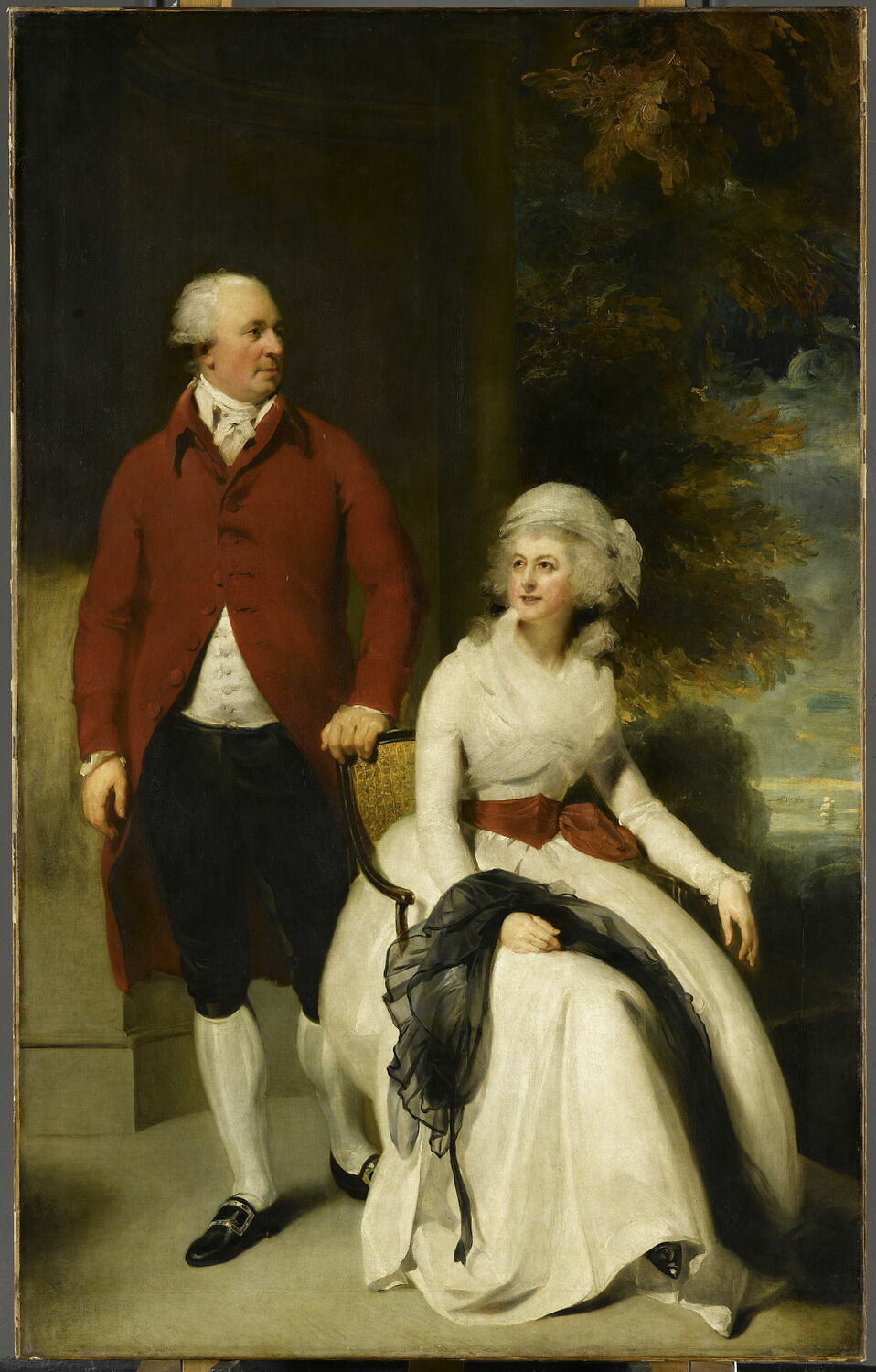
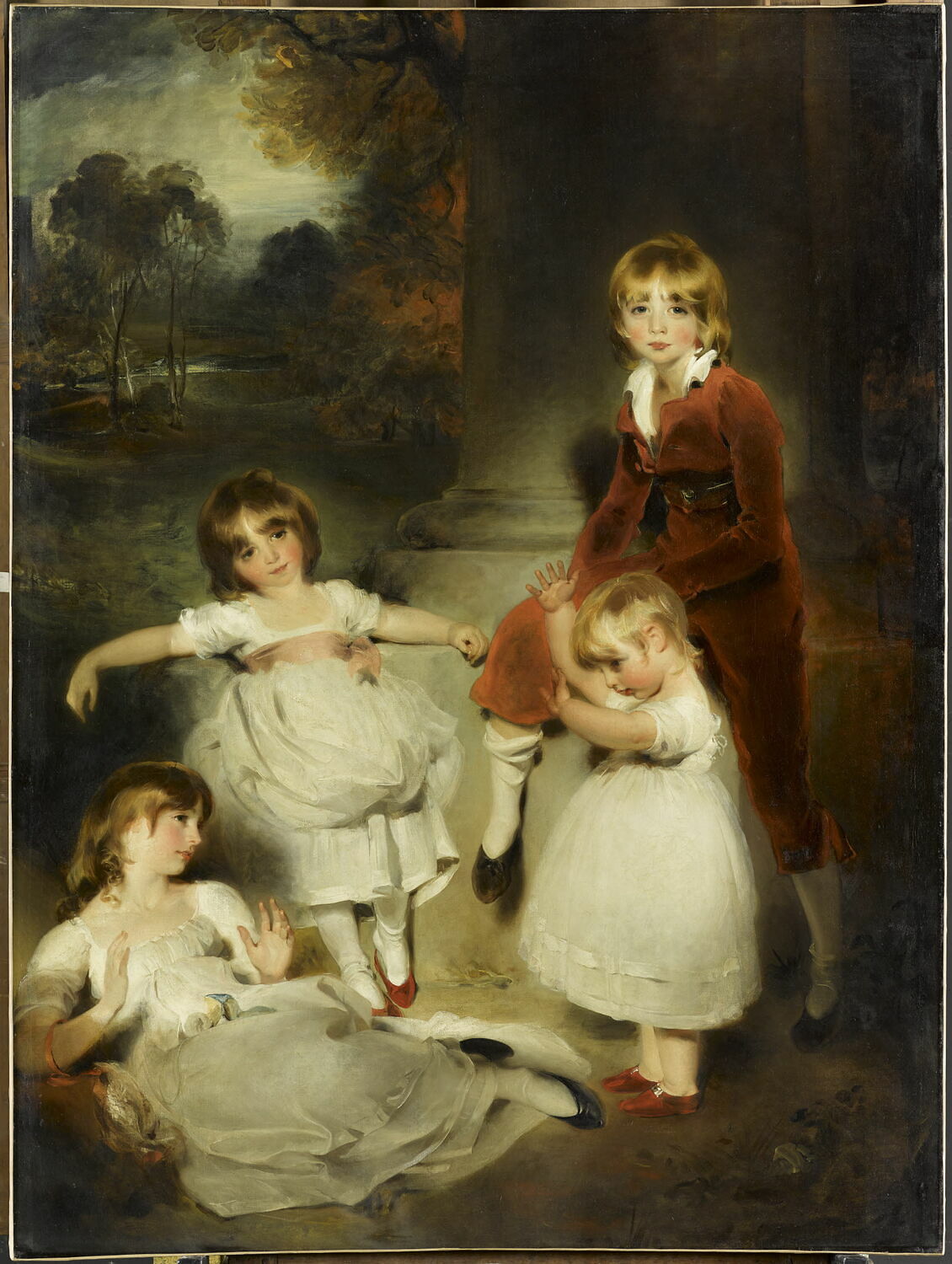
At the beginning of the 19th century, the expansion of British trade overseas created many more opportunities for individuals to acquire greater wealth and status. To proclaim their new position in society, people would often commission a portrait by a fashionable artist.
People
Lawrence was regarded in his own generation as the true successor to Anthony van Dyck (1599-1641) and Sir Joshua Reynolds (1723-1792). He combined a highly skilled technique with a sensitive rendering of character and his dashing, romantic portraits were in great demand.
Subjects Depicted
Læs videre
Sir Codrington Edmund Carrington was a member of an aristocratic family which owned extensive plantations in Barbados. He claimed descent from Sir Michel de Carrington, standard-bearer to Richard I (1157-1199). Sir Edmund was knighted in June 1801 and appointed first Chief Justice of the Supreme Court in Ceylon. In August of the same year he married his first wife, Paulina. The V&A has a companion portrait of Paulina, also by Lawrence. Both portraits were probably commissioned to celebrate this marriage and promotion before Sir Edmund left England to take up his post.
Victoria and Albert Museum
Oplysninger
- Inventarnummer
- 1359-1874
I kataloget
Kilder
- Victoria and Albert Museum
- Billede: Victoria and Albert Museum — © Victoria and Albert Museum, London
Imens i livet hos Thomas Lawrence
Hele livet1800s
A witness in the “Delicate Investigation” into the Princess
The King commissions portraits of his daughter-in-law Caroline, the estranged wife of the Prince of Wales, and of his granddaughter Charlotte; while painting them Lawrence stays at Montagu House, the princess’s residence in Blackheath, and becomes implicated in the “delicate investigation” into Caroline’s morals. He swears an affidavit that although he had sometimes been alone with her the door was never locked or bolted, and, expertly defended by Spencer Perceval, he is exonerated.
from 1802
The studio: assistants for replicas of his portraits
To keep up with the demand for replicas of his portraits, Lawrence employs studio assistants: Samuel Lane works for him from 1802 until the master’s death, and the assistants also include William Etty and George Henry Harlow.
1803
Meeting Isabella Wolff
Isabella, wife of the Danish consul Jens Wolff, sits for her portrait and becomes one of the two women who provide Lawrence with companionship, along with his friend Elizabeth Croft; in 1810 she separates from her husband. Lawrence was famed for the time he took over his paintings: Isabella waits twelve years for her portrait to be finished.