ART WIKI32.963 udstillet
KortSamlingKunstnereMuseerUdstillingerJournal
Log ind

ART WIKI

Hvor mesterværket hænger, og hvornår man bliver lukket ind.

Samlinger: Art Institute of Chicago, Det Russiske Museum, Eremitagen, Getty Villa, Harvard Art Museums, Hirshhorn Museum and Sculpture Garden, J. Paul Getty Museum, Louvre, Metropolitan Museum of Art, Minneapolis Institute of Art, Museum of Modern Art, National Gallery of Art, National Museum of Asian Art, National Portrait Gallery (Smithsonian), Pusjkinmuseet, Rijksmuseum Amsterdam, Smithsonian American Art Museum, Statens Museum for Kunst, The Cleveland Museum of Art, Tretjakovgalleriet, Victoria and Albert Museum, Whitney Museum of American Art, Ruslands statskatalog over museumsfonden (274 museer), Europeana (19 museer), Wikidata (6 museer), Paris Musées (12 museer) og Joconde, det franske kulturministeriums museumsdatabase (495 museer). Billederne tilhører deres rettighedshavere.

Afsnit

  • Kort
  • Søgning
  • Samling
  • Mesterværker
  • Udstillet nu
  • Kunstnere

Mere

  • Museer & gallerier
  • Udstillinger
  • Journal
  • Hvor data kommer fra
  • Privatliv & cookies
ForsideKortKatalog
  1. Samling/
  2. Victoria and Albert Museum/
  3. Salisbury Katedral set fra biskoppens jorde
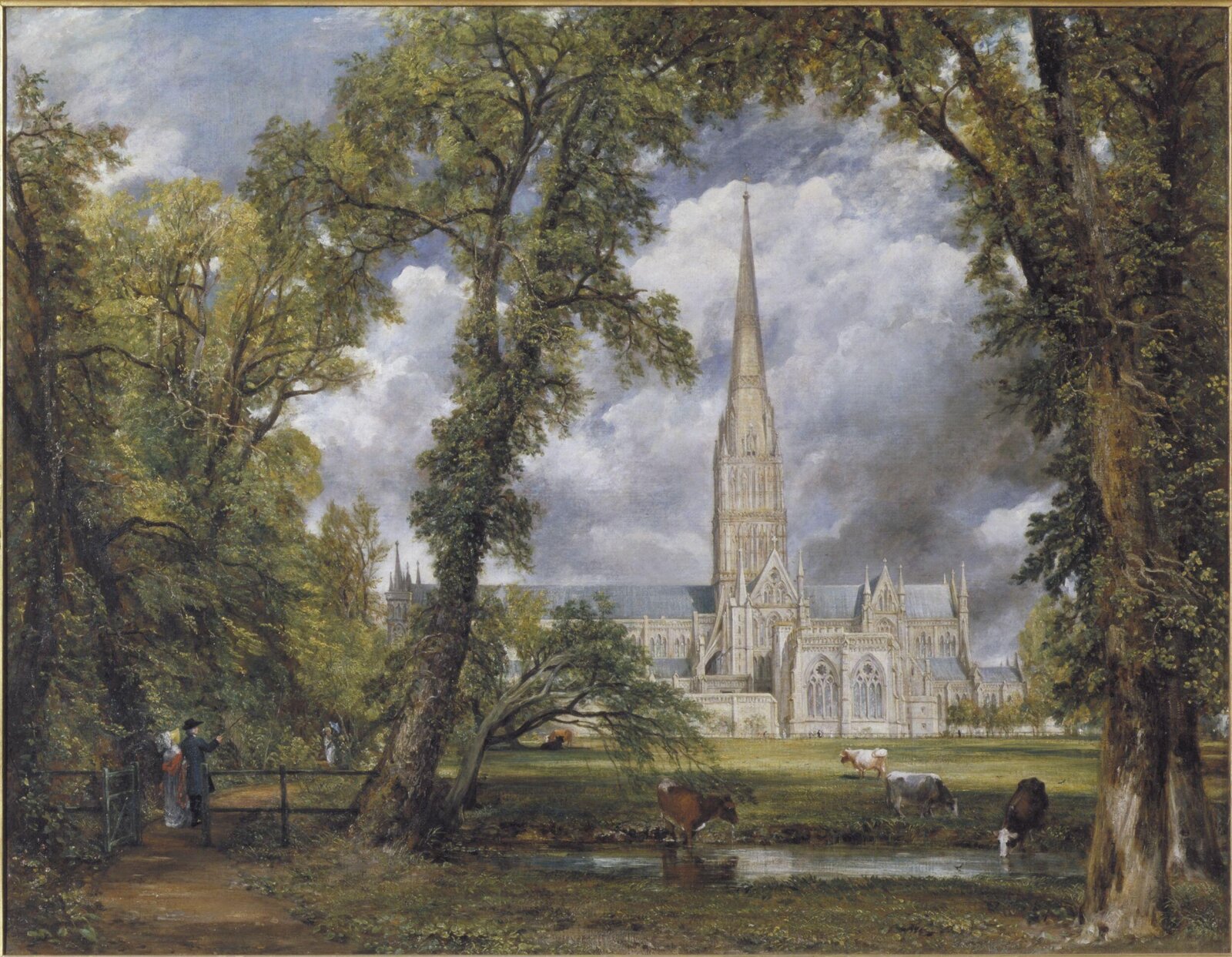
Salisbury Katedral set fra biskoppens jorde, John Constable, 1823

Salisbury Katedral set fra biskoppens jorde

Salisbury Cathedral from the Bishop's Ground

1823 · Oil painting · 87.6 × 111.8 cm

Om maleriet

Salisbury Katedral set fra biskoppens have blev malet i 1823 af den engelske landskabsmaler John Constable (1776-1837). Dette maleri af en af Englands mest kendte middelalderkirker er et af hans mest berømte værker. Det blev bestilt af en af hans nærmeste venner, biskoppen af Salisbury, John Fisher.

Constable besøgte Salisbury i 1820 og udførte en række olieskitser som forarbejder til værket, som han har malet i flere udgaver. Til denne udgave valgte han et udsigtspunkt i biskoppens have. Biskoppen udpeger nederst til venstre den solbeskinnede katedral for sin kone, mens en af deres døtre, Dorothea, går hen ad stien mod sine forældre.

Læs videre

Da Constable besøgte udstillingen af maleriet i 1823 ved Royal Academy, bemærkede han: "Min katedral ser godt ud... Det har været det vanskeligste landskabsmotiv, jeg nogensinde har haft på mit staffeli. Jeg er ikke veget uden om arbejdet med vinduer, stræbepiller osv. – men jeg har som sædvanlig fundet en løsning ved hjælp af uklarheden i chiaroscuro". (Beckett, p. 115)

En tidligere udgave viste katedralen under en overskyet himmel. Biskop John Fisher gjorde imidlertid indsigelse mod den mørke sky over katedralen og bad om en "mere skyfri himmel", da han bestilte endnu en udgave.

Maleriet har alle det britiske landskabsmaleris kendetegn: skyerne, træerne, en eng, kvæg, der drikker ved søens bred og middelalderkirkens storslåede arkitektur – alt ud fra en menneskelig målestok. Malerier som dette har påvirket synet på det landlige England, så det nu er vanskeligt at forestille sig en tid, da landskabet og livet på landet ikke blev værdsat.

Imens i livet hos John Constable

Hele livet
  1. 1821

    “The Hay Wain” at the Royal Academy

    The picture, shown as “Landscape: Noon”, found no buyer, but it was seen by the painter Théodore Géricault and the writer Charles Nodier. According to Delacroix, Géricault went back to France quite stunned and invited Constable to Paris, while Nodier urged French artists to look to nature rather than to trips to Rome.

  2. 1821

    “I should paint my own places best”

    In a letter to his friend John Fisher in 1821 Constable wrote that he should paint his own places best, and that painting is but another word for feeling. The Dedham Vale around his home came to be known as “Constable Country”.

  3. 1824

    The Paris Salon: a gold medal

    The Anglo-French dealer John Arrowsmith bought The Hay Wain and other works, and in 1824 they were shown at the Paris Salon, where they caused a sensation. The Hay Wain was awarded a gold medal by Charles X.

  4. 1824

    Delacroix repaints the background of “The Massacre at Chios”

    After seeing Constable’s pictures at Arrowsmith’s gallery, Delacroix repainted the background of his Massacre at Chios, saying the paintings had done him a great deal of good. In his journal he noted that Constable’s meadow greens are a combination of many different shades.

  5. 1824–1828

    The family in Brighton for Maria’s health

    When Maria began to show symptoms of tuberculosis, Constable took lodgings for the family in Brighton in the hope that sea air would restore her health, dividing his time between Brighton and Charlotte Street in London. He was unsure at first that Brighton suited painting, and complained to Fisher that the beach was only Piccadilly by the sea.

Mere af John Constable

Alle værker

Naboer på Victoria and Albert Museum

Museets side

Om samme emne · Træ

Alle værker om emnet

Wikipedia · CC BY-SA

Med museets ord

Object Type

Landscape painting in oils steadily became more popular during the 19th century. John Constable and his contemporary J.M.W. Turner take credit for establishing landscape as a significant subject. Until then, history paintings had been considered more important, but increasingly naturalistic paintings of picturesque views of the British landscape appealed to a wider section of the art-buying public.

People

Læs videre

Dr John Fisher, Bishop of Salisbury, commissioned this painting in 1820. He and his family were some of Constable's closest friends and the artist taught one of his daughters. There has been some confusion over the identities of the figures in the painting but they are now thought to be the Bishop and his wife at the gate, and the figure a little further down the path, one of their daughters, probably Dolly. Constable had made a series of sketches before starting work on the canvas, and after it had been exhibited at the Royal Academy in 1823, he was asked to make a smaller version and a full-scale replica.

Subjects Depicted

The painting embodies the full range of qualities of a quintessentially British landscape painting - the clouds, trees, a water meadow, cattle drinking at the edge of the pasture and the glorious architecture of a medieval cathedral - but all on a human scale. Paintings like this one have so conditioned our view of rural Britain that it is now difficult to imagine a time when the countryside and country life were not held in such high regard.

Victoria and Albert Museum

Oplysninger

1823 · 47 år gammel
17761837
Inventarnummer
FA.33[O]

Kilder

  • Victoria and Albert Museum
  • Billede: Victoria and Albert Museum — © Victoria and Albert Museum, London
  • 1825

    A quarrel with Arrowsmith: the French market is lost

    In 1825 Constable quarrelled with Arrowsmith and lost his French outlet, perhaps partly from worry over his wife’s health, the uncongenial life at Brighton and the pressure of outstanding commissions. In a few years he had sold more than twenty pictures in France, more than he sold at home.

  • John Constable, portrætJohn ConstableStorbritannien, 1776–1837

    Må man se det?

    Tager ikke imod for tiden

    Victoria and Albert Museum

    London, Storbritannien

    Det hører til samlingen, men er ikke udstillet for tiden.

    Kontrolleret
    for 12 dage siden
    Uændret siden
    25. sep. 2026
    Kilde
    Museet
    På kortetMuseets side
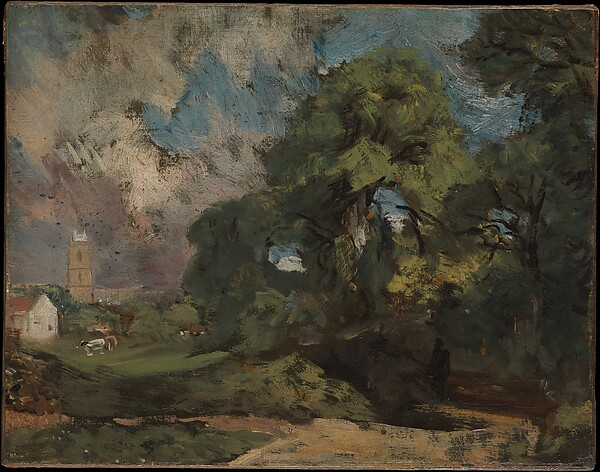
    Stoke-by-Nayland, John Constable, ca. 1810–11

    Stoke-by-Nayland

    ca. 1810–11 · Metropolitan Museum of Art

    Wivenhoe Park, Essex, John Constable, 1816

    Wivenhoe Park, Essex

    1816 · National Gallery of Art

    The White Horse, John Constable, 1818-1819

    The White Horse

    1818-1819 · National Gallery of Art

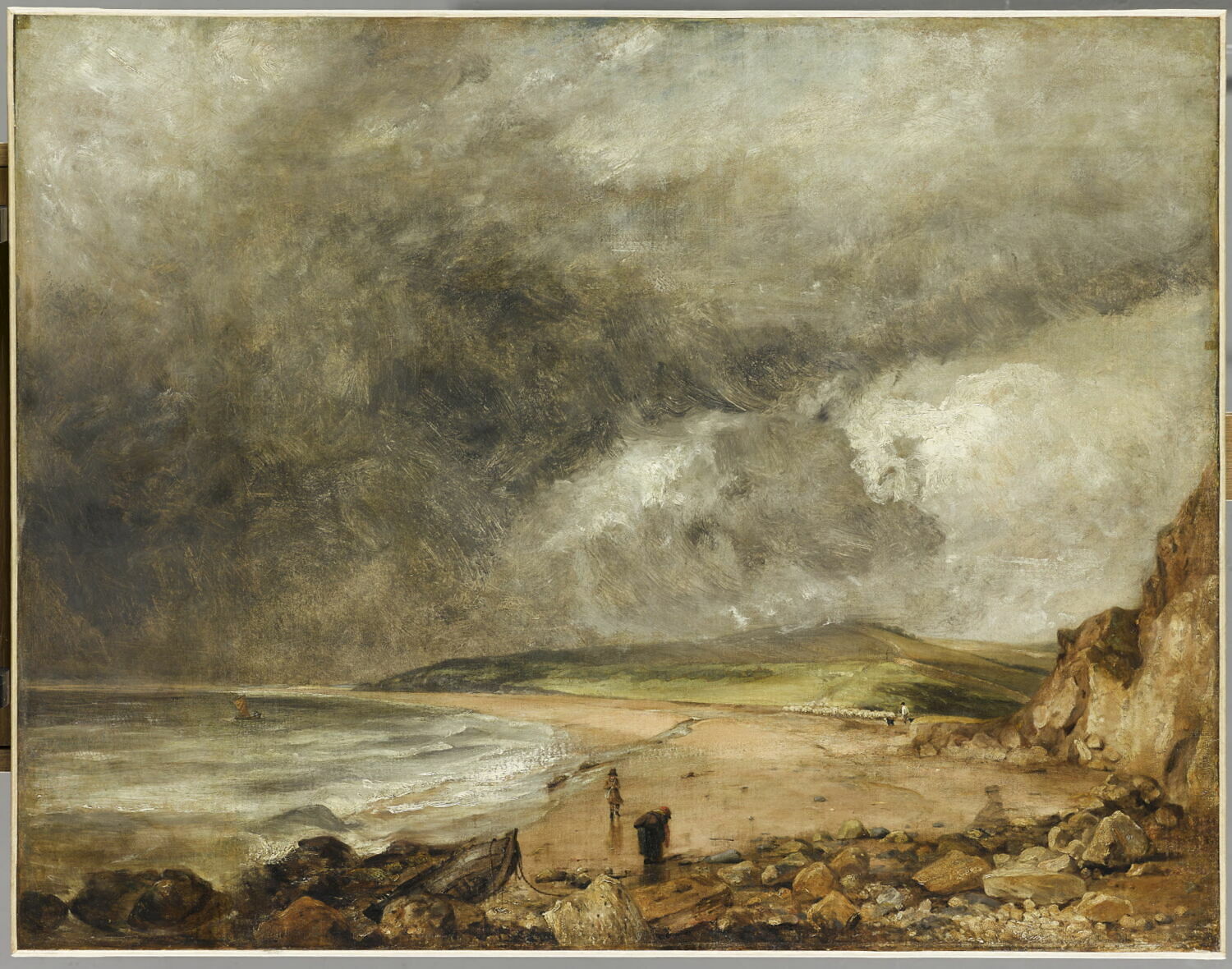
    La baie de Weymouth à l'approche de l'orage, Constable, John, 1e quart du XIXe siècle (1818 - 1819)

    La baie de Weymouth à l'approche de l'orage

    1e quart du XIXe siècle (1818 - 1819) · Louvre

    Salisbury Cathedral from Lower Marsh Close, John Constable, 1820

    Salisbury Cathedral from Lower Marsh Close

    1820 · National Gallery of Art

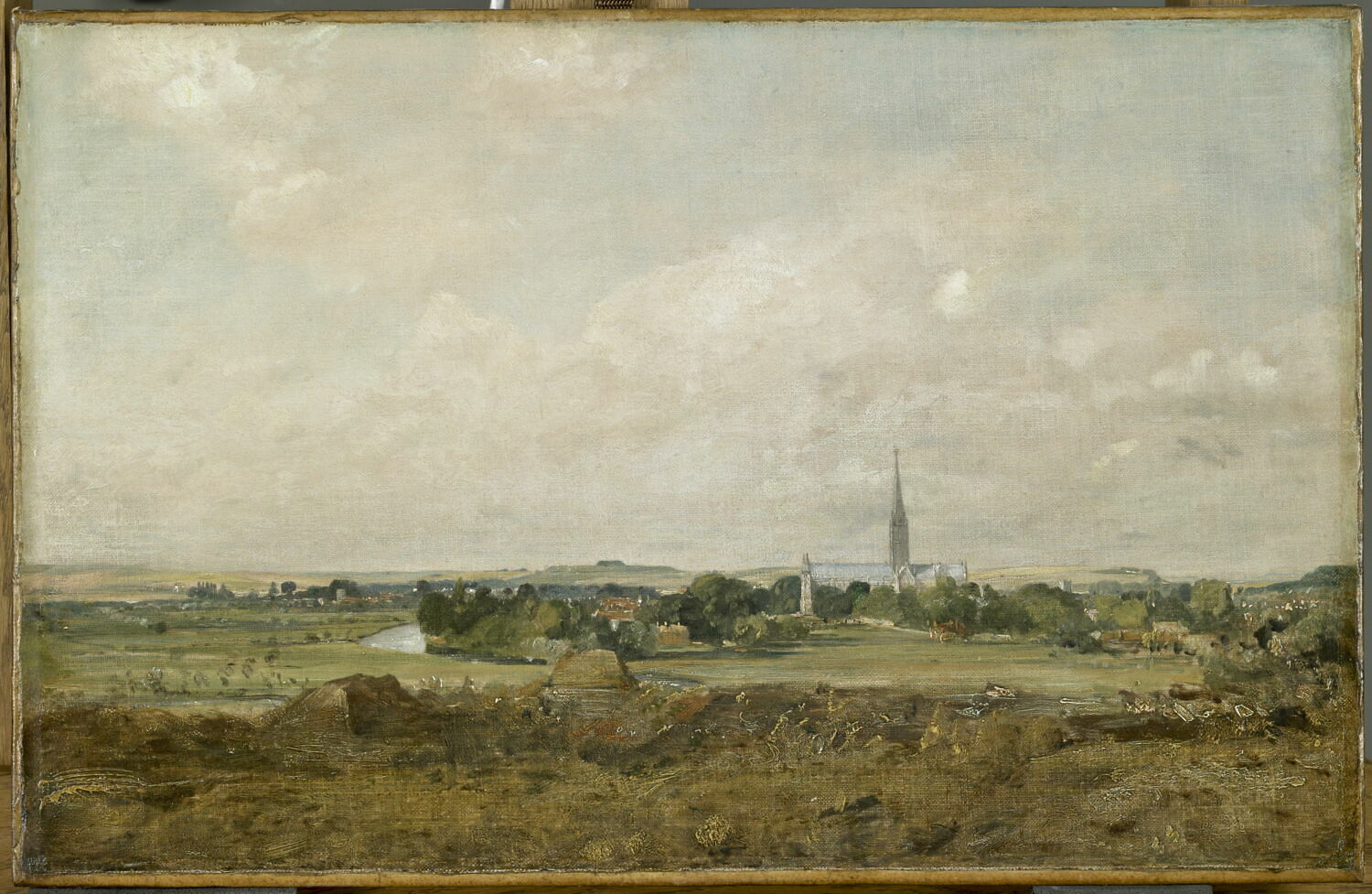
    Vue de Salisbury, Constable, John, 1e quart du XIXe siècle (1820)

    Vue de Salisbury

    1e quart du XIXe siècle (1820) · Louvre

    Vallon à Helmingham [Helmingham Dell], Constable, John, 1e quart du XIXe siècle (peint à l'été 1823 (selon Beckett)) (1823)

    Vallon à Helmingham [Helmingham Dell]

    1e quart du XIXe siècle (peint à l'été 1823 (selon Beckett)) (1823) · Louvre

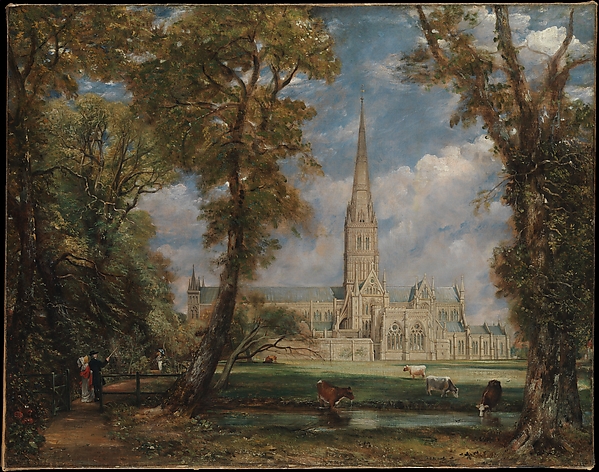
    Salisbury Cathedral from the Bishop's Grounds, John Constable, ca. 1825

    Salisbury Cathedral from the Bishop's Grounds

    ca. 1825 · Metropolitan Museum of Art

    Bird of Paradise, Hashimoto Chitaka, 2026

    Hashimoto Chitaka

    Bird of Paradise, 2026

    Torsion 2, Taruma Shoko, 2025

    Taruma Shoko

    Torsion 2, 2025

    Fu, Someya Satoshi, 2025

    Someya Satoshi

    Fu, 2025

    Bow Before the Curtain Falls, 2024

    Bow Before the Curtain Falls, 2024

    Summer, 2024

    Summer, 2024

    Red Flow, Ishizuka Genta, 2024

    Ishizuka Genta

    Red Flow, 2024

    3D replica of Michelangelo's Prisoner (4117-1854), Factum Arte, 2024

    Factum Arte

    3D replica of Michelangelo's Prisoner (4117-1854), 2024

    Sculpture, ‘Co-Existence – the Man and the Monkey’, Zhao Lin, 2024

    Zhao Lin

    Sculpture, ‘Co-Existence – the Man and the Monkey’, 2024

    From Glacier Point, Ansel Adams, 1927

    Ansel Adams

    From Glacier Point, 1927

    Ikke udstillet · National Gallery of Art

    Young Oaks, Winter, Yosemite National Park, California, Ansel Adams, 1938, printed later

    Ansel Adams

    Young Oaks, Winter, Yosemite National Park, California, 1938, printed later

    Ikke udstillet · National Gallery of Art

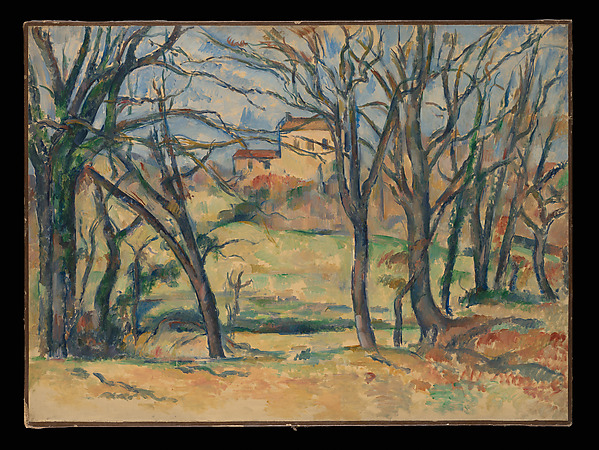
    Trees and Houses Near the Jas de Bouffan, Paul Cézanne, 1885–86

    Paul Cézanne

    Trees and Houses Near the Jas de Bouffan, 1885–86

    Metropolitan Museum of Art

    A Sunday on La Grande Jatte — 1884, Georges Seurat, 1884–86, border added 1888–89

    Georges Seurat

    En søndag eftermiddag på øen La Grande Jatte, 1884–86, border added 1888–89

    Art Institute of Chicago

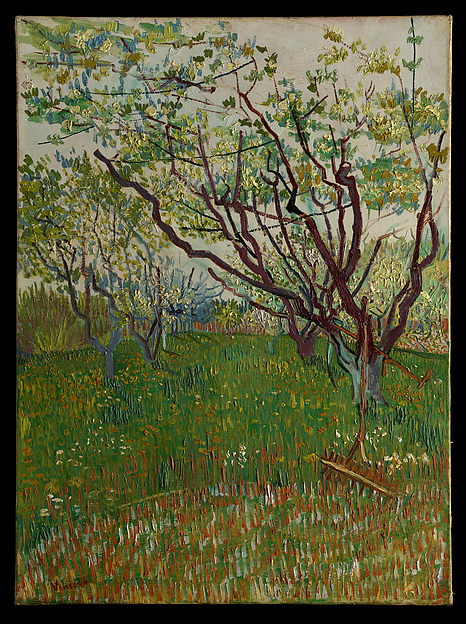
    The Flowering Orchard, Vincent van Gogh, 1888

    Vincent van Gogh

    The Flowering Orchard, 1888

    Metropolitan Museum of Art

    The Acrobats (Les saltimbanques), Pablo Picasso, 1905, published 1913

    Pablo Picasso

    The Acrobats (Les saltimbanques), 1905, published 1913

    Ikke udstillet · National Gallery of Art

    L'atelier de Cannes (The Studio in Cannes), Pablo Picasso, 1955

    Pablo Picasso

    L'atelier de Cannes (The Studio in Cannes), 1955

    Ikke udstillet · National Gallery of Art

    The Acrobats (Les saltimbanques), Pablo Picasso, 1905, published 1913

    Pablo Picasso

    The Acrobats (Les saltimbanques), 1905, published 1913

    Ikke udstillet · National Gallery of Art

    Hvad det viser

    TræPondCattleFiguresCathedralBuildingsCloudsLandscapes (representations)Salisbury Cathedral

    I kataloget

    MalerierOlieBritisk maleri
    Klassicisme
    Romantikken
    1800-tallet
    British School
    Storbritannien