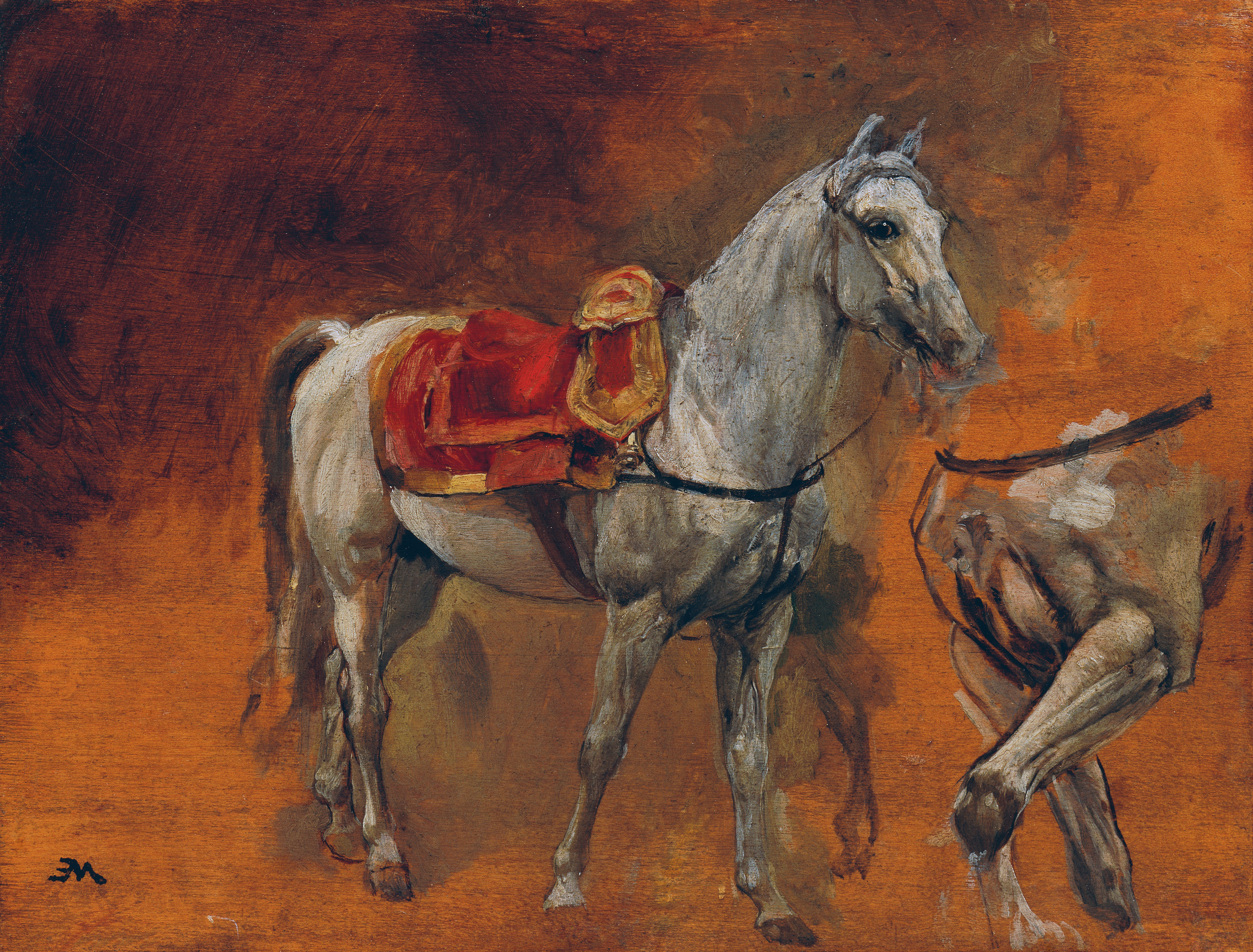
Jean-Louis-Ernest MeissonierFrankrig, 1815–1891
Ruines des Tuileries
Må man se det?
Ukendt
Hvor er »Ruines des Tuileries« i dag? Samling: Musée d'Orsay, Paris. Ukendt.

Paris, Frankrig
Ejeren er kendt; om værket er udstillet i dag, vides ikke.
- Uændret siden
- Kilde
- Museet
Oplysninger
- Inventarnummer
- RF 1248
I kataloget
Ankomster og afgange
Om det er udstillet i dag, er ukendt
Musée d'Orsay · 29. sep. 2026 — nu · Ubekræftet
Om værket var udstillet, vides ikke
Louvre · 26. sep. 2026 — 29. sep. 2026 · Ubekræftet
Kilder
- Louvre
- Billede: Musée d'Orsay — Jean-Louis-Ernest Meissonier · Public domain · Wikimedia Commons
Imens i livet hos Jean-Louis-Ernest Meissonier
Hele livet1860s
A turn to battle subjects and high prices
In the 1860s he begins to paint historical and battle scenes from the time of the French Revolution, the Napoleonic Wars and the conflicts of Emperor Napoleon III; his contemporaries valued them even more than his earlier genre works. In time he received 300,000 francs each for The Charge of the Cuirassiers and Napoleon I in 1814, and 200,000 for Napoleon III at Solferino, which its first owner later resold for 850,000.
1870–1871
A colonel in besieged Paris
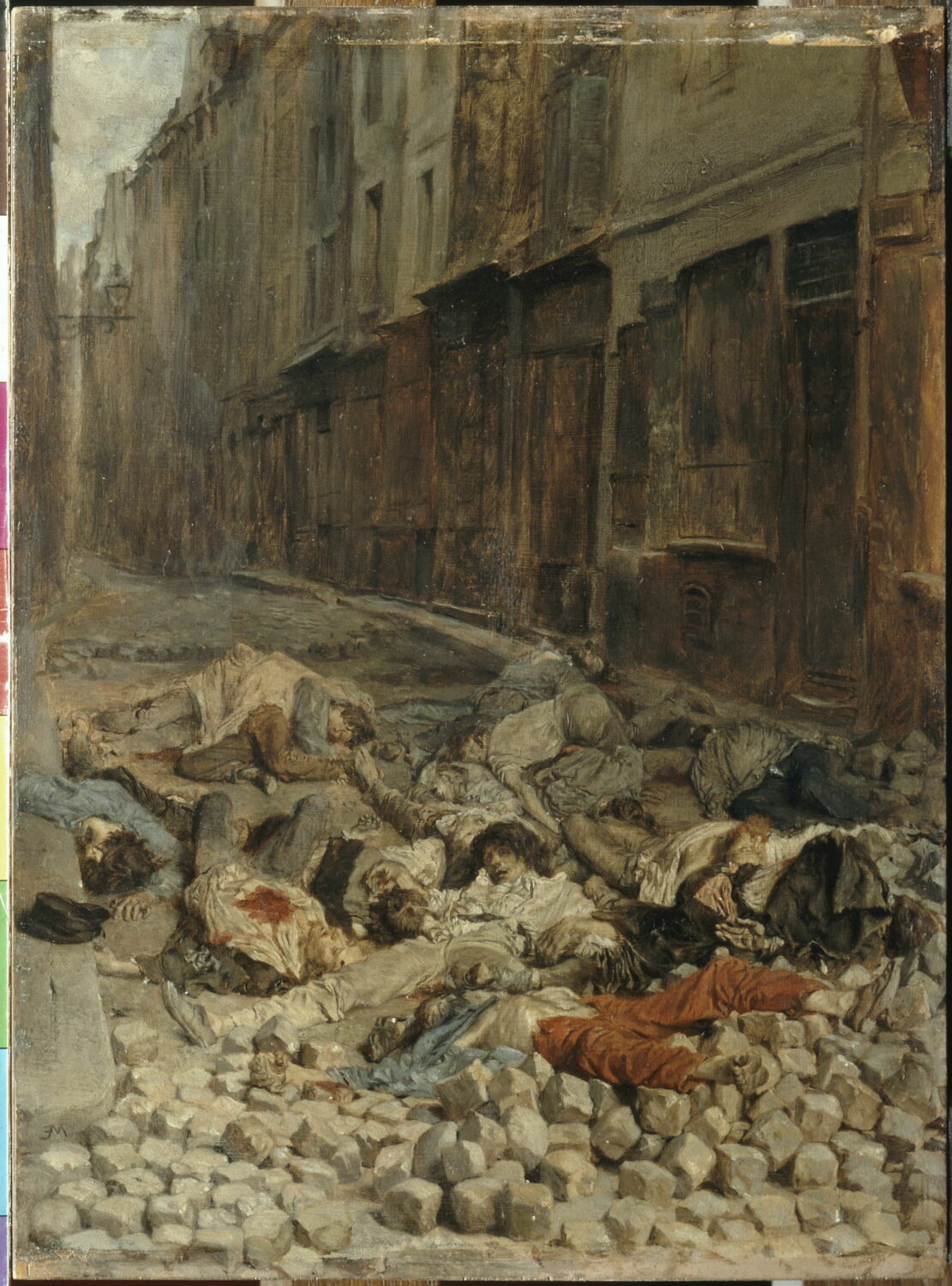
At the beginning of the war in 1870 he accompanies Napoleon III as an attaché of the imperial staff, and during the Siege of Paris he commands a regiment of the National Guard (other accounts call it a regiment de marche, one of the improvised units thrown up in the chaos of the war).
1870–1871
The conflict with Manet and the Impressionists
Édouard Manet served under his command during the Franco-Prussian War; their relations went badly then and only worsened later. His long conflict with the Impressionists did great harm to Meissonier’s reputation after his death.