Théodore RousseauFrankrig, 1812–1867
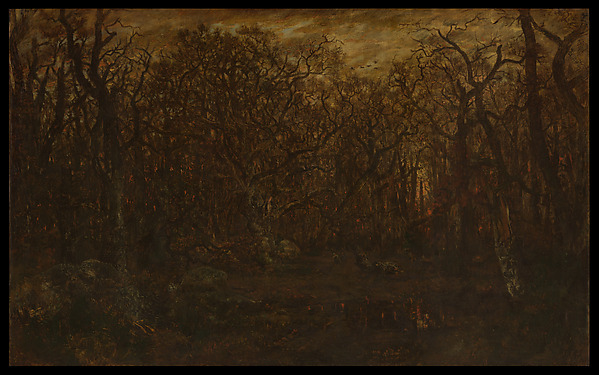
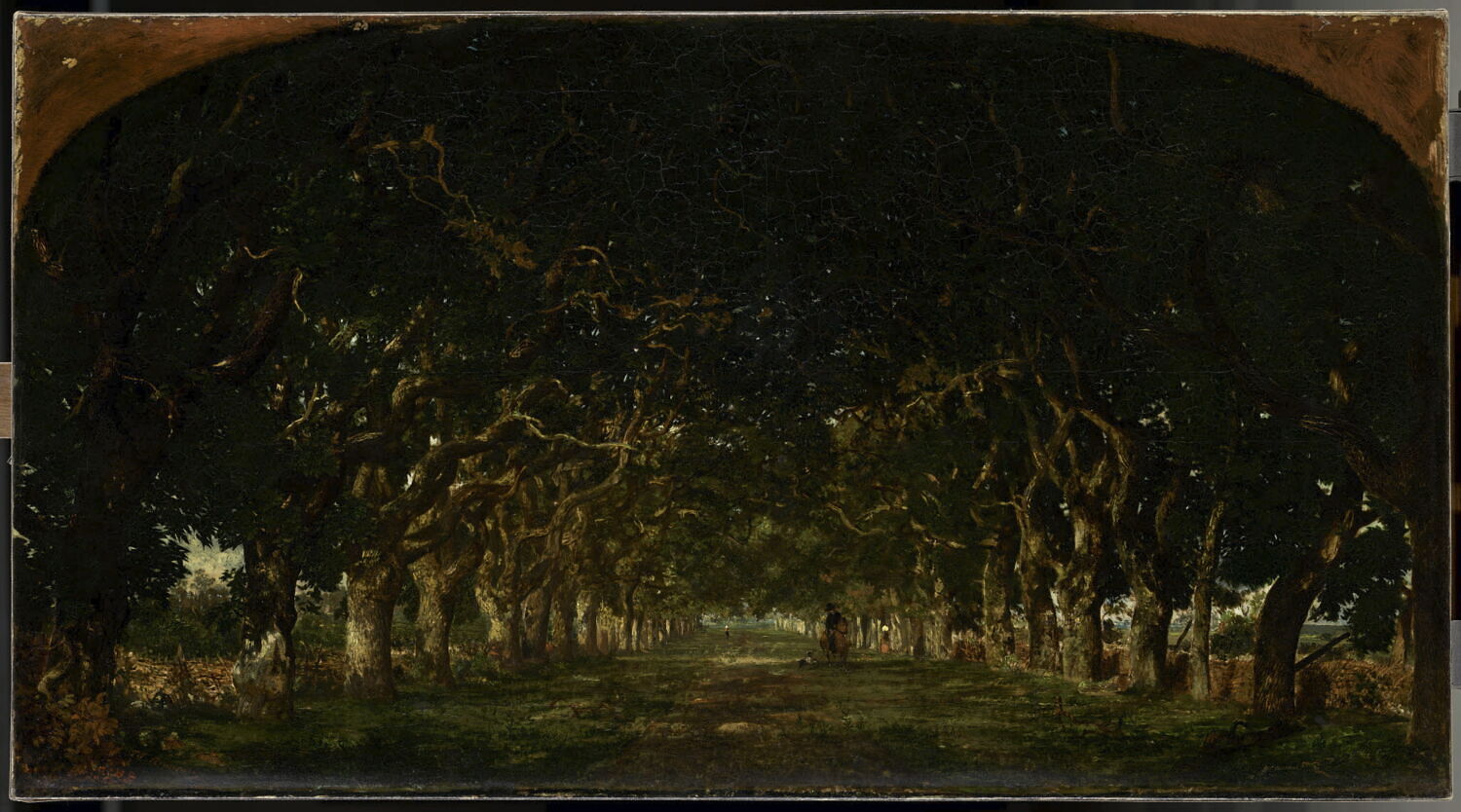
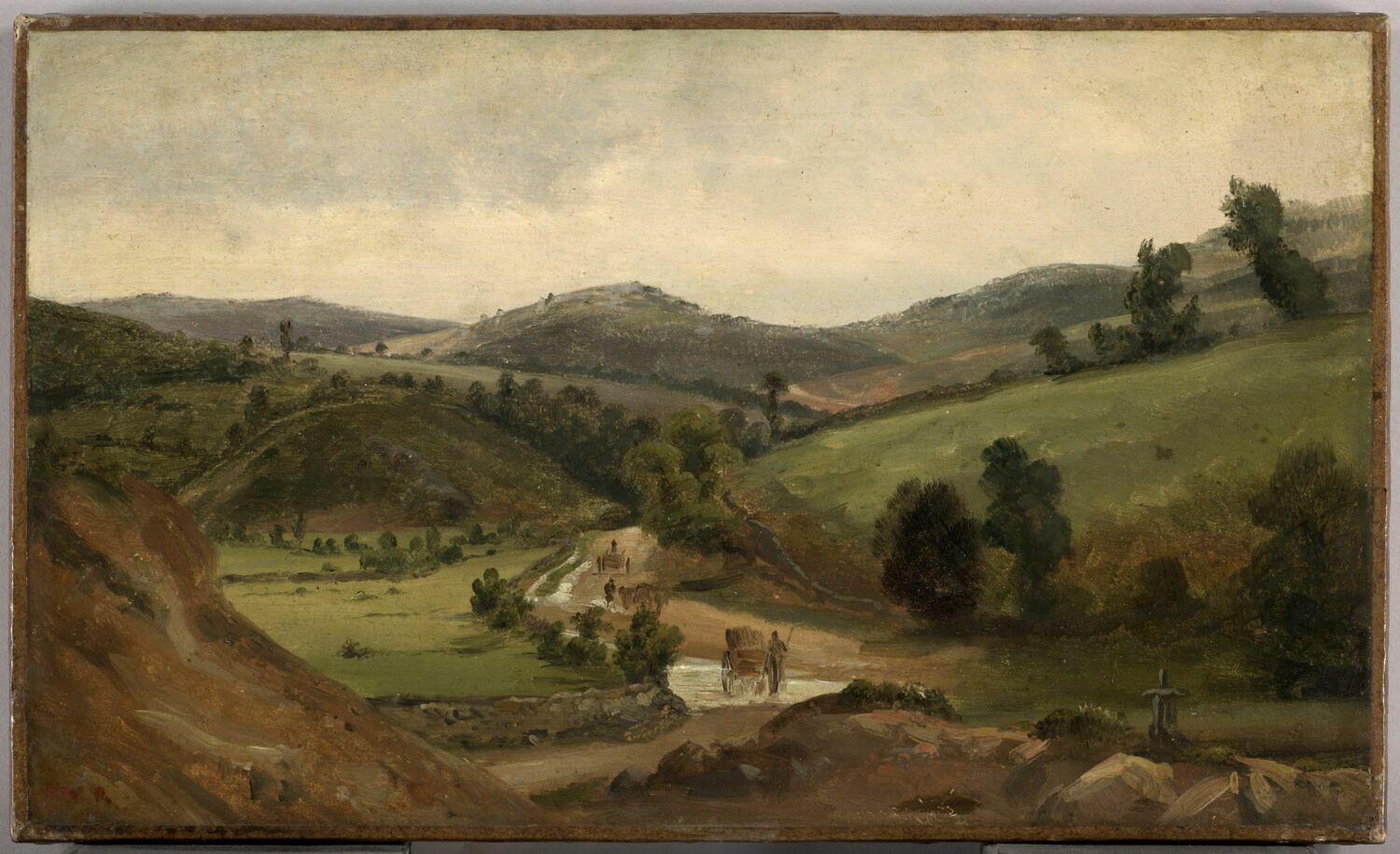
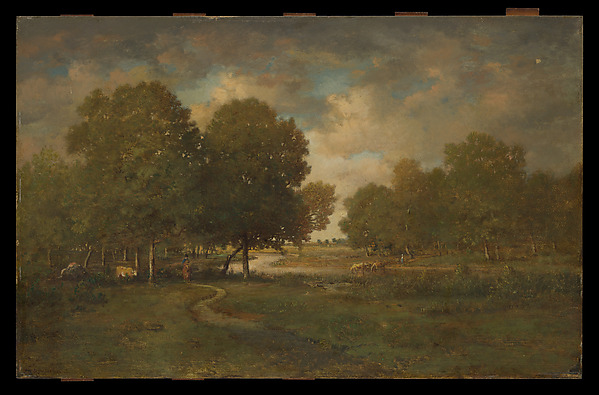
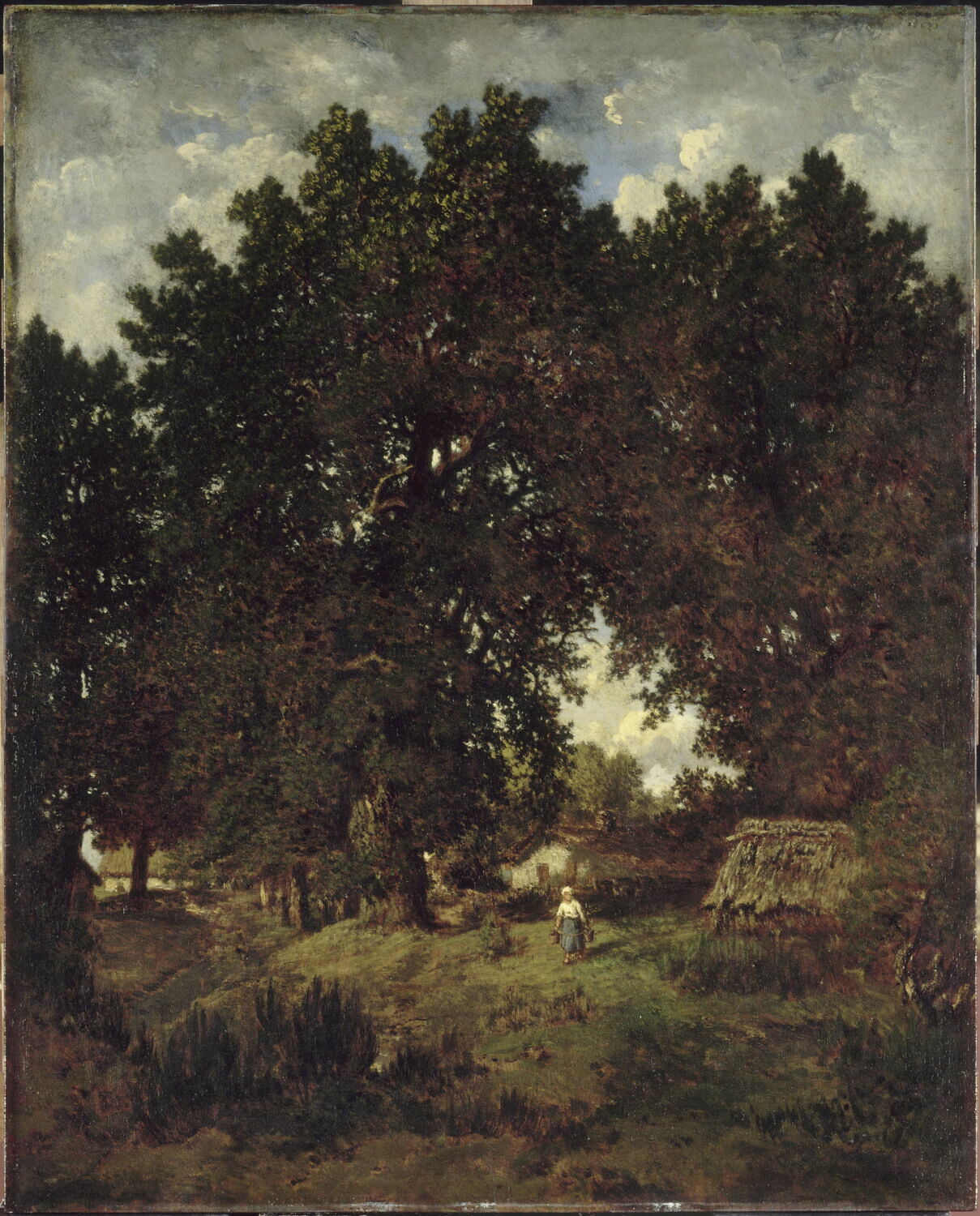
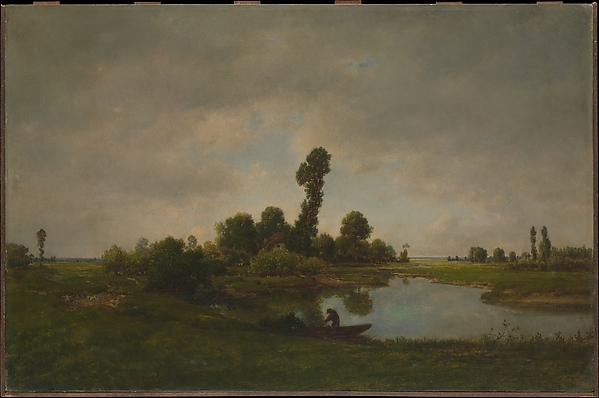
River Landscape
Må man se det?
Ja, det tager imod

Udstillet for publikum. Hvem der står inde for det, står nedenfor.
- Kontrolleret
- for 2 timer siden
- Uændret siden
- 27. sep. 2026
- Kilde
- Museets egne samlingsdata
Oplysninger
- Inventarnummer
- 1943.28
I kataloget
Kilder
- Harvard Art Museums: the museum's own open data · hentet for 6 dage siden
- Billede: Harvard Art Museums — © President and Fellows of Harvard College
Imens i livet hos Théodore Rousseau
Hele livet1836
The Salon rejects “Landscape of the Jura”
In 1836 the Salon jury rejected Rousseau's great work “Landscape of the Jura” (“The Descent of the Cattle”), and of the eight works he sent to the Salon between 1836 and 1841 none was accepted. By other accounts, the four Salons after his 1831 debut had already gone badly.
winter 1836 – 1837
First winter at Barbizon
Rousseau spent the winter of 1836–1837 at Barbizon with the painters Narcisse Díaz de la Peña and Théodore Caruelle d'Aligny; the nature there impressed him so deeply that from then on he came back every year. In time a circle of painters who, like him, painted nature from life gathered around him — Cabat, Daubigny, Dupré — and so the Barbizon school gradually took shape.
1836–1849
“Le grand refusé”
After 1841 Rousseau stopped sending work to the Salon until 1849; dubbed “le grand refusé”, he became known through the writings of his friend, the critic Théophile Thoré, while his father, who had at first regretted his son's forsaking business, sided with him in all his conflicts with the Salon. In these years of “artistic exile” Rousseau painted some of his best pictures: “The Chestnut Avenue”, “The Marsh in the Landes” (now in the Louvre) and “Hoar-Frost”.