El LissitzkyRusland, 1890–1941
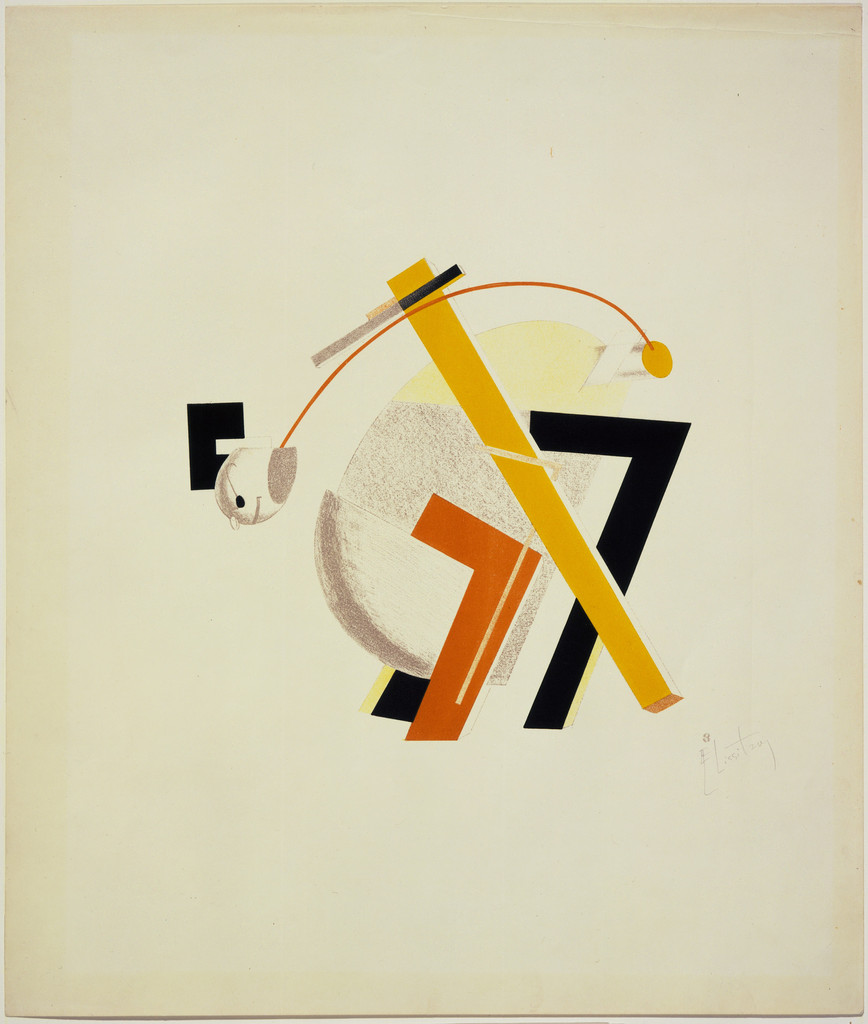
Proun 4 B
Kan det ses?
Ukendt
Hvor er »Proun 4 B« i dag? Samling: Thyssen-Bornemisza Museum, Madrid. Ukendt.
Madrid, Spanien
Ejeren er kendt; om værket er udstillet i dag, vides ikke.
- Uændret siden
- Kilde
- Museet
Oplysninger
- Inventarnummer
- 651 (1977.65)
I kataloget
Kilder
- Wikidata
- Billede: Thyssen-Bornemisza Museum — El Lissitzky · Public domain · Wikimedia Commons
Imens i livet hos El Lissitzky
Hele livet1909
Rejected by the Academy of Arts, he leaves for Darmstadt
In 1909 Lissitzky applies to the St Petersburg Academy of Arts but is rejected, possibly because he failed the exams or because of the “Jewish quota” of the Tsarist regime. Instead he moves to Germany to study architectural engineering at the Darmstadt Polytechnic.
1914
A diploma with distinction and a hurried flight home as war breaks out
In 1914 Lissitzky defends his diploma at Darmstadt with distinction, but with the outbreak of the First World War he is forced to hurry home — via Switzerland, Italy and the Balkans.
1918
Founding the art section of the Kultur-Lige
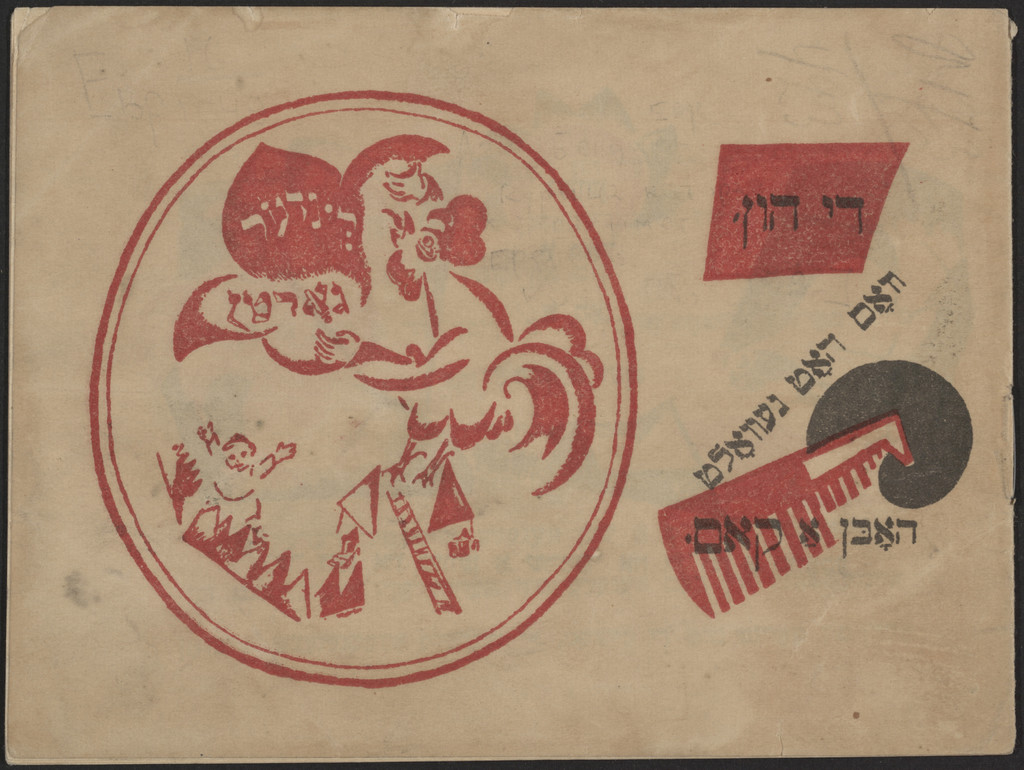
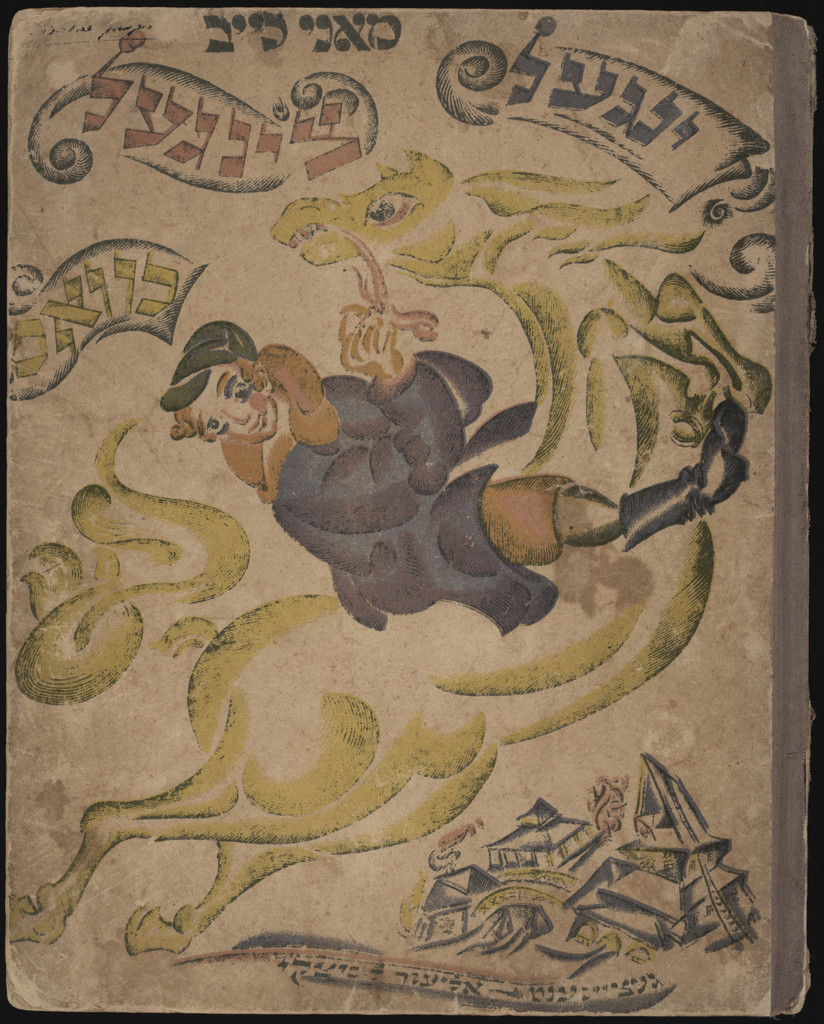
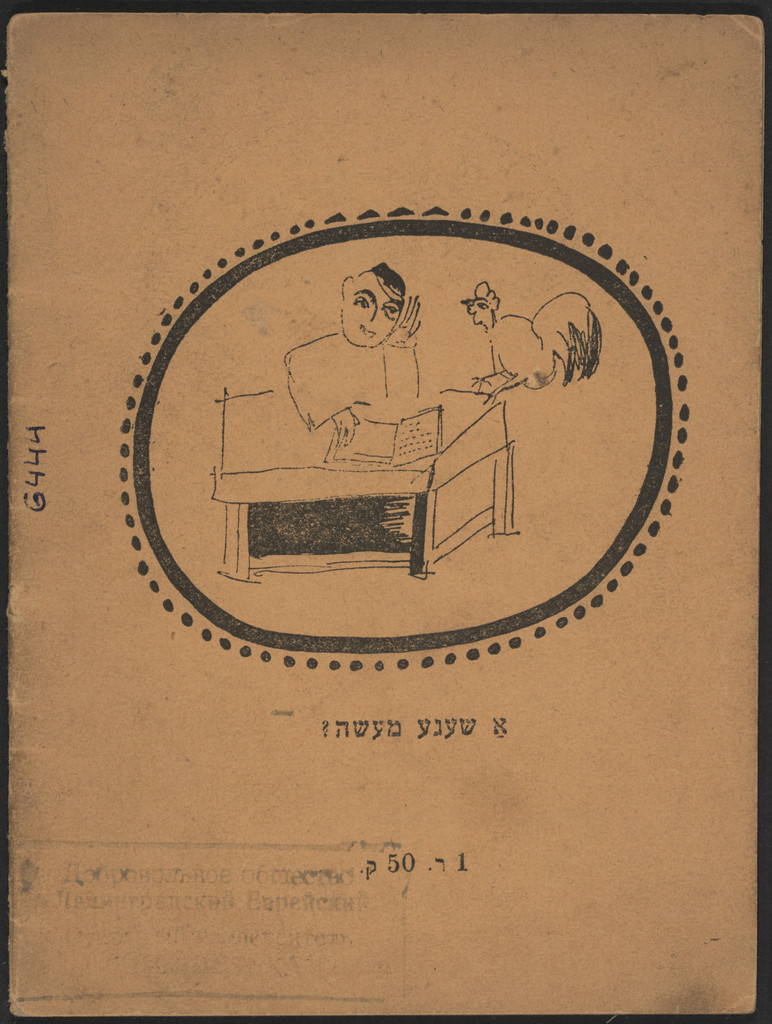
In 1918 in Kiev Lissitzky, together with Joseph Chaikov, Issachar Ber Ryback, Mark Epstein and others, founds the art section of the Kultur-Lige, an avant-garde artistic and literary association whose aim was to create a new Jewish national art.
1919
Persuading Malevich to move to Vitebsk
In October 1919, on an errand in Moscow, Lissitzky persuades Kazimir Malevich to relocate to Vitebsk. Malevich brings a wealth of new ideas, which inspire Lissitzky but clash with the local public and professionals who favoured figurative art, and with Chagall himself.
1921
Leaving for Germany as a “cultural emissary”
In 1921, as UNOVIS declines and suprematism begins to fracture into a utopian, spiritual half and a utilitarian one, Lissitzky aligns with neither and leaves Vitebsk: he takes a job as a “cultural emissary” of Soviet Russia and moves to Weimar Berlin to establish contacts between Russian and German artists — what exactly he did in this role remains unclear. In 1921–1925 he lives in Germany and Switzerland.
30. december 1941
Died