Edward SteichenUSA, 1879–1973
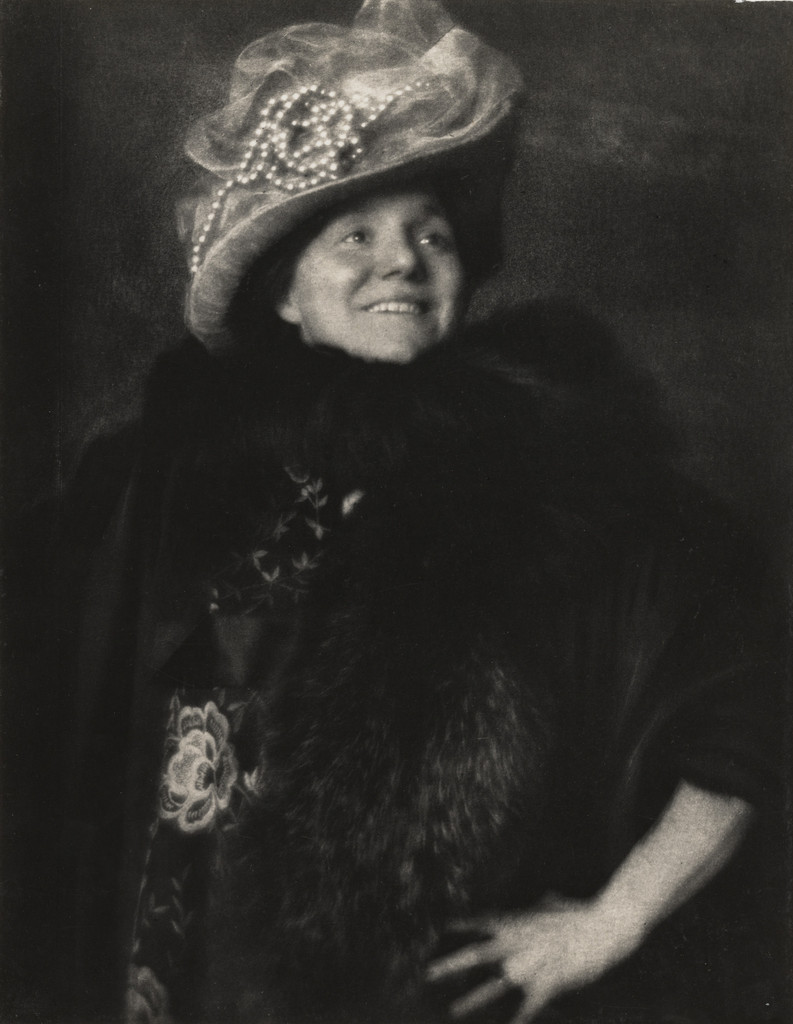
Portret van Alfons Mucha
Må man se det?
Ukendt: museet holder tæt

Rijksmuseum Amsterdam
Amsterdam, Holland
Ejeren er kendt. Om det er udstillet i dag, siger museet ikke, og at gætte har vi ikke lært.
- Kilde
- Museets egne samlingsdata
Oplysninger
- Inventarnummer
- RP-F-2001-7-968-5-102
What it shows
Kilder
- Rijksmuseum Amsterdam: the museum's own open data · hentet for 6 dage siden
- Billede: Rijksmuseum Amsterdam — © the artist or rights holder
Imens i livet hos Edward Steichen
Hele livet1895
First camera: the start of photography
Having discovered a camera shop near his work, he buys a secondhand Kodak box “detective” camera and begins to practise photography. He and his friends, who are interested in drawing and photography, then pool their funds and rent a small room in Milwaukee, calling themselves the Milwaukee Art Students League and hiring Richard Lorenz and Robert Schade for occasional lectures.
1899
Photographs at the Philadelphia Salon
His photographs are exhibited at the second Philadelphia Photographic Salon.
1900
Meets Stieglitz on the way to Paris
He leaves Milwaukee for Paris to study art; on a letter of introduction from Clarence H. White he meets Alfred Stieglitz in New York, who praises his background in painting and buys three of his photographic prints. He will spend several years in Paris and discover avant-garde art there.
1900
American citizenship
He becomes a US citizen and signs the naturalization papers as Edward J. Steichen, but goes on using his birth name, Éduard, until after the First World War.
1902
The Camera Work logo and the Photo-Secession
When Stieglitz is planning the magazine that becomes Camera Work, he asks Steichen to design its logo with a custom typeface; Steichen becomes the most frequently shown photographer in the journal. In the same year he is one of the founders of the Photo-Secession in New York.
1904
First experiments with colour photography
He begins experimenting with colour photography and becomes one of the earliest in the United States to use the Autochrome Lumière process.