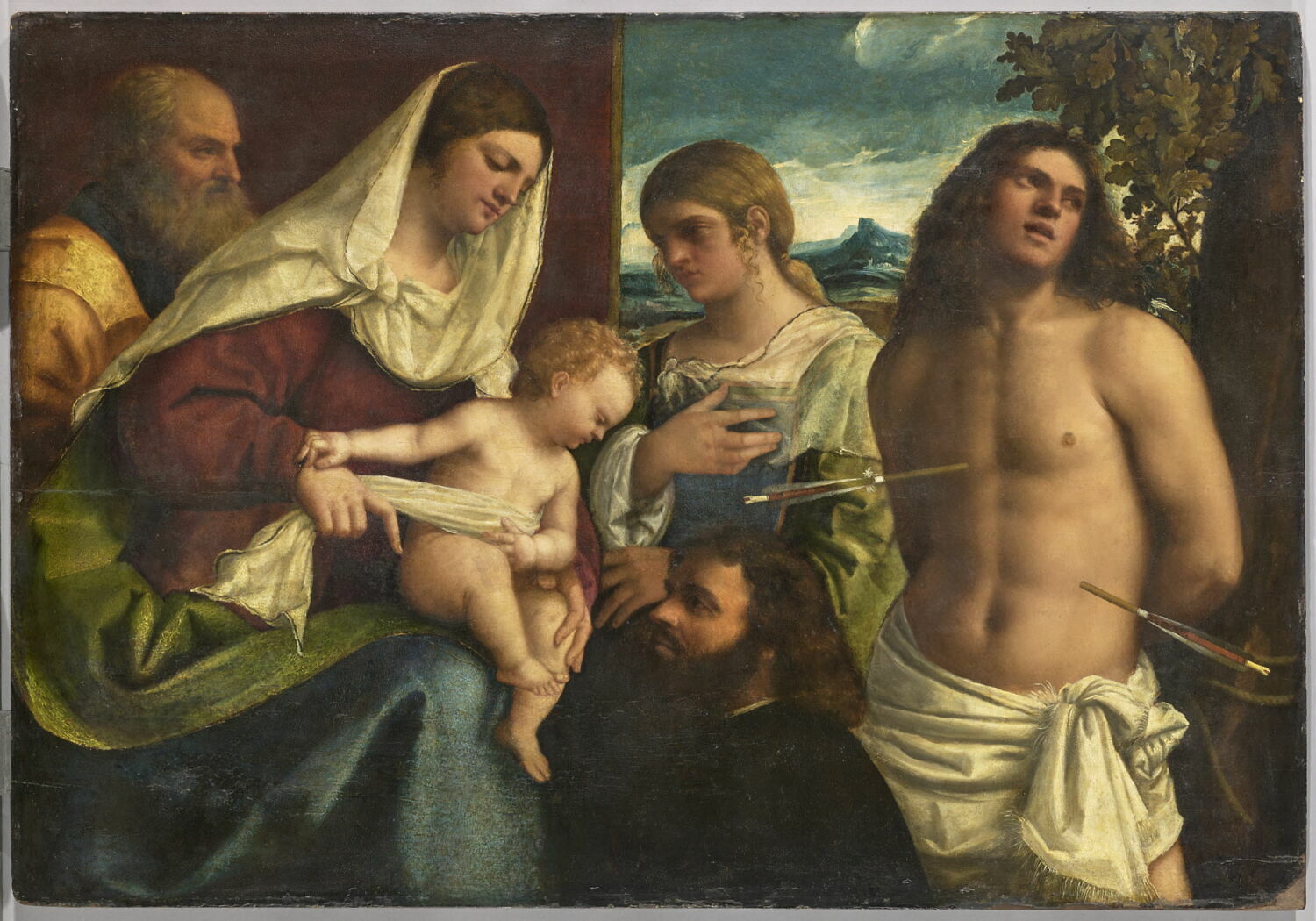
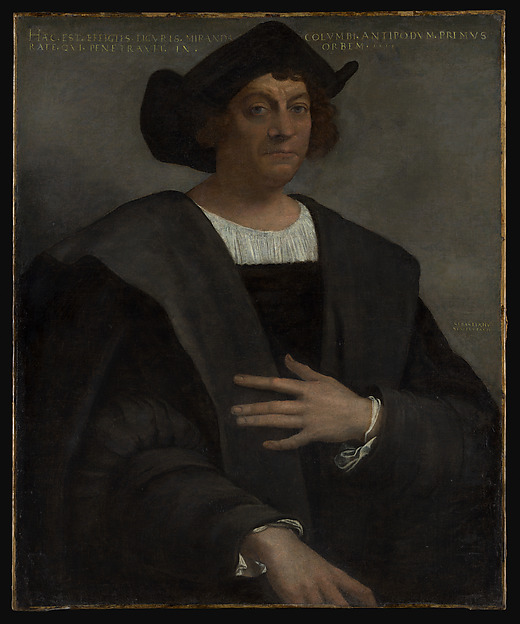
Sebastiano del PiomboItalien, 1485–1547
Pope Clement VII
Kan det ses?
Ikke udstillet lige nu
Hvor er »Pope Clement VII« i dag? Samling: J. Paul Getty Museum, Los Angeles. Ikke udstillet lige nu. Kontrolleret 7. oktober 2026.
Los Angeles, USA
Det hører til samlingen, men er ikke udstillet for tiden.
- Kontrolleret
- Uændret siden
- Kilde
- Museet
Om maleriet
Following a model established for papal portraits by Raphael two decades earlier, Sebastiano del Piombo painted Pope Clement VII (Giulio de'Medici, reigned 1523–1534) in three-quarter length and seated in an armchair, positioned diagonally to the picture plane. In a letter dated July 22, 1531, Sebastiano told his friend and mentor Michelangelo that Pope Clement had visited his studio to see his recently completed portrait, which was painted on canvas. Satisfied with Sebastiano’s work, the pope ordered this second version for his collection, to be painted on slate. The practice of painting on slate or stone is generally thought to have begun in Rome in the early 1500s. Sebastiano had begun experimenting with stone supports around 1530, and had come to favor it for certain important commissions because he believed that paintings on stone lasted longer than those on canvas or wood.
Læs videre
His biographer Giorgio Vasari (1511–1574), in his *Lives* of 1550, asserted that “pictures painted on slate last much longer than any other material.” Pope Clement evidently shared Sebastiano's enthusiasm for the support, which served to immortalize his portrait. Ironically, the stable, durable paint surface and lasting colors that could be achieved on slate were negated by the stone’s inherent fragility—especially during movement. Documents from later in the 1530s demonstrate the challenges Sebastiano faced when transporting a *Pietà* on slate to the Spanish patron Francesco de los Cobos, which had to be accompanied throughout its journey for fear of shattering.
J. Paul Getty Museum
Oplysninger
- Inventarnummer
- 92.PC.25
I kataloget
Kilder
- J. Paul Getty Museum
- Billede: J. Paul Getty Museum — Open Content
Imens i livet hos Sebastiano del Piombo
Hele livet1520s
Portraits instead of big church commissions
In the 1520s Sebastiano mostly avoids very large church commissions and concentrates on portraits, where he has a considerable reputation, and on religious easel paintings such as the “Visitation” made for France (1518–19, now in the Louvre).
late February 1529
Returns to Rome
After long hesitation Sebastiano returns to Rome, where he will spend the rest of his life.
1531
Becomes Keeper of the Papal Seal
After the death of the previous holder Sebastiano wins this lucrative office from Pope Clement VII by promising to pay the other chief contender, the painter Giovanni da Udine of Raphael's workshop, 300 scudi a year. From it comes his nickname “del Piombo”.
1531
Monastic vows: “Fra Bastiano”
The office requires him to take friar's vows and attend on the pope, though he has a wife and two children. Michelangelo and Ariosto call him “Fra Bastiano”, he signs his paintings “F(rater) Sebastianus Ven(etus)”, and in a letter to Michelangelo he jokes that he is the handsomest monk in Rome.
1531
Has not recovered from the Sack of Rome
In a letter to Michelangelo he admits that he still does not feel the same Bastiano he was before the Sack, nor in his right mind.
1531–1547
Court life instead of big commissions
After 1531 Sebastiano paints noticeably less, and large commissions, even a single painting, drag on for years. According to Vasari he lives in a fine house near the Piazza del Popolo, keeps a very good table and entertains friends, though Vasari may overstate his idleness.