ART WIKI32.979 udstillet
KortSamlingKunstnereMuseerUdstillingerJournal
Log ind

ART WIKI

Hvor mesterværket hænger, og hvornår man bliver lukket ind.

Samlinger: Art Institute of Chicago, Det Russiske Museum, Eremitagen, Getty Villa, Harvard Art Museums, Hirshhorn Museum and Sculpture Garden, J. Paul Getty Museum, Louvre, Metropolitan Museum of Art, Minneapolis Institute of Art, Museum of Modern Art, National Gallery of Art, National Museum of Asian Art, National Portrait Gallery (Smithsonian), Pusjkinmuseet, Rijksmuseum Amsterdam, Smithsonian American Art Museum, Statens Museum for Kunst, The Cleveland Museum of Art, Tretjakovgalleriet, Victoria and Albert Museum, Whitney Museum of American Art, Ruslands statskatalog over museumsfonden (274 museer), Europeana (19 museer), Wikidata (6 museer), Paris Musées (12 museer) og Joconde, det franske kulturministeriums museumsdatabase (495 museer). Billederne tilhører deres rettighedshavere.

Afsnit

  • Kort
  • Søgning
  • Samling
  • Mesterværker
  • Udstillet nu
  • Kunstnere

Mere

  • Museer & gallerier
  • Udstillinger
  • Journal
  • Hvor data kommer fra
  • Privatliv & cookies
ForsideKortKatalog
  1. Samling/
  2. The Cleveland Museum of Art/
  3. Pomona
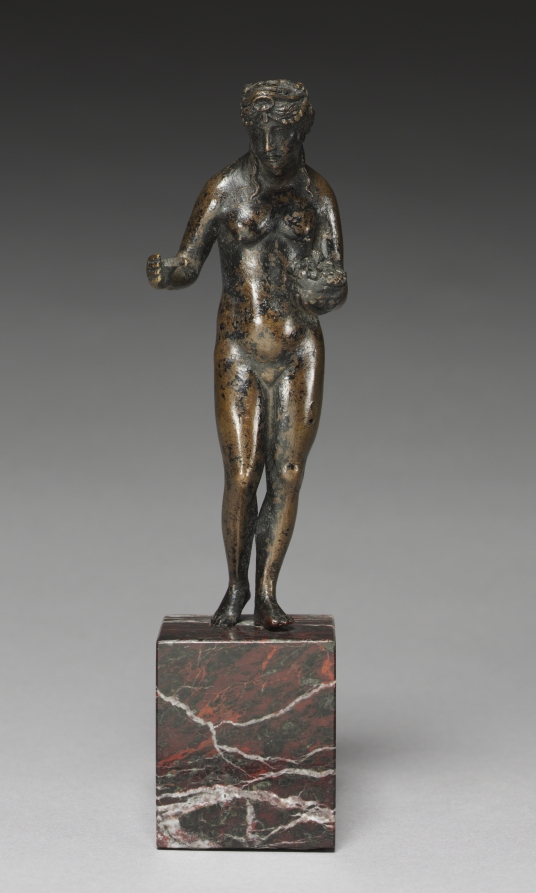
Pomona, Andrea Riccio, c. 1500
Andrea Briosco, called Riccio, portrætAndrea Briosco, called RiccioItalien, 1470–1532

Pomona

c. 1500 · Sculpture

Om skulpturen

According to Roman mythology, the nymph Pomona cared for the gardens and forests, rejecting the pursuits of her suitors. The god Vertumnus fell in love with her. He disguised himself as an old woman, complimented her orchard and kissed Pomona passionately. As an old woman, Vertumnus explained that there was one person who loved both Pomona and her garden. Vertumnus then revealed himself to her, and from then on the two cared for Pomona's gardens together. Classicizing in style, Pomona stands nude with her weight on her left leg. She holds a bowl of fruit in her left hand while her right hand is clenched, suggesting it may have once held another object. Pomona wears a diadem, or headband, and hair decorated with a beaded garland falls in two locks over her shoulders.

Læs videre

A hole has been drilled at the top of the figure's head for removal of the core and casting pins appear in the back of the right shoulder and on the front of the left leg. Other examples of this statuette exist in Oxford, Paris, Berlin and Washington. Only the Washington and Cleveland versions have been attributed to Riccio because of their superior quality of casting and the rich patinas.

The Cleveland Museum of Art

Oplysninger

c. 1500
14701532
Inventarnummer
1948.486

Mere af Andrea Briosco, called Riccio

Alle værker

I samme sal · 117A Italian Renaissance, The Cleveland Museum of Art

Museets side

Må man se det?

Ja, det tager imod

The Cleveland Museum of Art

Cleveland, USA

Sal117A Italian Renaissance

Udstillet for publikum. Hvem der står inde for det, står nedenfor.

Kontrolleret
for 3 dage siden
Uændret siden
19. aug. 2026
Kilde
Museet
På kortetMuseets side

I kataloget

SkulpturBronzeRenæssancen1500-talletItaly, early 16th Century

Kilder

  • The Cleveland Museum of Art
  • Billede: The Cleveland Museum of Art — Museum open access
Rothschild lamp, Andrea Briosco, called Riccio, ca. 1510–20

Rothschild lamp

ca. 1510–20 · Metropolitan Museum of Art

Striding Pan, Andrea Briosco, called Riccio, 1530–1539

Striding Pan

1530–1539 · Metropolitan Museum of Art

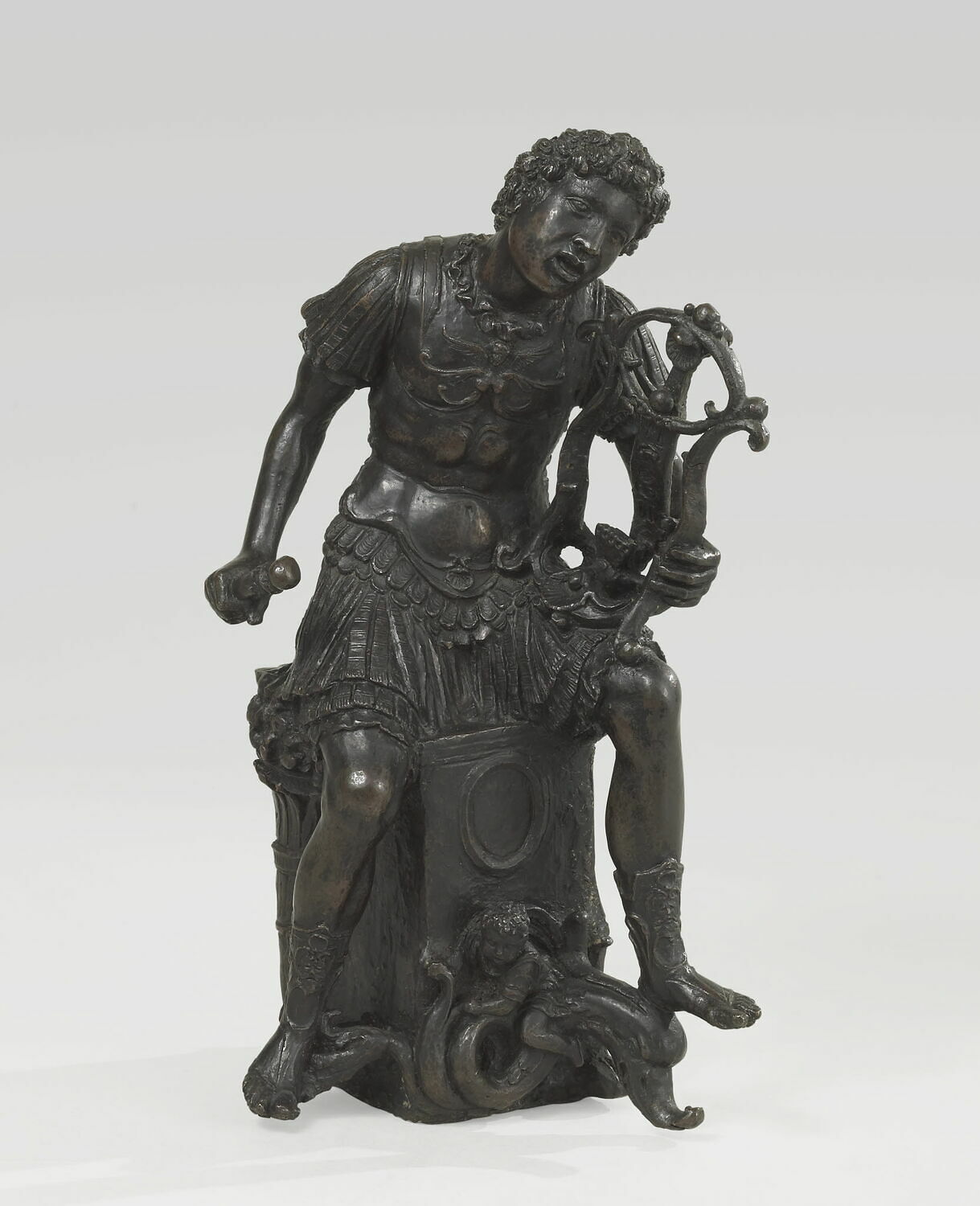
Statuette : Arion, Riccio, Renaissance (Occident)

Statuette : Arion

Renaissance (Occident) · Louvre

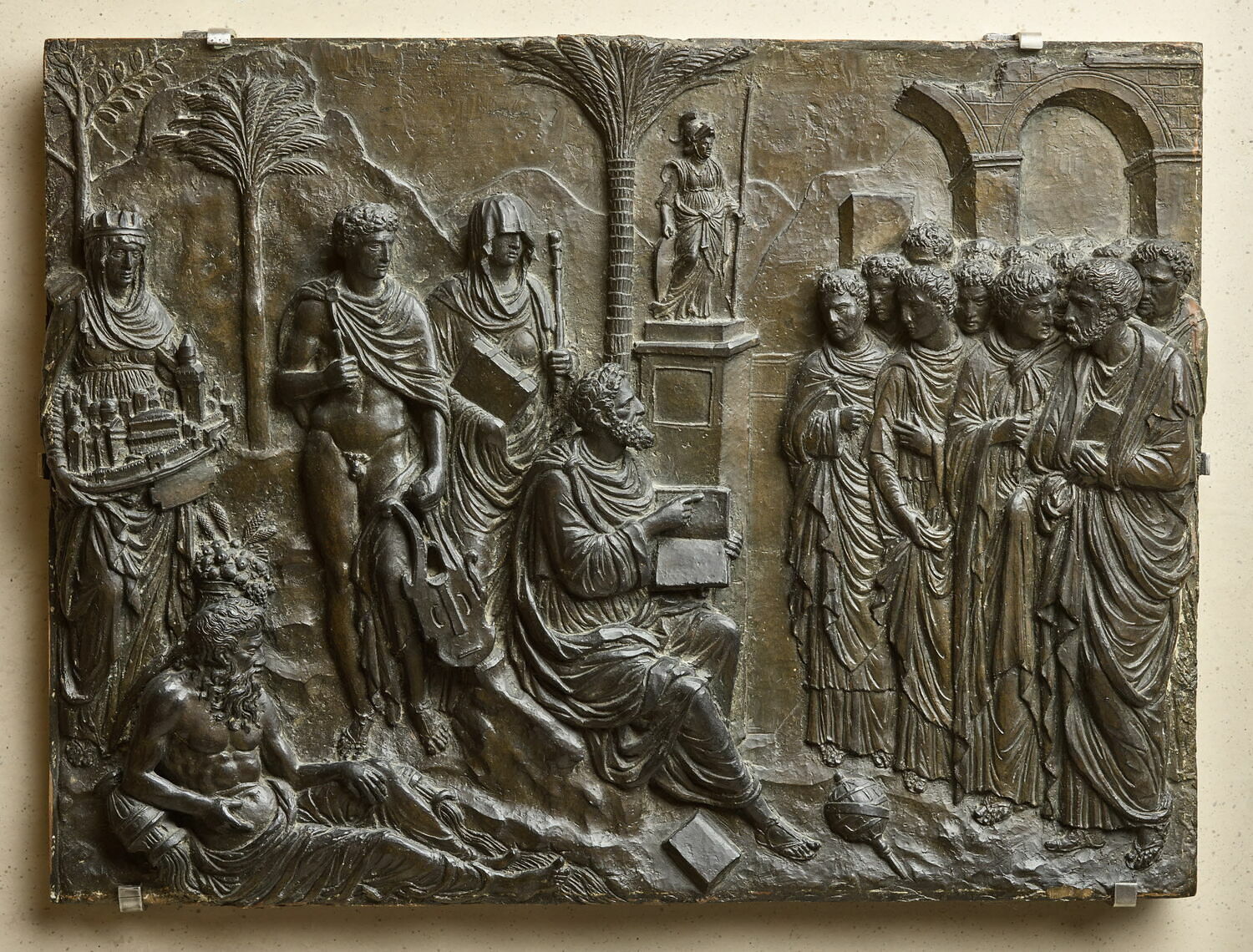
Bas-relief : enseignement, Riccio, Renaissance (Occident)

Date de création/fabrication : 1516 - 1521

Bas-relief : enseignement

Renaissance (Occident) Date de création/fabrication : 1516 - 1521 · Louvre

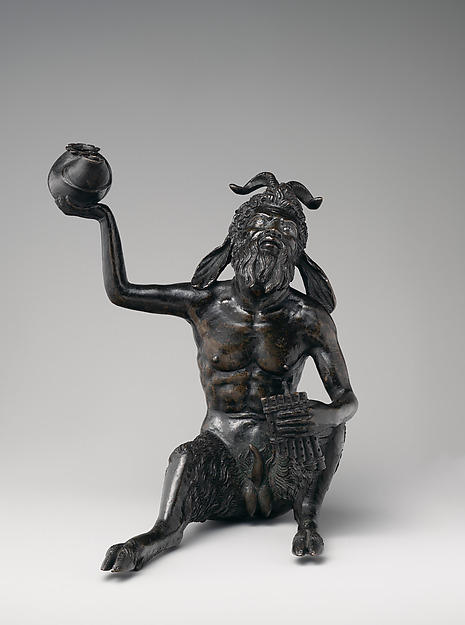
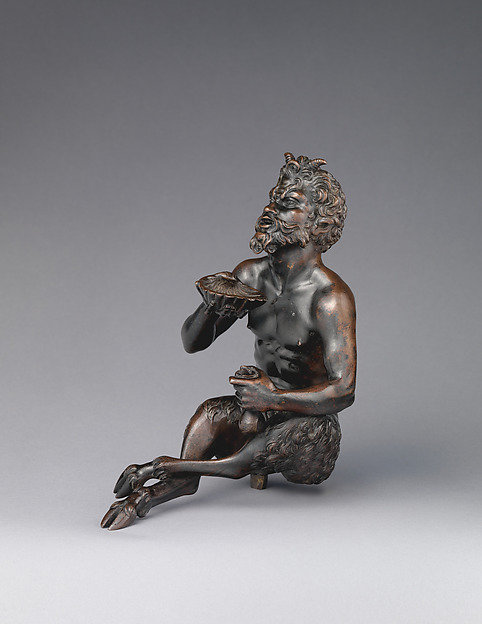
Seated satyr with silvered eyes, Andrea Briosco, called Riccio, second quarter of the 16th century

Seated satyr with silvered eyes

second quarter of the 16th century · Metropolitan Museum of Art

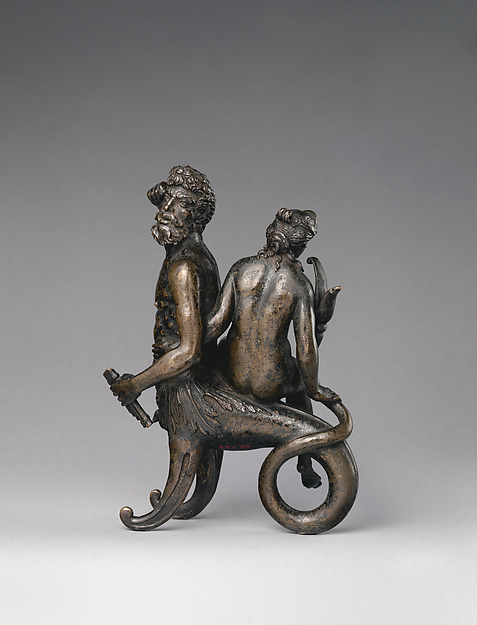
Triton and Nereid, Andrea Briosco, called Riccio, after 1532–before ca. 1550

Triton and Nereid

after 1532–before ca. 1550 · Metropolitan Museum of Art

Seated satyr with a shell, Andrea Briosco, called Riccio, after 1600

Seated satyr with a shell

after 1600 · Metropolitan Museum of Art

The Entombment, Andrea Briosco, called Riccio

The Entombment

Ikke udstillet · National Gallery of Art

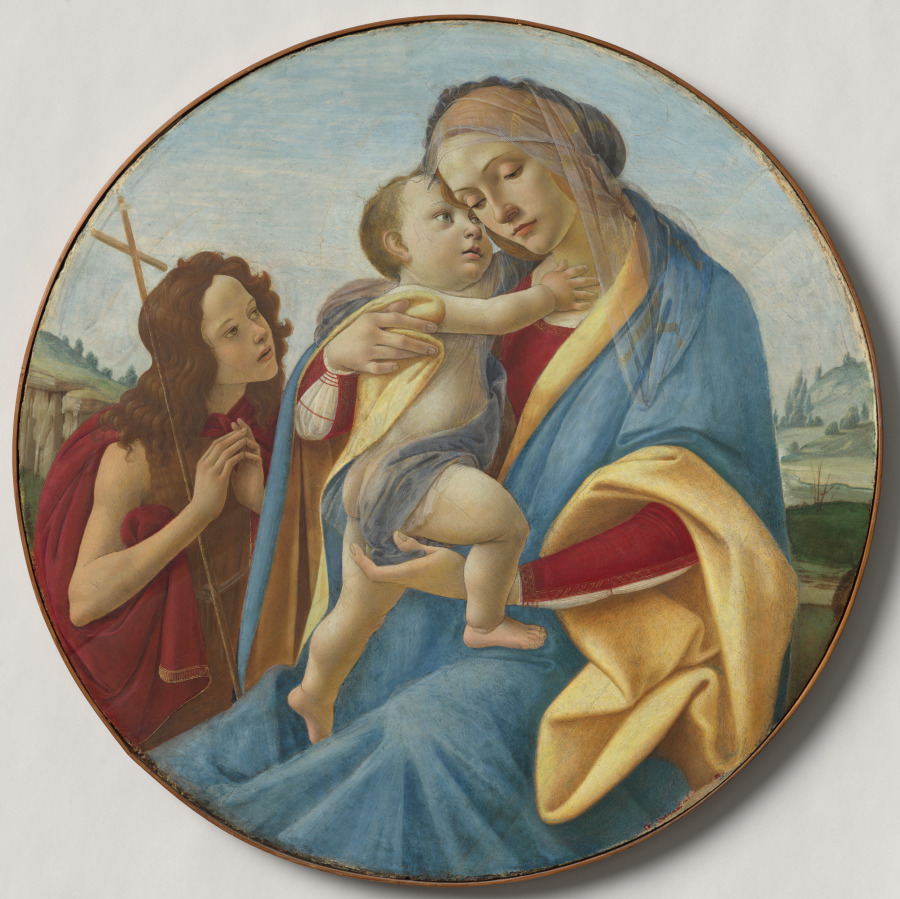
Virgin and Child with the Young Saint John the Baptist, Sandro Botticelli, c. 1490

Sandro Botticelli

Virgin and Child with the Young Saint John the Baptist, c. 1490

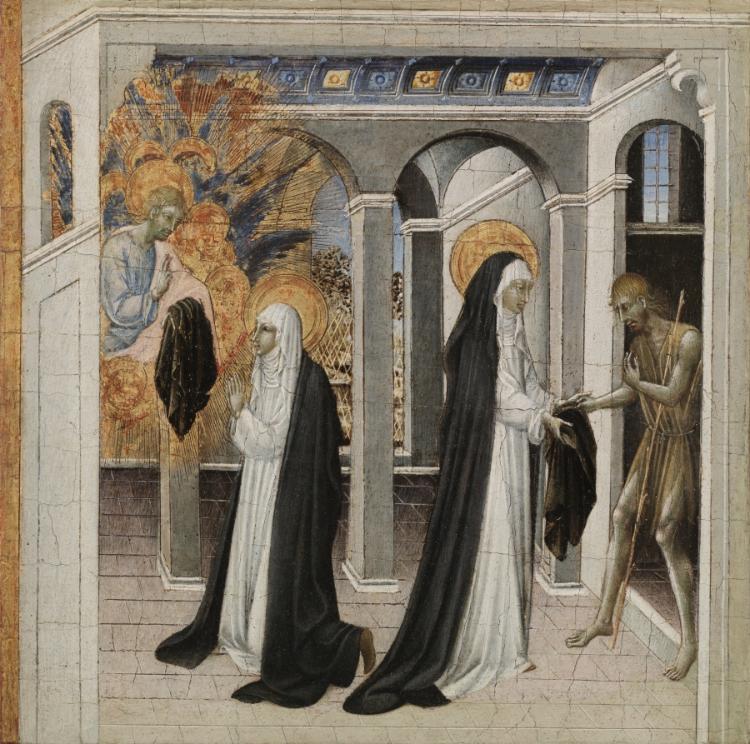
St. Catherine of Siena and the Beggar, Giovanni di Paolo, 1460s

Giovanni di Paolo

St. Catherine of Siena and the Beggar, 1460s

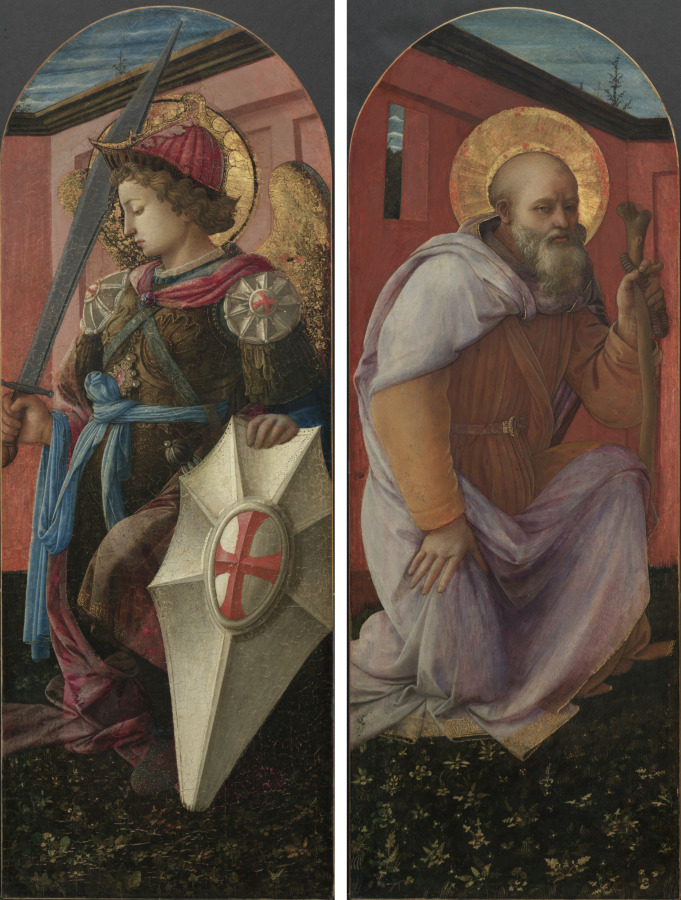
Pair of Panels from a Triptych: The Archangel Michael and St. Anthony Abbot, Fra Filippo Lippi, 1458

Fra Filippo Lippi

Pair of Panels from a Triptych: The Archangel Michael and St. Anthony Abbot, 1458

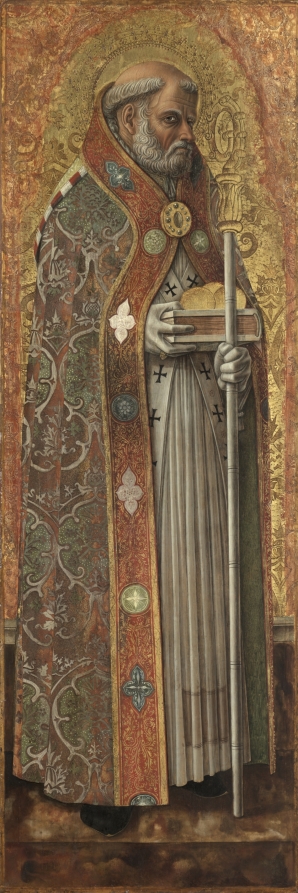
Saint Nicholas of Bari, Carlo Crivelli, 1472

Carlo Crivelli

Saint Nicholas of Bari, 1472

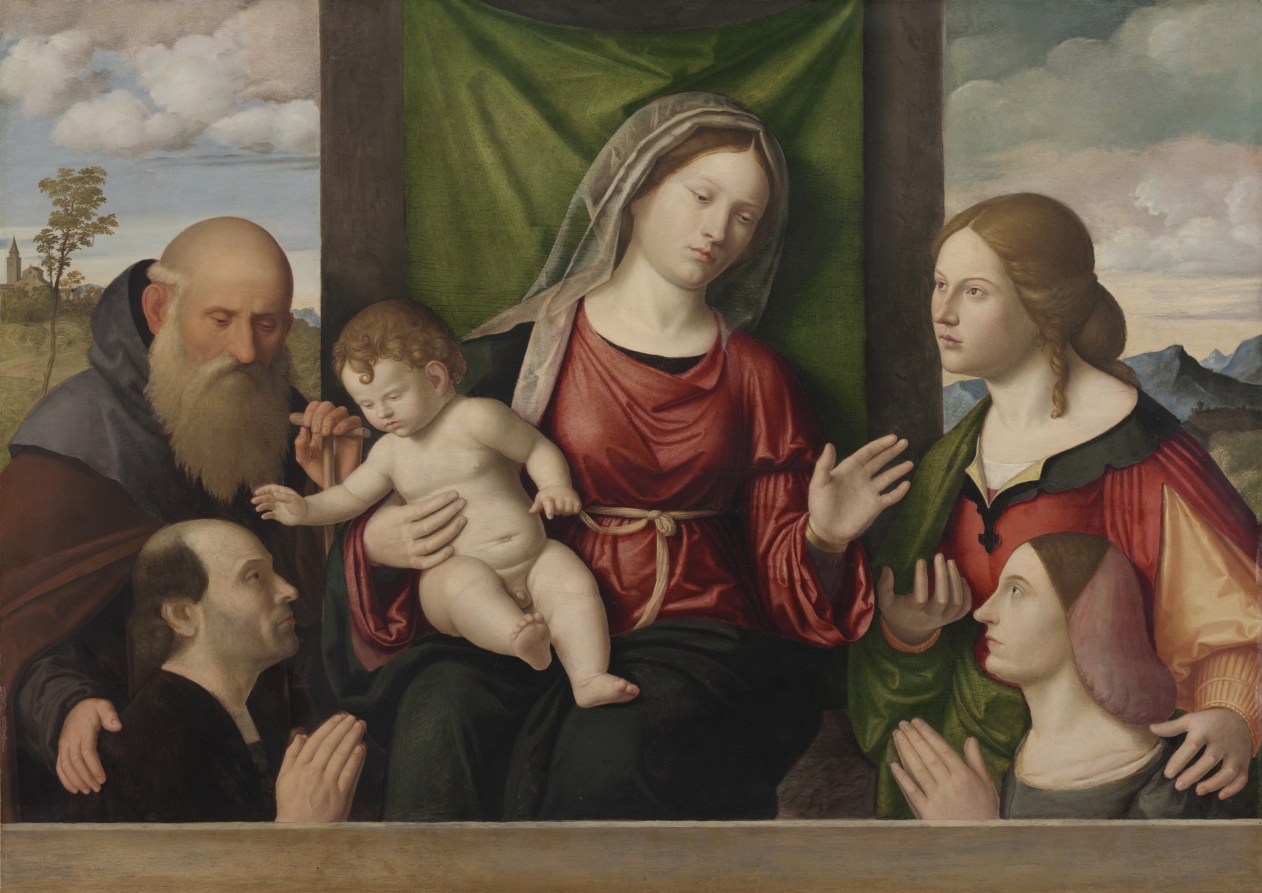
Virgin and Child with Saints and Donors, Giovanni Battista Cima da Conegliano, c. 1515

Cima da Conegliano

Virgin and Child with Saints and Donors, c. 1515

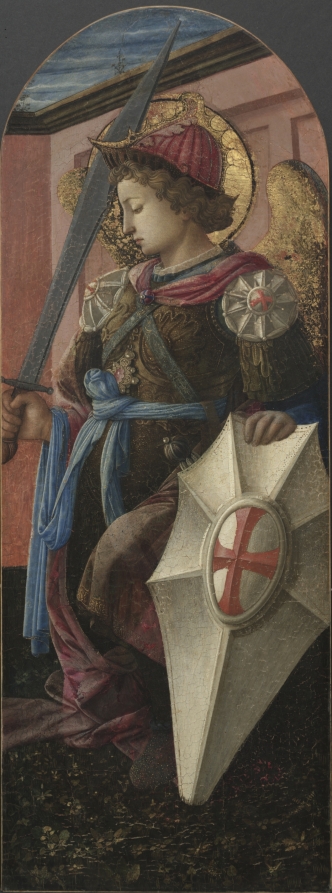
Panel from a Triptych: The Archangel Michael, Fra Filippo Lippi, 1458

Fra Filippo Lippi

Panel from a Triptych: The Archangel Michael, 1458

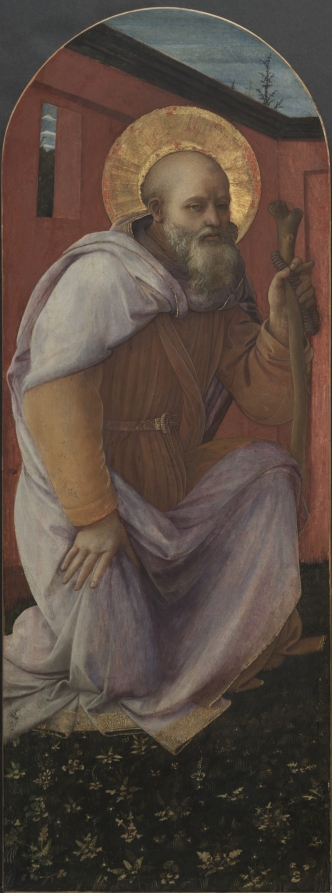
Panel from a Triptych: St. Anthony Abbot, Fra Filippo Lippi, 1458

Fra Filippo Lippi

Panel from a Triptych: St. Anthony Abbot, 1458

Virgin and Child with Angels, Fra Filippo Lippi, c. 1460

Fra Filippo Lippi

Virgin and Child with Angels, c. 1460