Jean-Auguste-Dominique IngresFrankrig, 1780–1867
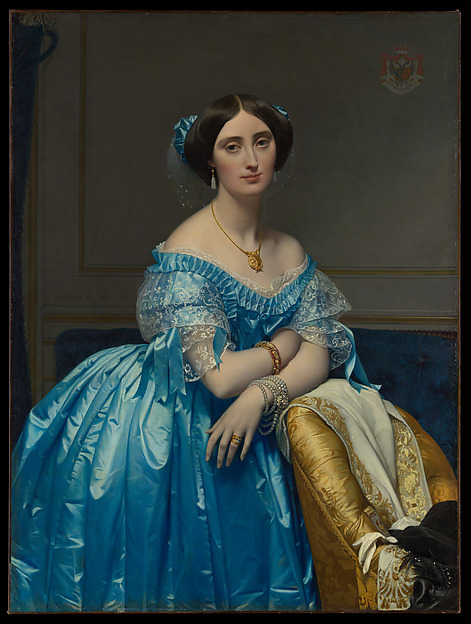
Mrs. Edward Dodwell
Kan det ses?
Ikke udstillet lige nu
Hvor er »Mrs. Edward Dodwell« i dag? Samling: National Gallery of Art, Washington, D.C. Ikke udstillet lige nu. Kontrolleret 12. oktober 2026.

Washington, D.C., USA
Det hører til samlingen, men er ikke udstillet for tiden.
- Kontrolleret
- Uændret siden
- Kilde
- Museet
Oplysninger
- Inventarnummer
- 1995.47.53
Hvad det viser
I kataloget
Kilder
- National Gallery of Art
- Billede: National Gallery of Art — Museum open access
Imens i livet hos Jean-Auguste-Dominique Ingres
Hele livet1814
Death of his father
In 1814 Ingres's father, Jean-Marie-Joseph, died in France. They had last met ten years earlier, in 1804, when his father visited Paris and Ingres painted his portrait.
1814–1815
The loss of a child
After a difficult childbirth the child of Ingres and Madeleine did not survive, and the couple remained childless.
1815
The fall of the Empire strips Ingres of his patrons
After the fall of Napoleon's empire and the Congress of Vienna, the French living in Rome left the city in droves. Ingres, dependent on a narrow circle of patrons, could no longer earn as he used to.
1815–1820
Portrait drawings of tourists to make a living
With the French administration gone, painting commissions were rare, and Ingres supplemented his income with pencil portraits of wealthy tourists, chiefly English. To visitors who asked whether this was where the man who draws the little portraits lived, he answered irritably: “No, the man who lives here is a painter!”
1817
The commission for “Christ Giving the Keys to Peter”
In 1817 the Count of Blacas, France's ambassador to the Holy See, gave Ingres his first official commission since 1814, for Christ Giving the Keys to Peter. Completed in 1820, the picture was well received in Rome, but to the artist's chagrin the ecclesiastical authorities would not allow it to be sent to Paris for exhibition.
1819
Critics condemn the “Grande Odalisque” at the Salon
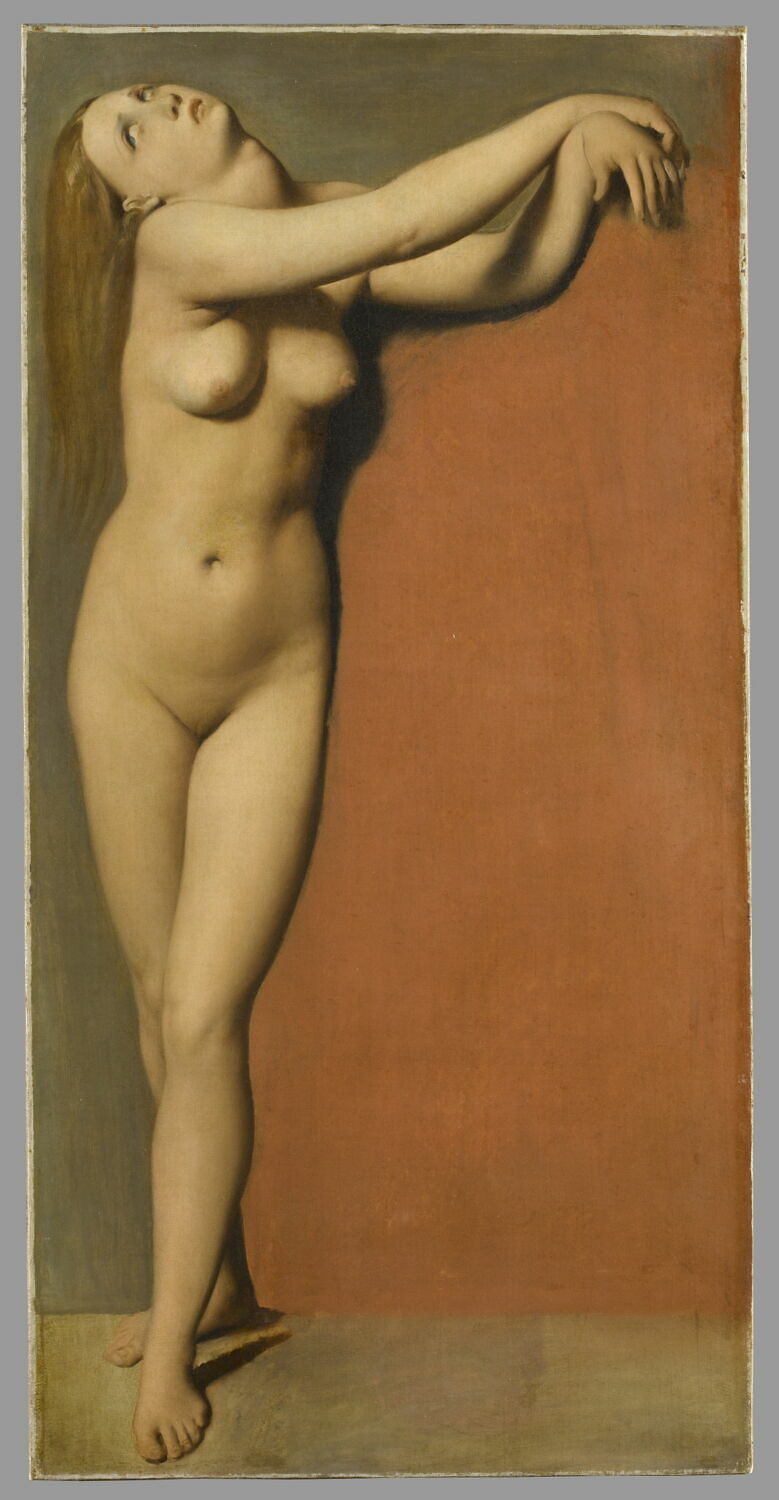
In 1819 Ingres sent the Grande Odalisque, Philip V and the Marshal of Berwick and Roger Freeing Angelica to the Salon, but critics again condemned his work as gothic and unnatural. The critic Kératry complained that the Odalisque's back was three vertebrae too long.



![Ginevra de' Benci [obverse], Leonardo da Vinci, c. 1474/1478](https://api.nga.gov/iiif/8f29e3c9-a289-4d53-abf0-31a66e9e98fa/full/!2400,2400/0/default.jpg)
![Wreath of Laurel, Palm, and Juniper with a Scroll inscribed Virtutem Forma Decorat [reverse], Leonardo da Vinci, c. 1474/1478](https://api.nga.gov/iiif/ff62e8d0-45c4-498f-ad36-6358de827e04/full/!2400,2400/0/default.jpg)