ART WIKI33.040 udstillet
KortSamlingKunstnereMuseerUdstillingerJournal
Log ind

ART WIKI

Hvor mesterværket hænger, og hvornår man bliver lukket ind.

Samlinger: Art Institute of Chicago, Det Russiske Museum, Eremitagen, Getty Villa, Harvard Art Museums, Hirshhorn Museum and Sculpture Garden, J. Paul Getty Museum, Louvre, Metropolitan Museum of Art, Minneapolis Institute of Art, Museum of Modern Art, National Gallery of Art, National Museum of Asian Art, National Portrait Gallery (Smithsonian), Pusjkinmuseet, Rijksmuseum Amsterdam, Smithsonian American Art Museum, Statens Museum for Kunst, The Cleveland Museum of Art, Tretjakovgalleriet, Victoria and Albert Museum, Whitney Museum of American Art, Ruslands statskatalog over museumsfonden (274 museer), Europeana (19 museer), Wikidata (6 museer), Paris Musées (12 museer) og Joconde, det franske kulturministeriums museumsdatabase (495 museer). Billederne tilhører deres rettighedshavere.

Afsnit

  • Kort
  • Søgning
  • Samling
  • Mesterværker
  • Udstillet nu
  • Kunstnere

Mere

  • Museer & gallerier
  • Udstillinger
  • Journal
  • Hvor data kommer fra
  • Privatliv & cookies
ForsideKortKatalog
  1. Samling/
  2. Victoria and Albert Museum/
  3. Milo of Croton
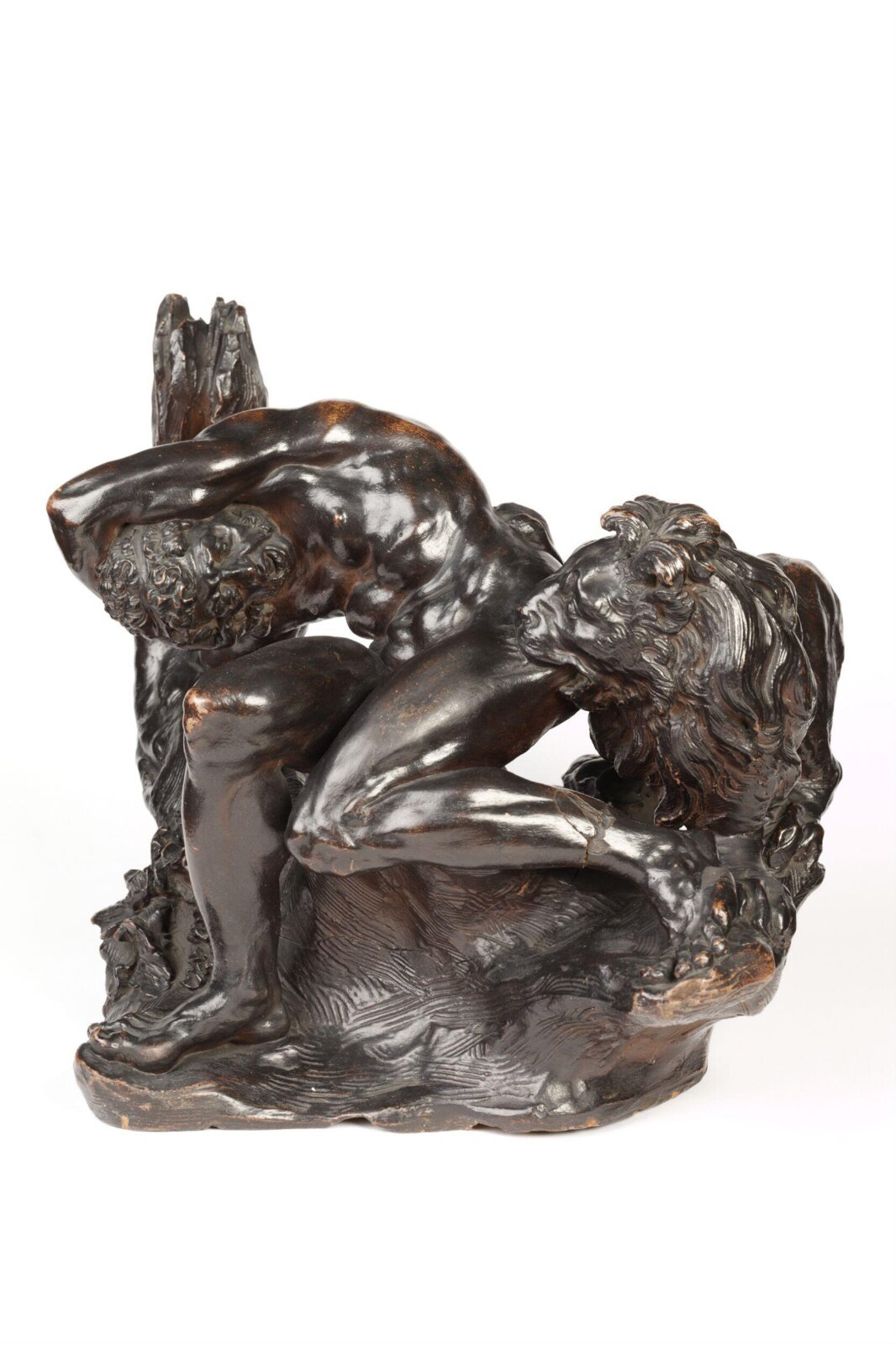
Milo of Croton, ca. 1750

Milo of Croton

ca. 1750 · Statuette

Må man se det?

Ja, det tager imod

Victoria and Albert Museum

London, Storbritannien

SalSculpture, Room 111, The Gilbert Bayes Gallery

Udstillet for publikum. Hvem der står inde for det, står nedenfor.

Kontrolleret
for 13 dage siden
Uændret siden
25. sep. 2026
Kilde
Museet
På kortetMuseets side

Om skulpturen

This statuette is based on a marble sculpture by Pierre Puget, completed in 1682. Although the V&A sculpture is made of terracotta (fired clay), the surface has been painted to resemble bronze, a much more expensive material, so the end result would have been intended to look like bronze - at least from a distance.

Milo of Croton was a legendary athlete of great strength who lived at Croton in Southern Italy in the 6th century BC. Legend has it that on seeing an oak tree partly split open with a wedge he tested his strength once more by trying to wrench it apart, but the wedge fell out, his hands were trapped, and he was devoured by wild beasts.

Victoria and Albert Museum

Oplysninger

Inventarnummer
A.9-1952

I samme sal · Sculpture, Room 111, The Gilbert Bayes Gallery, Victoria and Albert Museum

Museets side

Om samme emne · Milo (of Croton)

Alle værker om emnet

Hvad det viser

Milo (of Croton)

I kataloget

SkulpturTerrakotta og keramikRokoko1700-talletFrankrig

Kilder

  • Victoria and Albert Museum
  • Billede: Victoria and Albert Museum — © Victoria and Albert Museum, London
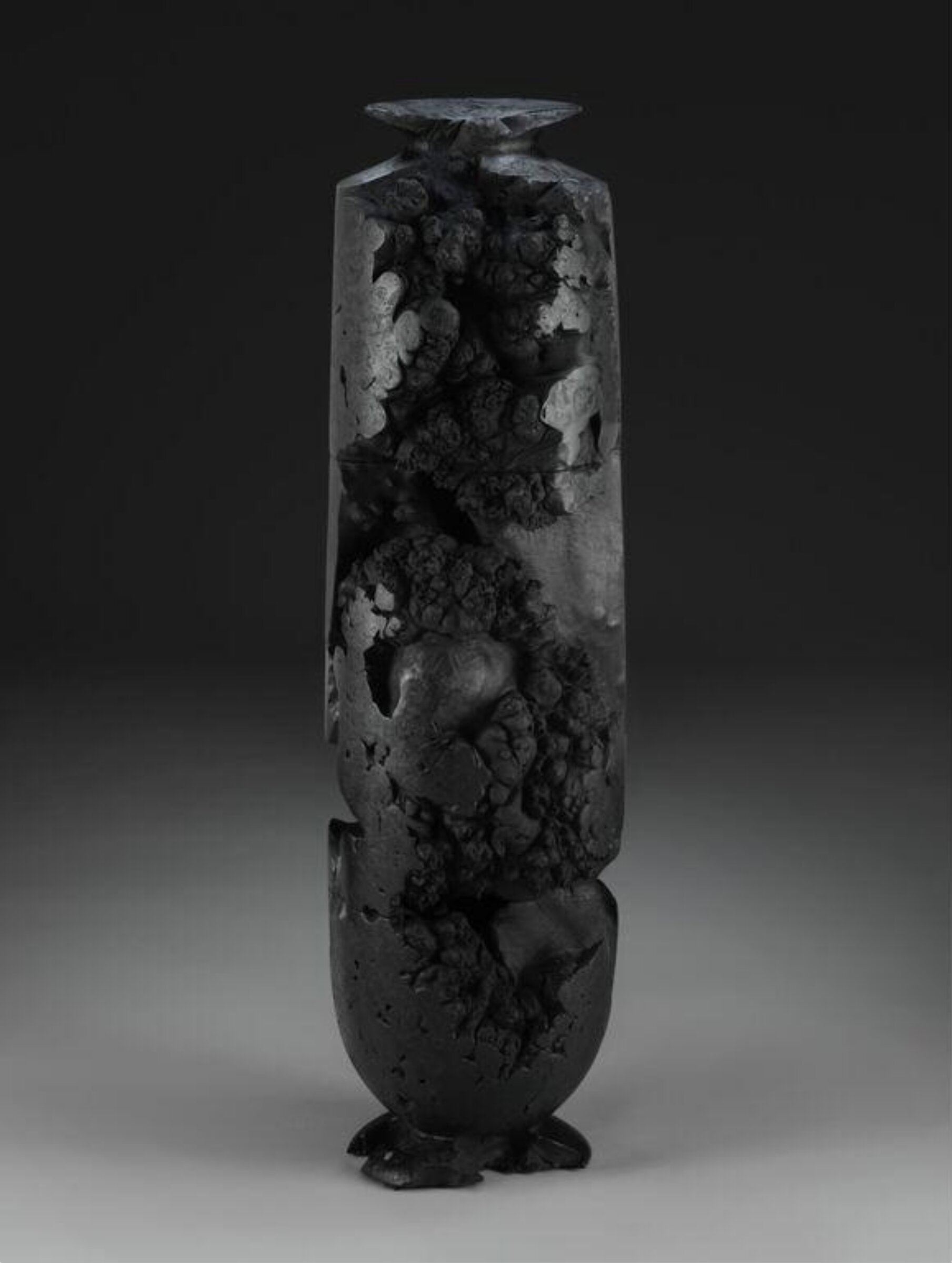
Echoes of Amphora: Column Vessel I/20, Eleanor Lakelin, 2020

Eleanor Lakelin

Echoes of Amphora: Column Vessel I/20, 2020

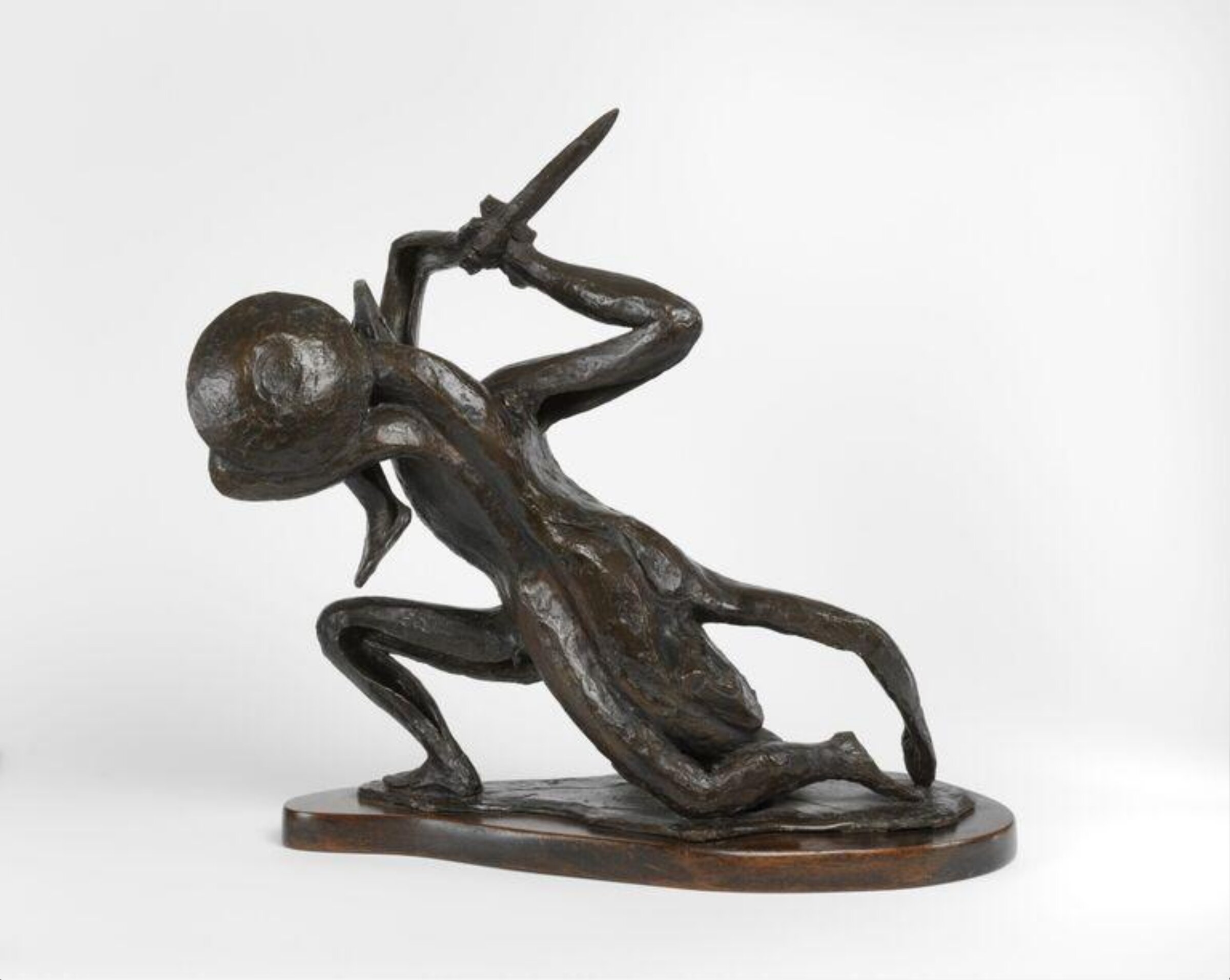
Gladiators: Hector and Ajax (Combat), Leon Underwood, 1963

Leon Underwood

Gladiators: Hector and Ajax (Combat), 1963

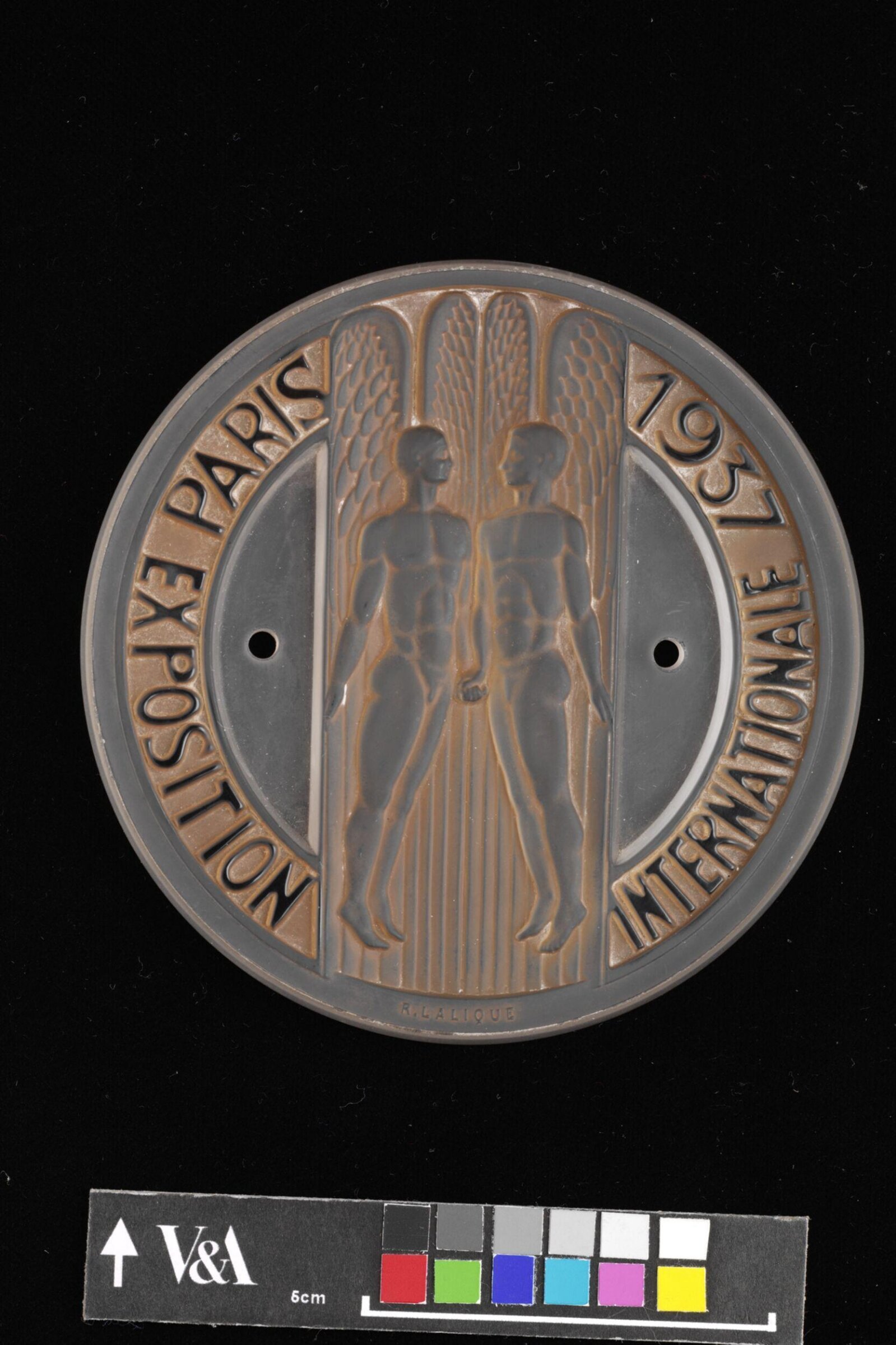
Plaque, René Jules Lalique, 1937

René Lalique

Plaque, 1937

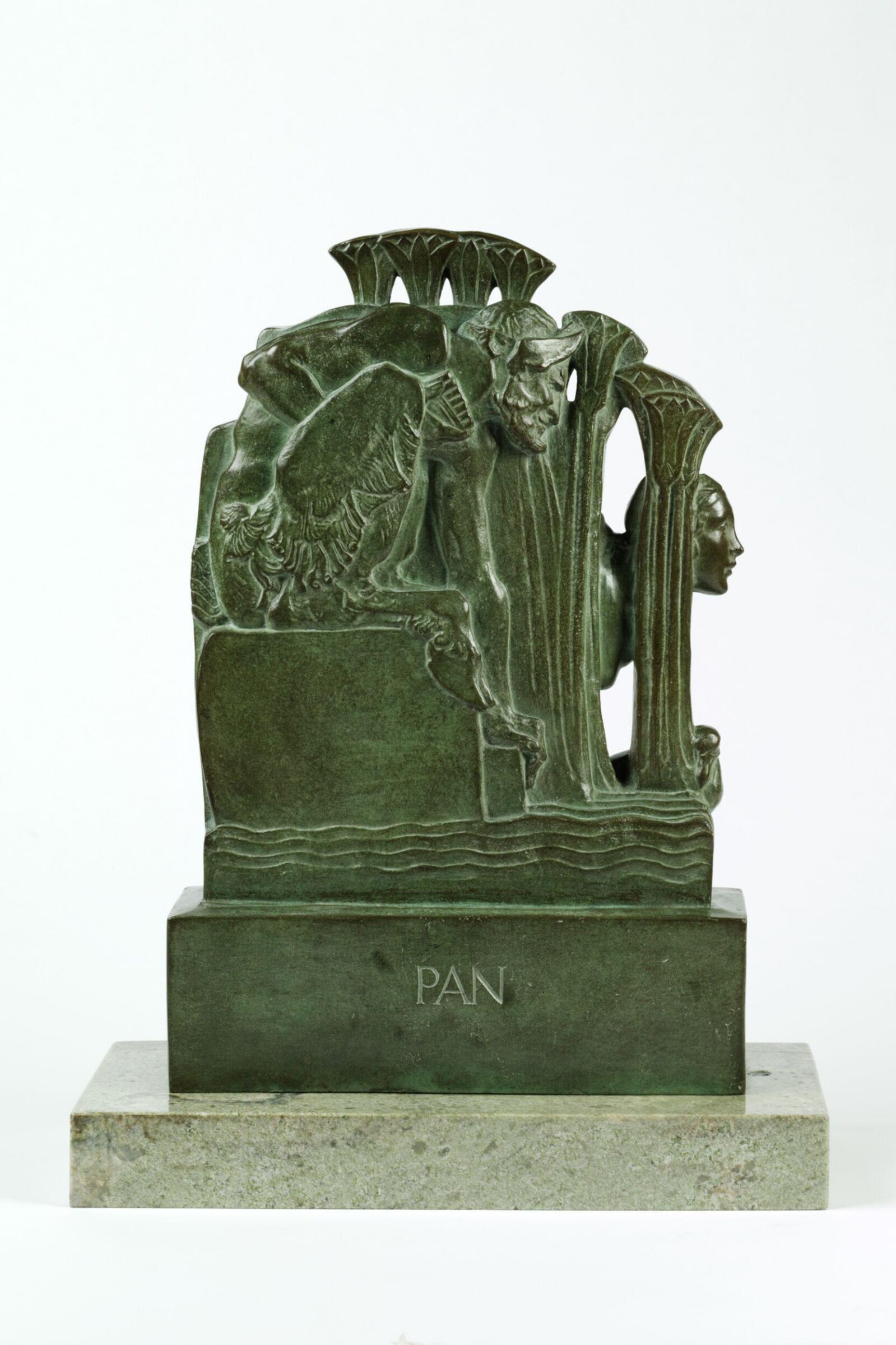
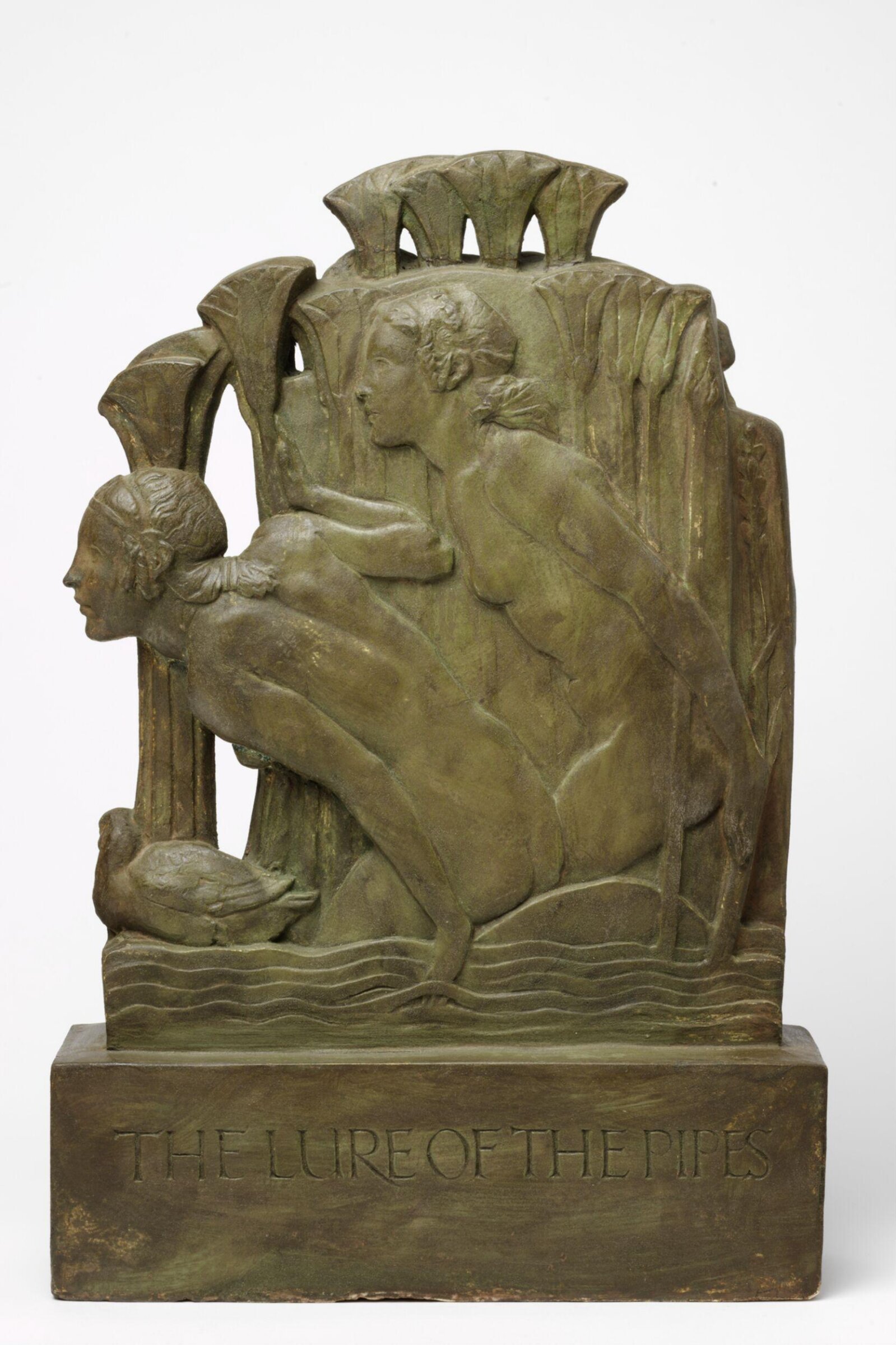
The Lure of the Pan Pipes, Gilbert Bayes, 1932

Gilbert Bayes

The Lure of the Pan Pipes, 1932

The Lure of the Pan Pipes, Gilbert Bayes, 1932

Gilbert Bayes

The Lure of the Pan Pipes, 1932

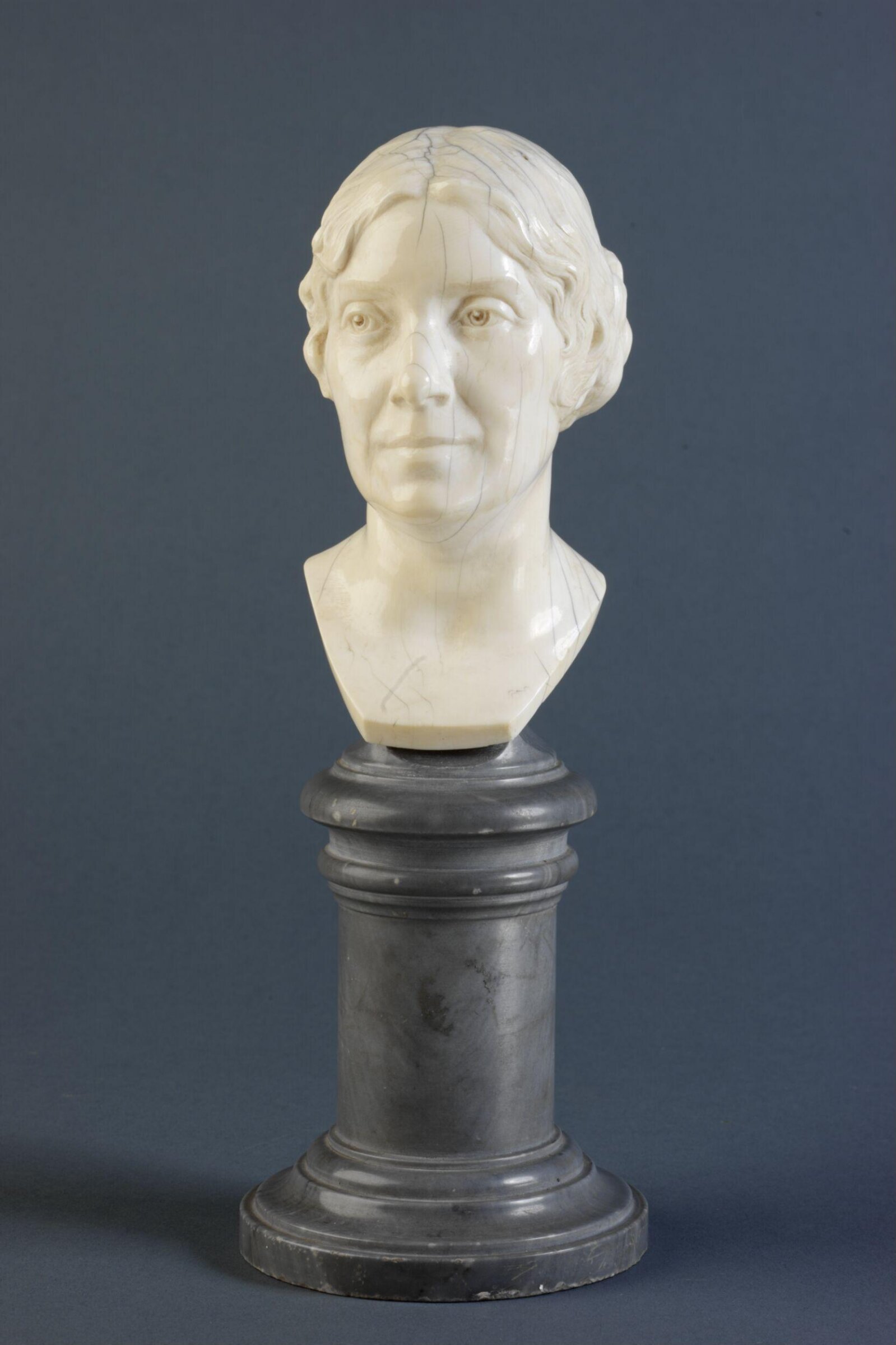
Emmeline Pankhurst, Arthur George Walker, ca. 1929

Arthur George Walker

Emmeline Pankhurst, ca. 1929

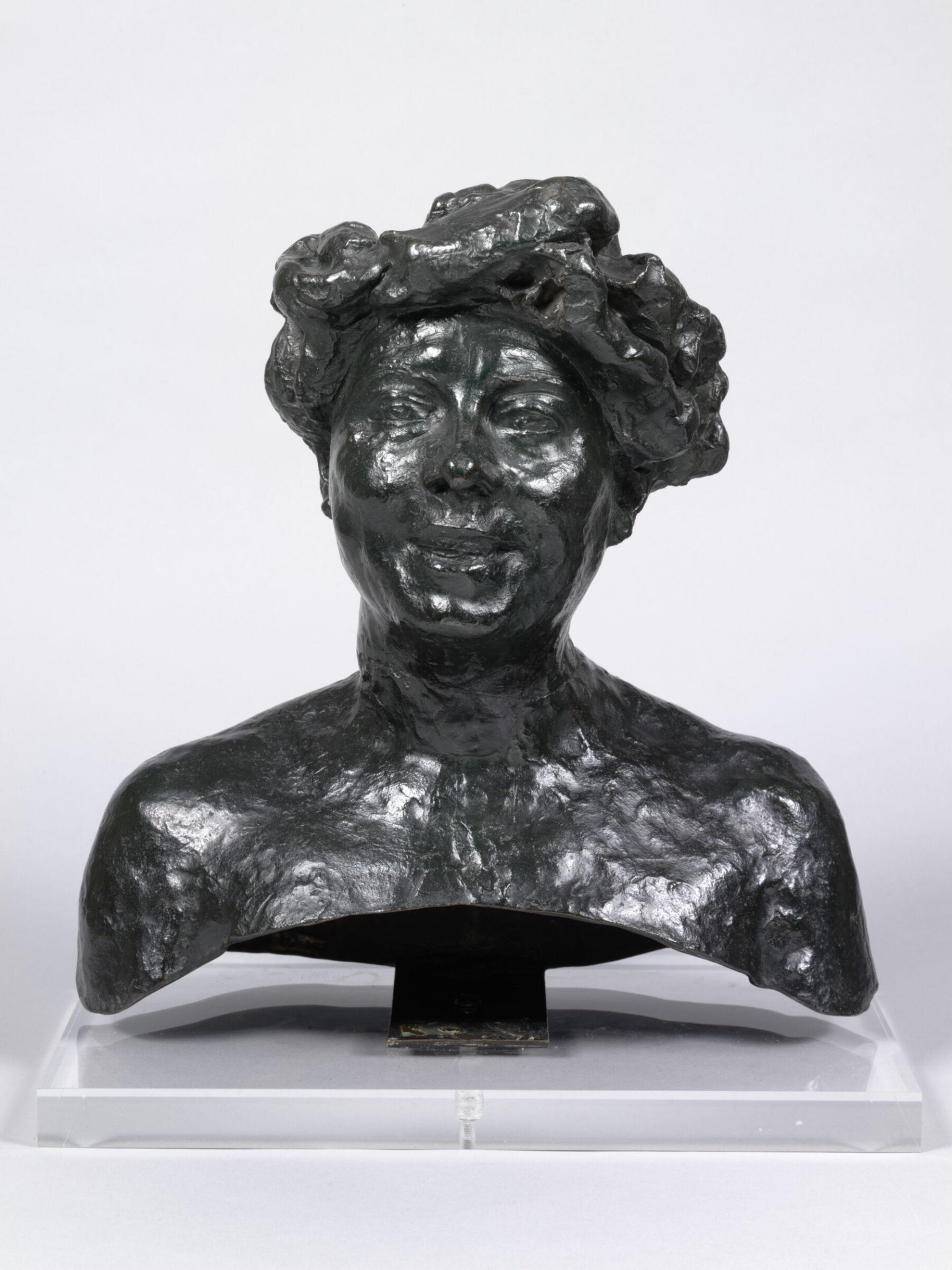
The Duchesse de Choiseul, Auguste Rodin, 1908

Auguste Rodin

The Duchesse de Choiseul, 1908

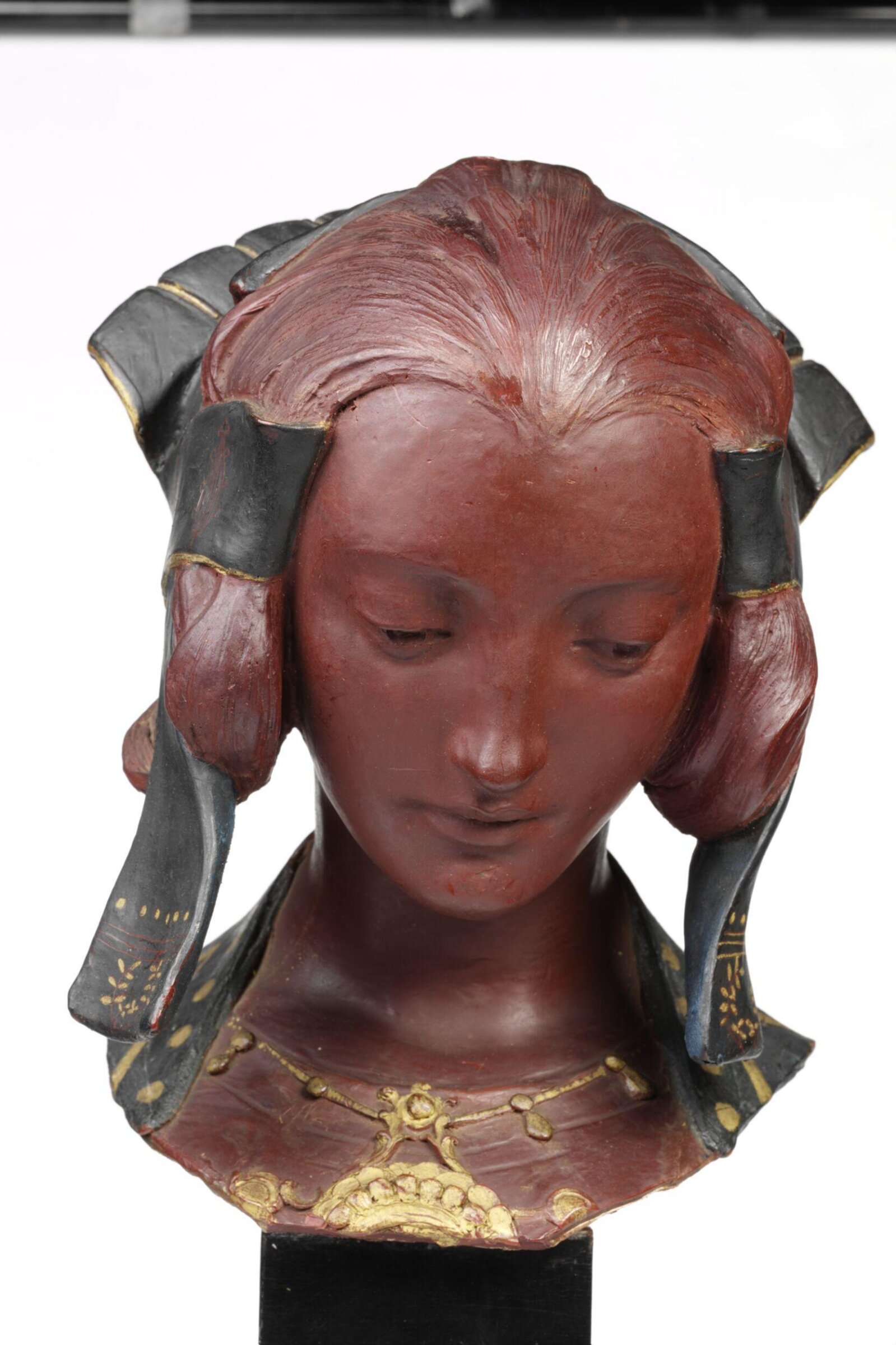
St Elizabeth, George James Frampton, 1902

George James Frampton

St Elizabeth, 1902

Beeld van Milo van Croton, Louis Desplaces, 1697 - 1739

Louis Desplaces

Beeld van Milo van Croton, 1697 - 1739

Rijksmuseum Amsterdam

Milo van Croton, Damiano Pernati, 1804

Damiano Pernati

Milo van Croton, 1804

Rijksmuseum Amsterdam

Milo van Croton worstelt met een rund, Damiano Pernati, 1799

Damiano Pernati

Milo van Croton worstelt met een rund, 1799

Rijksmuseum Amsterdam