Maurits Cornelis EscherHolland, 1898–1972
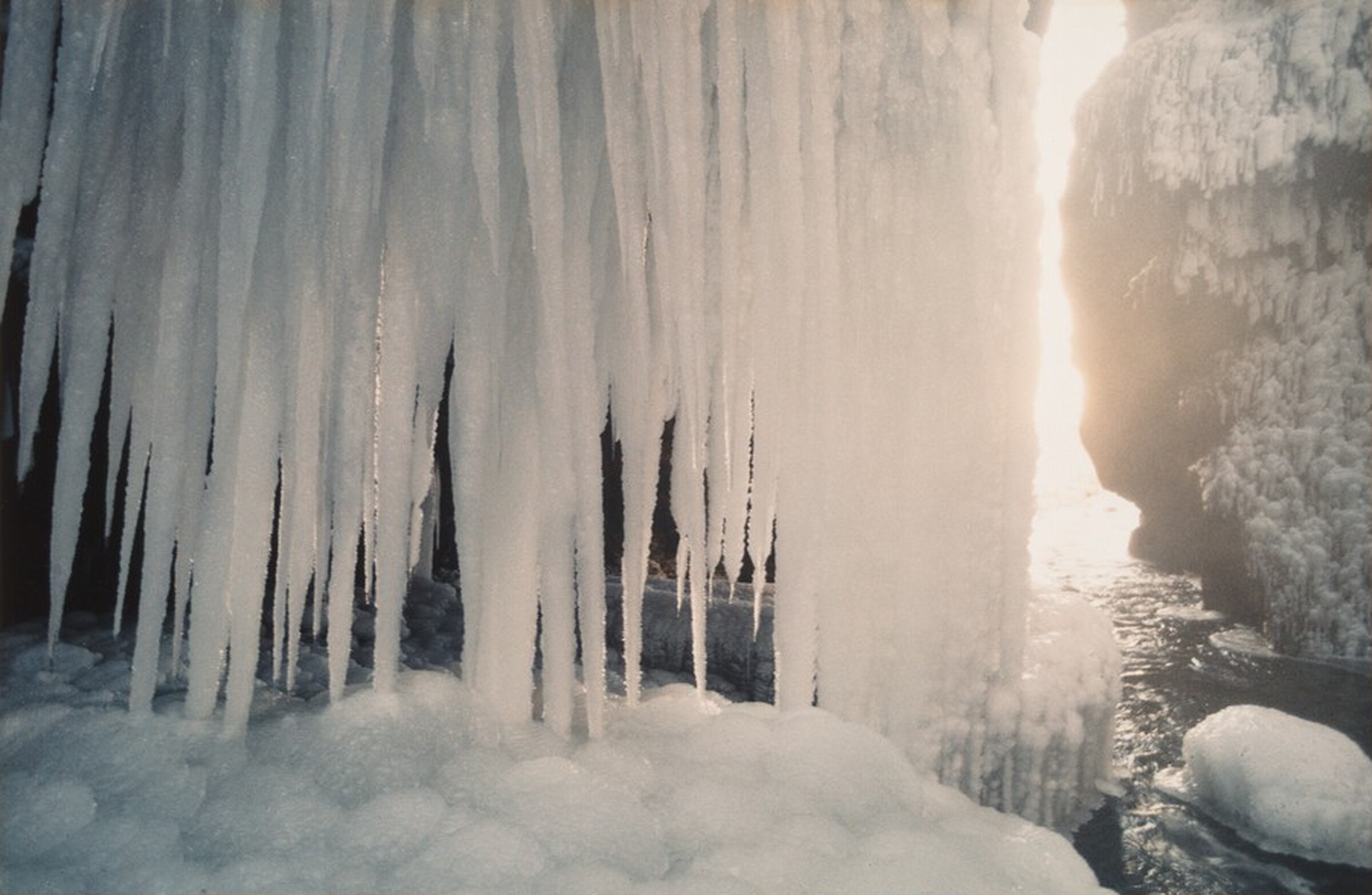
Madonna del Parto, Sutri
Kan det ses?
Ikke udstillet lige nu
Hvor er »Madonna del Parto, Sutri« i dag? Samling: National Gallery of Art, Washington, D.C. Ikke udstillet lige nu. Kontrolleret 29. september 2026.

Washington, D.C., USA
Det hører til samlingen, men er ikke udstillet for tiden.
- Kontrolleret
- Uændret siden
- Kilde
- Museet
Oplysninger
- Inventarnummer
- 2021.98.4
Hvad det viser
I kataloget
Kilder
- National Gallery of Art
- Billede: National Gallery of Art — © the artist or rights holder
Imens i livet hos Maurits Cornelis Escher
Hele livetNovember 1923 – 1935
Rome and yearly journeys through Italy
From November 1923 Escher lived in Rome and until 1935 travelled each year for at least two months through Italy — Sicily, Abruzzo, Campania, and also Corsica, Malta and Tunisia; these journeys produced many landscapes whose perspective already hints at his later geometric experiments. He could not support his family on the sale of his work and lived on his father’s help.
1924–1935 · Virkested
Rome
1925
A house in Frascati
Back in Italy, the Eschers bought an unfinished house in Frascati near Rome and moved into it in October 1925.
16 October 1925
The death of his brother Arnold; “The Days of Creation”
On 16 October 1925 Escher’s brother Arnold was killed in the mountains of South Tyrol, and the artist had to travel there to identify the body. It was after this that Escher made “The Days of Creation”.
1926
The birth of his son George
In July 1926 Escher and Jetta had a son, George, in Rome; King Victor Emmanuel III and Benito Mussolini attended the child’s christening. A second son, Arthur, was born in 1928.
1929
Five exhibitions in Holland and Switzerland
By the late 1920s Escher had become known in the Netherlands — not least through the efforts of his parents, who had moved to The Hague; in 1929 he held five exhibitions in Holland and Switzerland that were well received even in the most influential Dutch newspapers. It was then that his pictures were first called mechanical and “logical”.


![Ginevra de' Benci [obverse], Leonardo da Vinci, c. 1474/1478](https://api.nga.gov/iiif/8f29e3c9-a289-4d53-abf0-31a66e9e98fa/full/!2400,2400/0/default.jpg)
![Wreath of Laurel, Palm, and Juniper with a Scroll inscribed Virtutem Forma Decorat [reverse], Leonardo da Vinci, c. 1474/1478](https://api.nga.gov/iiif/ff62e8d0-45c4-498f-ad36-6358de827e04/full/!2400,2400/0/default.jpg)