 Max ErnstFrankrig, 1891–1976
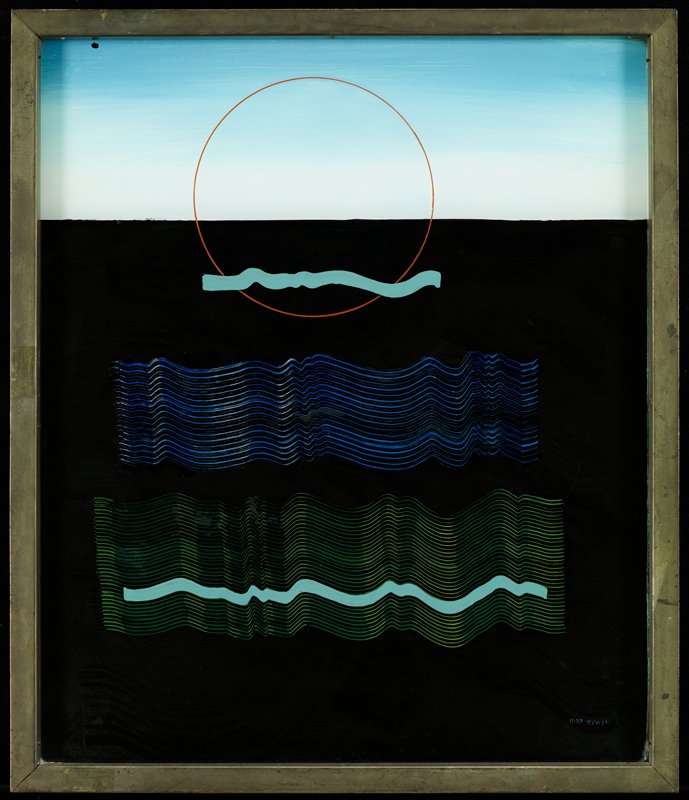
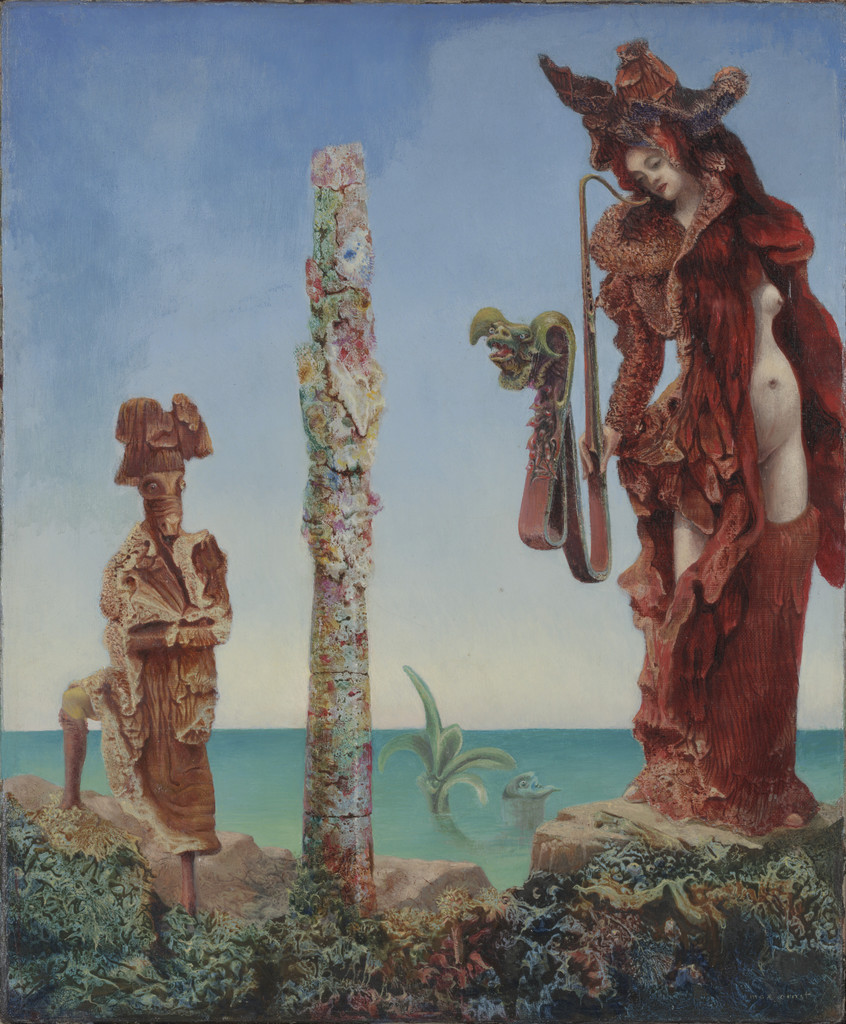
Lunar Asparagus (Les Asperges de la lune)
Kan det ses?
Ikke udstillet lige nu
Hvor er »Lunar Asparagus (Les Asperges de la lune)« i dag? Samling: Museum of Modern Art, New York City. Ikke udstillet lige nu. Kontrolleret 22. september 2026.

New York City, USA
Det hører til samlingen, men er ikke udstillet for tiden.
- Kontrolleret
- Kilde
- Museet
Oplysninger
- Inventarnummer
- 584.1973
I kataloget
Kilder
- Museum of Modern Art
- Billede: Museum of Modern Art — © the artist or rights holder
Imens i livet hos Max Ernst
Hele livet1934–1935
“Une semaine de bonté” and the first sculptures
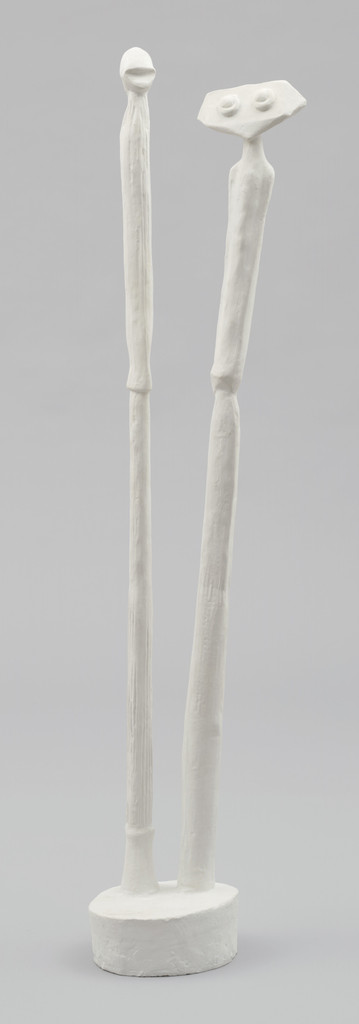
In 1934 appeared Ernst’s next collage novel, Une semaine de bonté. He spent the summers of 1934 and 1935 at Maloja with the sculptor family Giacometti and turned to sculpture.
1936
Shows at MoMA and in London; decalcomania
In 1936 Ernst took part in the exhibition Fantastic Art, Dada, Surrealism at MoMA in New York and in the large surrealist exhibition in London; that year Óscar Domínguez introduced decalcomania, which Ernst began to use in oil painting.
1937
Leonora Carrington: a passion and a house in the Ardèche
In 1937, at Roland Penrose’s in London, Ernst met Leonora Carrington, who had been struck by his paintings at the surrealist exhibition a year earlier. A passion flared between them and Leonora followed him to Paris; he left his wife and lived with her for several years, buying a house at Saint-Martin-d’Ardèche where he made many frescoes and sculptures.
1939
Interned as an “undesirable foreigner”
When the Second World War broke out Ernst was arrested as a national of an enemy country: six weeks in a remand house at Largentière (Leonora Carrington followed him there), then the Camp des Milles near Aix-en-Provence, where he shared a room with Hans Bellmer, who painted his portrait with his face as a brick wall. At the end of the year he was released with the help of the Interior Minister Albert Sarraut, whom Paul Éluard had enlisted.
1940–1941
Escape from Europe: Marseille, Madrid, Lisbon
In December 1940 Ernst reached Marseille, where Varian Fry handed him the papers obtained by Alfred Barr; there he met Breton and met Peggy Guggenheim, who bought a dozen of his works and resolved to help him leave. Via Madrid, where customs officers, admiring his paintings, let him through despite problems with his papers, he reached Lisbon and waited several weeks for a seat on a plane.
late 1942
Dorothea Tanning and “Birthday”
Selecting pictures for an exhibition of women artists at Peggy’s gallery, Ernst noticed Dorothea Tanning’s Birthday. Julien Levy introduced him to the painter, and a few meetings were enough for him to fall in love.