 William Hodges1744–1797
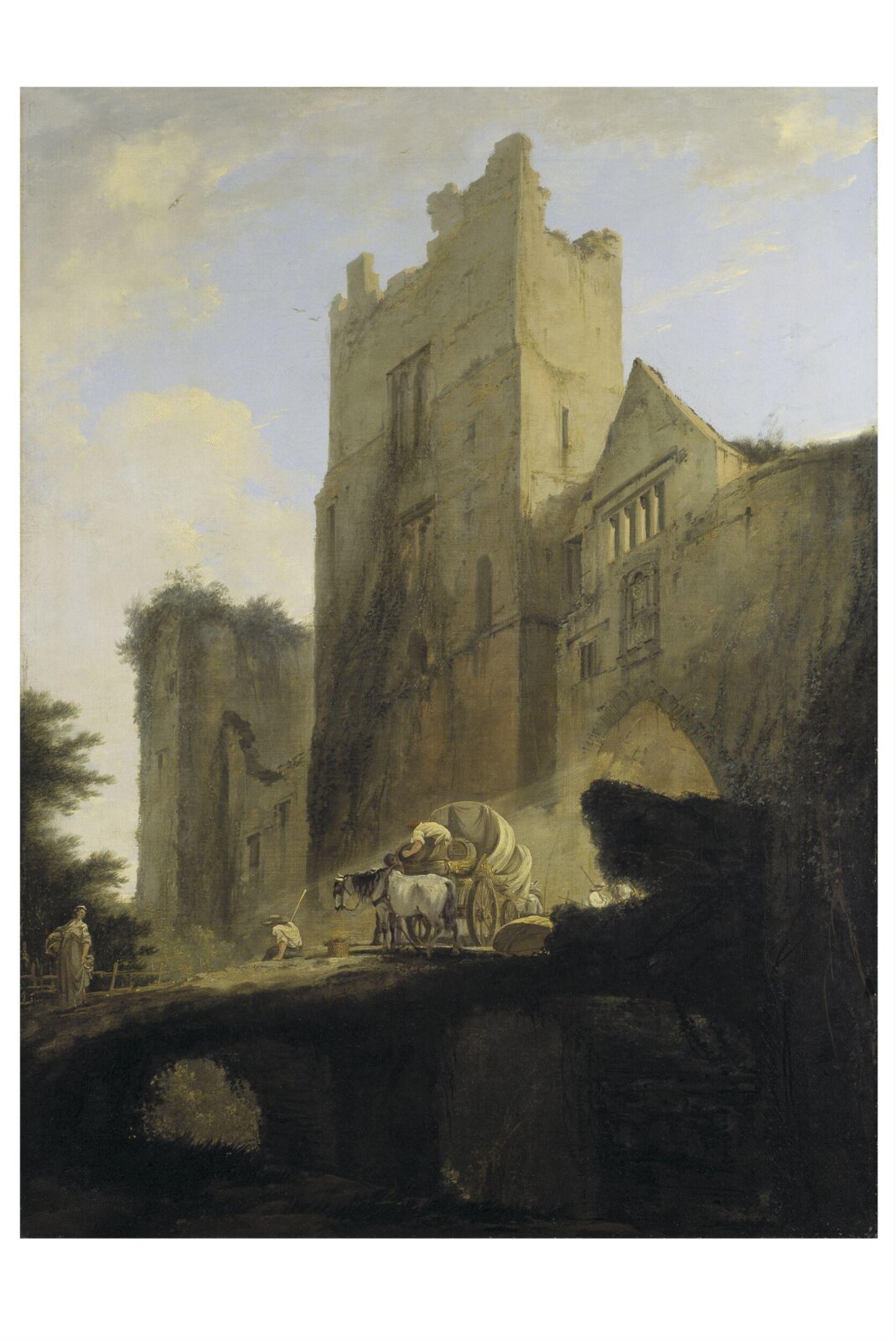
Ludlow Castle, Shropshire
Må man se det?
Ja, det tager imod

London, Storbritannien
SalBritish Galleries, Room 120, The Wolfson Galleries
Udstillet for publikum.
- Kontrolleret
- Uændret siden
- Kilde
- Museet
Om maleriet
Object Type
In the course of the second half of the 18th century, the developing enthusiasm for the more remote landscapes of Britain, notably in Wales and Scotland, and for the dramatic histories often associated with them, meant that an increasing number of oil painters provided oil paintings and watercolours to meet the demand.
People
William Hodges (1744-1797) was a landscape painter who had sailed with Captain James Cook and recorded his discoveries. He returned to Britain in 1775 and found many of his countrymen eager for romantic views of ancient and historic buildings. Hodges had been a pupil of Richard Wilson (?1713-1782), whose treatment of landscape strongly influenced the next generation of artists, particularly J.M.W. Turner (1775-1851).
Subjects Depicted
Læs videre
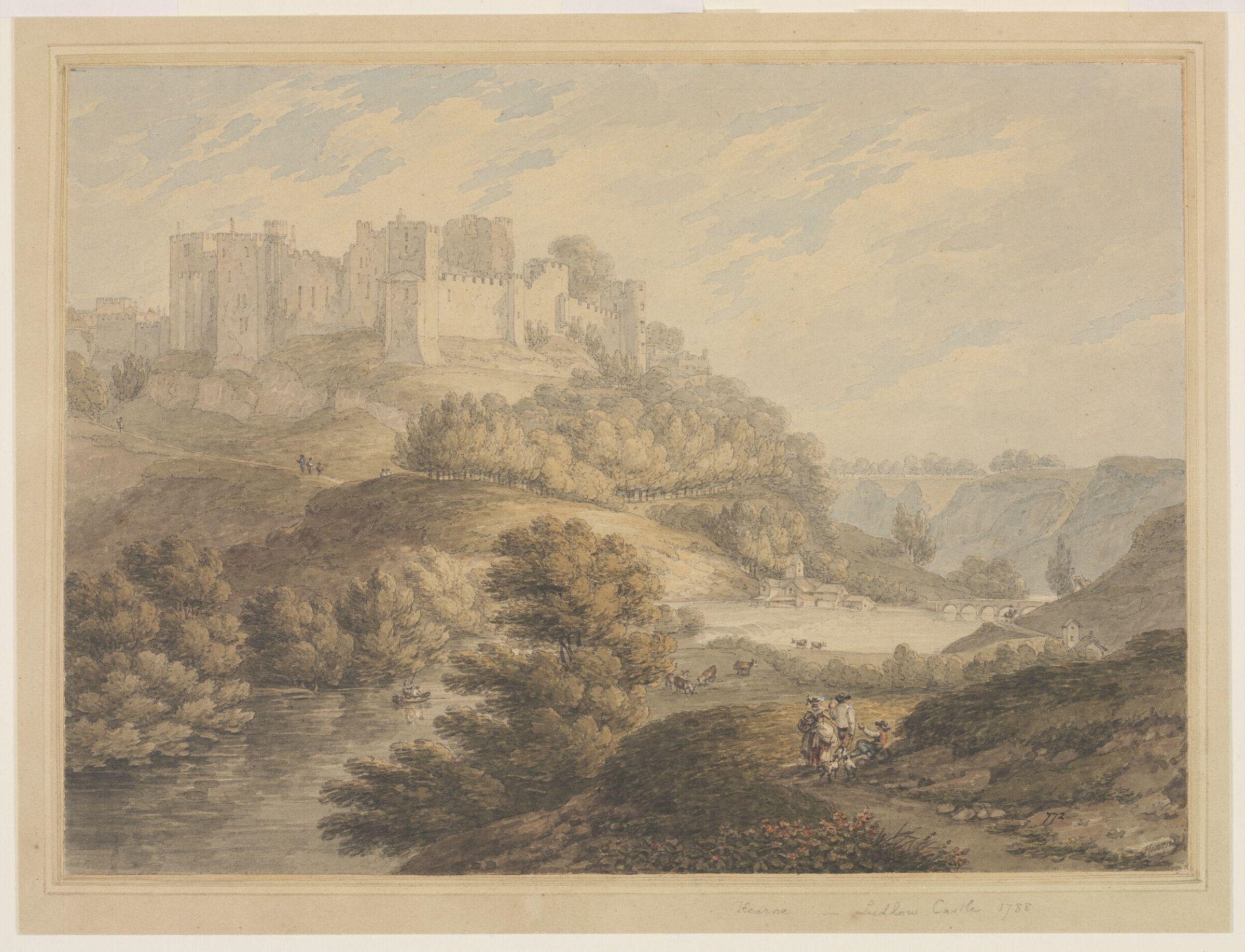
This view of Ludlow Castle was a typical product of the demand for pictures showing atmospheric ruins or part ruins from the romantic past. Ludlow Castle was initially built between 1086 and 1094, one of the last castles ordered to be built by William the Conqueror to protect his English kingdom following the Norman Conquest. As Ludlow was located on the border with an independent Wales, it was a site of major strategic importance. Many battles and sieges in the turbulent history of Britain subsequently took place here, right up to the Civil Wars in the mid-17th century. After that date it fell into increasingly picturesque decay.
Victoria and Albert Museum
Oplysninger
- Inventarnummer
- 43-1880
Hvad det viser
I kataloget
Kilder
- Victoria and Albert Museum
- Billede: Victoria and Albert Museum — © Victoria and Albert Museum, London