Alphonse MuchaTjekkiet, 1860–1939
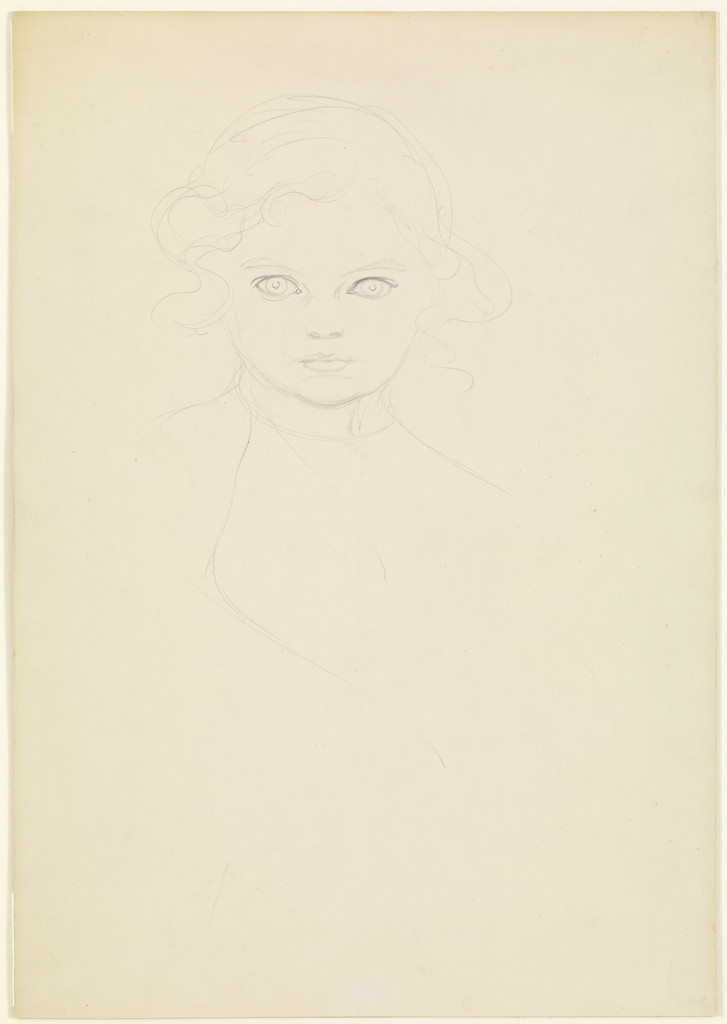
Lorenzaccio
Må man se det?
Tager ikke imod for tiden

The Cleveland Museum of Art
Cleveland, USA
Det hører til samlingen, men er ikke udstillet for tiden.
- Kontrolleret
- for 18 timer siden
- Uændret siden
- 19. aug. 2026
- Kilde
- Museets egne samlingsdata
Oplysninger
- Inventarnummer
- 1973.1018
I kataloget
Kilder
- The Cleveland Museum of Art: the museum's own open data · hentet for 5 dage siden
- Billede: The Cleveland Museum of Art — Museum open access
Imens i livet hos Alphonse Mucha
Hele livet26 December 1894
Sarah Bernhardt orders the poster for “Gismonda”
Bernhardt telephoned Maurice de Brunhoff of the publishing firm Lemercier, ordering a poster for the continued run of Sardou’s “Gismonda” by 1 January 1895; because of the holidays none of the regular Lemercier artists was available, and Mucha, who happened to be at the firm correcting proofs, took the job.
1 January 1895
The “Gismonda” poster appears on the streets of Paris
The poster, a little over two metres high, with Bernhardt as a Byzantine noblewoman under a rainbow-shaped arch almost like a halo, appeared on the streets of Paris on 1 January 1895 and caused an immediate sensation; Bernhardt ordered four thousand copies in 1895 and 1896 and gave Mucha a six-year contract.
1897
Retrospective at the Salon des Cent: 448 works
Léon Deschamps, the editor of La Plume, invited him to show at the Salon des Cent in 1896, and in 1897 the same gallery gave him a major retrospective of 448 works; the magazine La Plume devoted a special issue to him, and the exhibition travelled to Vienna, Prague, Munich, Brussels, London and New York, giving him an international reputation.
20 December 1899
“Le Pater” is published
Wishing to be recognised as a serious artist and philosopher, he gave a pictorial expression to every line of the Lord’s Prayer in a book published by Henri Piazza in an edition of only 510 copies; he considered it his printed masterpiece and said he had put his soul into it. The original watercolours were shown in the Austrian pavilion at the 1900 Exposition Universelle.
c. 1899 – 1900
A trip to the Balkans for sketches
As soon as the project was accepted, Mucha left for the Balkans to sketch costumes, ceremonies and architecture, which he put into his work for the pavilion.
1900
Exhibition: Exposition Universelle of 1900