ART WIKI32.963 udstillet
KortSamlingKunstnereMuseerUdstillingerJournal
Log ind

ART WIKI

Hvor mesterværket hænger, og hvornår man bliver lukket ind.

Samlinger: Art Institute of Chicago, Det Russiske Museum, Eremitagen, Getty Villa, Harvard Art Museums, Hirshhorn Museum and Sculpture Garden, J. Paul Getty Museum, Louvre, Metropolitan Museum of Art, Minneapolis Institute of Art, Museum of Modern Art, National Gallery of Art, National Museum of Asian Art, National Portrait Gallery (Smithsonian), Pusjkinmuseet, Rijksmuseum Amsterdam, Smithsonian American Art Museum, Statens Museum for Kunst, The Cleveland Museum of Art, Tretjakovgalleriet, Victoria and Albert Museum, Whitney Museum of American Art, Ruslands statskatalog over museumsfonden (274 museer), Europeana (19 museer), Wikidata (6 museer), Paris Musées (12 museer) og Joconde, det franske kulturministeriums museumsdatabase (495 museer). Billederne tilhører deres rettighedshavere.

Afsnit

  • Kort
  • Søgning
  • Samling
  • Mesterværker
  • Udstillet nu
  • Kunstnere

Mere

  • Museer & gallerier
  • Udstillinger
  • Journal
  • Hvor data kommer fra
  • Privatliv & cookies
ForsideKortKatalog
  1. Samling/
  2. Louvre/
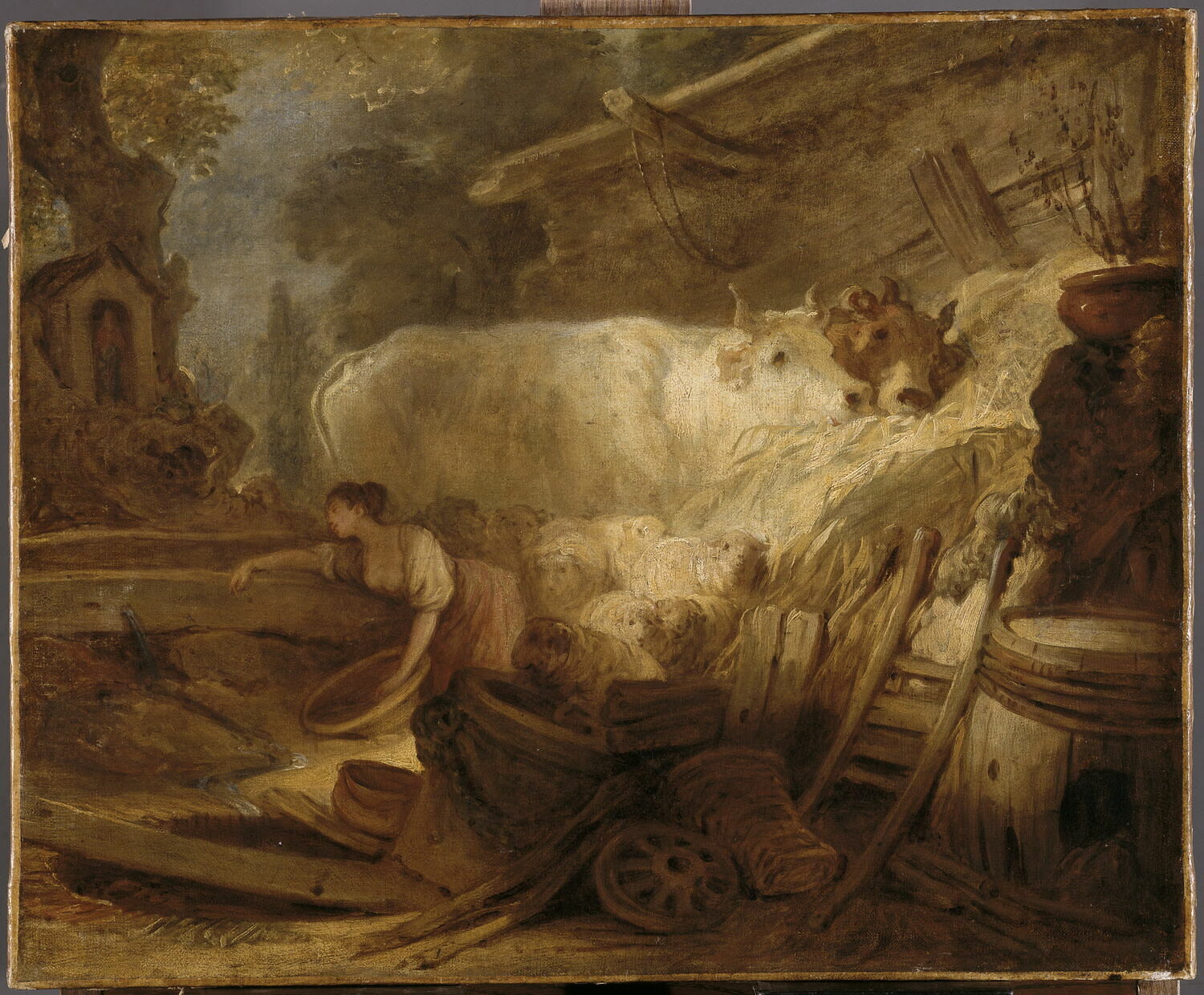
  3. L'Etable
L'Etable, Fragonard, Jean-Honoré, 3e quart du XVIIIe siècle (vers 1759 - 1765)
Jean-Honoré Fragonard, portrætJean-Honoré FragonardFrankrig, 1732–1806

L'Etable

3e quart du XVIIIe siècle (vers 1759 - 1765) · Peintures

Må man se det?

Ukendt

Louvre

Paris, Frankrig

Ejeren er kendt; om værket er udstillet i dag, vides ikke.

Uændret siden
26. sep. 2026
Kilde
Museet
På kortetMuseets side

Oplysninger

3e quart du XVIIIe siècle (vers 1759 - 1765)
17321806
Inventarnummer
RF 2003 9

I kataloget

MalerierFransk maleriRokoko1700-tallet

Kilder

  • Louvre
  • Billede: Louvre — © 2003 GrandPalaisRmn (musée du Louvre) / Jean-Gilles Berizzi

Imens i livet hos Jean-Honoré Fragonard

Hele livet
  1. 1760

    Travels through Italy with Hubert Robert

    Together with Hubert Robert he traveled across Italy, making numerous sketches of the local scenery. In the romantic gardens with their fountains, grottoes, temples and terraces, Fragonard found the imagery he would later embody in his art.

  2. c. 1761

    Studio in the Louvre

    On his return to Paris he received a studio in the Louvre palace, where he lived, and was put in charge of the decoration of the Galerie d'Apollon.

  3. April 1761

    Return to France via Venice and southern Italy

    Having lived in Rome until April 1761, he left the Eternal City with his patron the Abbé de Saint-Non and Hubert Robert: he visited Florence, Bologna and Venice, where he studied Tiepolo, made a journey to southern Italy, and returned to France.

  4. 1765

    "Coresus and Callirhoe" at the Salon: admission to the Academy

    He exhibited at the Paris Salon the painting "Coresus and Callirhoe" (now in the Louvre), for which the Royal Academy of Painting and Sculpture admitted him as a member. Diderot devoted a lavish panegyric to it, and the king bought the painting and ordered it reproduced at the Gobelins manufactory.

  5. second half of the 1760s

    Abandoning history painting for "gallant scenes"

    Despairing of attaining the position of first painter in the classical genre, he abandoned it for erotic genre scenes, which enjoyed the greatest success at the court of Louis XV. He soon became a fashionable artist — a master of pastoral landscapes, female portraits and small-format "cabinet pictures."
Mere af Jean-Honoré Fragonard

Alle værker
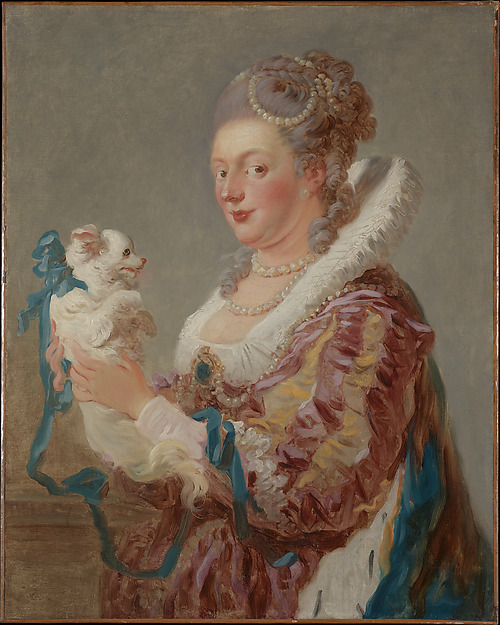
Marie Emilie Coignet de Courson (1716–1806) with a Dog, Jean Honoré Fragonard, ca. 1769

Marie Emilie Coignet de Courson (1716–1806) with a Dog

ca. 1769 · Metropolitan Museum of Art

The Love Letter, Jean Honoré Fragonard, early 1770s

The Love Letter

early 1770s · Metropolitan Museum of Art

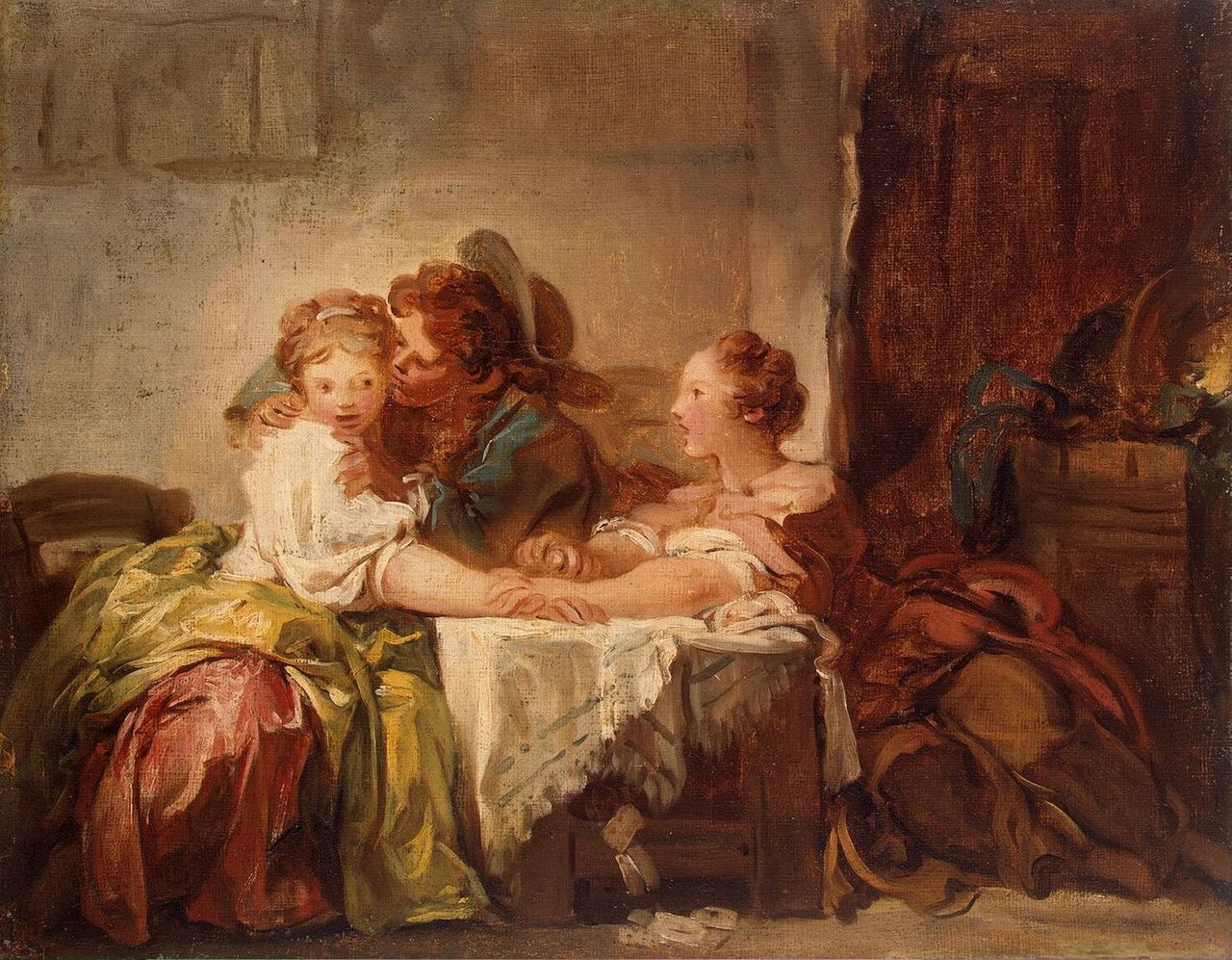
The Captured Kiss, Jean-Honoré Fragonard, 1750s

The Captured Kiss

1750s · Eremitagen

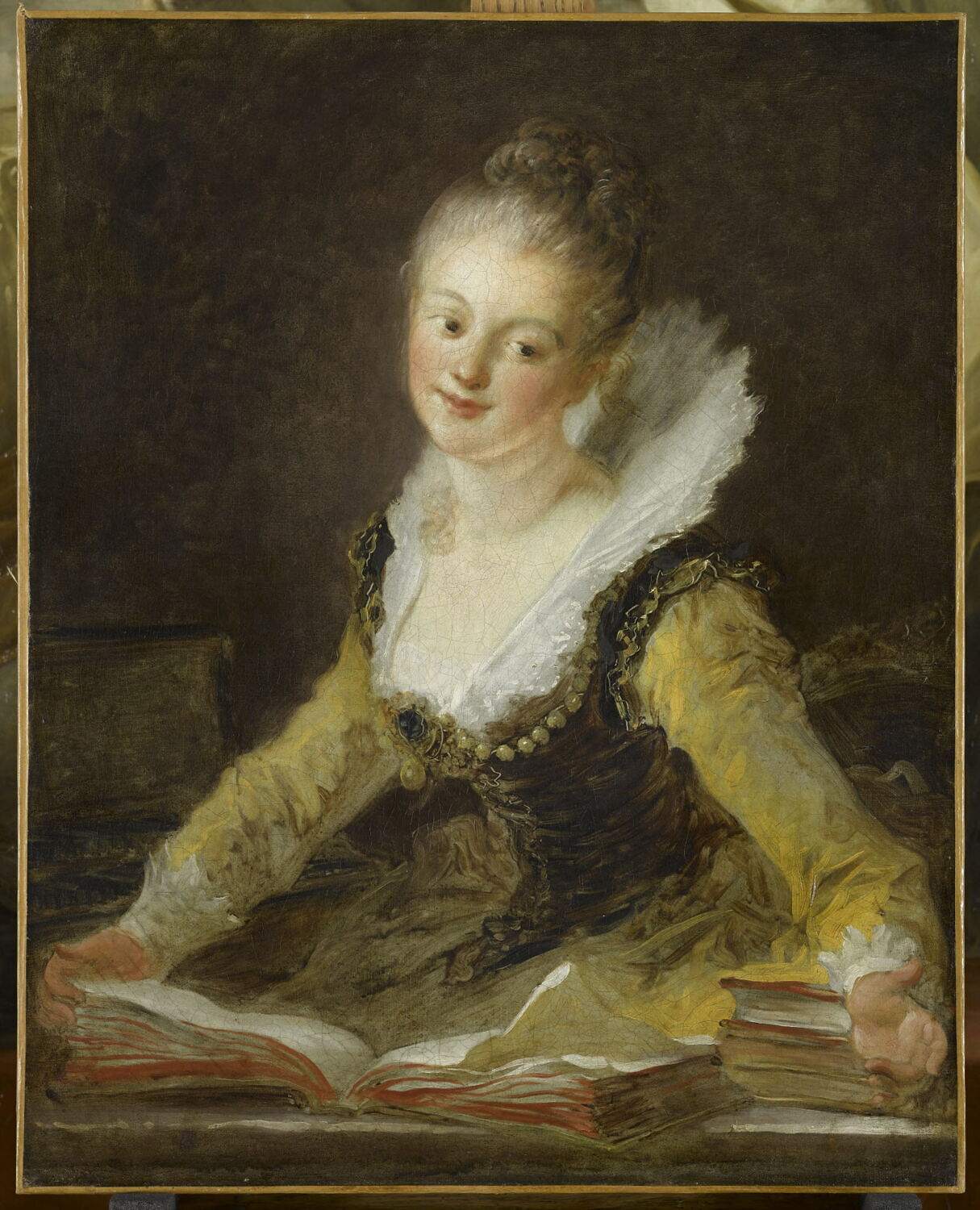
L'Étude, dit aussi parfois Le Chant., Fragonard, Jean-Honoré, 3e quart du XVIIIe siècle (1750 - 1775)

L'Étude, dit aussi parfois Le Chant.

3e quart du XVIIIe siècle (1750 - 1775) · Louvre

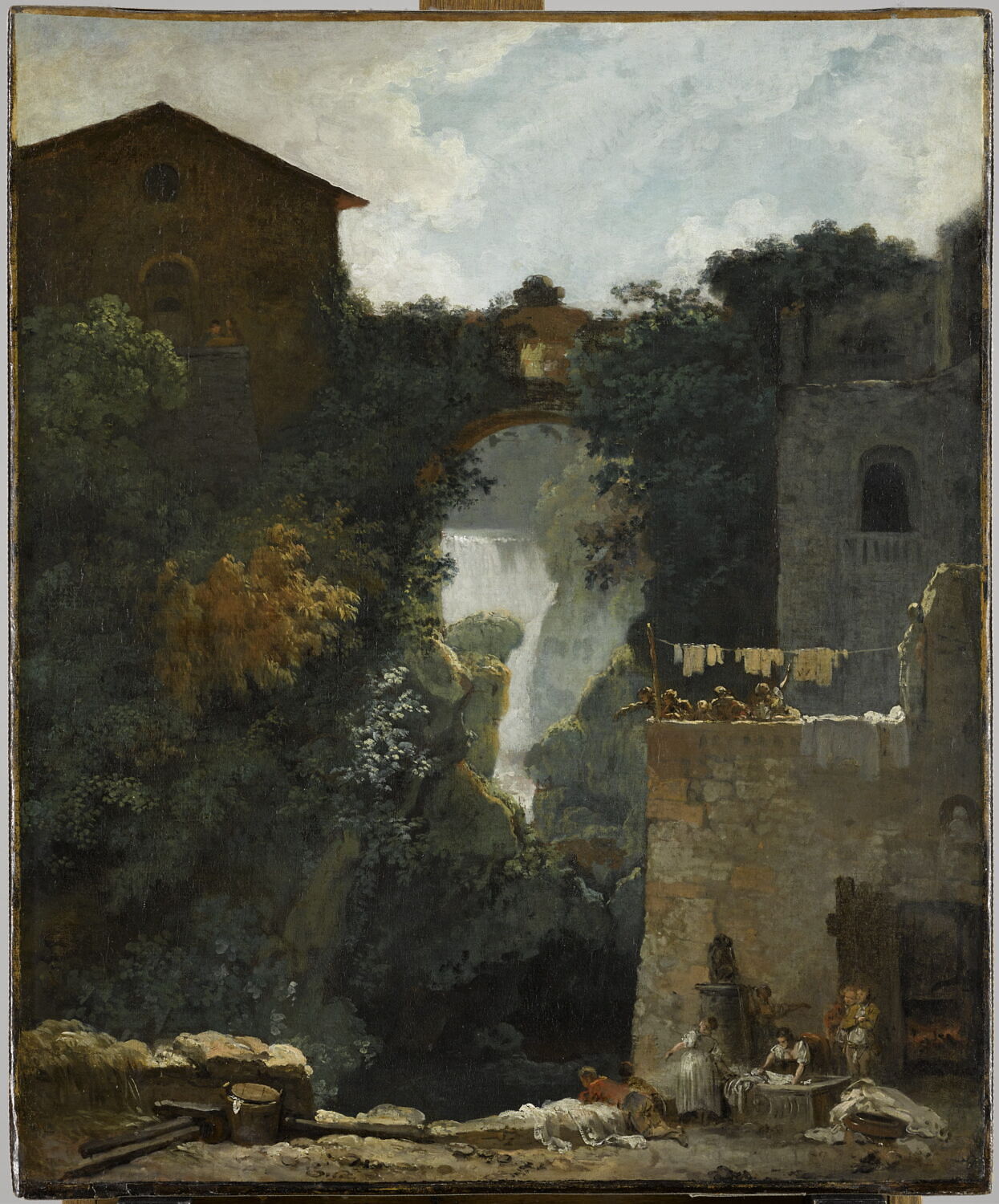
Cascatelles de Tivoli., Fragonard, Jean-Honoré, 3e quart du XVIIIe siècle (1750 - 1775)

Cascatelles de Tivoli.

3e quart du XVIIIe siècle (1750 - 1775) · Louvre

Diana and Endymion, Jean Honoré Fragonard, c. 1753/1756

Diana and Endymion

c. 1753/1756 · National Gallery of Art

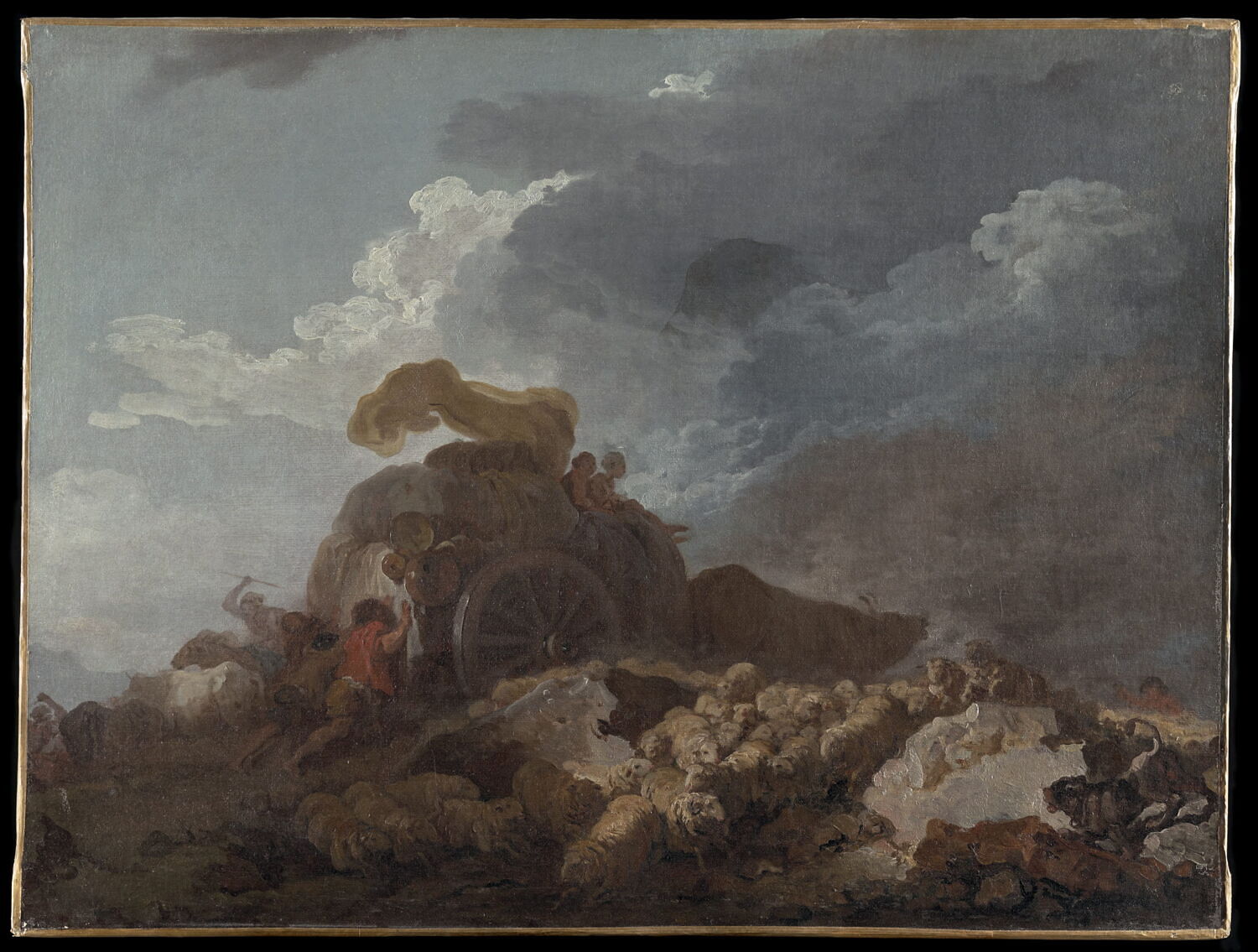
L'orage, dit aussi La Charrette embourbée., Fragonard, Jean-Honoré, 3e quart du XVIIIe siècle (vers 1759)

L'orage, dit aussi La Charrette embourbée.

3e quart du XVIIIe siècle (vers 1759) · Louvre

Farmer's Children, Jean-Honoré Fragonard, 1760s

Farmer's Children

1760s · Eremitagen

Naboer på Louvre

Museets side
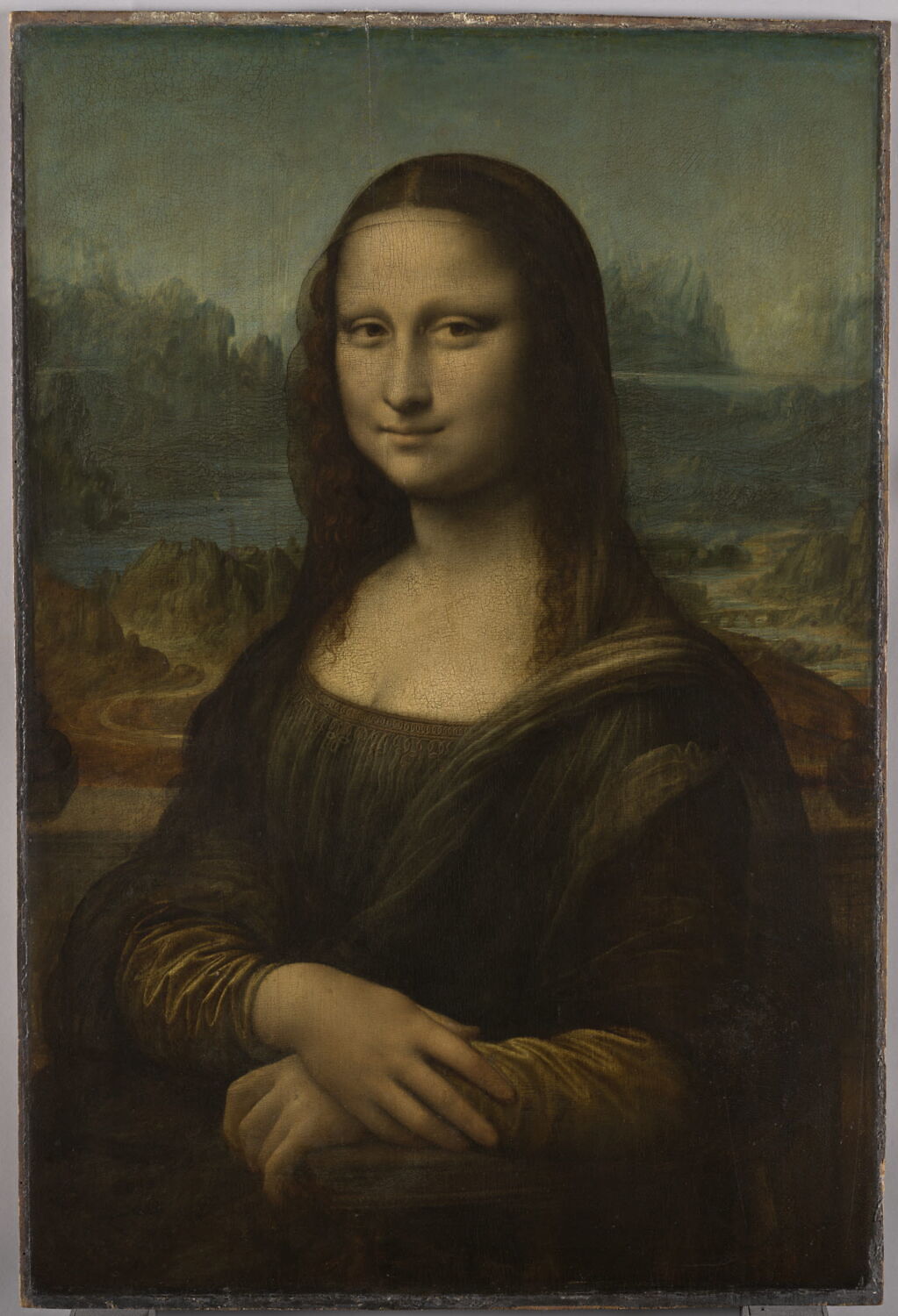
Portrait de Lisa Gherardini, épouse de Francesco del Giocondo, dit La Joconde ou Monna Lisa, Léonard de Vinci, 1e quart du XVIe siècle (1503 - 1519)

Leonardo da Vinci

Mona Lisa, 1e quart du XVIe siècle (1503 - 1519)

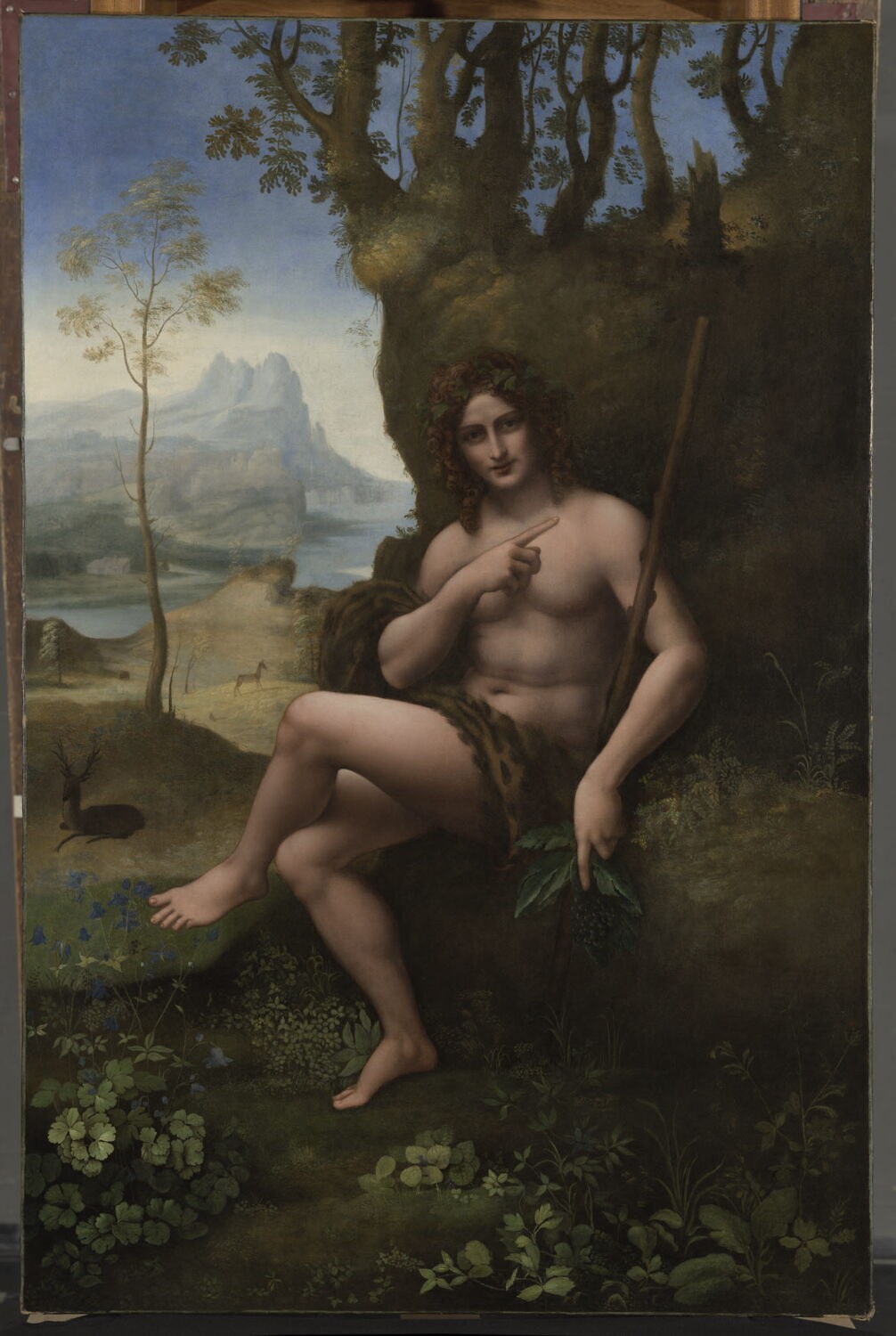
Saint Jean Baptiste, Léonard de Vinci, 1e quart du XVIe siècle (vers 1517 - 1520)

Leonardo da Vinci

Saint Jean Baptiste, 1e quart du XVIe siècle (vers 1517 - 1520)

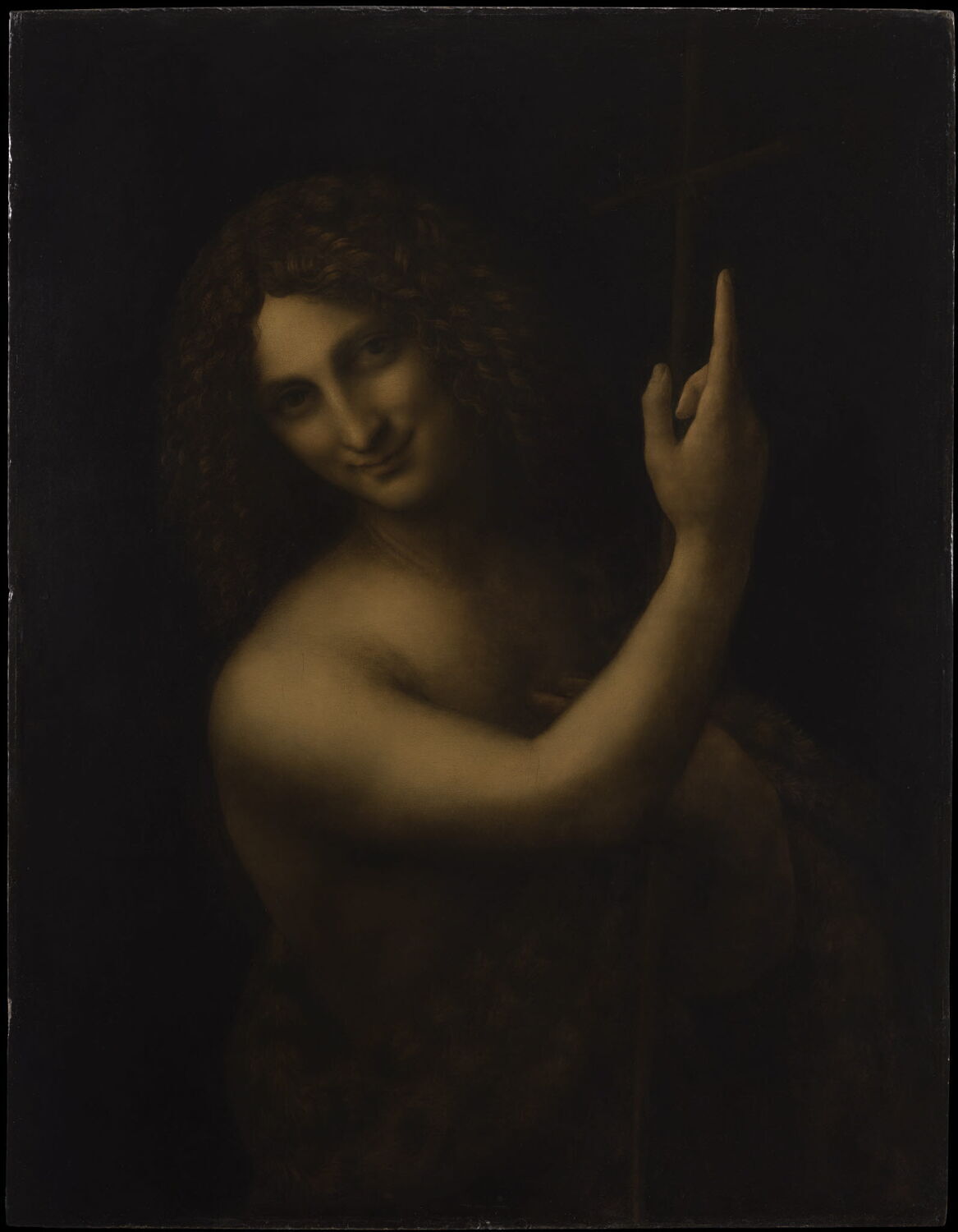
Saint Jean Baptiste, Léonard de Vinci, 1e quart du XVIe siècle (vers 1508 - 1519)

Leonardo da Vinci

Johannes Døberen, 1e quart du XVIe siècle (vers 1508 - 1519)

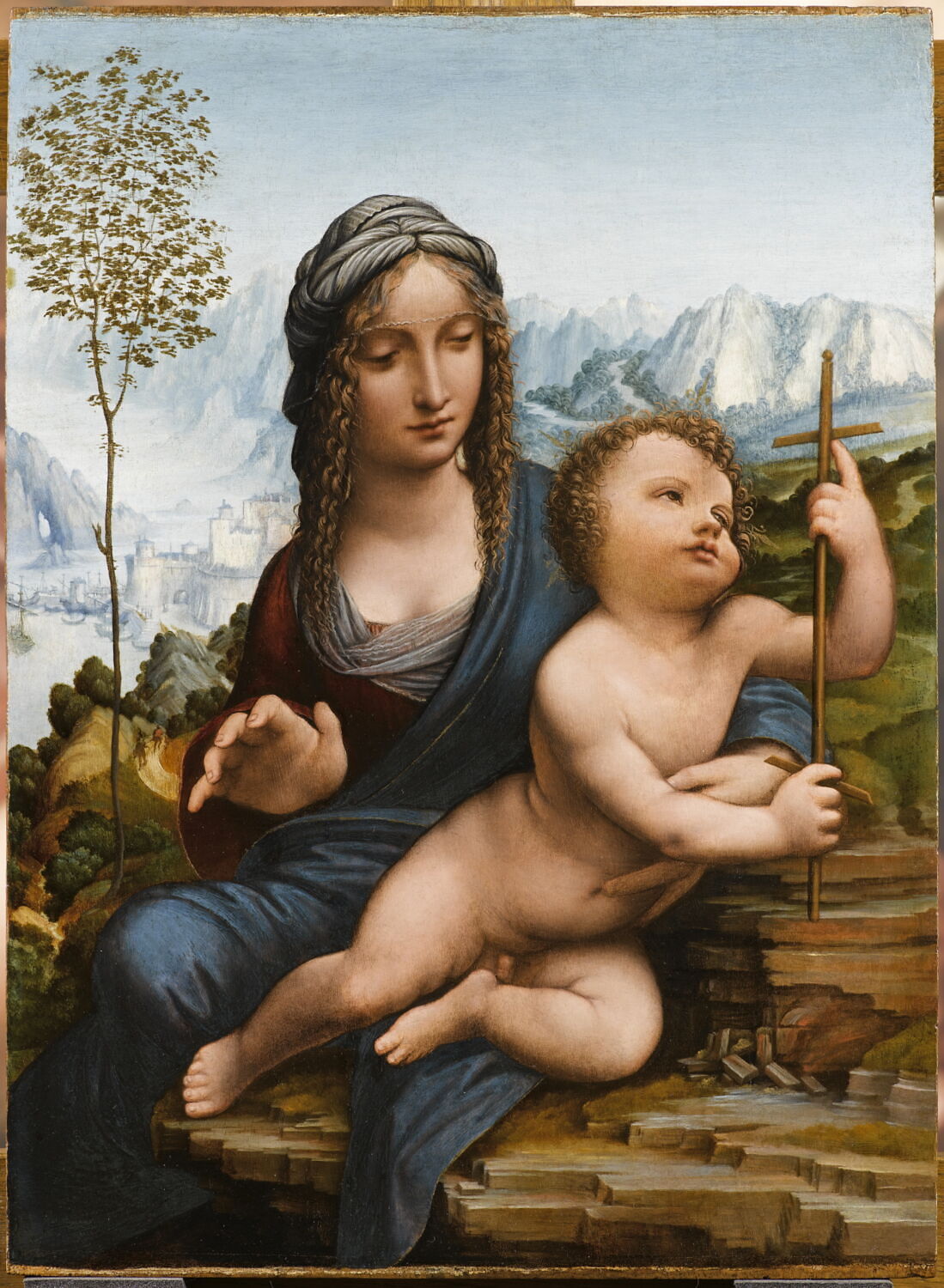
La Vierge et l'Enfant Jésus, dite Vierge au dévidoir ou Vierge aux fuseaux, Léonard de Vinci, XVIe siècle (vers 1505 - 1520)

Leonardo da Vinci

La Vierge et l'Enfant Jésus, dite Vierge au dévidoir ou Vierge aux fuseaux, XVIe siècle (vers 1505 - 1520)

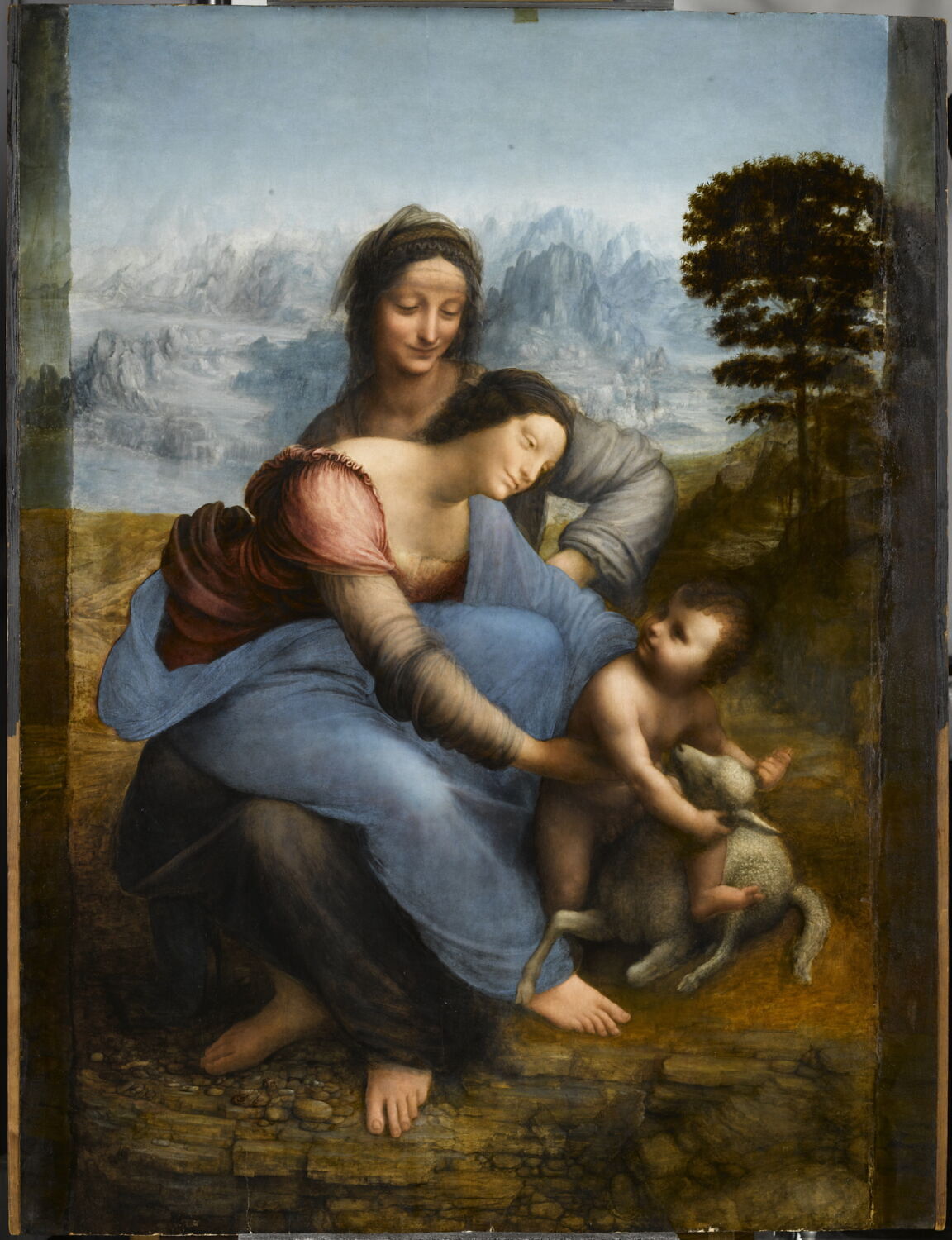
La Vierge, l'Enfant Jésus et sainte Anne, dit La Sainte Anne, Léonard de Vinci, 1e quart du XVIe siècle (vers 1503 - 1519)

Leonardo da Vinci

Madonna og barnet med Sankt Anne, 1e quart du XVIe siècle (vers 1503 - 1519)

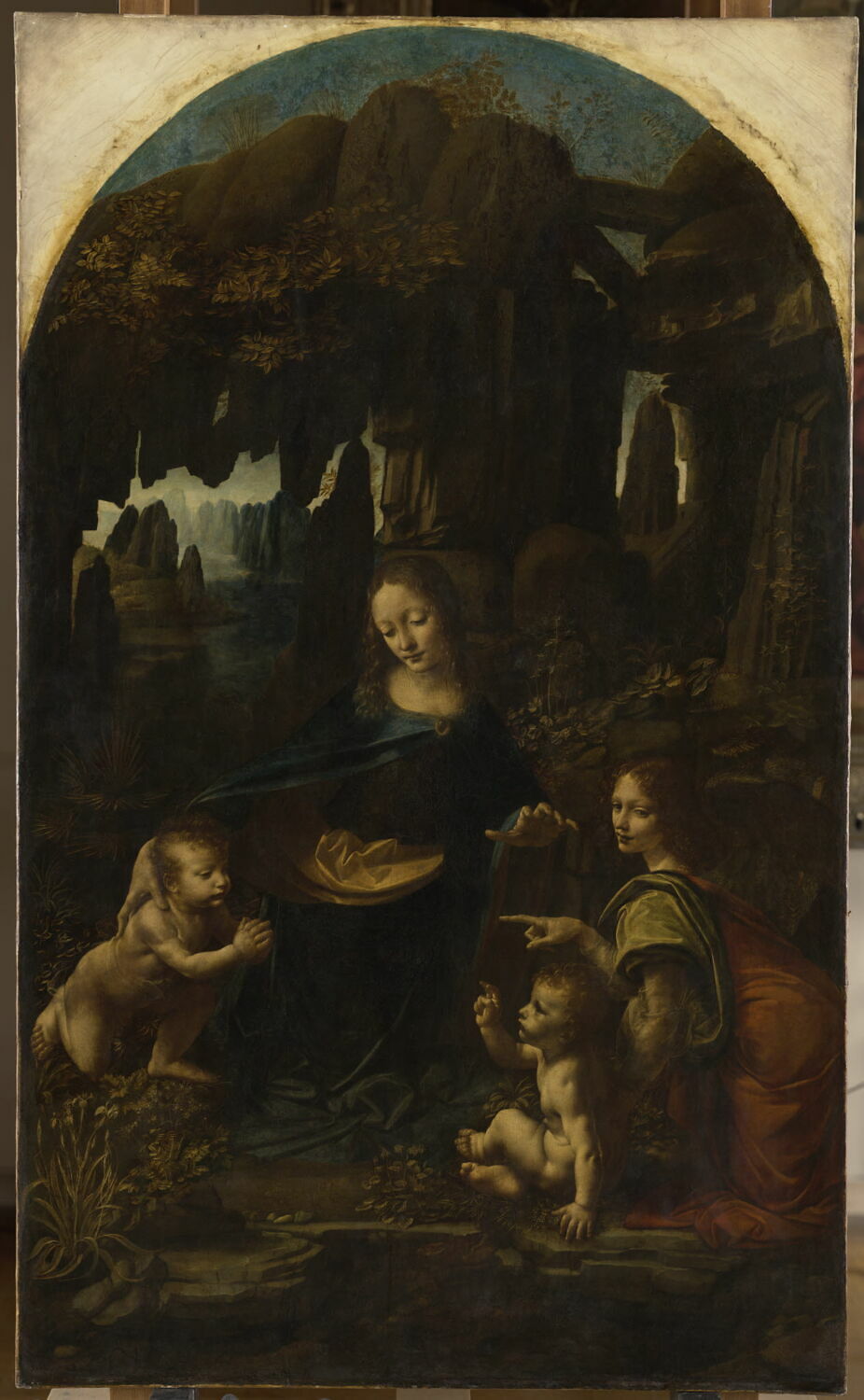
La Vierge, l'Enfant Jésus, saint Jean Baptiste et un ange, dit La Vierge aux rochers, Léonard de Vinci, 4e quart du XVe siècle (vers 1483 - 1494)

Leonardo da Vinci

La Vierge, l'Enfant Jésus, saint Jean Baptiste et un ange, dit La Vierge aux rochers, 4e quart du XVe siècle (vers 1483 - 1494)

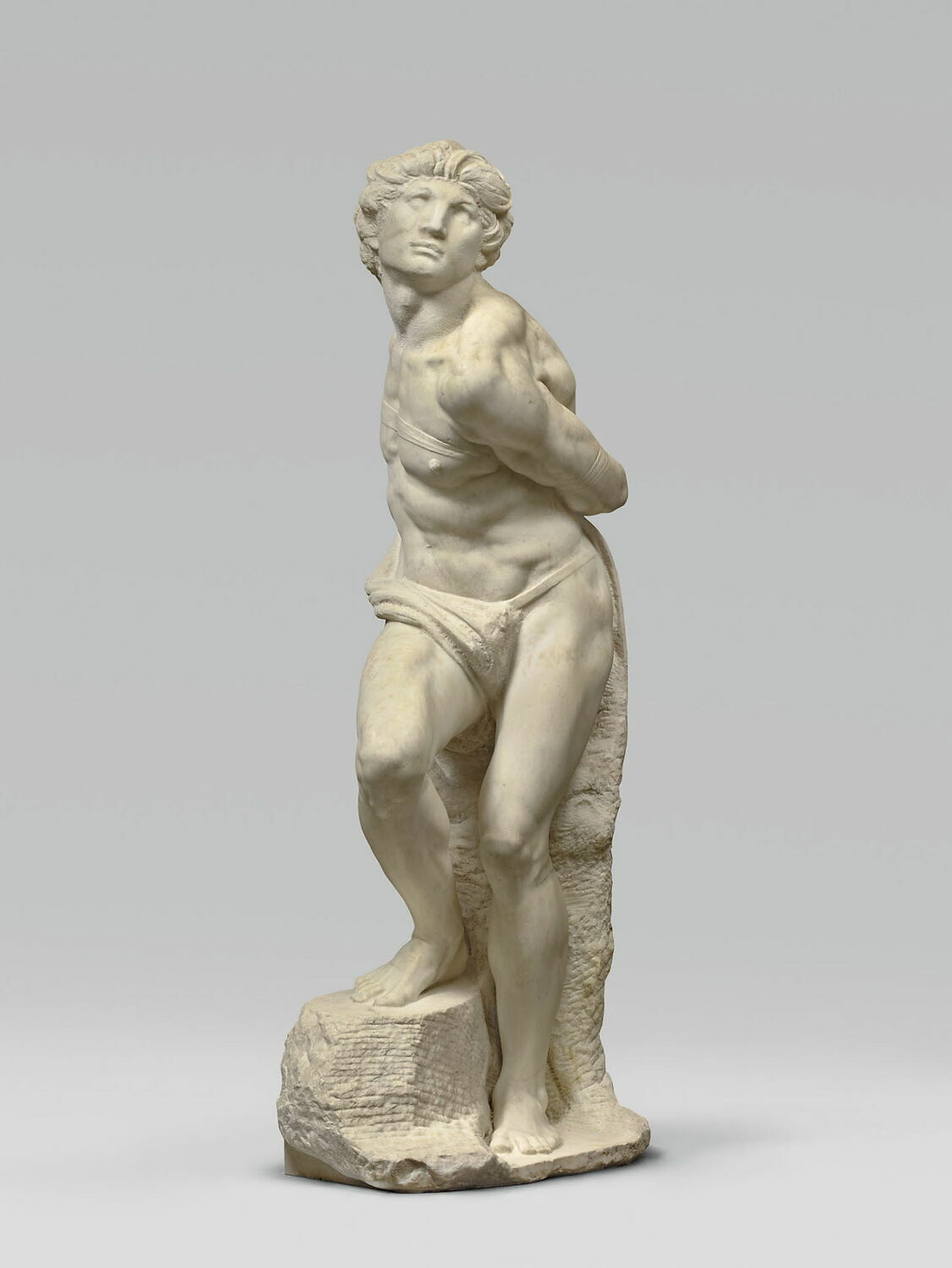
Esclave rebelle, Buonarroti, Michelangelo dit Michel-Ange, 1513 - 1515

Michelangelo

Esclave rebelle, 1513 - 1515

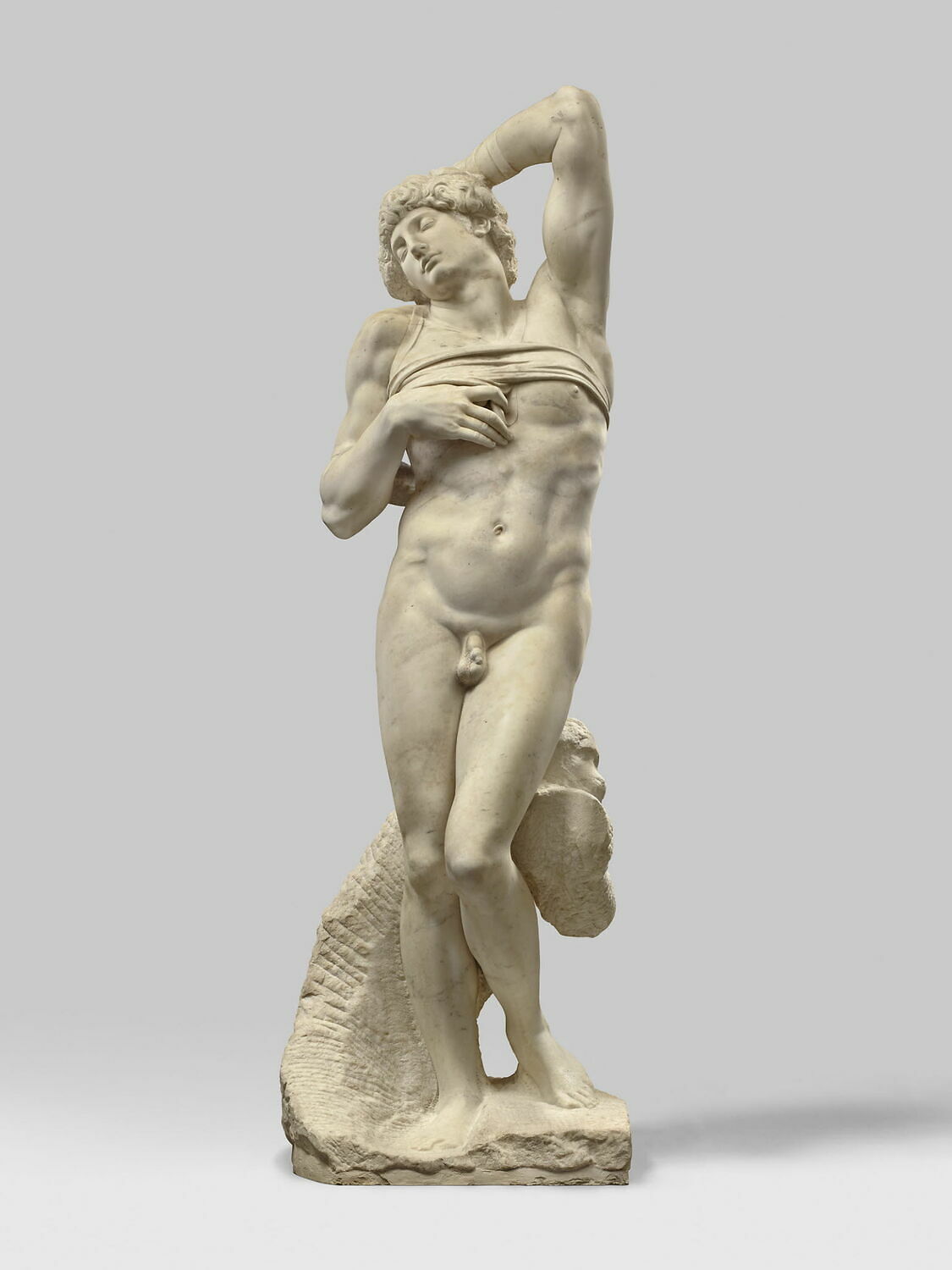
Esclave mourant, Buonarroti, Michelangelo dit Michel-Ange, 1513 - 1515

Michelangelo

Døende slave, 1513 - 1515