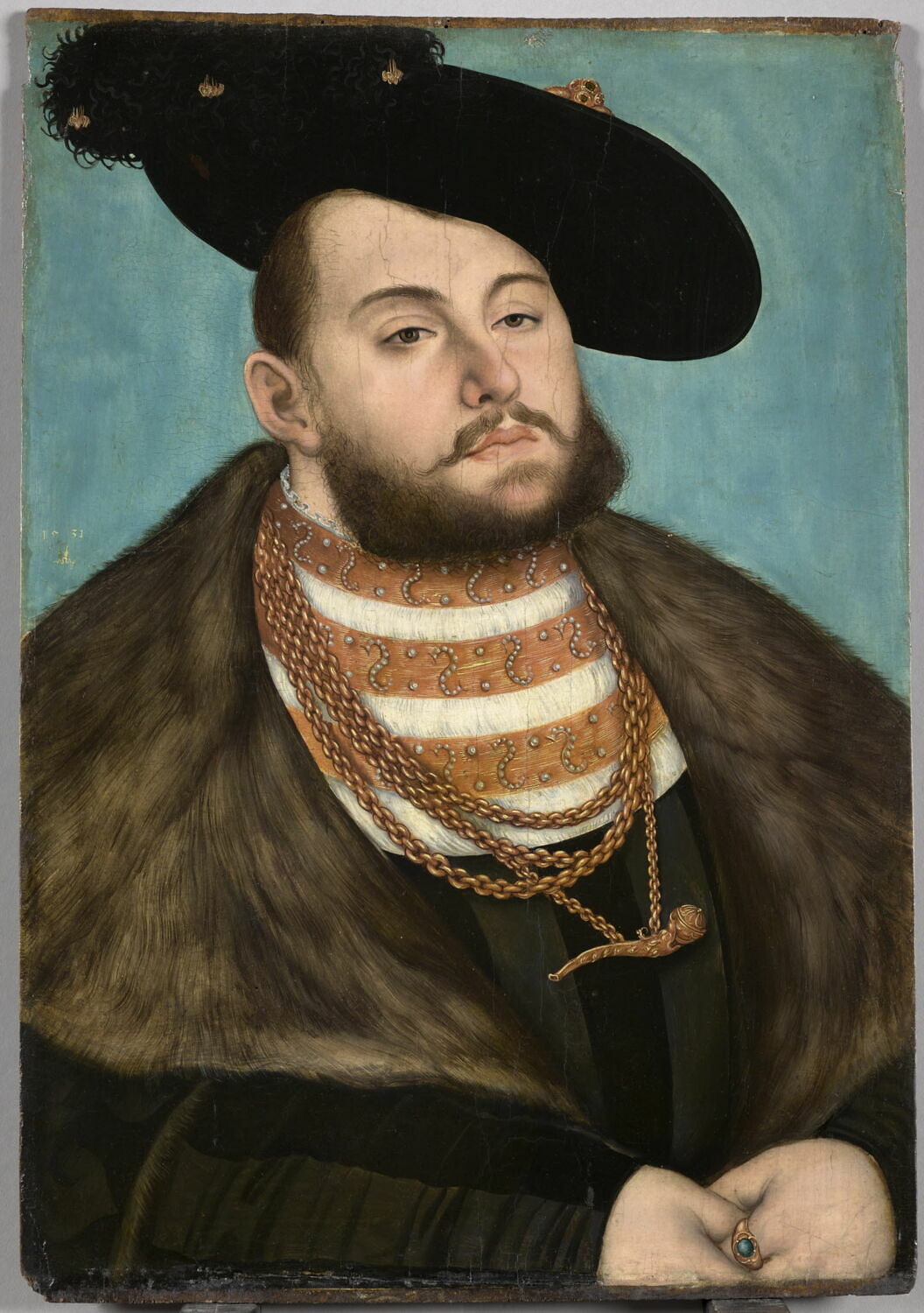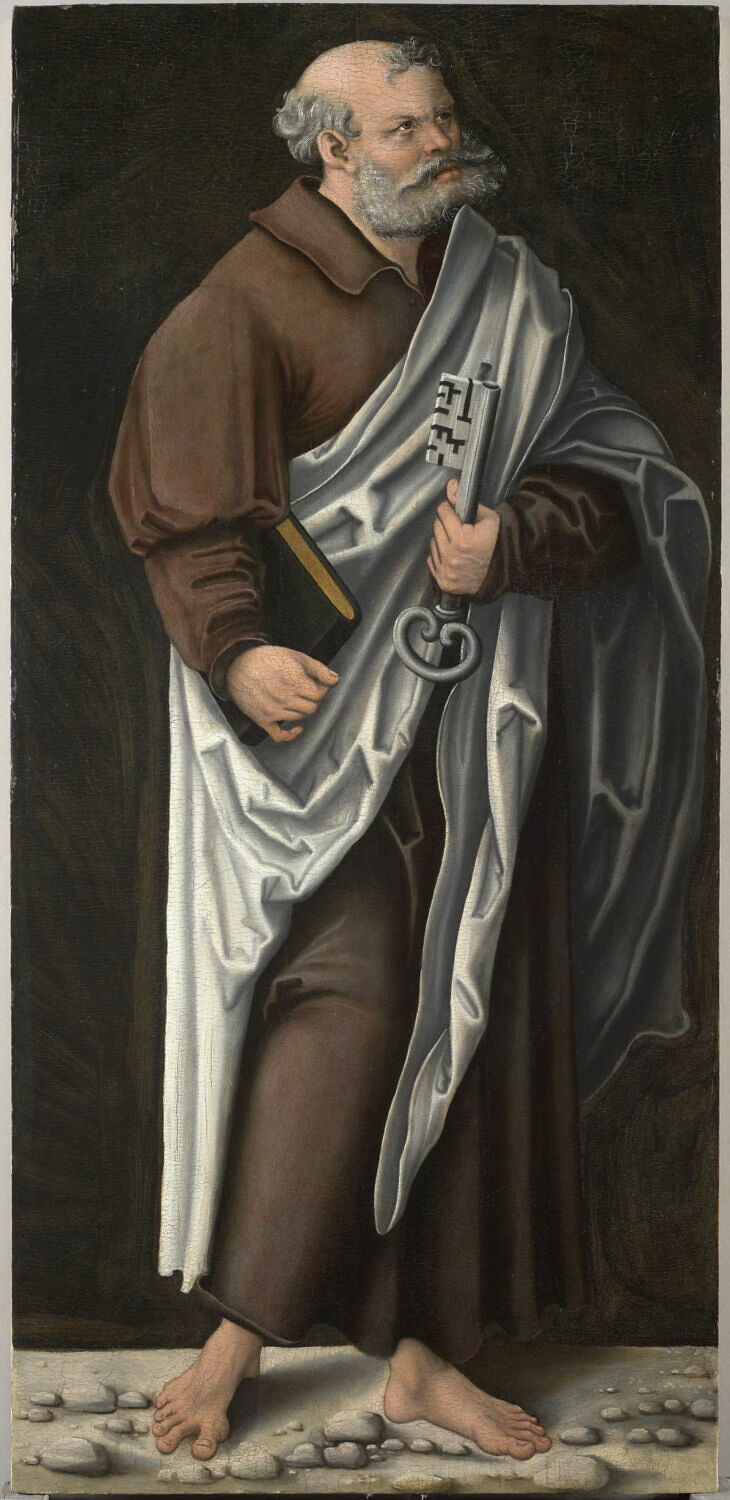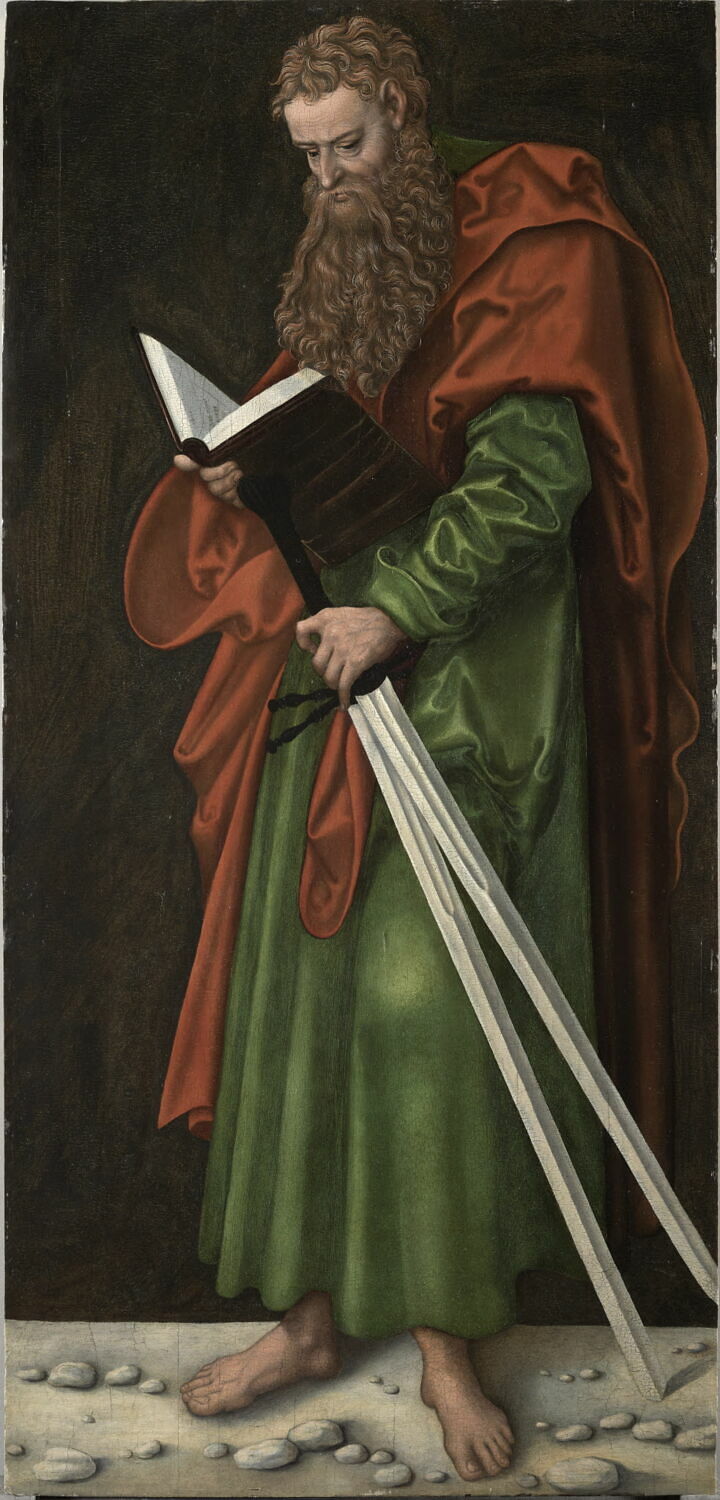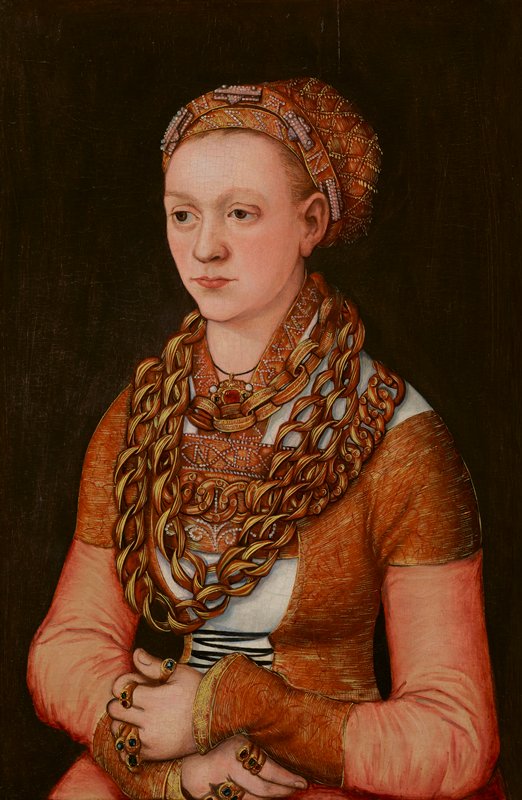
 Lucas CranachTyskland, 1472–1553
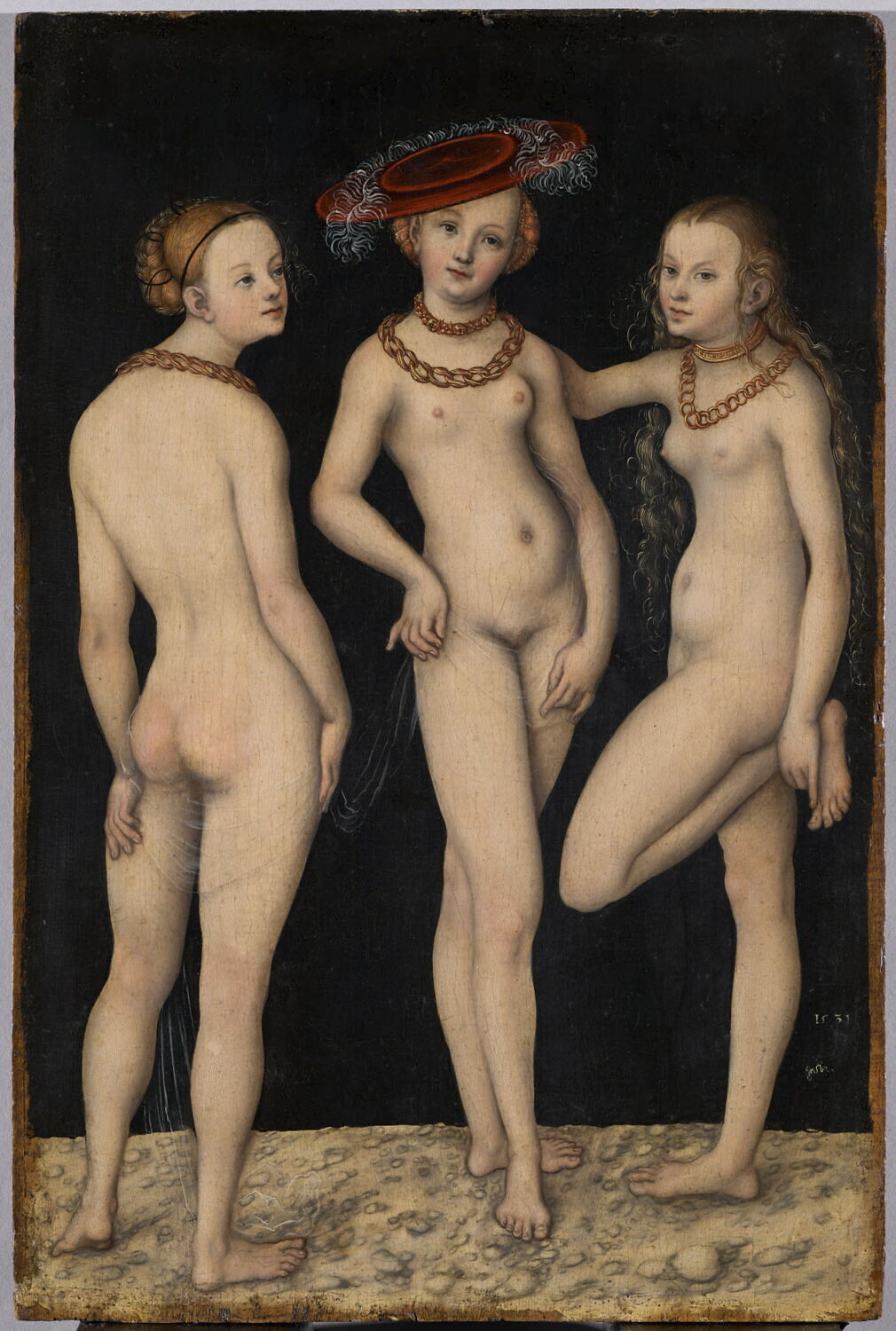
De tre gratier
Les trois Grâces
Må man se det?
Tager ikke imod for tiden

Paris, Frankrig
Det hører til samlingen, men er ikke udstillet for tiden.
- Kontrolleret
- Uændret siden
- Kilde
- Museet
Om maleriet
The Three Graces is a oil painting on beech panel of 1531 by Lucas Cranach the Elder. Other versions of the subject by the artist from 1530 and 1535 are in a private collection and the Nelson-Atkins Museum of Art, Kansas City respectively.
It remained in private collections until - under risk of being sold abroad - it was declared a national treasure (i.e. subject to an export bar). The owners' asking price was 4,000,000 Euros, which needed to be raised before the end of January 2011. Three-quarters of this was raised from the museum's own funds and large donations from two French businesses.
Læs videre
An appeal to raise the remaining 1,000,000 Euros was launched on 13 November 2010 on the theme of "Tous mécènes" (loosely translated as "Everyone can be an art patron"). It proved highly successful, with around 7,000 people making donations, and the whole sum was raised by 17 December 2010, at which date the Louvre bought the work. It was first publicly displayed in 2011 and assigned the catalogue number RF 2011-1.
Oplysninger
- Inventarnummer
- RF 2011 1
I kataloget
Kilder
- Louvre
- Billede: Louvre — © 2024 GrandPalaisRmn (musée du Louvre) / Mathieu Rabeau
Imens i livet hos Lucas Cranach
Hele livet24 June 1504
First Record as Court Painter
Cranach's name first appears in the Wittenberg accounts: he received 50 guilders as a half-year's salary as pictor ducalis — painter to Elector Frederick the Wise.
1522
Publication of Luther's September Testament
Together with his business partner, the goldsmith Christian Döring, he was responsible for publishing the September Testament — Luther's translation of the Bible with illustrations by Cranach.
1547
Capture of John Frederick at Mühlberg
Cranach's employer, Duke John Frederick the Magnanimous, was defeated by imperial forces at the Battle of Mühlberg and taken prisoner; Wittenberg was besieged.
1550
Follows the Captive Elector to Augsburg and Innsbruck
At John Frederick's request he followed him into captivity to Augsburg and then to Innsbruck, where he worked for the duke and his guests; he handed the Wittenberg workshop over to his son Lucas.
1552–1553 · Bopæl
Cranachhaus
16. oktober 1553
Died