Wenceslaus HollarTjekkiet, England, 1607–1677
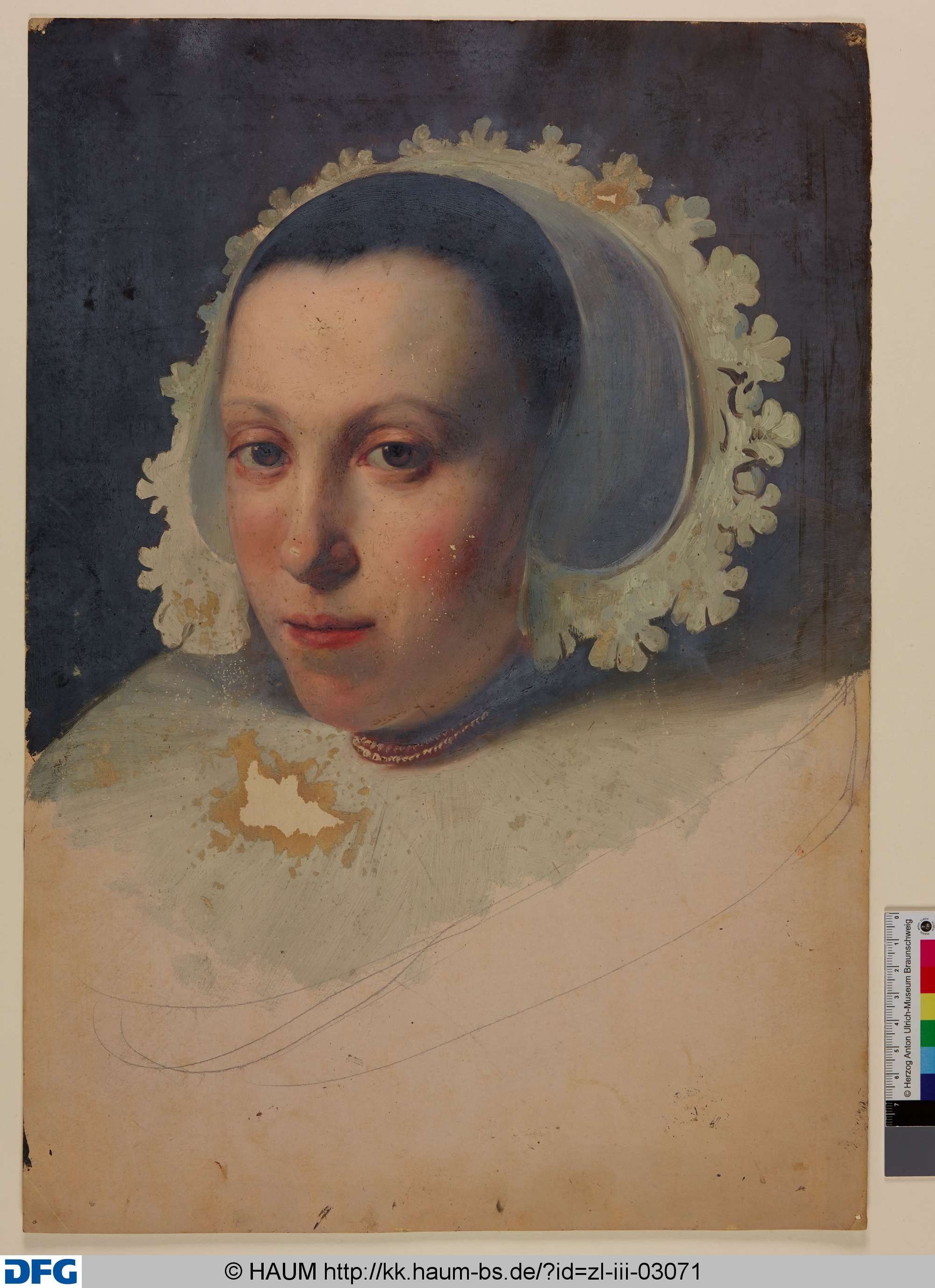
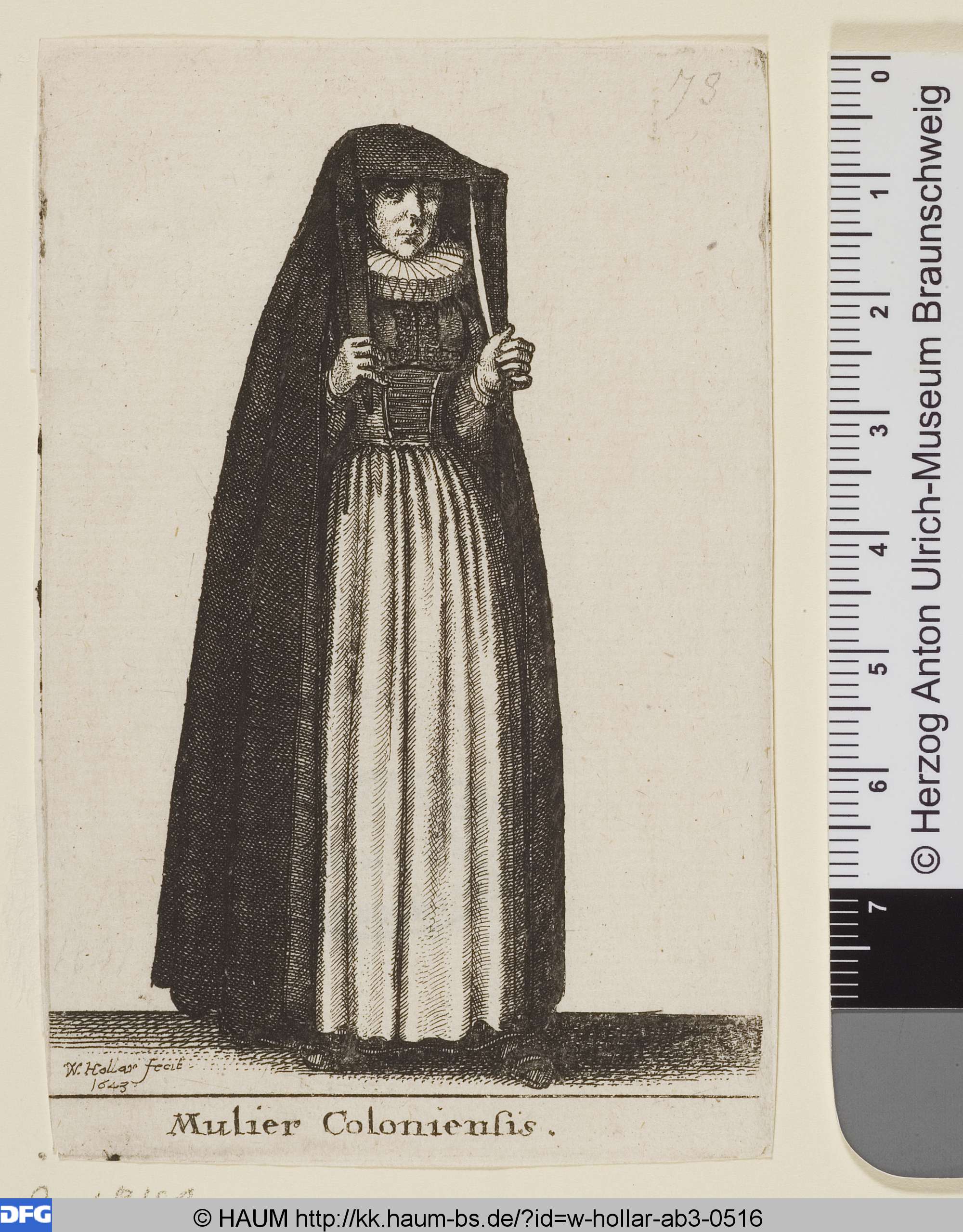
Junge Straßburgerin
Kan det ses?
Ukendt
Hvor er »Junge Straßburgerin« i dag? Samling: Herzog Anton Ulrich-Museum, Braunschweig. Ukendt.

Braunschweig, Tyskland
Ejeren er kendt; om værket er udstillet i dag, vides ikke.
- Uændret siden
- Kilde
- Museet
Oplysninger
Hvad det viser
I kataloget
Kilder
- Herzog Anton Ulrich-Museum
- Billede: Herzog Anton Ulrich-Museum — CC BY-NC-SA 4.0
Imens i livet hos Wenceslaus Hollar
Hele livet1636
Meets the Earl of Arundel
The famous nobleman and art collector Thomas Howard, 21st Earl of Arundel, then on a diplomatic mission to the imperial court of Emperor Ferdinand II, takes notice of him. Hollar is employed as a draftsman.
1637
Moves to England with Arundel
In 1637 he goes with Arundel to England, where he remains in the earl’s household for many years.
1643–1644
Endures the siege of Basing House with fellow royalist artists
With other royalist artists, notably Inigo Jones and the engraver William Faithorne, he stands the long siege of Basing House; some hundred plates by his hand are dated 1643 and 1644. The Civil War, despite his productivity, adversely affected his income.
1645
Captured by parliamentary forces, he escapes
Hollar joins the Royalist Regiment and is captured by parliamentary forces in 1645 during the siege of Basing House; after a short time he manages to escape.
1646
After Arundel’s death he works for authors and publishers
After the earl’s death in Padua in 1646, Hollar earns his living by working for various authors and publishers, which becomes his primary means of distribution.
1646–1652
Works in Antwerp during the Civil Wars
During the unrest of the Civil Wars he works in Antwerp, where he produces many of his most renowned works: Dutch cityscapes, seascapes, depictions of nature, his “muffs” and “shells”.
![Bride, from "Dance of Death", Wenceslaus Hollar, [1651] late 18th century printing](https://images.metmuseum.org/CRDImages/dp/web-large/DP822840.jpg)