
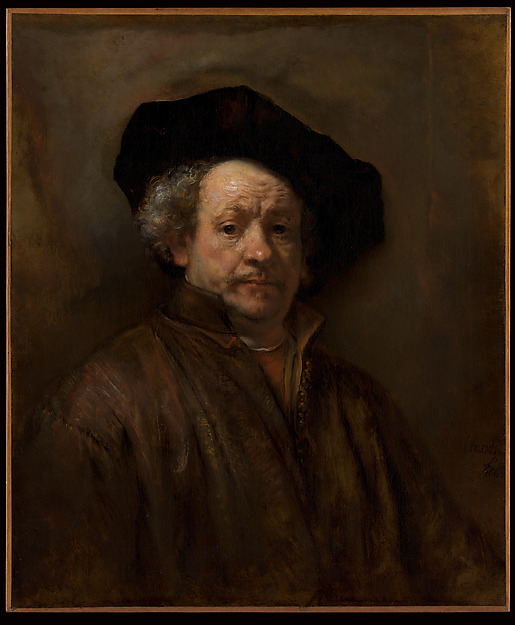
 Rembrandt van RijnHolland, 1606–1669
Jael Killing Sisera
Kan det ses?
Ukendt
Hvor er »Jael Killing Sisera« i dag? Samling: Rijksmuseum Amsterdam, Amsterdam. Ukendt.

Amsterdam, Holland
Ejeren er kendt; om værket er udstillet i dag, vides ikke.
- Kilde
- Museet
Om værket
After suffering a crushing defeat against the Israelites, the Canaanite army general Sisera imagined he was safe in the tent of the Jewish Jael. However, as soon as he fell asleep, she killed him, driving a tent peg through his head. Rembrandt portrayed a determined Jael who does not doubt the necessity of her deed. Hanging casually from a chair, Sisera’s helmet underscores his naivety.
Rijksmuseum Amsterdam
Oplysninger
- Inventarnummer
- RP-T-1930-8
Hvad det viser
I kataloget
Kilder
- Rijksmuseum Amsterdam
- Billede: Rijksmuseum Amsterdam — public domain
Imens i livet hos Rembrandt van Rijn
Hele livet1631–1669 · Virkested
Amsterdam
1639–1658 · Bopæl
Rembrandt House Museum
1656
Declaration of Insolvency
Under pressure from creditors, Rembrandt declared himself insolvent (cessio bonorum) in July 1656 and voluntarily surrendered his property; by that time he had already transferred the house to his son.
1657–1658
Sale of His Property and Collection
Rembrandt's property and art collection were sold at auction; the detailed inventory listed 363 items — paintings, prints, antique busts, weapons, textiles, and exotic objects.
1658
Move to the Rozengracht
After the house was sold at auction, the family left the prestigious Jodenbreestraat and moved to modest rented lodgings on the Rozengracht — a district of craftsmen and artists, where Rembrandt lived until the end of his life.
1660
Titus and Hendrickje Found an Art Firm
Since after his declaration of insolvency Rembrandt could not trade on his own, in 1660 Titus and Hendrickje founded an art-dealing firm through which his works were sold.


