 Thomas LawrenceStorbritannien, 1769–1830
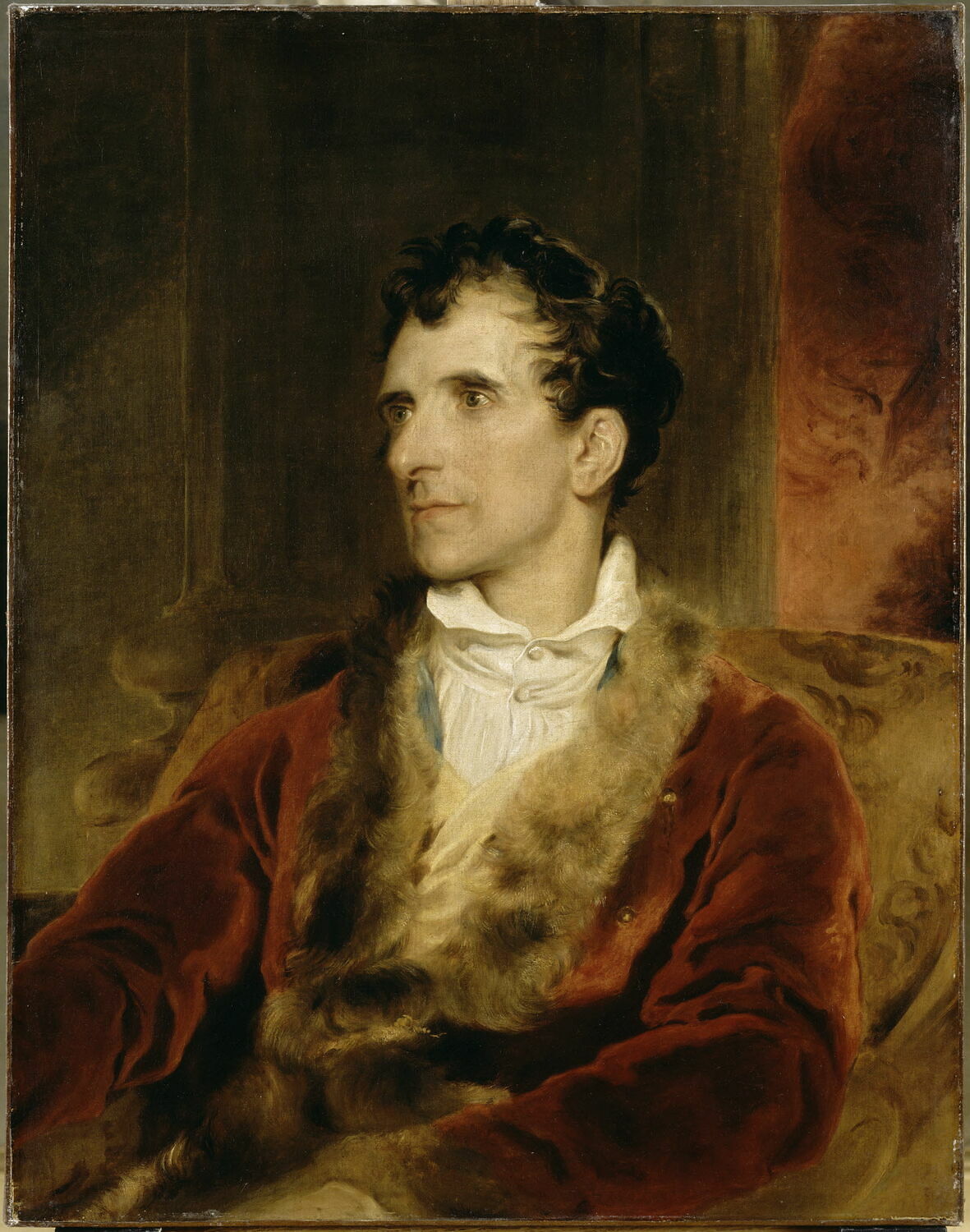
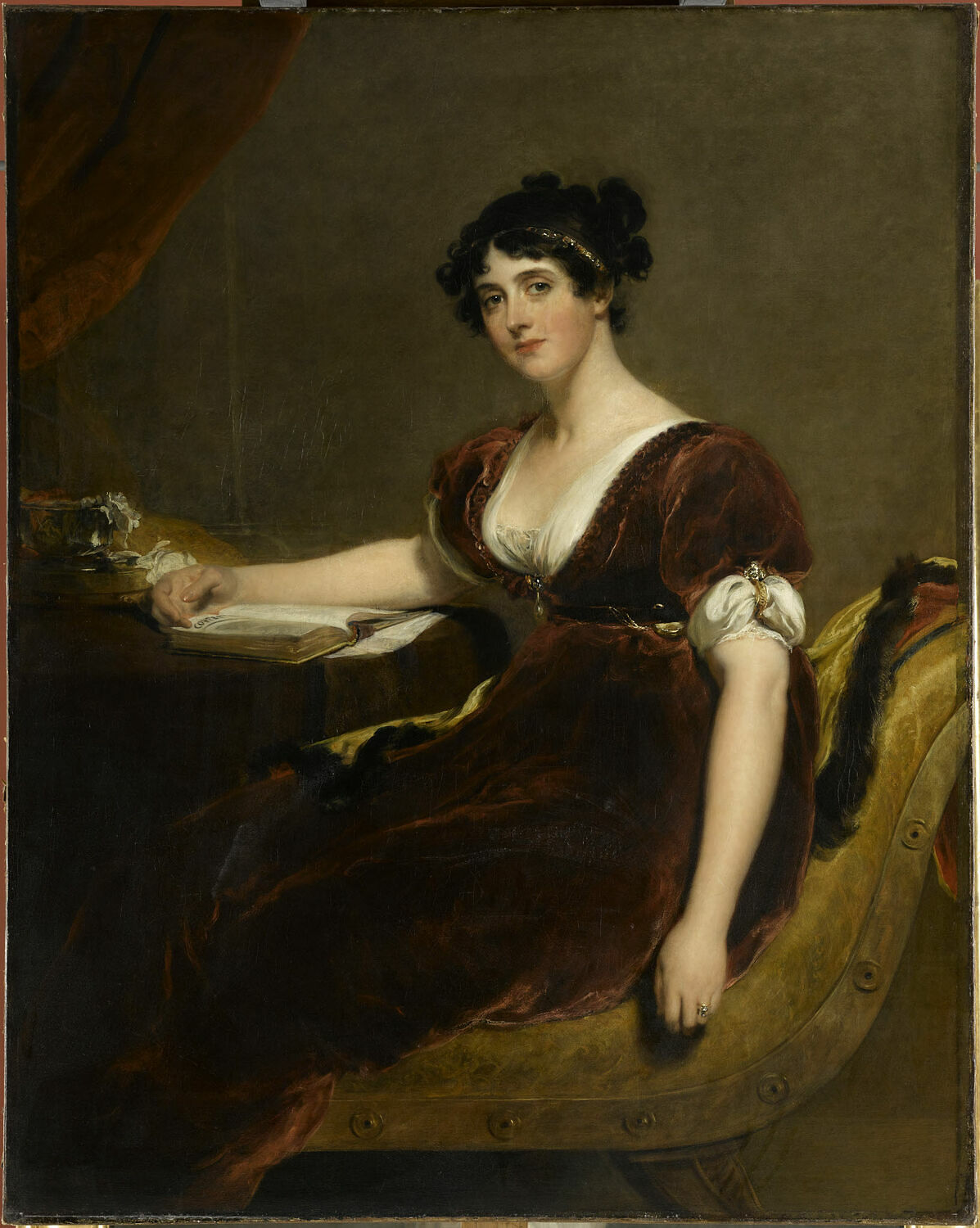
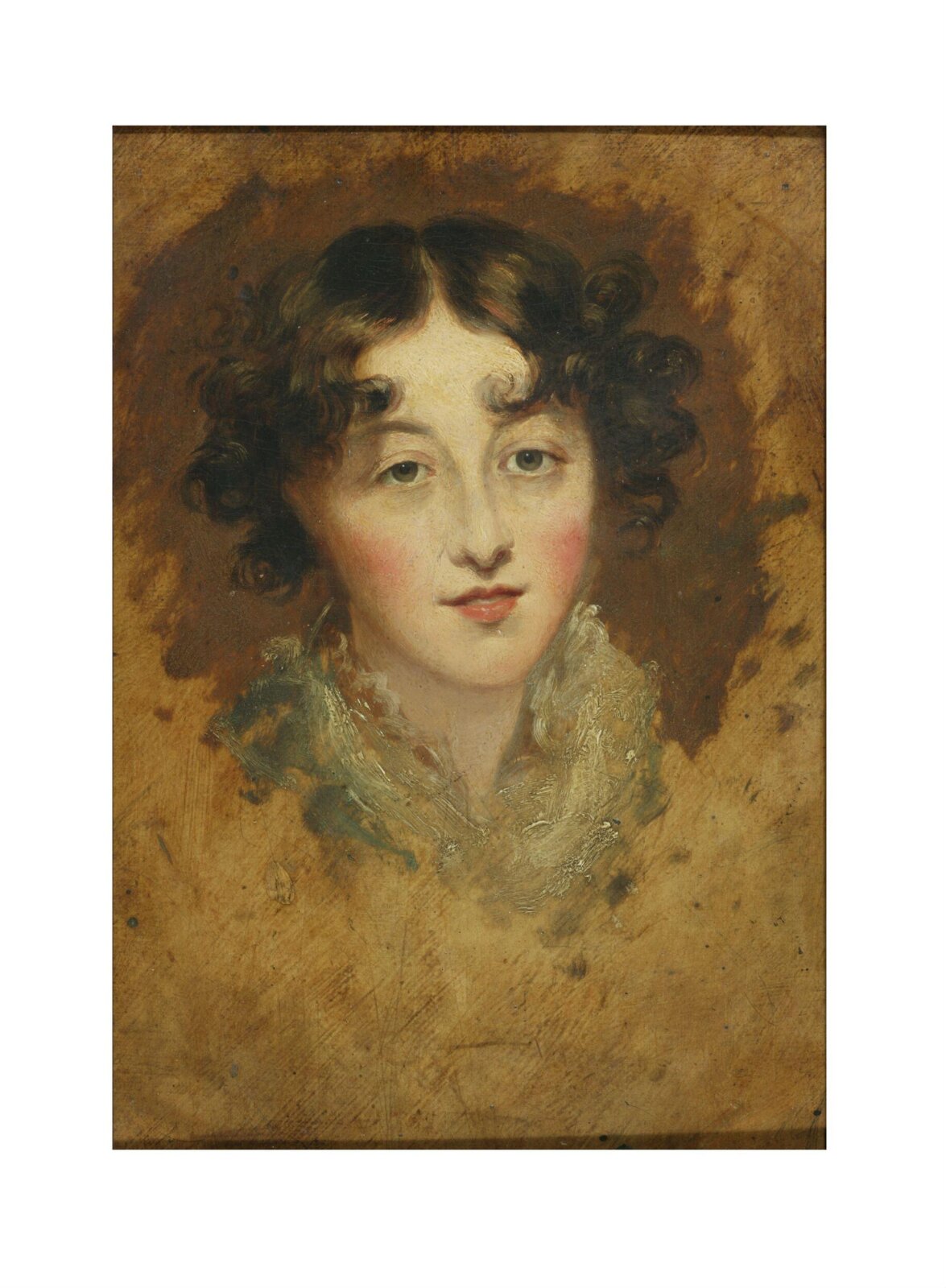
Head of a Lady
Kan det ses?
Ikke udstillet lige nu
Hvor er »Head of a Lady« i dag? Samling: Victoria and Albert Museum, London. Ikke udstillet lige nu. Kontrolleret 25. september 2026.

London, Storbritannien
Det hører til samlingen, men er ikke udstillet for tiden.
- Kontrolleret
- Uændret siden
- Kilde
- Museet
Om maleriet
Head of a Lady is an oil sketch on panel and may be a rare example of Sir Thomas Lawrence working on this support as opposed to canvas. However, its attribution to Lawrence is in question and it may, alternatively, be attributed to his one-time pupil and assistant, George Harlow, who shared Lawrence’s studio between 1802-04. The sketch is similar to other sketches by Lawrence which show the sitter’s head, fully worked up oil, encircled by a penumbra of dark-brown paint. Its status and purpose is unclear but it, and others, may offer a valuable insight into Lawrence’s working method. Lawrence was the most celebrated portraitist of his age, both at home and abroad, and was patronised by international statesmen and society figures as well as royalty and military leaders.
Victoria and Albert Museum
Oplysninger
- Inventarnummer
- 1909-1900
I kataloget
Kilder
- Victoria and Albert Museum
- Billede: Victoria and Albert Museum — © Victoria and Albert Museum, London
Imens i livet hos Thomas Lawrence
Hele livet1798
Death of Maria Siddons and her sister’s promise
Maria Siddons, daughter of the actress Sarah Siddons, dies: Lawrence had loved her sister Sally first, then Maria, and after breaking with Maria had turned to Sally again. On her deathbed Maria extracts a promise from her sister never to marry him; Sally keeps it, refuses to see Lawrence again and dies in 1803, while he never marries, staying on friendly terms with their mother and painting several portraits of her.
1800s
A witness in the “Delicate Investigation” into the Princess
The King commissions portraits of his daughter-in-law Caroline, the estranged wife of the Prince of Wales, and of his granddaughter Charlotte; while painting them Lawrence stays at Montagu House, the princess’s residence in Blackheath, and becomes implicated in the “delicate investigation” into Caroline’s morals. He swears an affidavit that although he had sometimes been alone with her the door was never locked or bolted, and, expertly defended by Spencer Perceval, he is exonerated.
from 1802
The studio: assistants for replicas of his portraits
To keep up with the demand for replicas of his portraits, Lawrence employs studio assistants: Samuel Lane works for him from 1802 until the master’s death, and the assistants also include William Etty and George Henry Harlow.