 Alexej von JawlenskyRusland, 1864–1941
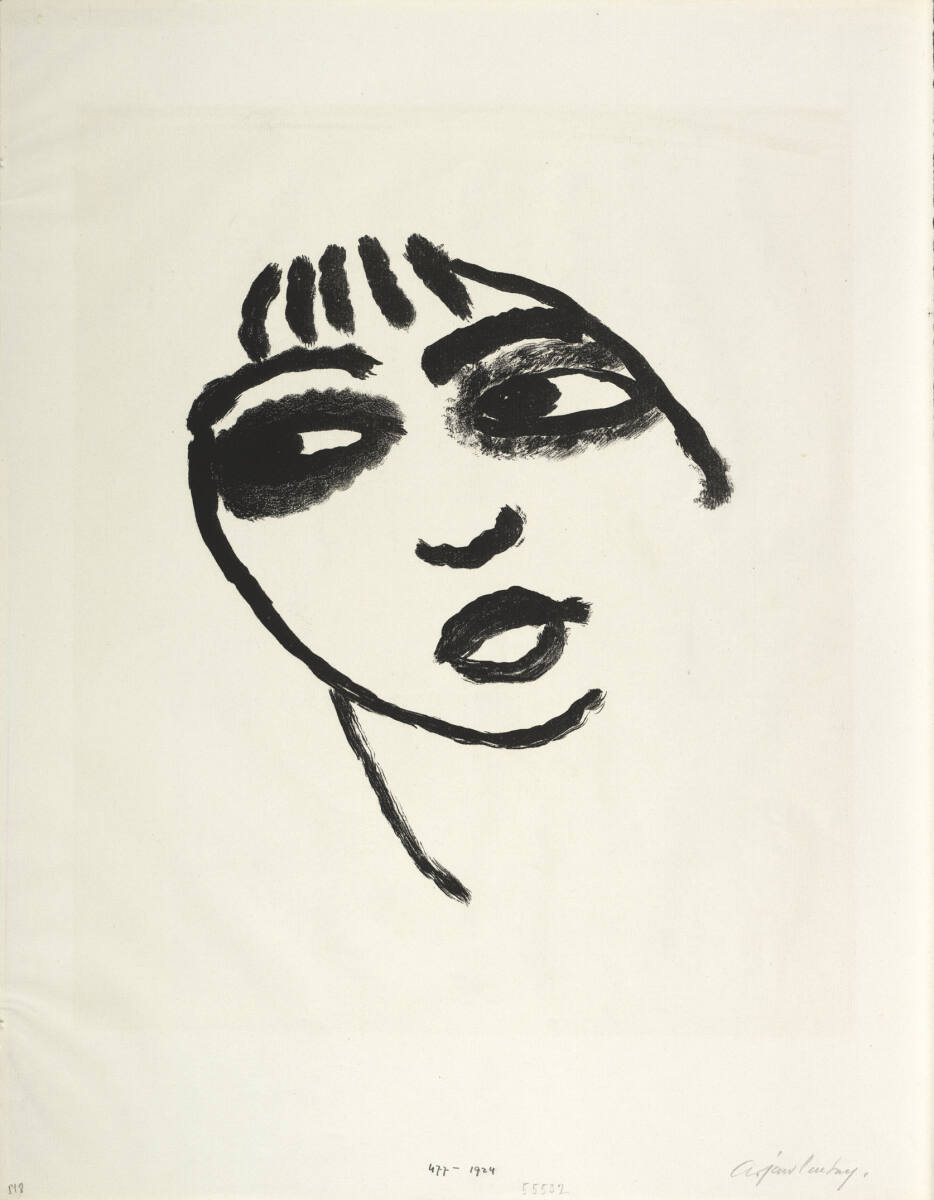
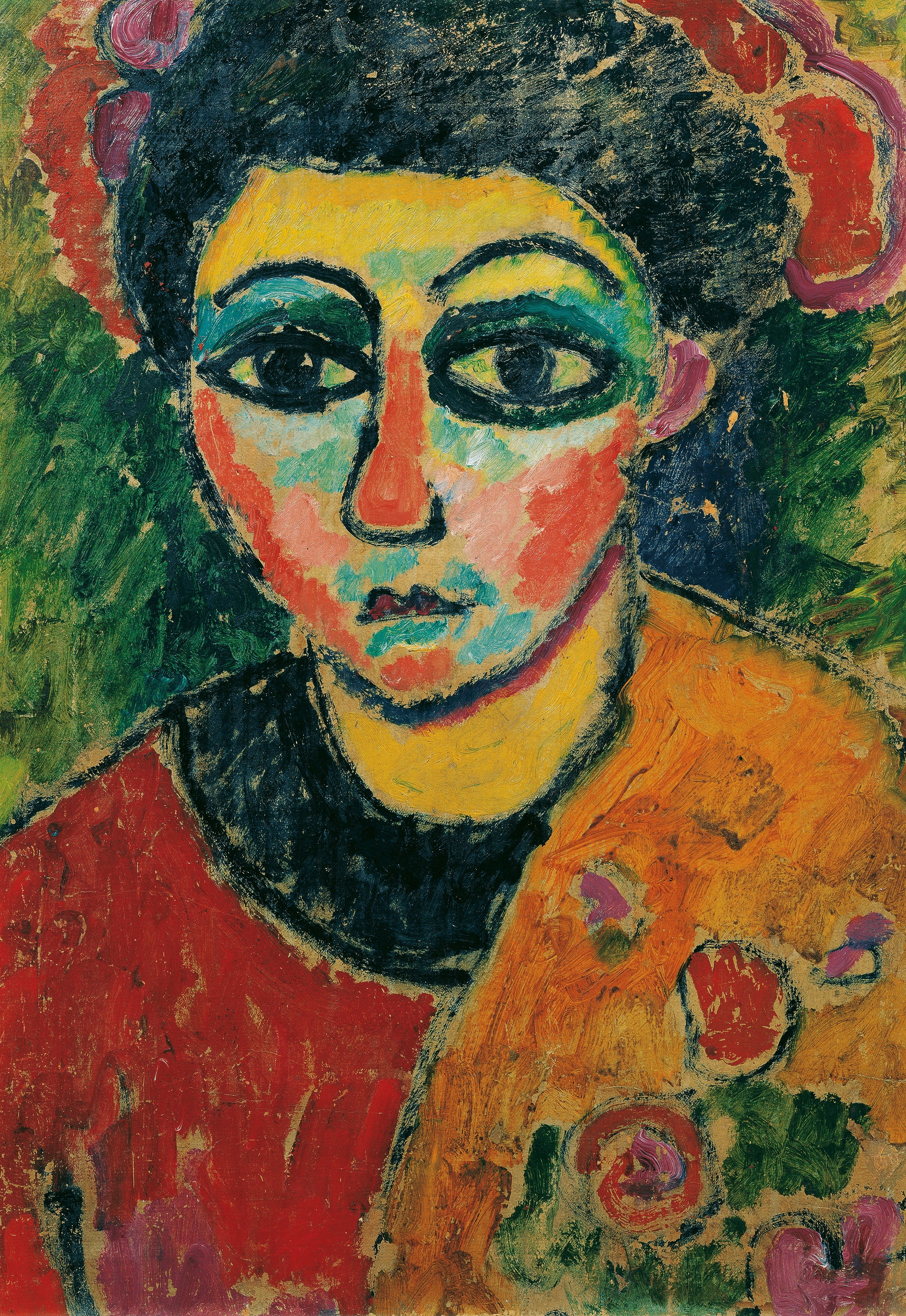
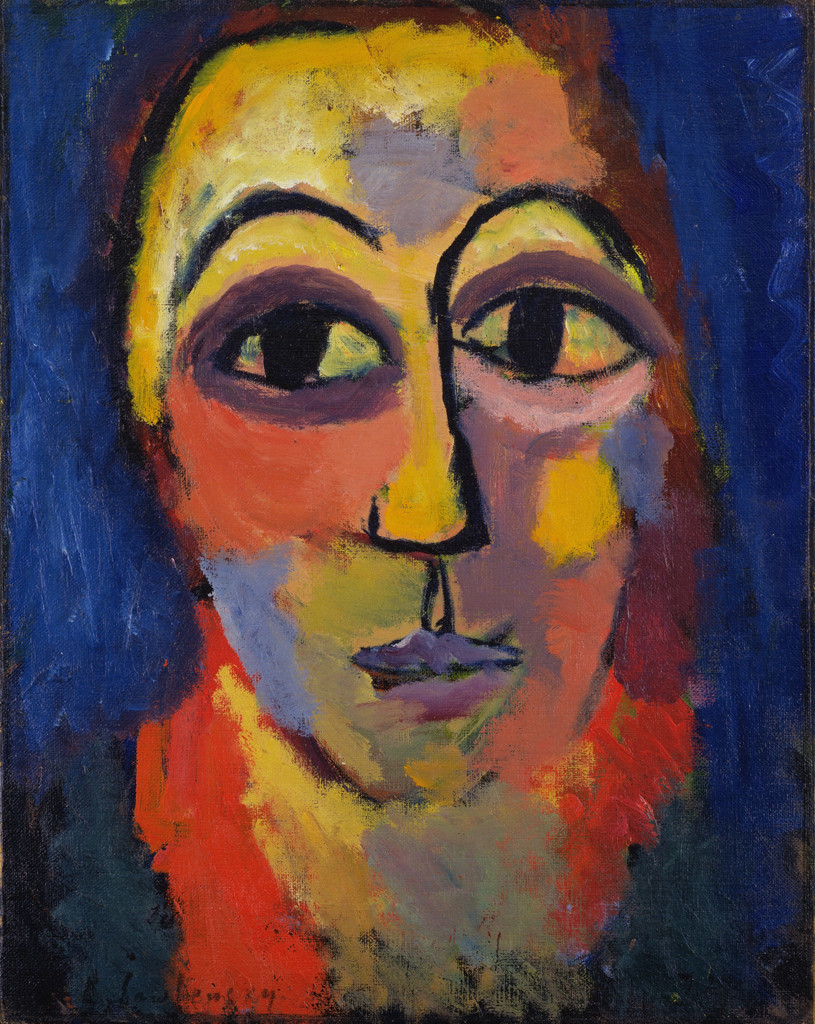
Head
Må man se det?
Tager ikke imod for tiden

New York City, USA
Det hører til samlingen, men er ikke udstillet for tiden.
- Kontrolleret
- Kilde
- Museet
Oplysninger
- Inventarnummer
- 415.1953
I kataloget
Kilder
- Museum of Modern Art
- Billede: Museum of Modern Art — © the artist or rights holder
Imens i livet hos Alexej von Jawlensky
Hele livet1896–1914
The Giselastrasse salon, a hub of the Russian colony
For 18 years the apartment of Jawlensky and Werefkin at Giselastrasse 23 remained one of the hubs of the Russian colony: besides well-known artists, its guests included Diaghilev and Nijinsky, Anna Pavlova and Eleonora Duse.
1908–1910
Summers in the Bavarian Alps with Kandinsky and Münter
From 1908 to 1910 Jawlensky and Werefkin spent their summers in the Bavarian Alps with Kandinsky and his companion, the painter Gabriele Münter: painting the mountain landscapes, they experimented with one another's techniques and discussed the theory of their art. After visiting Murnau with Werefkin and Kandinsky in 1908, Jawlensky painted a view of the village — a line of red and brown roofs floating between a low blue mountain and a tide of yellow-green grass.
1909
Co-founds the New Munich Artists' Association
In 1909 Jawlensky founded the New Munich Artists' Association together with Kandinsky, Adolf Erbslöh, Gabriele Münter, Marianne von Werefkin and others — the forerunner of the Blue Rider.
1909
Exhibition: Sonderbund westdeutscher Kunstfreunde und Künstler
1909–1911
Izdebsky's “Salons” in Russian cities
Jawlensky exhibited alongside the artists of the group, including at Izdebsky's international “Salons”, organised with Kandinsky's participation in a number of Russian cities in 1909–1911.
1911–1912
Renewed contact with Matisse and Nolde
Following a trip to the Baltic coast and renewed contact with Henri Matisse in 1911 and Emil Nolde in 1912, Jawlensky turned increasingly to the expressive use of colour and form alone in his portraits.