 Helen FrankenthalerUSA, 1928–2011
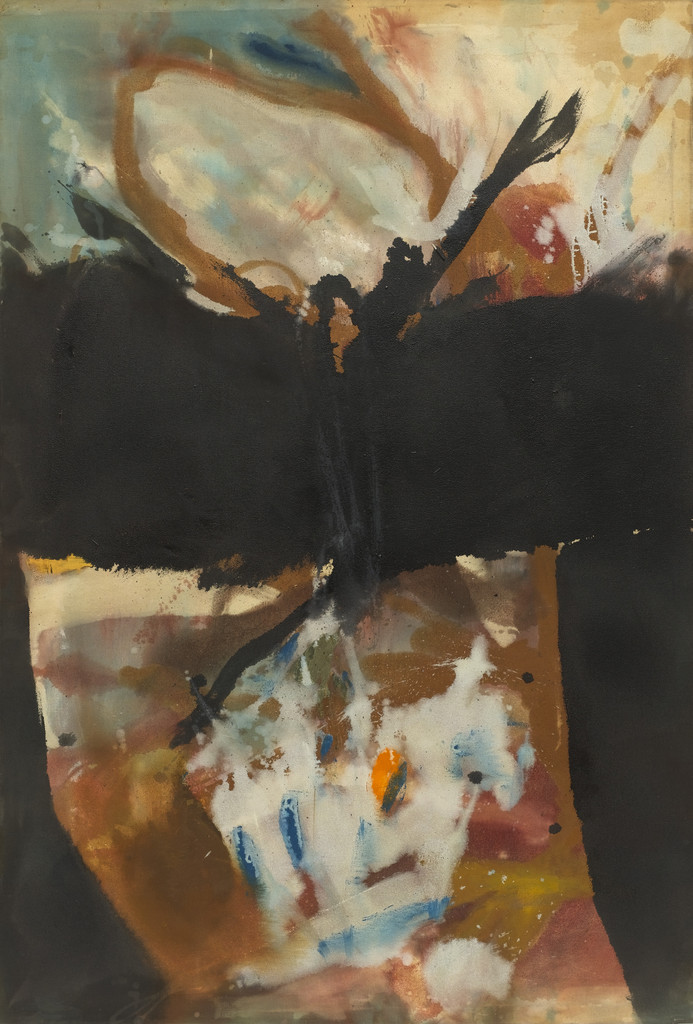
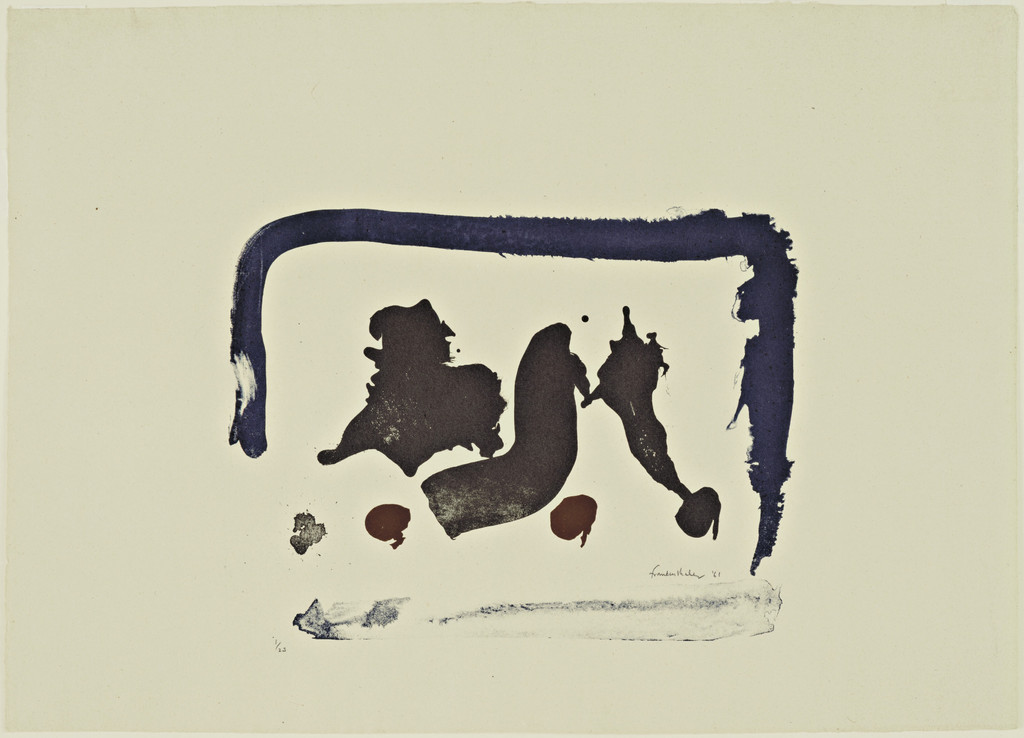
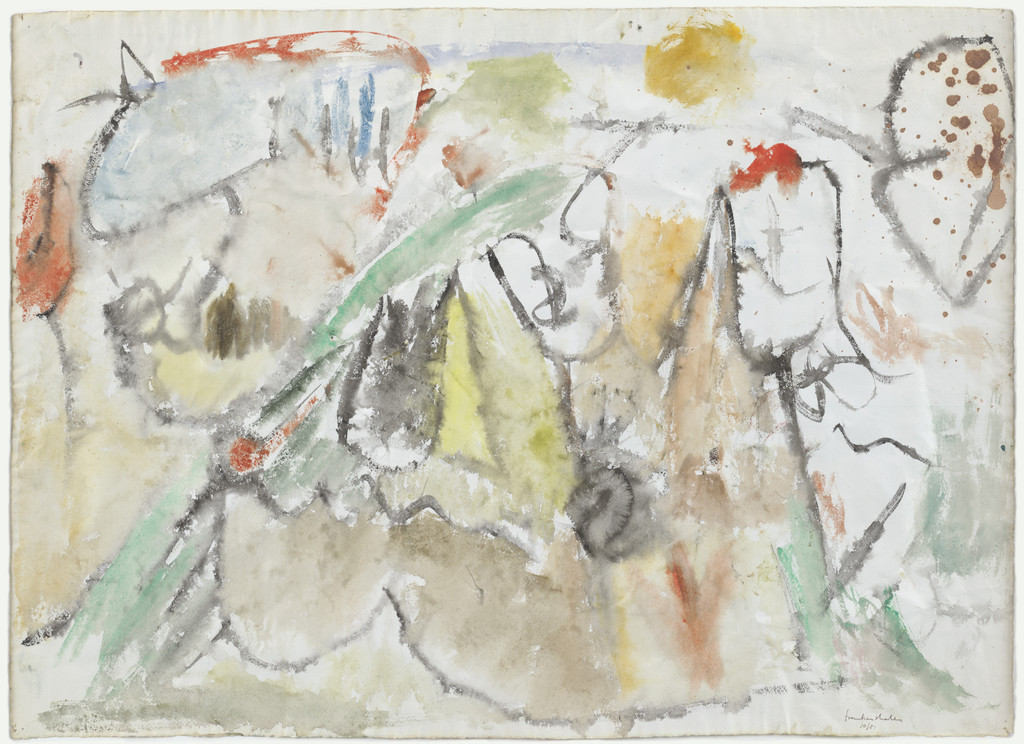
Great Meadows (recto); Untitled (Landscape) (verso)
Kan det ses?
Ikke udstillet lige nu
Hvor er »Great Meadows (recto); Untitled (Landscape) (verso)« i dag? Samling: Museum of Modern Art, New York City. Ikke udstillet lige nu. Kontrolleret 6. oktober 2026.

New York City, USA
Det hører til samlingen, men er ikke udstillet for tiden.
- Kontrolleret
- Kilde
- Museet
Oplysninger
- Inventarnummer
- 378.1984.a-b
I kataloget
Kilder
- Museum of Modern Art
- Billede: Museum of Modern Art — © the artist or rights holder
Imens i livet hos Helen Frankenthaler
Hele livet1945–1949
Bennington College: Paul Feeley
She studies at Bennington College in Vermont and, until her graduation in 1949, works under Paul Feeley, who is credited with helping her understand pictorial composition and with influencing her early style derived from Cubism; during the non-resident term she studies privately with the Australian-born painter Wallace Harrison.
1950
Meets Clement Greenberg
She meets the critic Clement Greenberg; they have a five-year relationship, and through him she is introduced to the New York art scene — in 1964 he will include her in the exhibition “Post-Painterly Abstraction”.
1950
Pollock’s show at the Betty Parsons Gallery
She sees a Jackson Pollock show for the first time, at the Betty Parsons Gallery: “Autumn Rhythm”, “Number 30, 1950” and “Lavender Mist” impress her so much that she recalls wanting to live in that world and master its language. Other accounts date the show to 1951; after it she adopts Pollock’s method of laying the canvas out on the studio floor.
autumn 1951
First solo exhibition at Tibor de Nagy
Frankenthaler’s first solo exhibition takes place in the fall of 1951 at the Tibor de Nagy Gallery in New York.
1952
The “Mountains and Sea” exhibition launches her career
The exhibition of “Mountains and Sea” launches her official career as a painter; throughout the 1950s her compositions tend to be centred.
1953
Louis and Noland see “Mountains and Sea”
Kenneth Noland and Morris Louis see “Mountains and Sea”, which Louis later calls a bridge between Pollock and what was possible.