 John GibsonEngland, 1790–1866
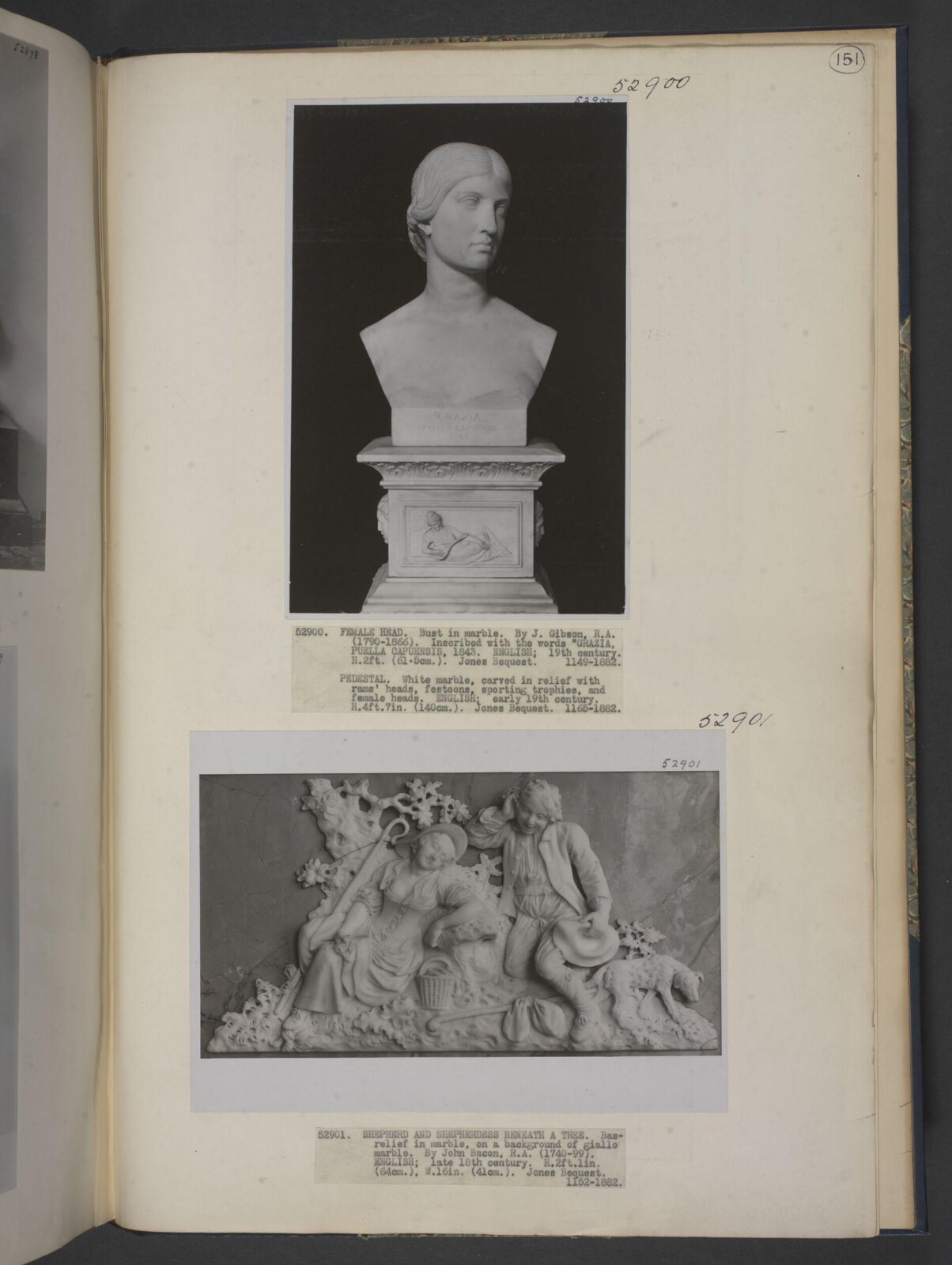
Grazia
Må man se det?
Tager ikke imod for tiden

Victoria and Albert Museum
London, Storbritannien
Det hører til samlingen, men er ikke udstillet for tiden.
- Kontrolleret
- for 8 dage siden
- Uændret siden
- 25. sep. 2026
- Kilde
- Museets egne samlingsdata
About the sculpture
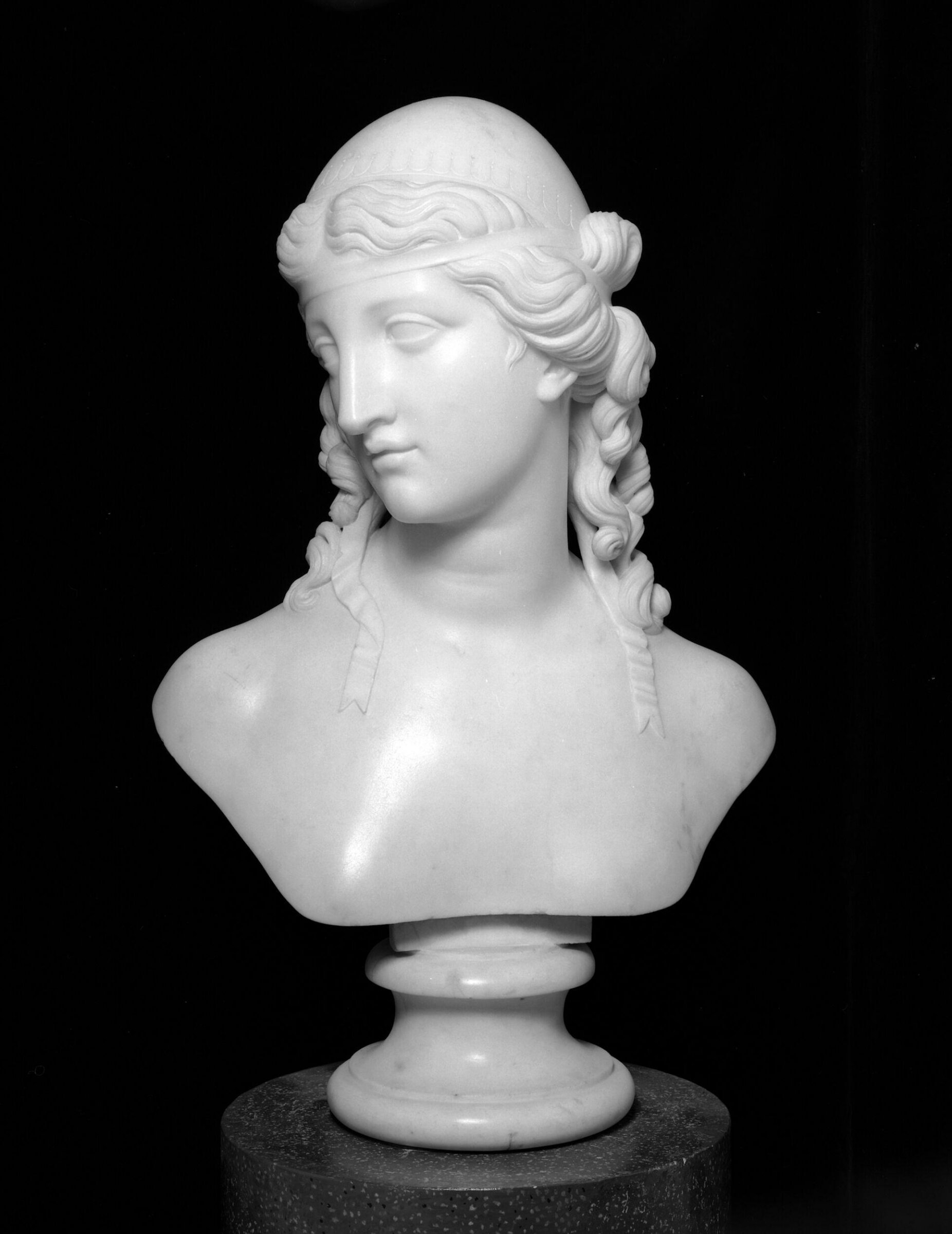
This white marble bust of a female head, inscribed 'Grazia, Puella Capuensis [Grazia the girl from Capua], is made by John Gibson in 1843.
An article in the Cornhill Magazine entitled 'Recollections of Gibson the sculptor', recorded:
Read on
His most beautiful model, Grazia, was the frequent subject of his conversation. Her sordid avarice, her fierce chastity, her furious temper, were studies to him; and the contract with her moral nature presented to her beauty, was graphically described...An English lady who had often heard of Grazia's marvellous beauty, asked permission to see her as she was sitting for her bust to Gibson. The lady looked at her and said she was handsome, but that her expression was bad. "She looks as if she had a vile temper". Grazia did not understand the words, but she read from the expression that it was something unfavourable. She started up. "Signor Giovanni, that woman has insulted me, I know. What did she say? Tell her I am a Roman, and that she is a miserable foreigner. Tell me what she said, or I will go and never return." "She said you were very beautiful, Grazia". "What else?" "What else could she say?" Grazia believed in him implicitly wand was satisfied. He said she was quite capable of personally maltreating the lady if he had said the truth'. [Cornhill Magazine 1868, p. 545].
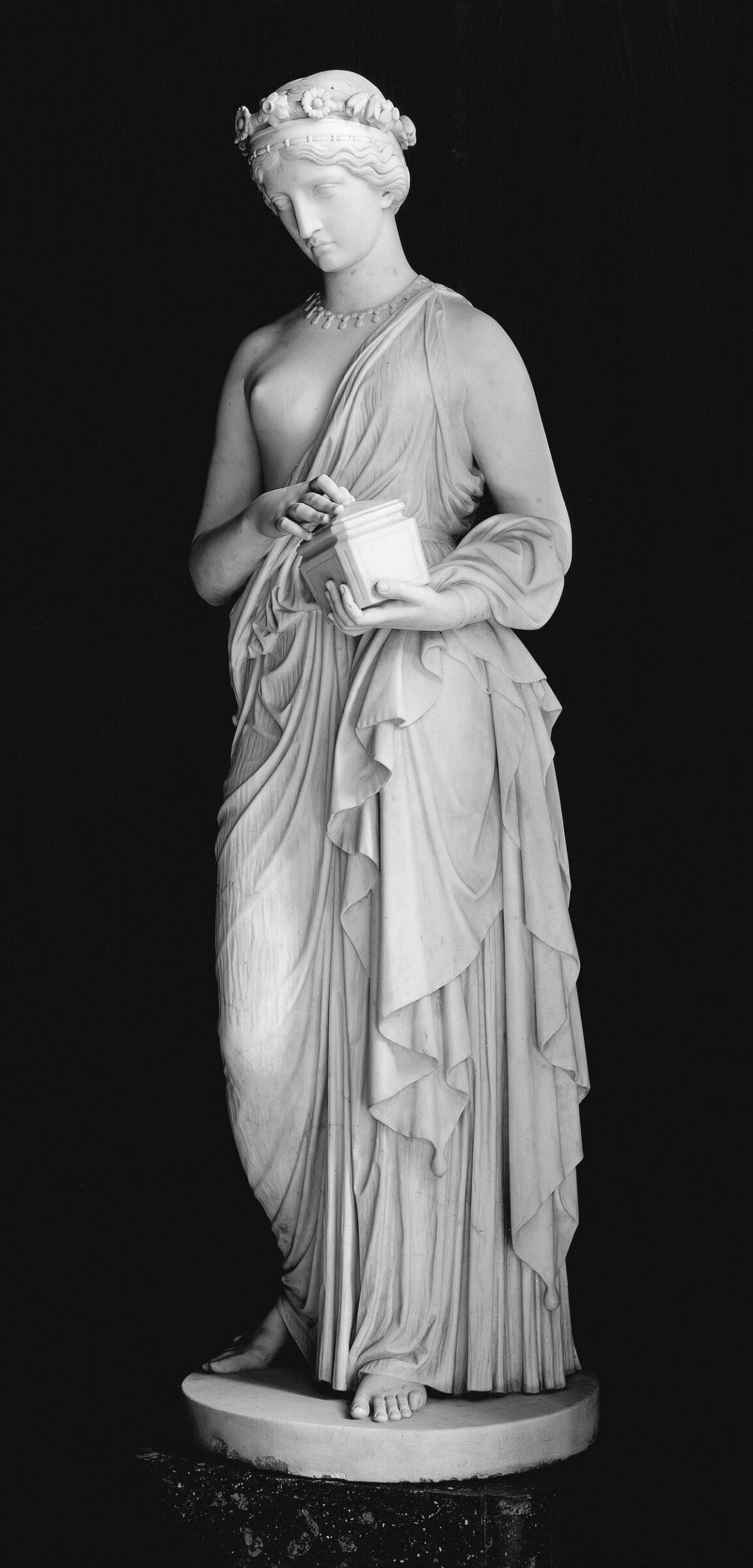
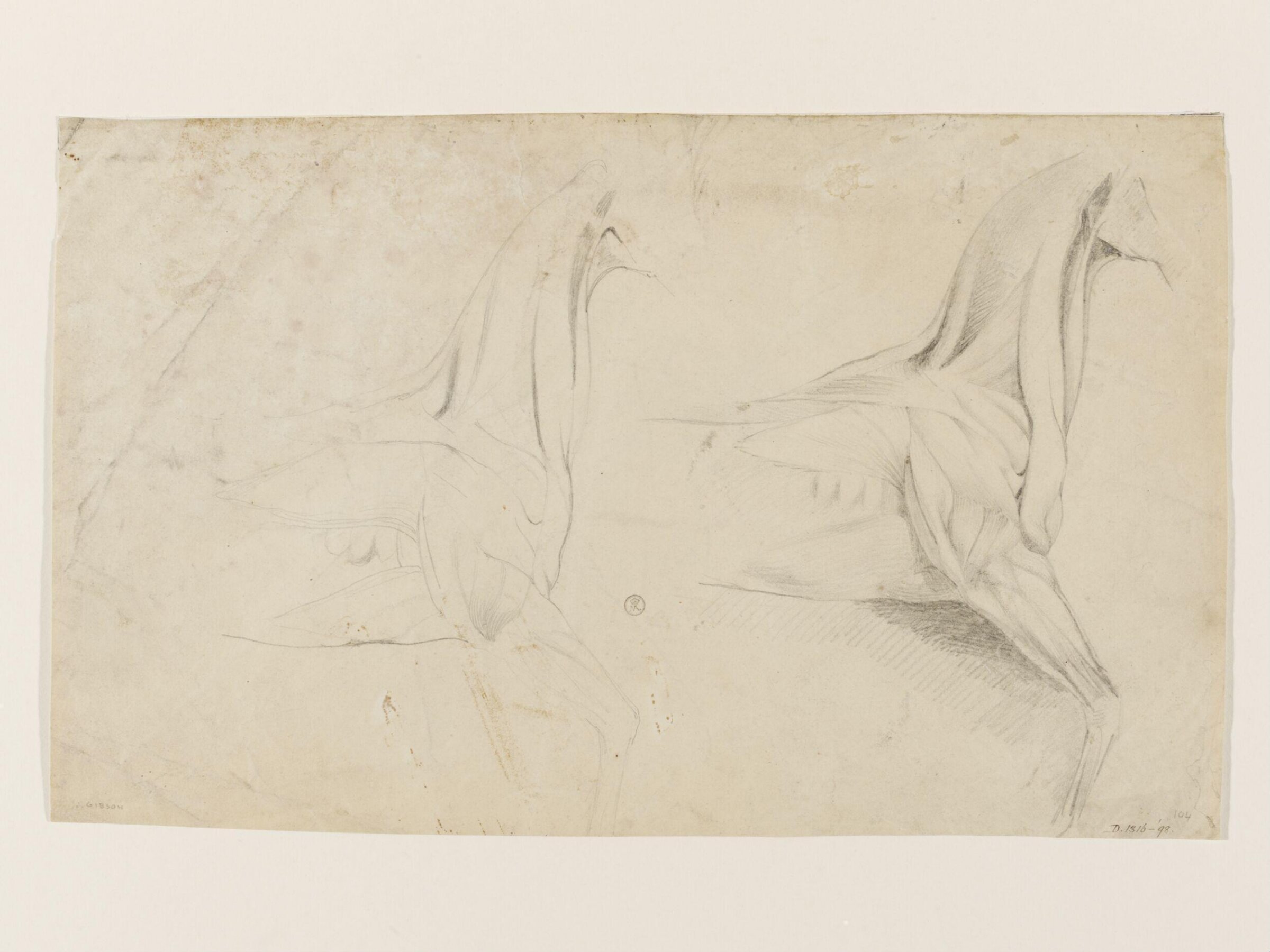
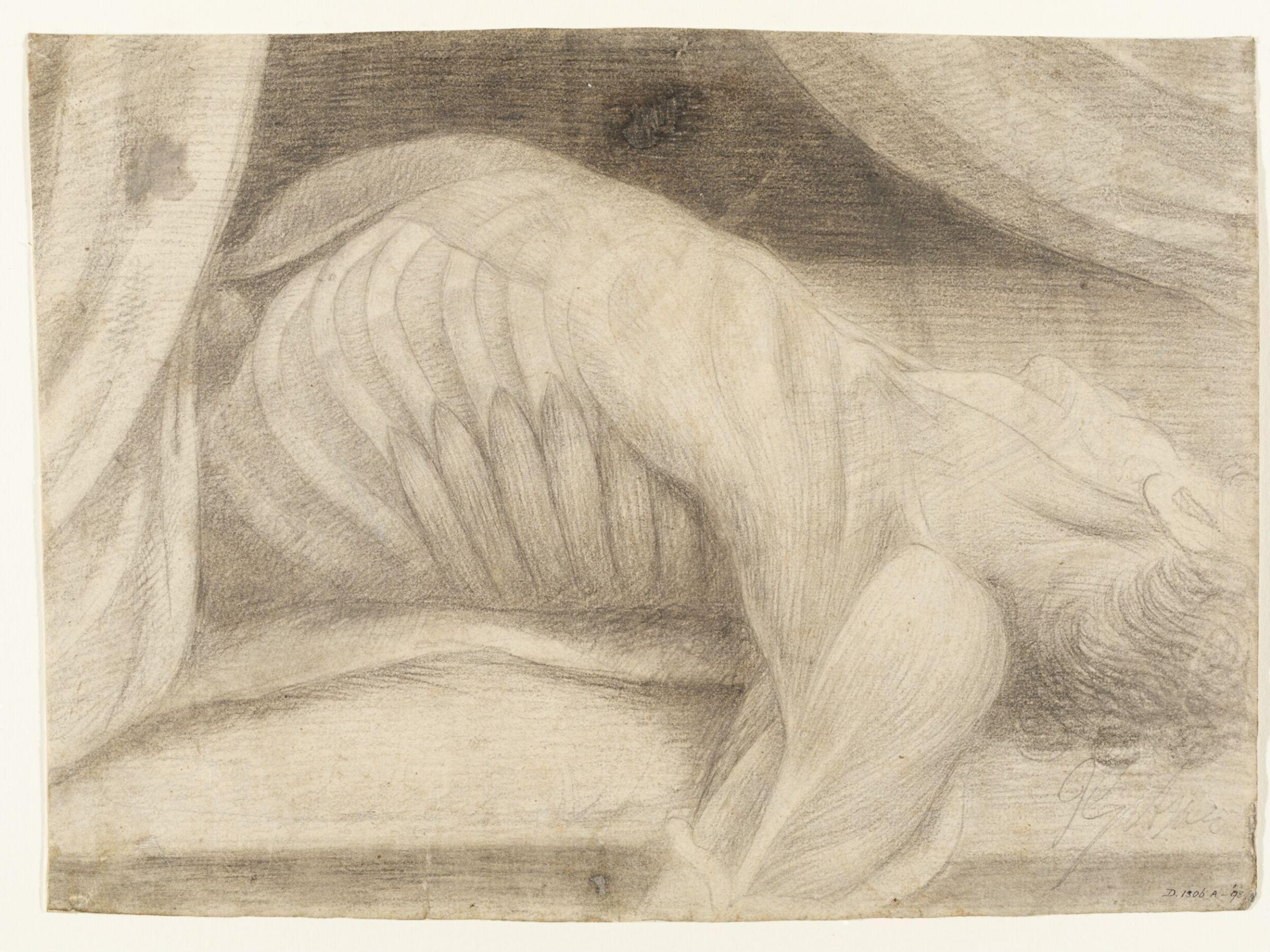
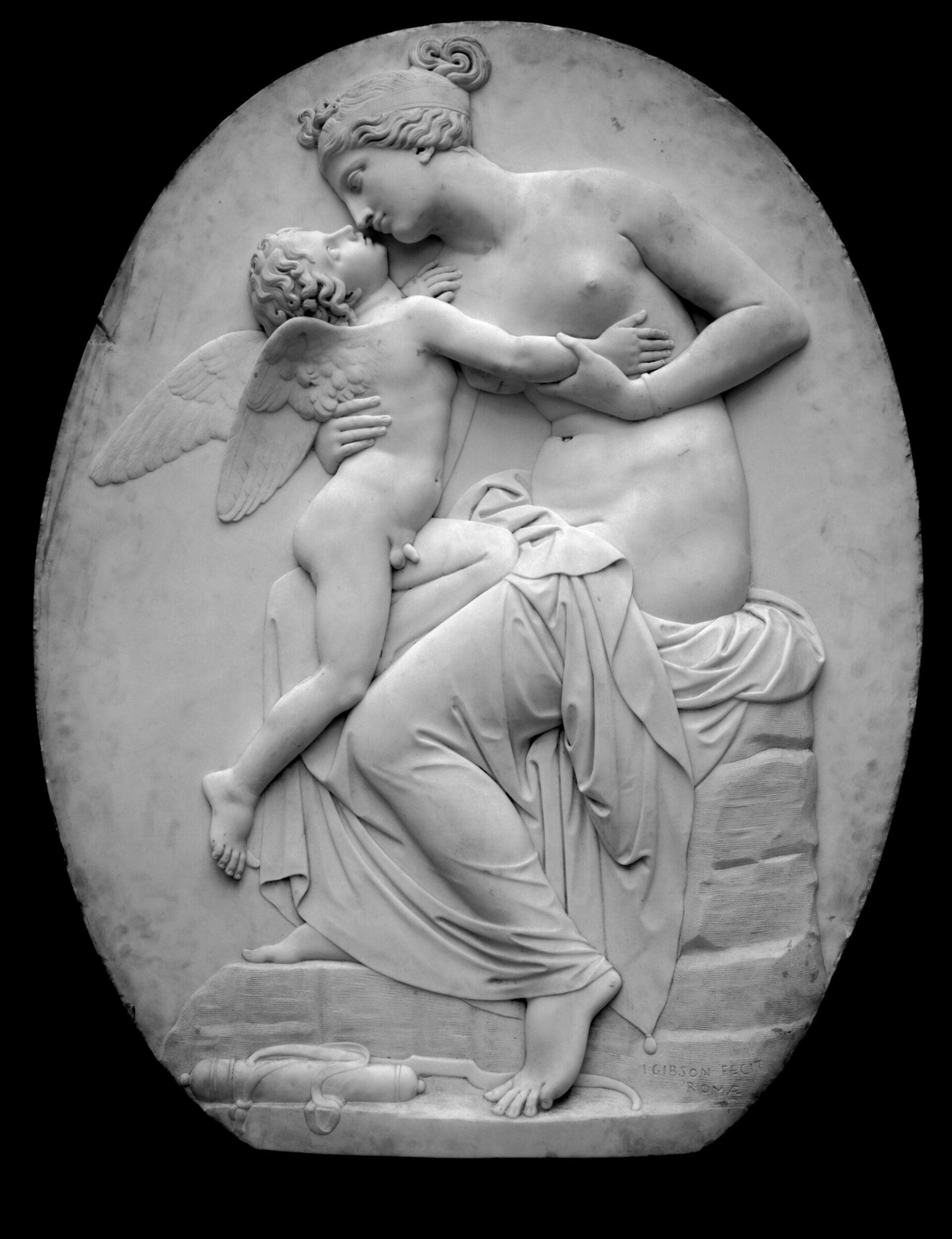
Gibson (1790-1866) was apprenticed to Messrs Franceys, the Liverpool firm of statuaries and later removed to Rome where he received instruction from Canova and Thorwaldsen. Elected A.R.A in 1833 and RA in 1838. He became the leading English sculptor of his generation working in the neo-classical style and was famous for such works as the Tinted Venus, Pandora, Mars and Cupid and Psyche and Zephers. He also executed public statues and busts. He bequeathed his property on his death to the Royal Academy.
Victoria and Albert Museum
Oplysninger
- Inventarnummer
- 1149-1882
What it shows
I kataloget
Kilder
- Victoria and Albert Museum: the museum's own open data · hentet for 8 dage siden
- Billede: Victoria and Albert Museum — © Victoria and Albert Museum, London