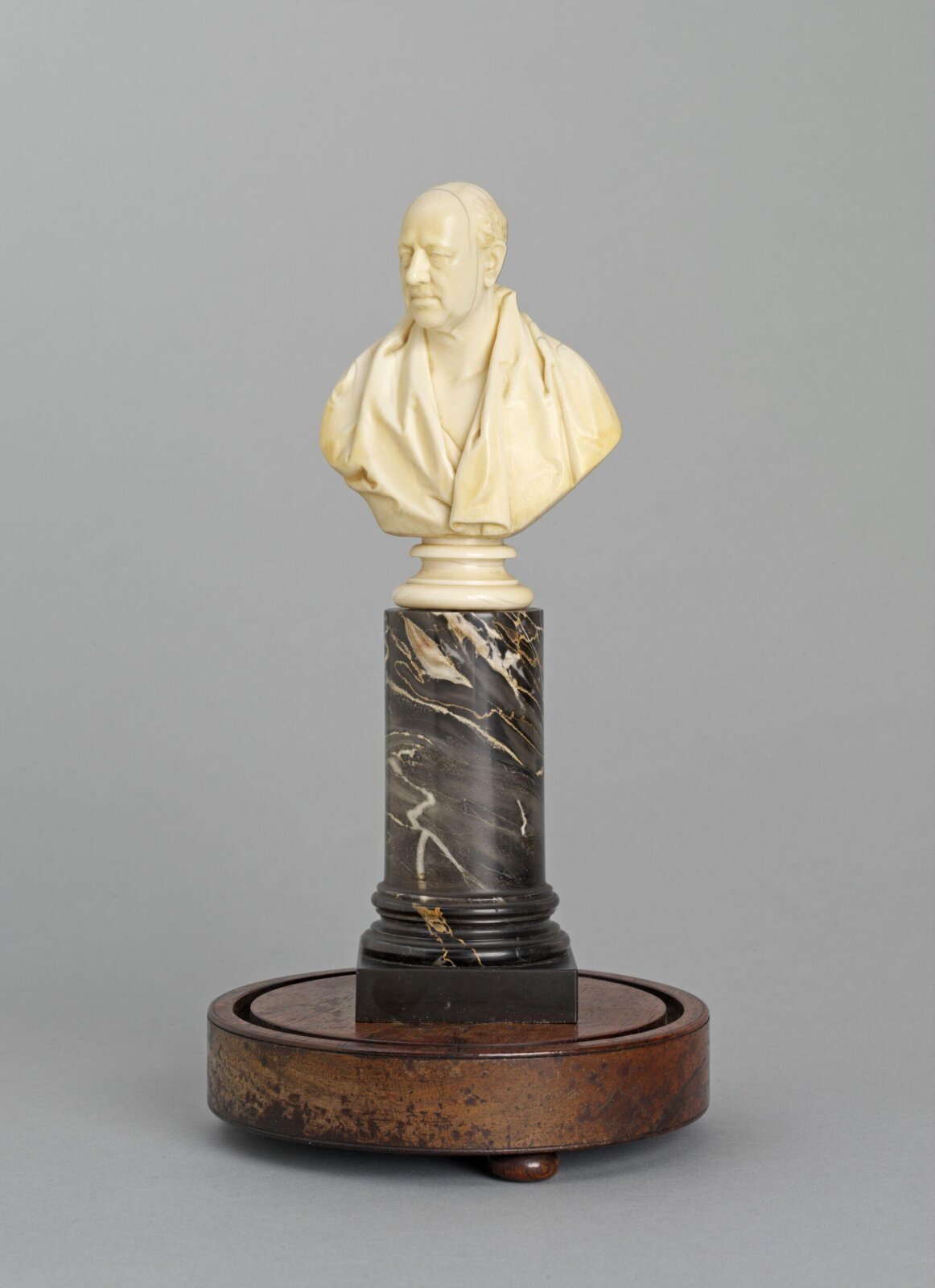
Benjamin Cheverton
George Sanders
Må man se det?
Tager ikke imod for tiden

Victoria and Albert Museum
London, Storbritannien
Det hører til samlingen, men er ikke udstillet for tiden.
- Kontrolleret
- Uændret siden
- Kilde
- Museets egne samlingsdata
About the sculpture
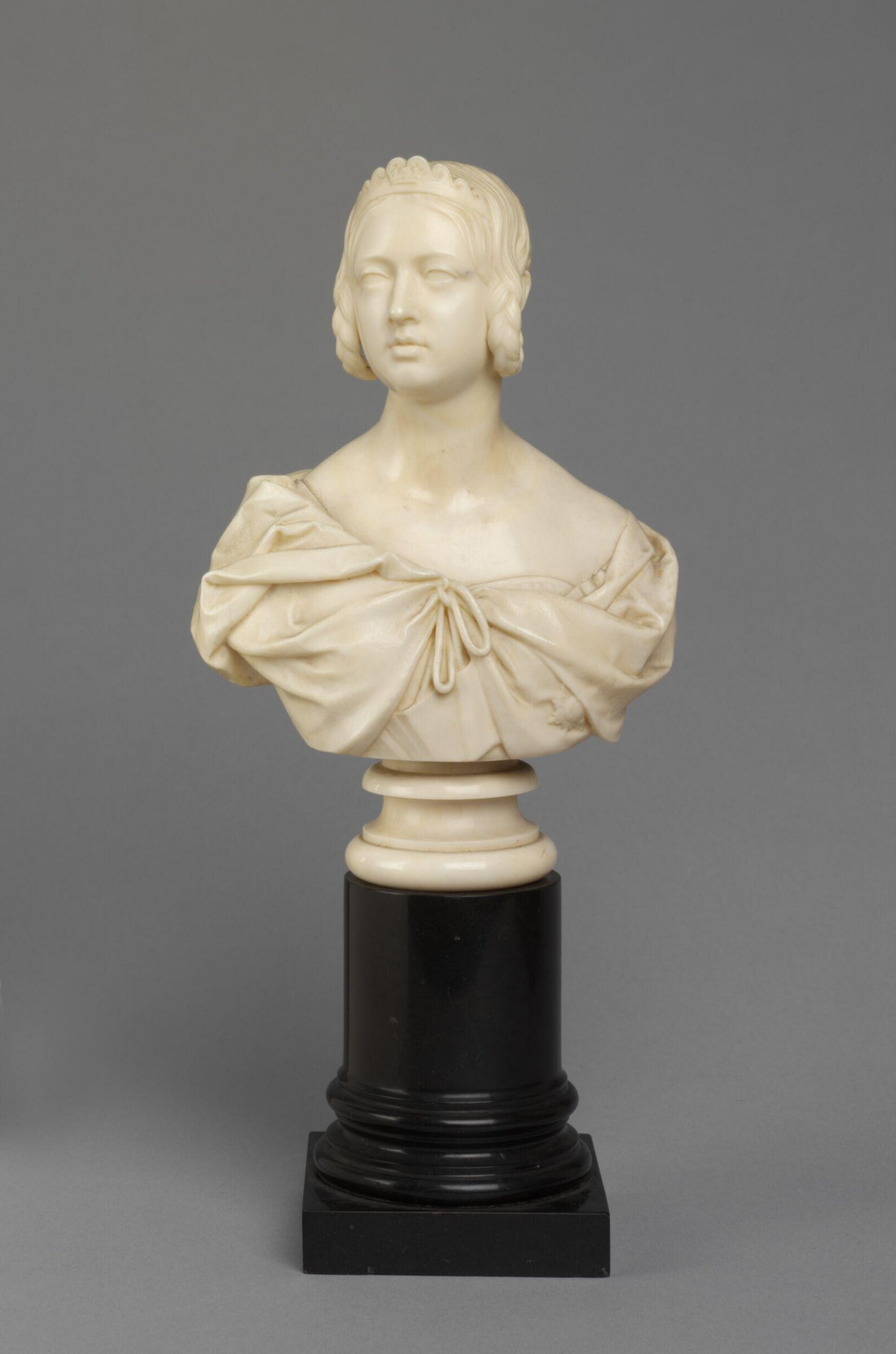
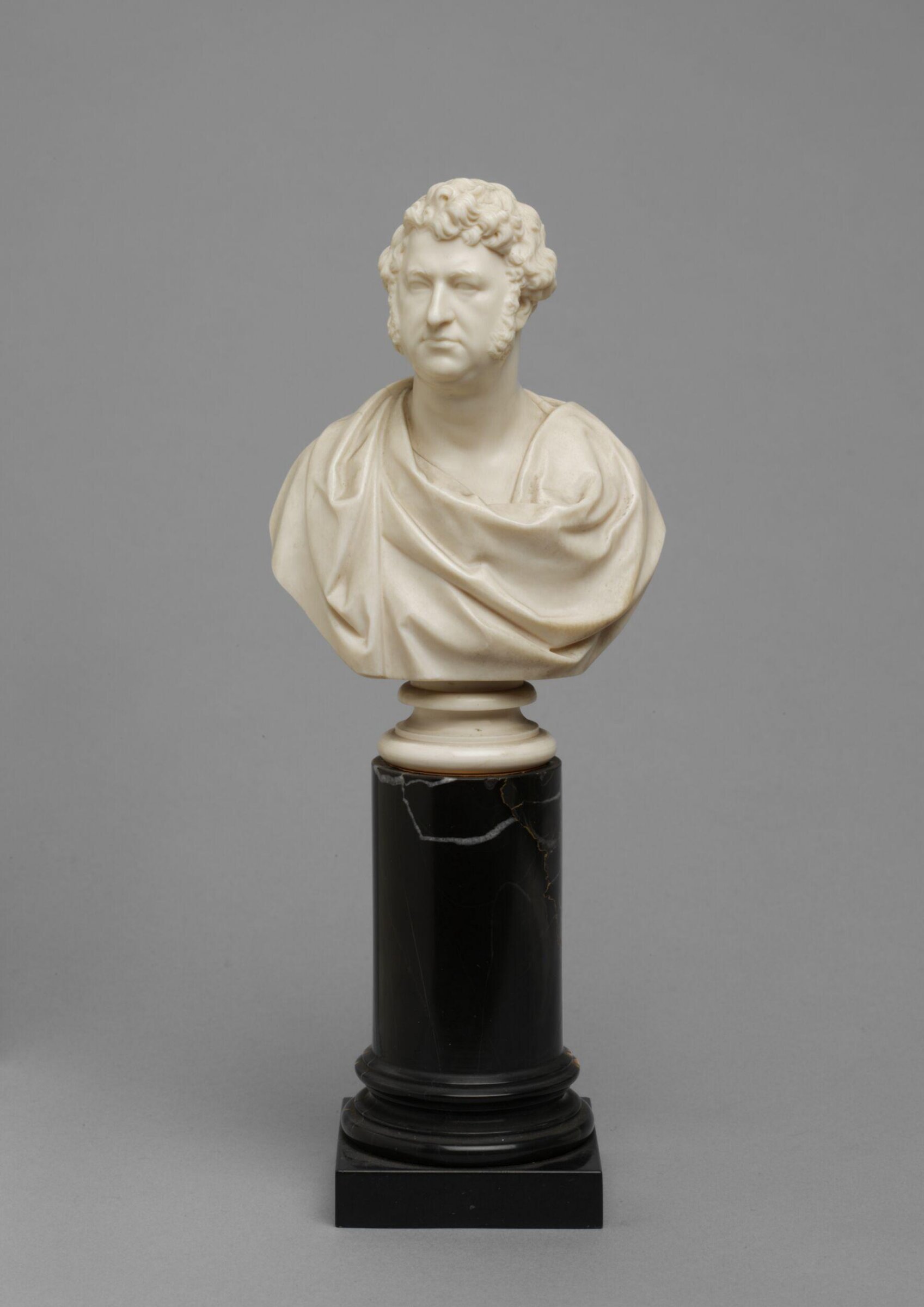
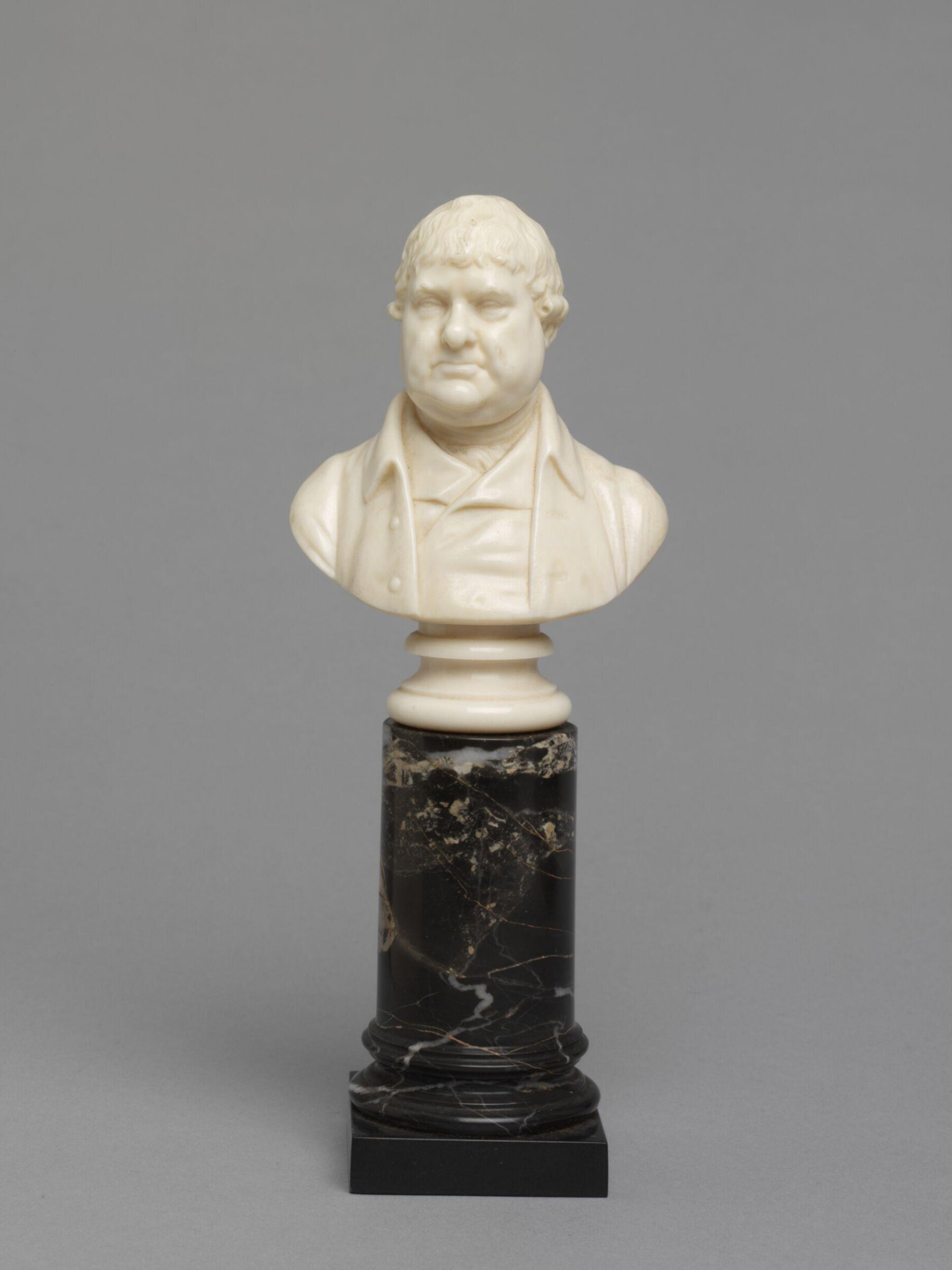
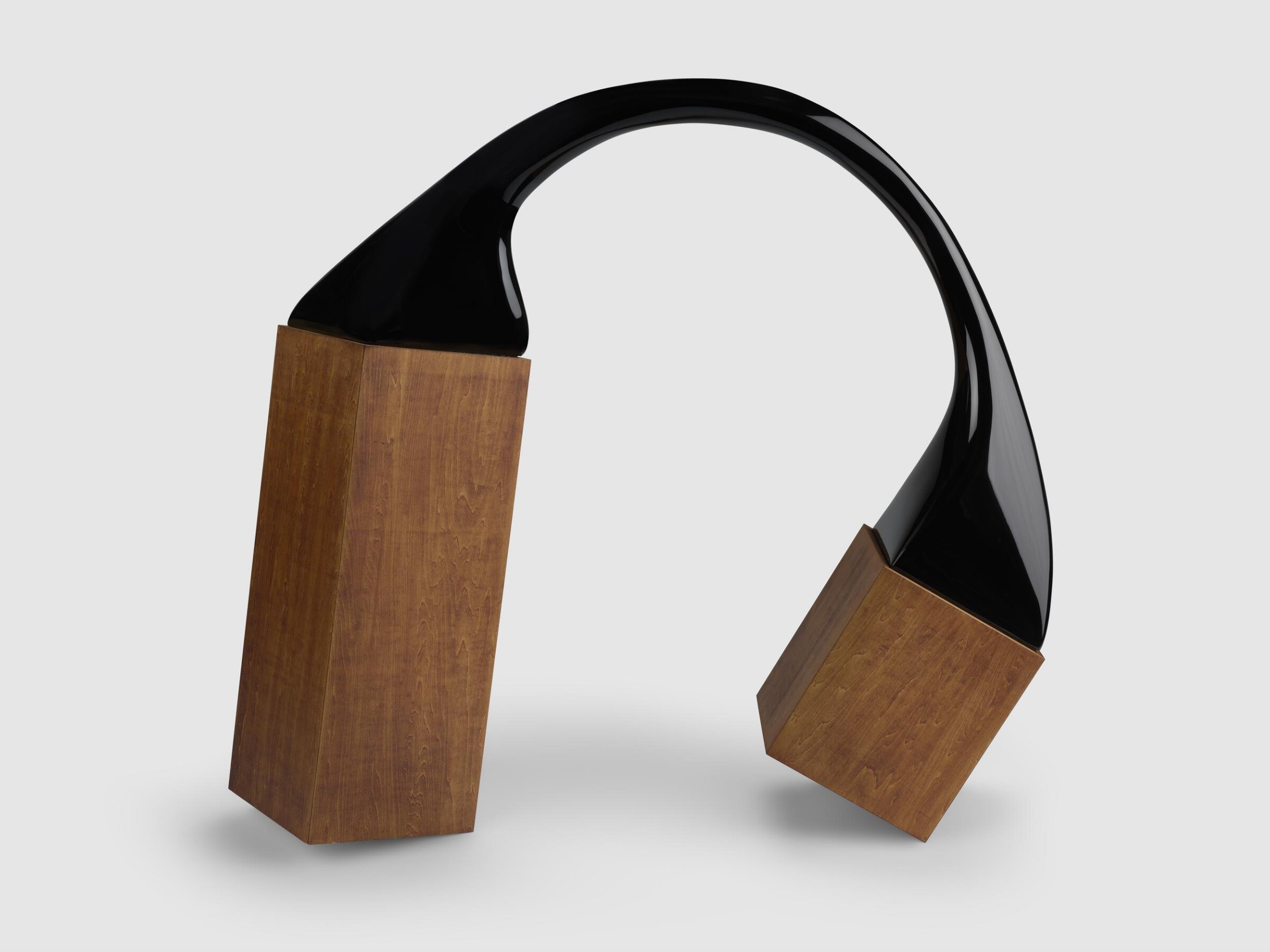
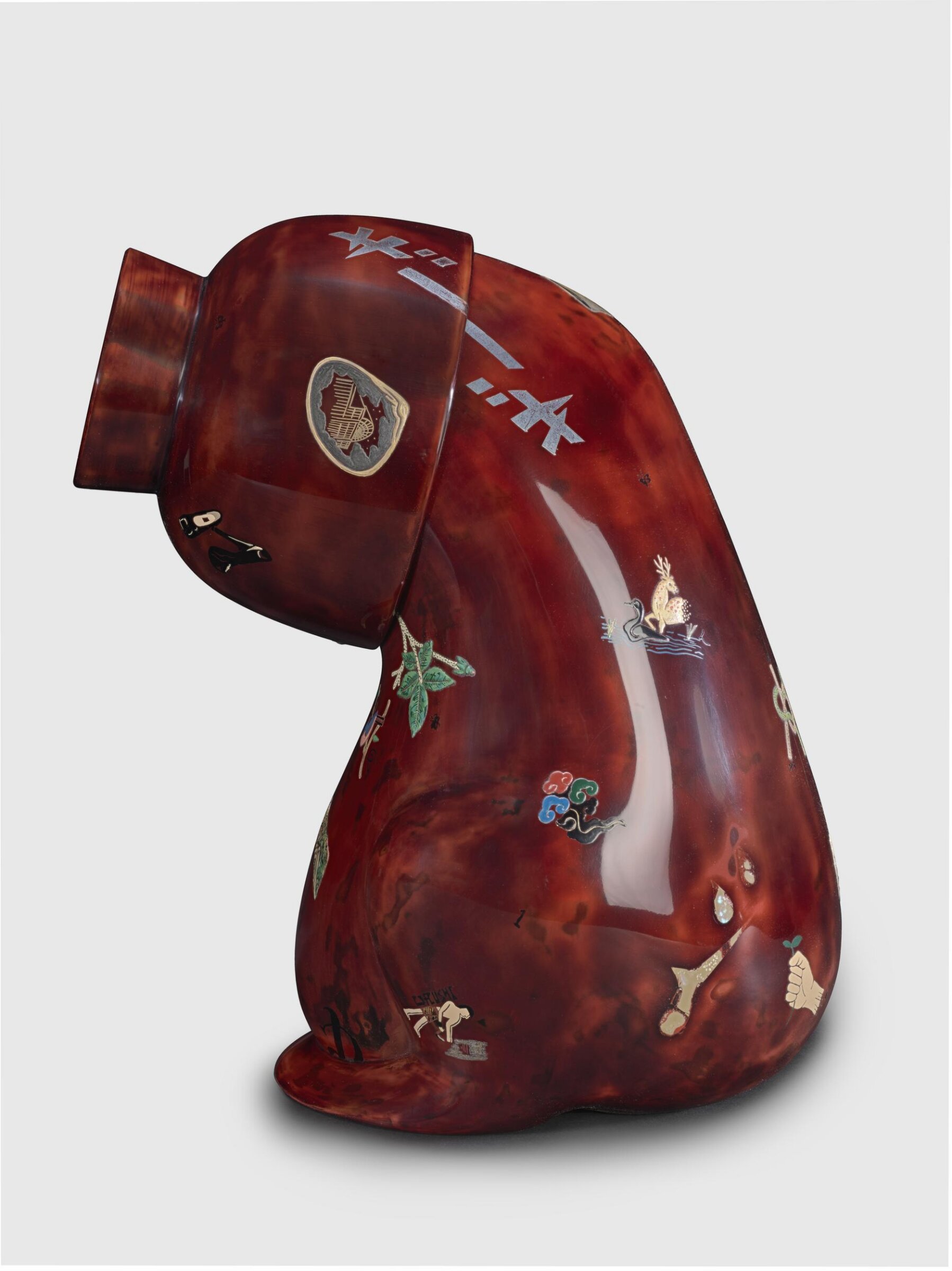
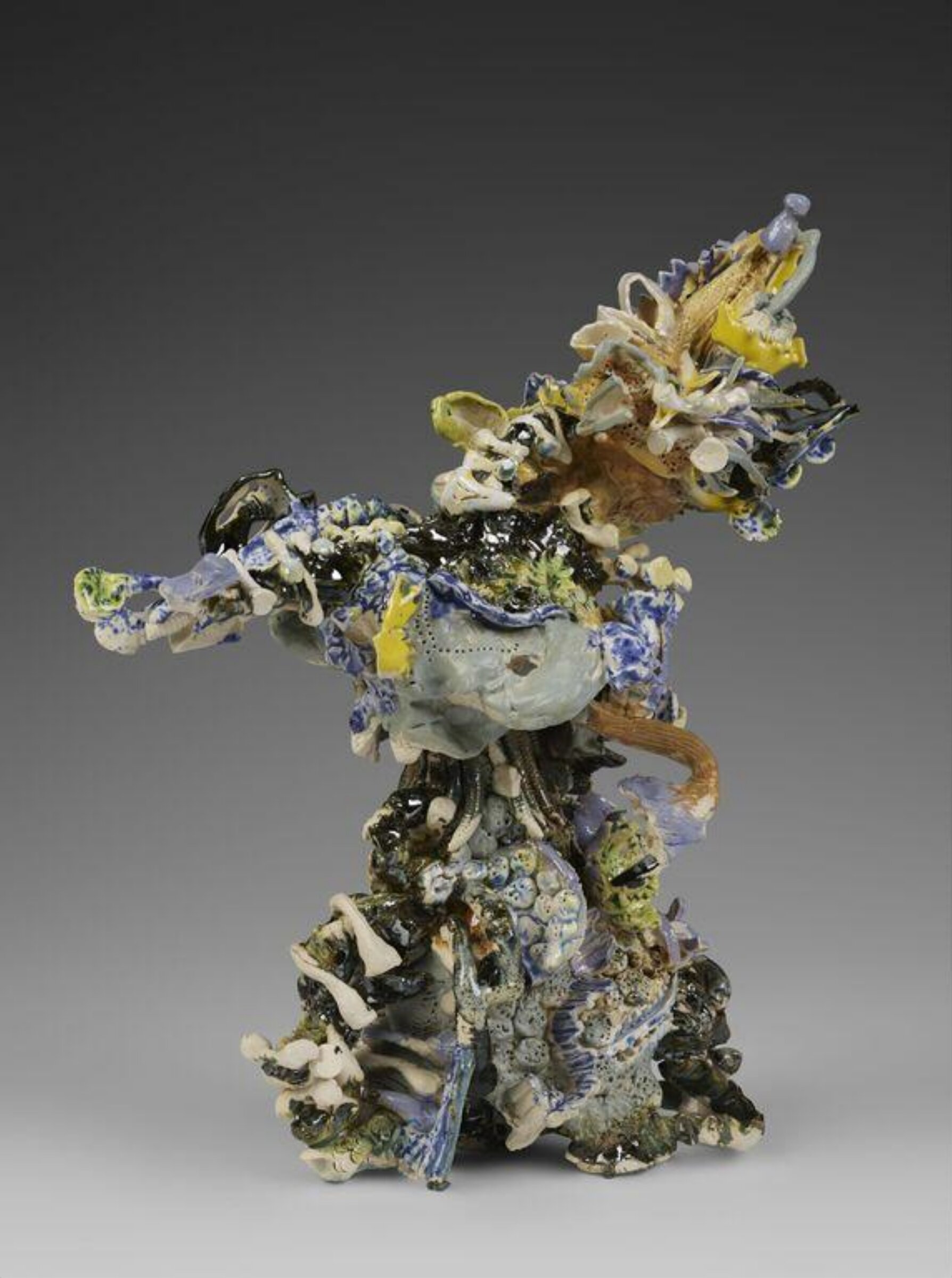
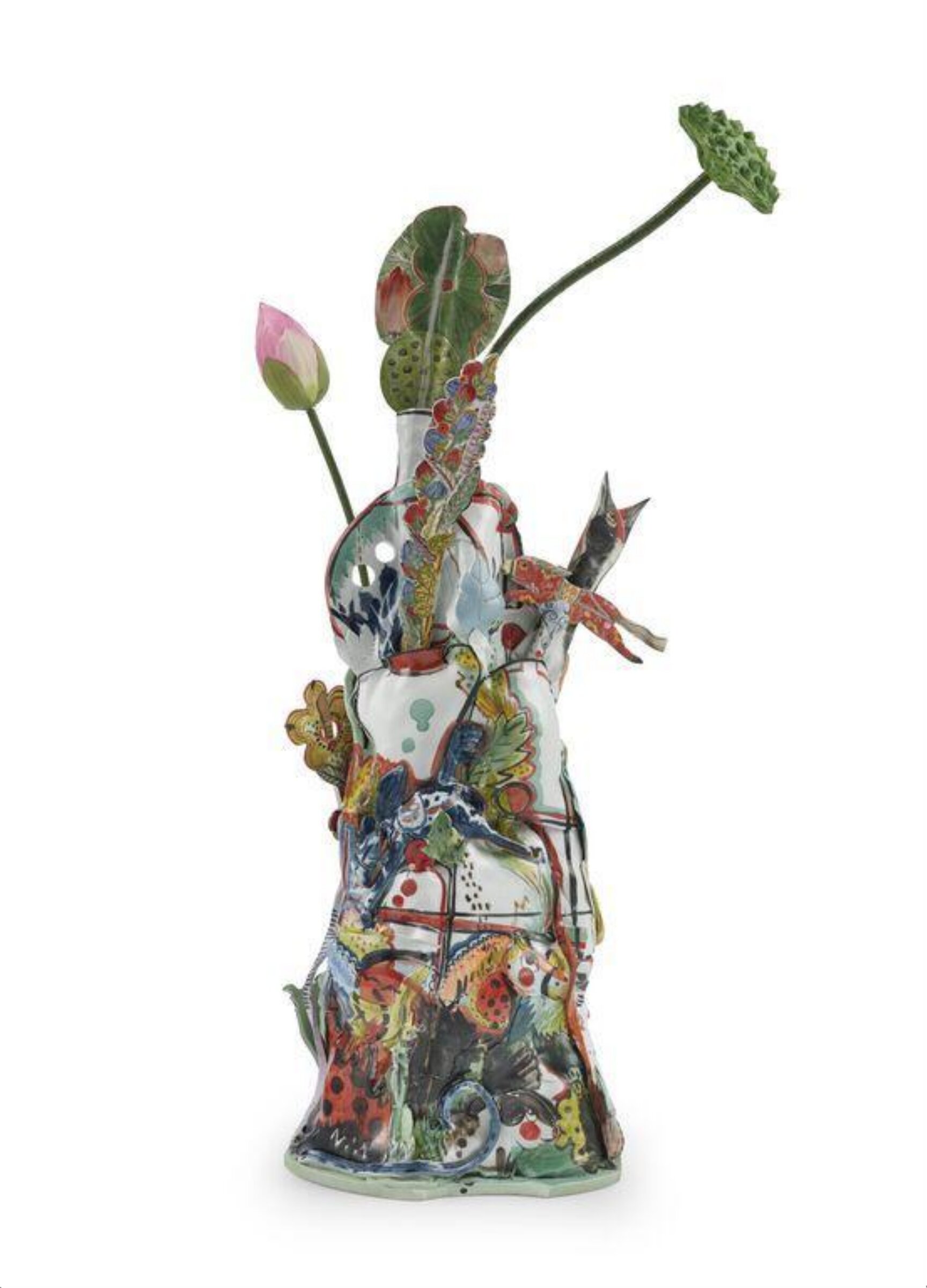
This is an ivory portrait bust of George Sanders made by Benjamin Cheverton in 1831, after a marble bust by Francis Chantrey. It is a fine portrait made with Cheverton's famous reducing machine. This piece epitomises the popularity of this material for small-scale sculpture in Britain at this time.
Read on
Benjamin Cheverton (1796-1876) was the son of a farmer and a small landowner. During the 1820s he perfected a machine capable of producing reduced miniature versions, usually in ivory, of full-size sculptures. This had been invented by his mentor, John Isaac Hawkins, and was similar to machines devised by the engineer and inventor James Watt (1736-1819). Cheverton’s machine was up and running by early 1828. He first showed products at exhibitions, and issued items which might have popular appeal, such as busts of Shakespeare or Milton. Later he took commission from owners of busts or other sculptures who desired small copies. His ivories were produced to a high standard, and he maintained that the machine itself was capable of making objects of such quality. This machine is now in the Science Museum in London. The busts were apparently finished by hand by Cheverton, as they show little trace of mechanical aid; his work shows considerable refinement and delicacy of execution.
Sir Francis Legatt Chantrey (1781-1842) was an English sculptor, painter, and patron. He was probably the most successful portrait sculptor of his day. Together with Flaxman Chantrey can be ranked as England's greatest sculptor engaging in portrait busts and statues. He was particularly skilled in carving drapery. On his death he left a fortune of £150,000 which was later bequeathed to the Royal Academy to be used for the 'Encouragement of British Fine Art in Painting and Sculpture'.
Victoria and Albert Museum
Oplysninger
- Inventarnummer
- A.3-2016
What it shows
I kataloget
Kilder
- Victoria and Albert Museum: the museum's own open data · hentet for 10 dage siden
- Billede: Victoria and Albert Museum — © Victoria and Albert Museum, London