Henry Cheere
George Pitt
Må man se det?
Ja, det tager imod

Victoria and Albert Museum
London, Storbritannien
SalBritish Galleries, Room 52, The George Levy Gallery
Udstillet for publikum. Hvem der står inde for det, står nedenfor.
- Kontrolleret
- for 9 dage siden
- Uændret siden
- 25. sep. 2026
- Kilde
- Museets egne samlingsdata
About the sculpture
Object Type
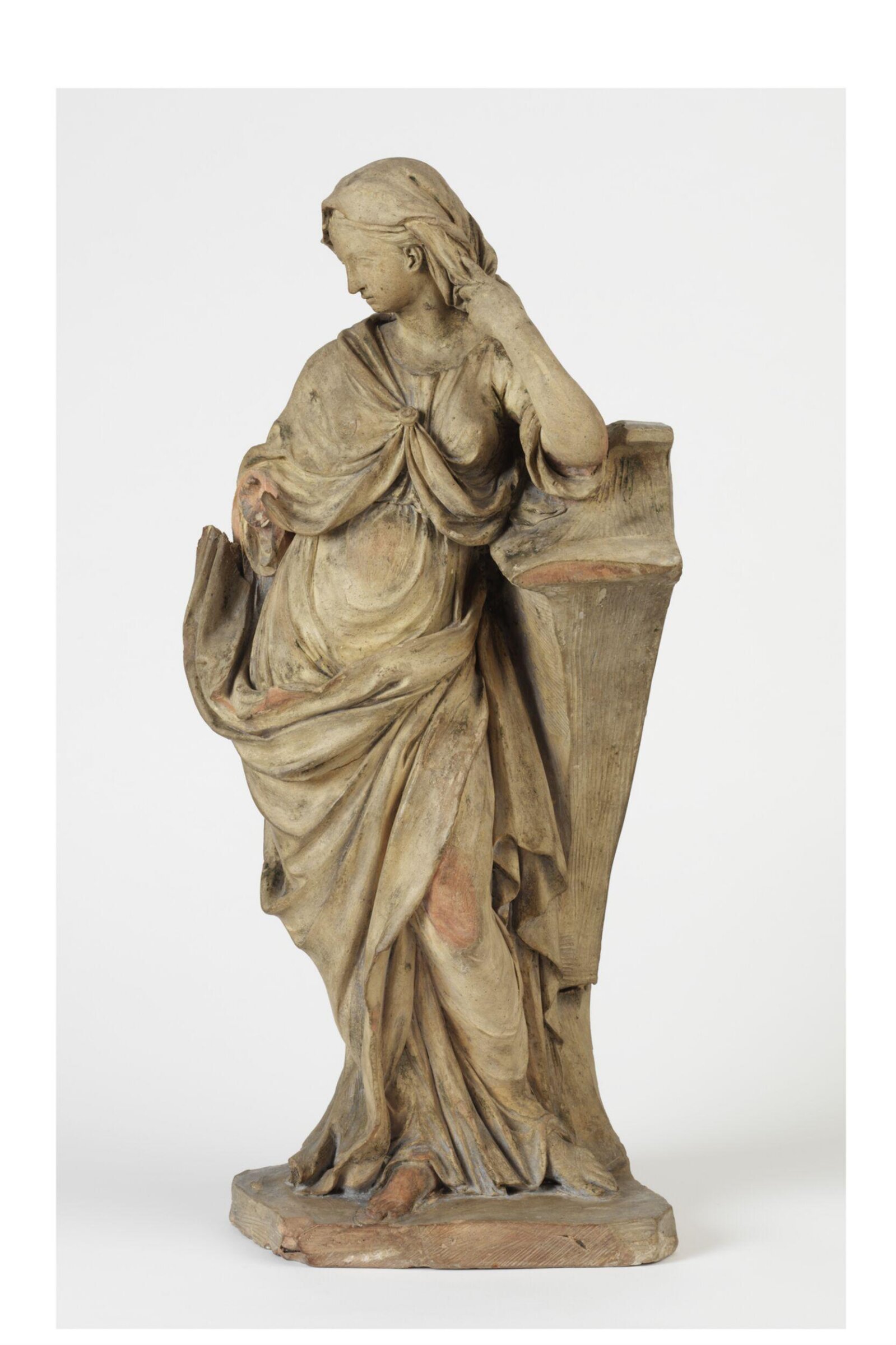
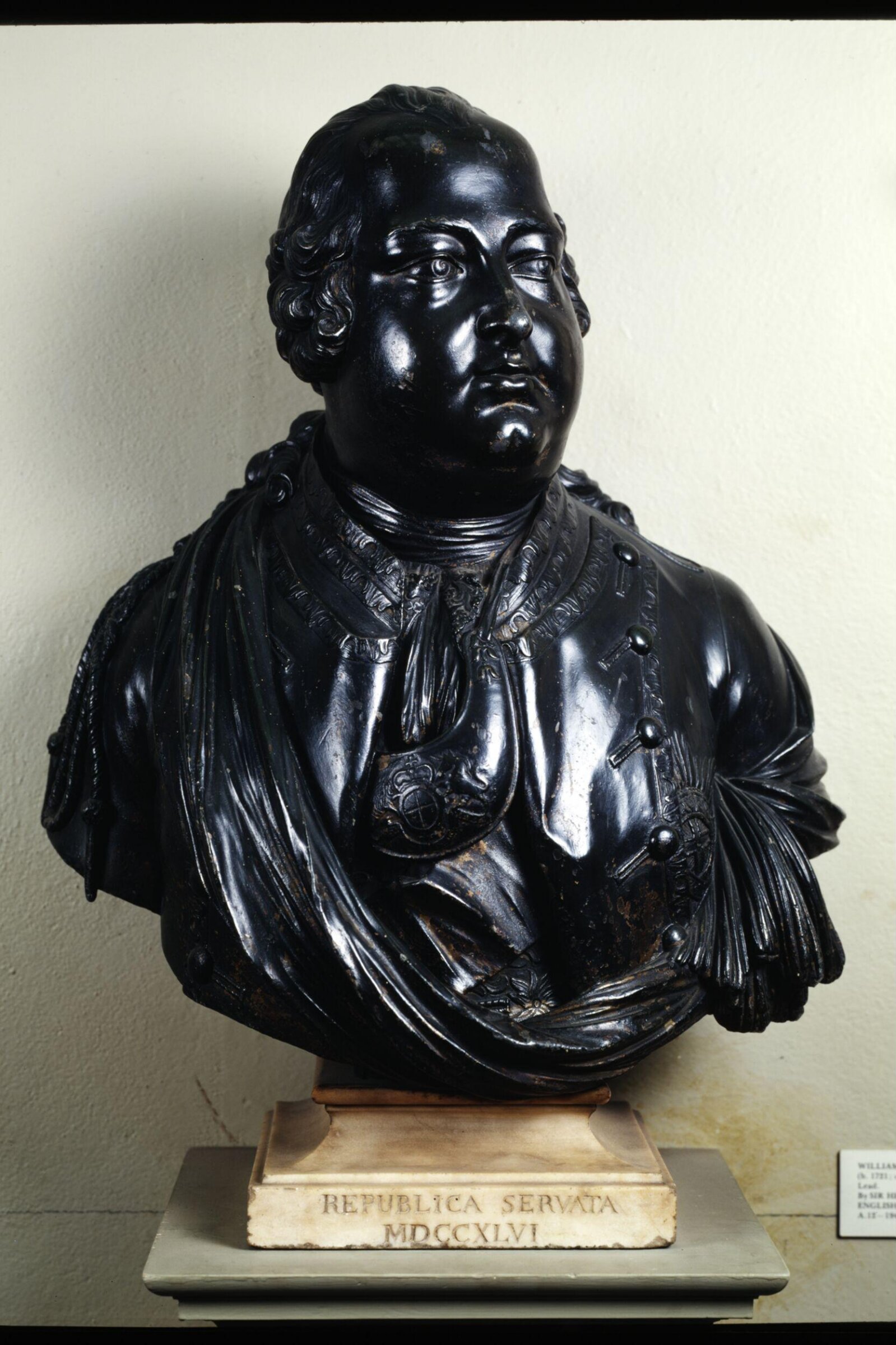
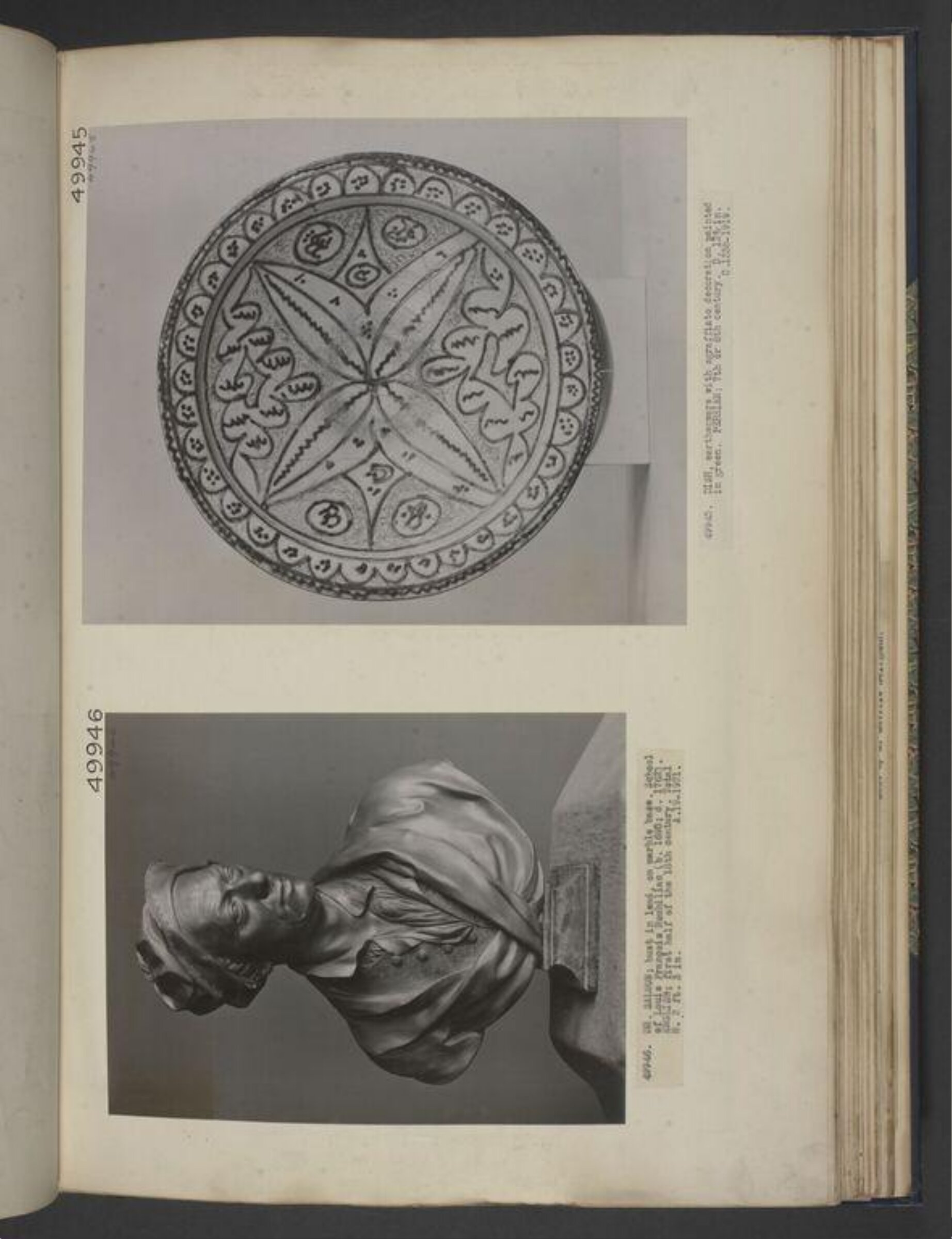
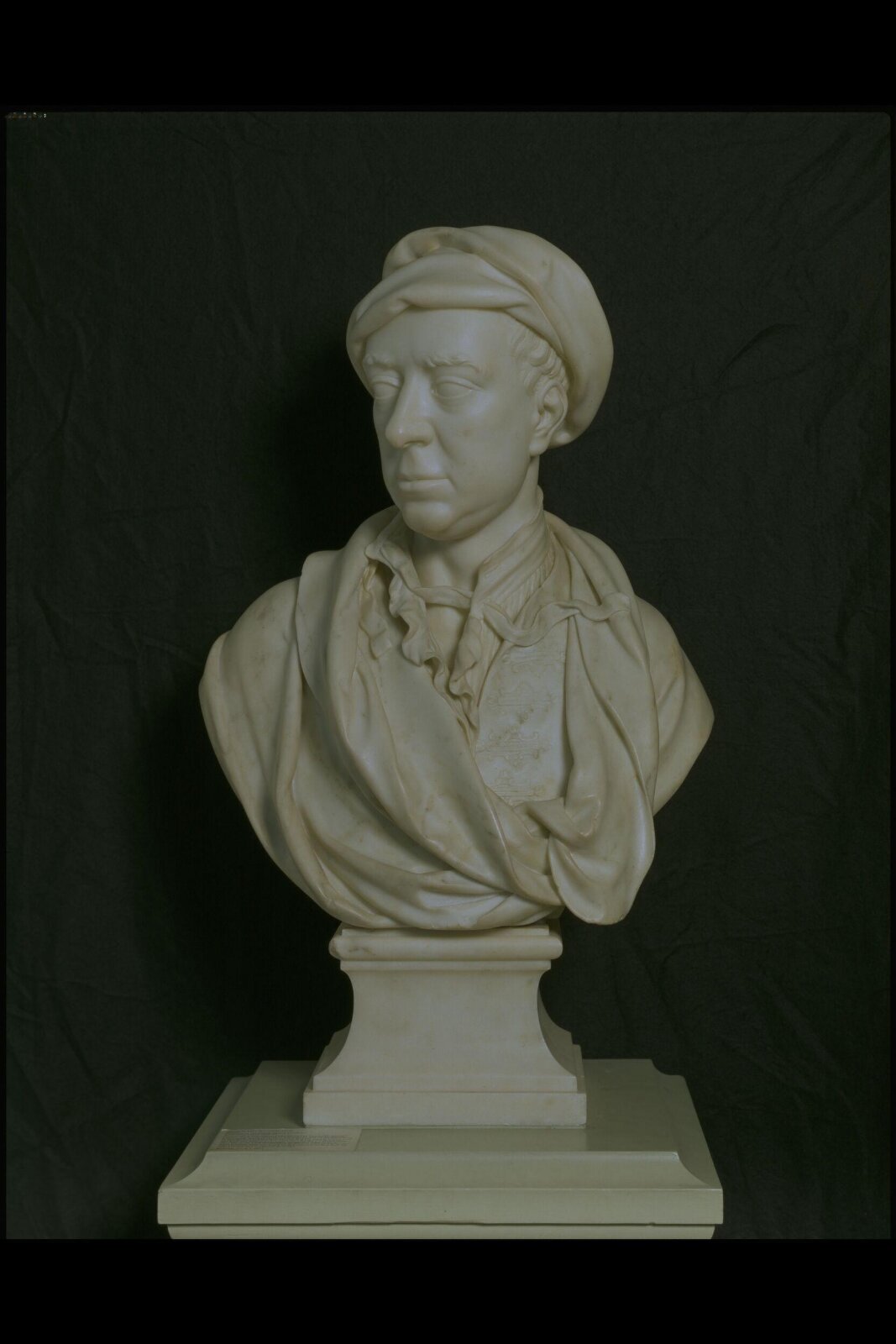
This marble portrait bust of George Pitt (1663-1735) of Stratfield Saye, Hampshire, was made from a model executed by the sitter's son, John Pitt (born about 1706; died 1787), an amateur architect of some distinction. Another, more summary version of the bust is on the monument to George Pitt in the church at Stinsford, Dorset. The present bust was almost certainly produced as a more private memorial for the family home. The church monument was based on a design by the architect James Gibbs (1682-1754), but this bust was almost certainly made by Sir Henry Cheere (1703-1781). The finish to the surface of the marble and the seemingly casual stylishness of the dress support this attribution.
People
Read on
George Pitt was MP for a number of Dorset and Hampshire constituencies between 1694 and 1727, and owned Stratfield Saye (later the home of the Duke of Wellington). He was distantly related to William Pitt, Earl of Chatham (Pitt the Elder).
Sir Henry Cheere was one of the most successful sculptors in mid-18th-century Britain, and unlike some of his more eminent sculptor contemporaries, such as John Michael Rysbrack and Louis Fran‡ois Roubiliac, he was a native of this country. He specialised in portrait busts and tomb sculpture, and in the latter was particularly adept in the use of coloured marbles. He also employed a light, and yet at the same time highly-finished, style that was typical of the Rococo.
Materials & Making
Although this is the primary version of the bust, the existence of another on the subject's tomb indicates one aspect of sculpture production in 18th-century Britain. Sometimes more than one version would be made of a portrait bust, whether for the sitter's friends or family, or (if a celebrated subject, such as the monarch) for wider circulation. The initial model, usually in made in clay and then transferred to a full-size plaster version, could be used over and over again to reproduce copies in marble. In this case, the original model is lost, and only two marbles survive.
Victoria and Albert Museum
Oplysninger
- Inventarnummer
- A.7-1981
What it shows
I kataloget
Kilder
- Victoria and Albert Museum: the museum's own open data · hentet for 9 dage siden
- Billede: Victoria and Albert Museum — © Victoria and Albert Museum, London