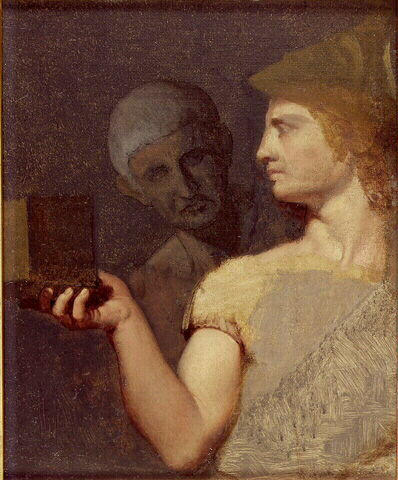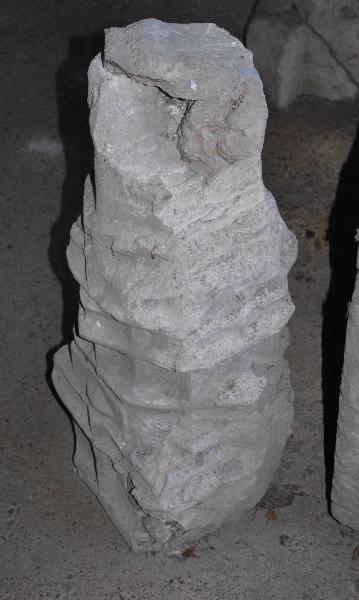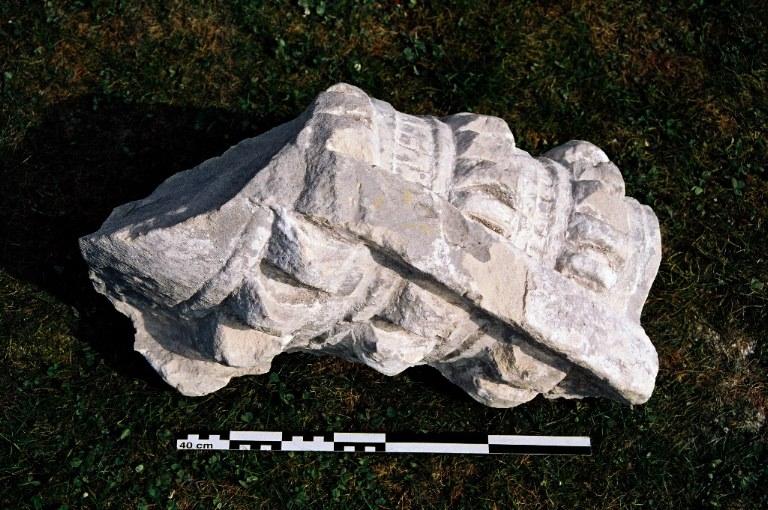
 Jean-Auguste-Dominique IngresFrankrig, 1780–1867
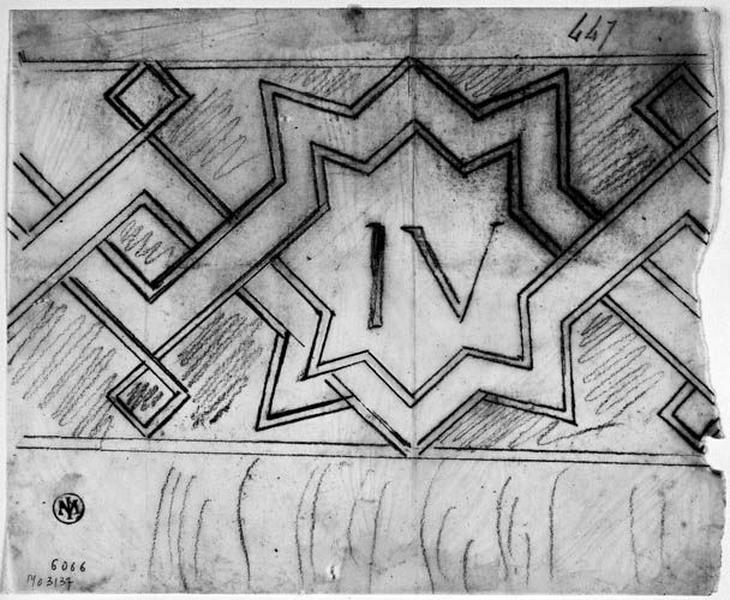
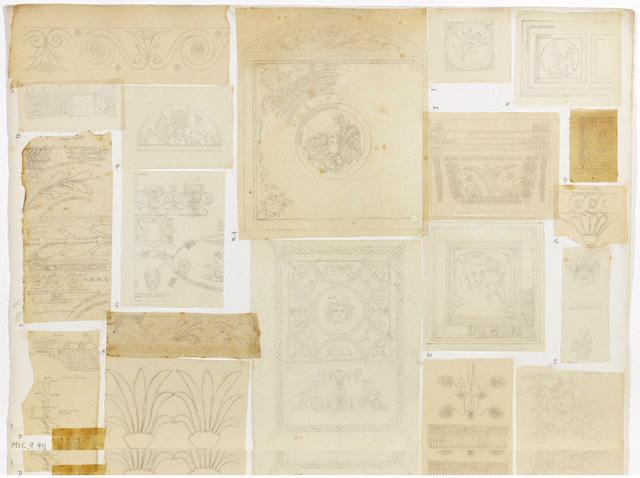
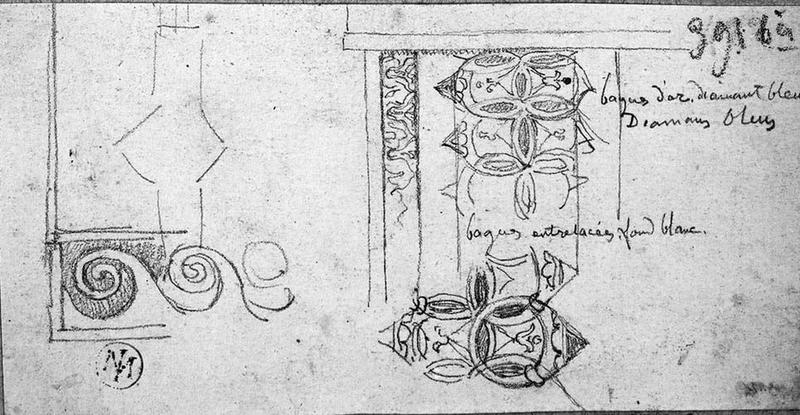
Frise de vagues
Kan det ses?
Ukendt
Hvor er »Frise de vagues« i dag? Samling: Musée Ingres-Bourdelle, Montauban. Ukendt.
Montauban, Frankrig
Ejeren er kendt; om værket er udstillet i dag, vides ikke.
- Uændret siden
- Kilde
- Museet
Oplysninger
- Inventarnummer
- MI.867.3855 ; 391b F24 SP (Inventaire Cambon) ; 3283 (Inventaire Momméja)
Hvad det viser
I kataloget
Kilder
- Musée Ingres-Bourdelle
- Billede: Musée Ingres-Bourdelle — © Roumagnac Guy; Ministère de la Culture (France), base Joconde
Imens i livet hos Jean-Auguste-Dominique Ingres
Hele livet1806
A chilly reception at the Salon of 1806
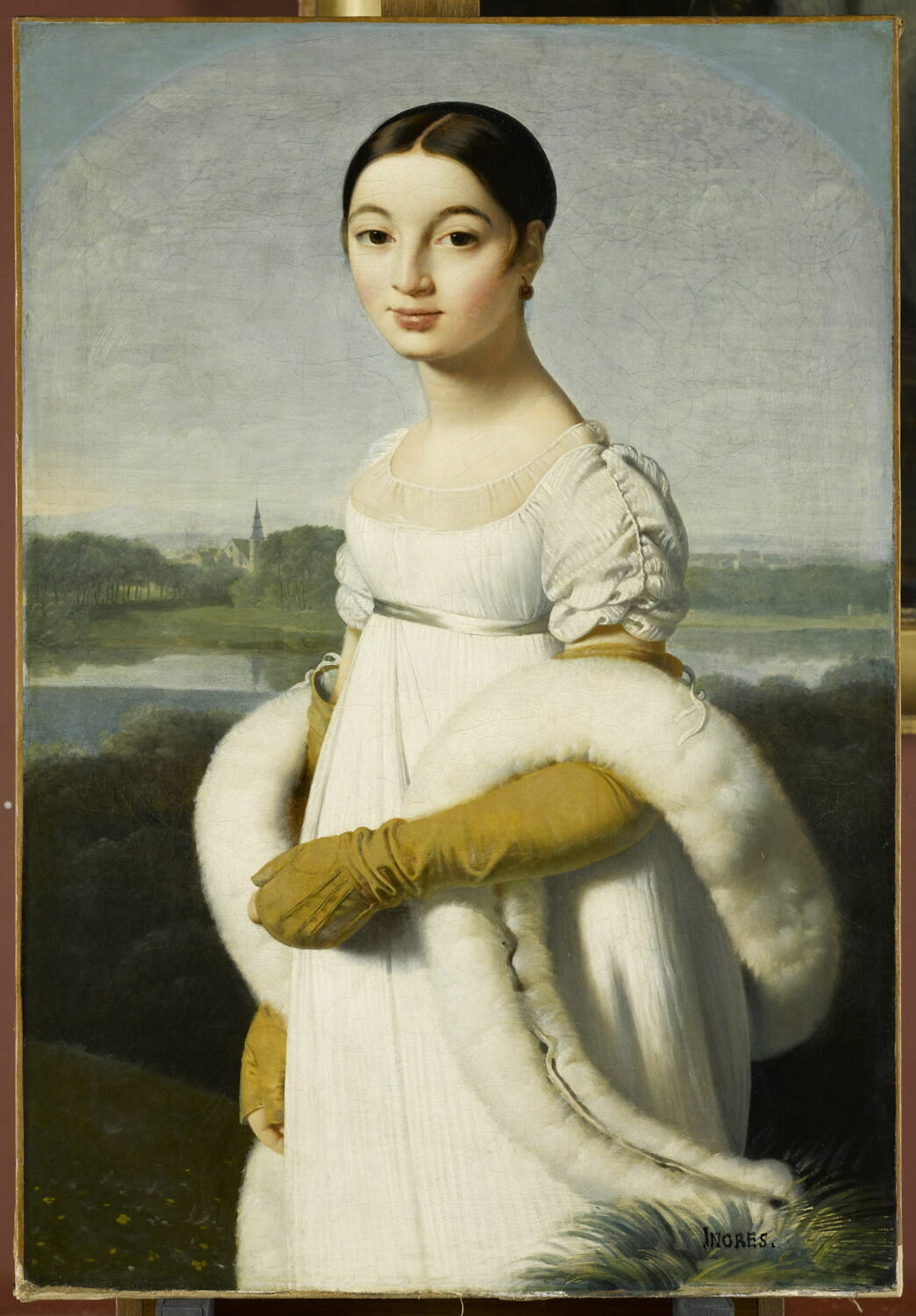
At the Salon of 1806 Ingres showed his Self-Portrait, the Rivière family portraits and Napoleon I on His Imperial Throne to a very chilly reception: David was severe, the critics hostile, and Chaussard called his style gothic and accused him of wanting to make art regress by four centuries. Ingres had left for Rome just days before the Salon opened.
1806–1810 · Uddannelse
French Academy in Rome
1813
Married: Madeleine Chapelle
1813
Marriage to Madeleine Chapelle
The acquaintance began by letter: Ingres drew Madeleine Chapelle's portrait from descriptions in her letters, and when they met in September the drawing matched the original; they married in December. Madeleine wrote to her sister that Ingres was an artist of enormous talent, neither a spendthrift, nor a drunkard, nor a libertine.
1819
Critics condemn the “Grande Odalisque” at the Salon
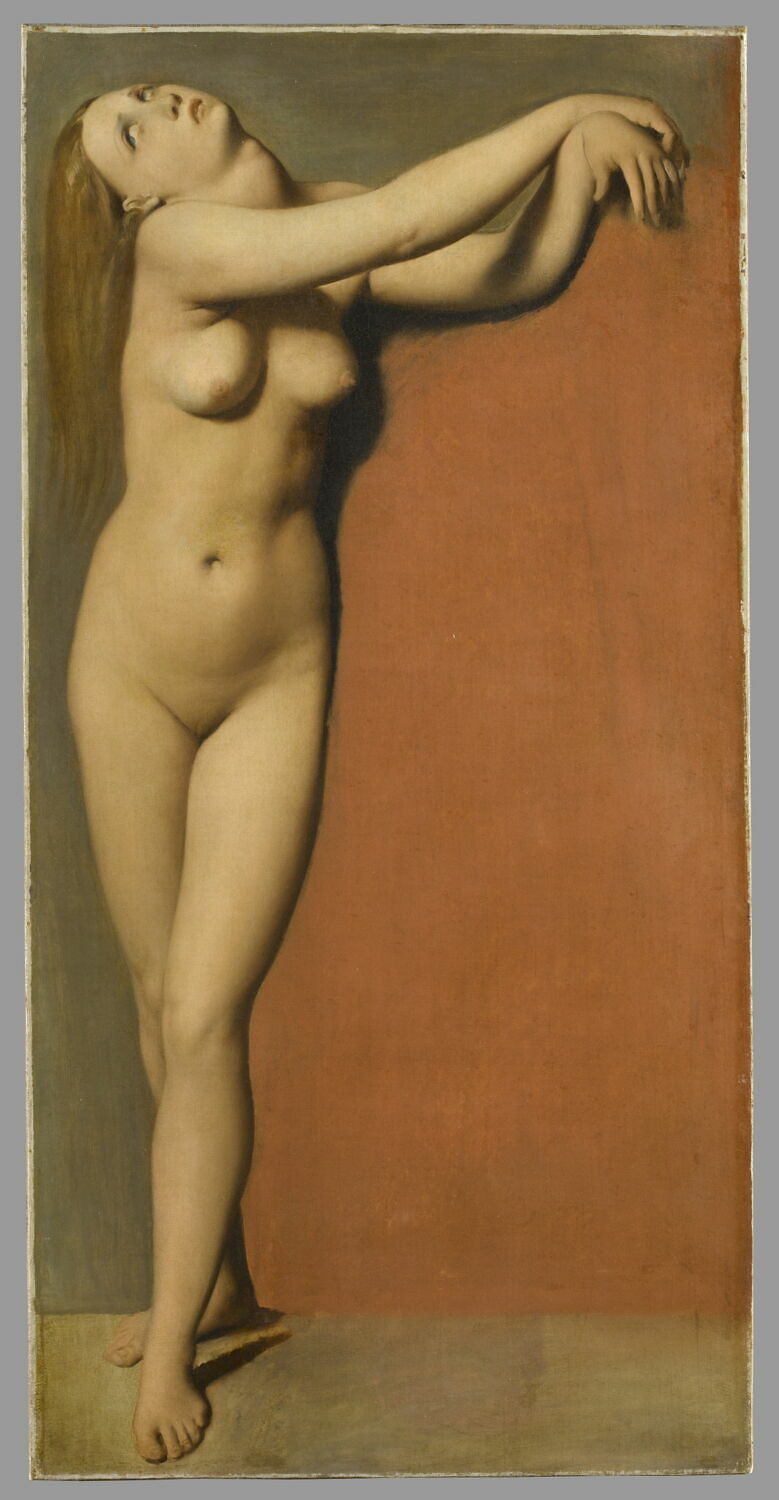
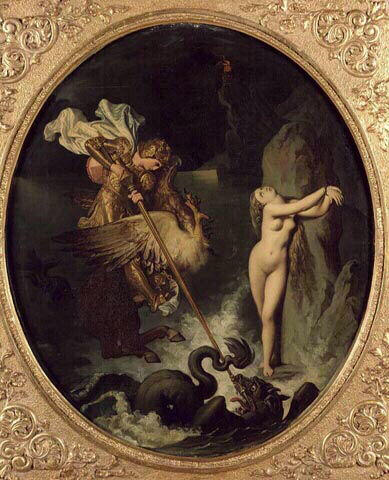
In 1819 Ingres sent the Grande Odalisque, Philip V and the Marshal of Berwick and Roger Freeing Angelica to the Salon, but critics again condemned his work as gothic and unnatural. The critic Kératry complained that the Odalisque's back was three vertebrae too long.
29 August 1820
The commission for “The Vow of Louis XIII” for Montauban Cathedral
The French Ministry of the Interior commissioned Ingres to paint an altarpiece for the cathedral of his native Montauban on the theme of the Vow of Louis XIII. The commission, which took four years, changed his life and brought him back to the canons of Neoclassicism.