 William EttyStorbritannien, 1787–1849
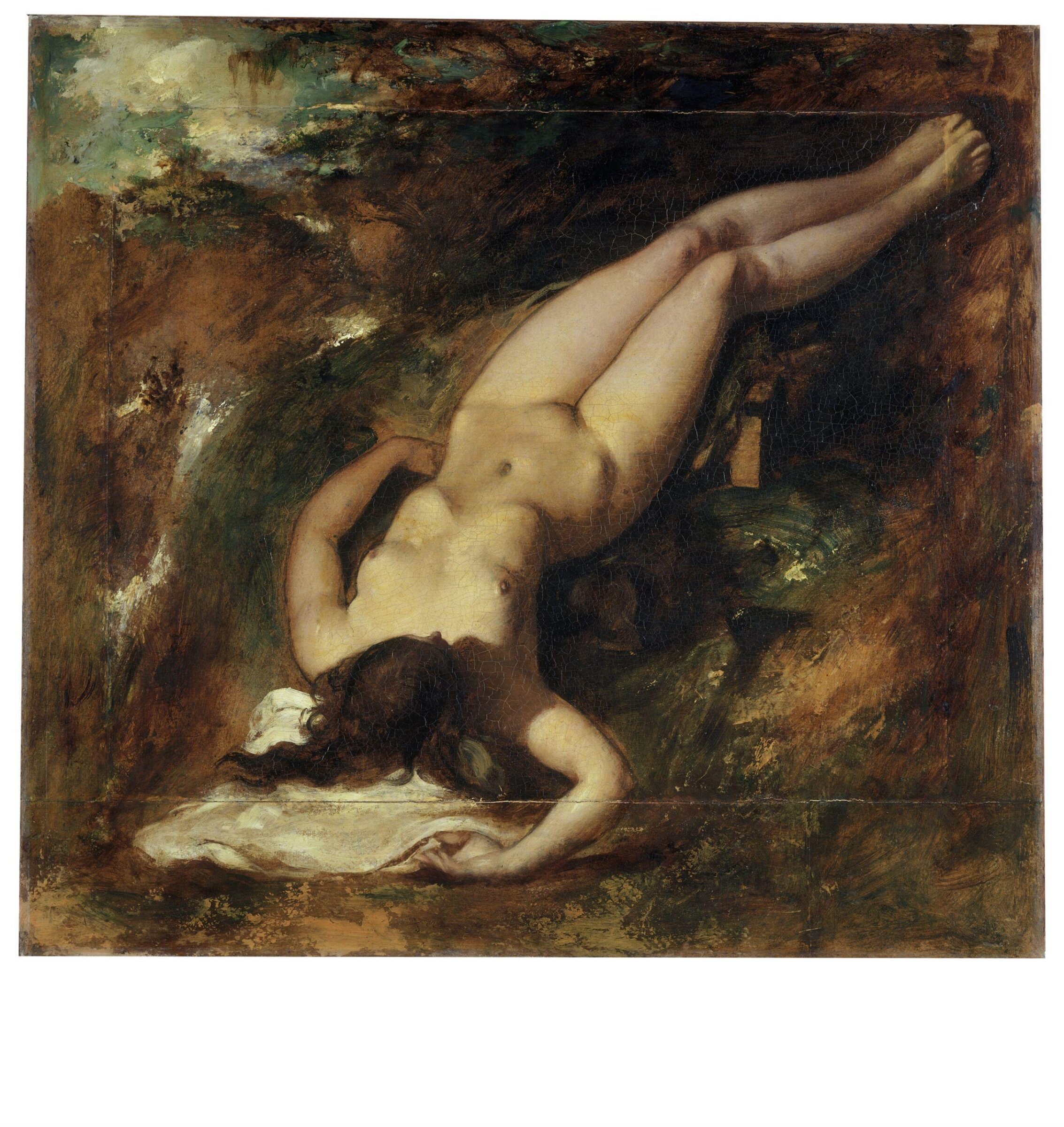
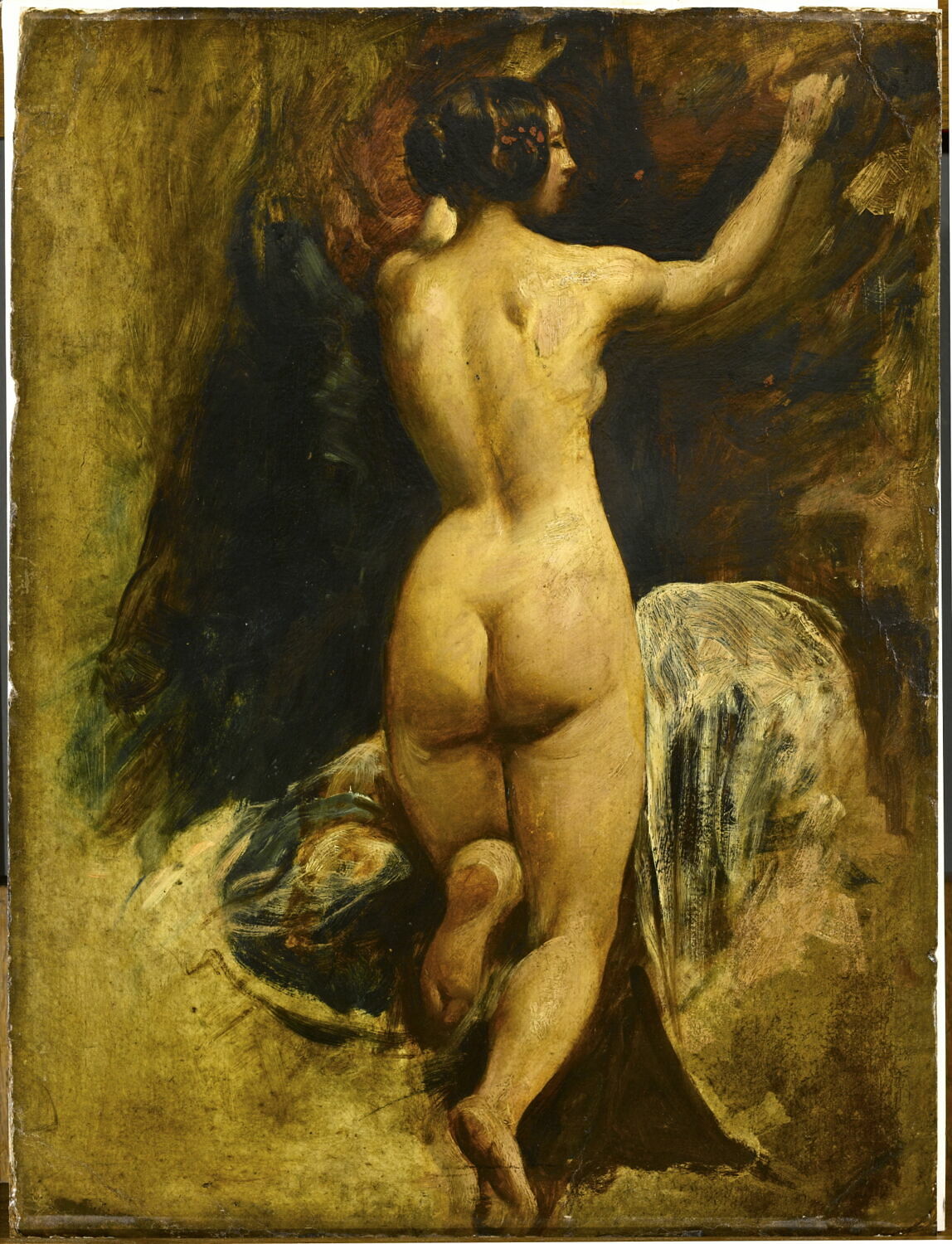
Femme nue vue de dos
Kan det ses?
Ikke udstillet lige nu
Hvor er »Femme nue vue de dos« i dag? Samling: Louvre, Paris. Ikke udstillet lige nu. Kontrolleret 26. september 2026.

Paris, Frankrig
Det hører til samlingen, men er ikke udstillet for tiden.
- Kontrolleret
- Uændret siden
- Kilde
- Museet
Oplysninger
- Inventarnummer
- RF 1989 18
I kataloget
Kilder
- Louvre
- Billede: Louvre — © 2008 GrandPalaisRmn (musée du Louvre) / René-Gabriel Ojéda
Imens i livet hos William Etty
Hele livet1830s
Turns to portraiture and still life
In the 1830s Etty began to branch out into the more lucrative but less respected field of portraiture, and later became the first English painter to paint significant still lifes. He continued to paint both male and female nudes, which drew severe criticism and condemnation from parts of the press.
1835
Betsy signs a pledge never to leave him
Fearing that Betsy would marry and leave his service, Etty went so far in 1835 as to have her sign an affidavit that she would never leave him.
1838
At the opening of Pugin’s chapel at Oscott
Etty was one of the few non-Catholics to attend the opening of Augustus Pugin’s chapel for St Mary’s College, Oscott, then England’s most important Catholic building. He never formally left his Methodist faith but was deeply attached to the Catholic Church.
1840 and 1841
Pilgrimage to the Netherlands
In 1840 and again in 1841 Etty made a pilgrimage to the Netherlands to study the paintings of the Dutch masters, including Rubens, in the country’s churches and public galleries.
1840s
The prolific and profitable 1840s
Etty was prolific and commercially successful throughout the 1840s, but the quality of his work deteriorated over this period.