 Jean-Baptiste CarpeauxFrankrig, 1827–1875
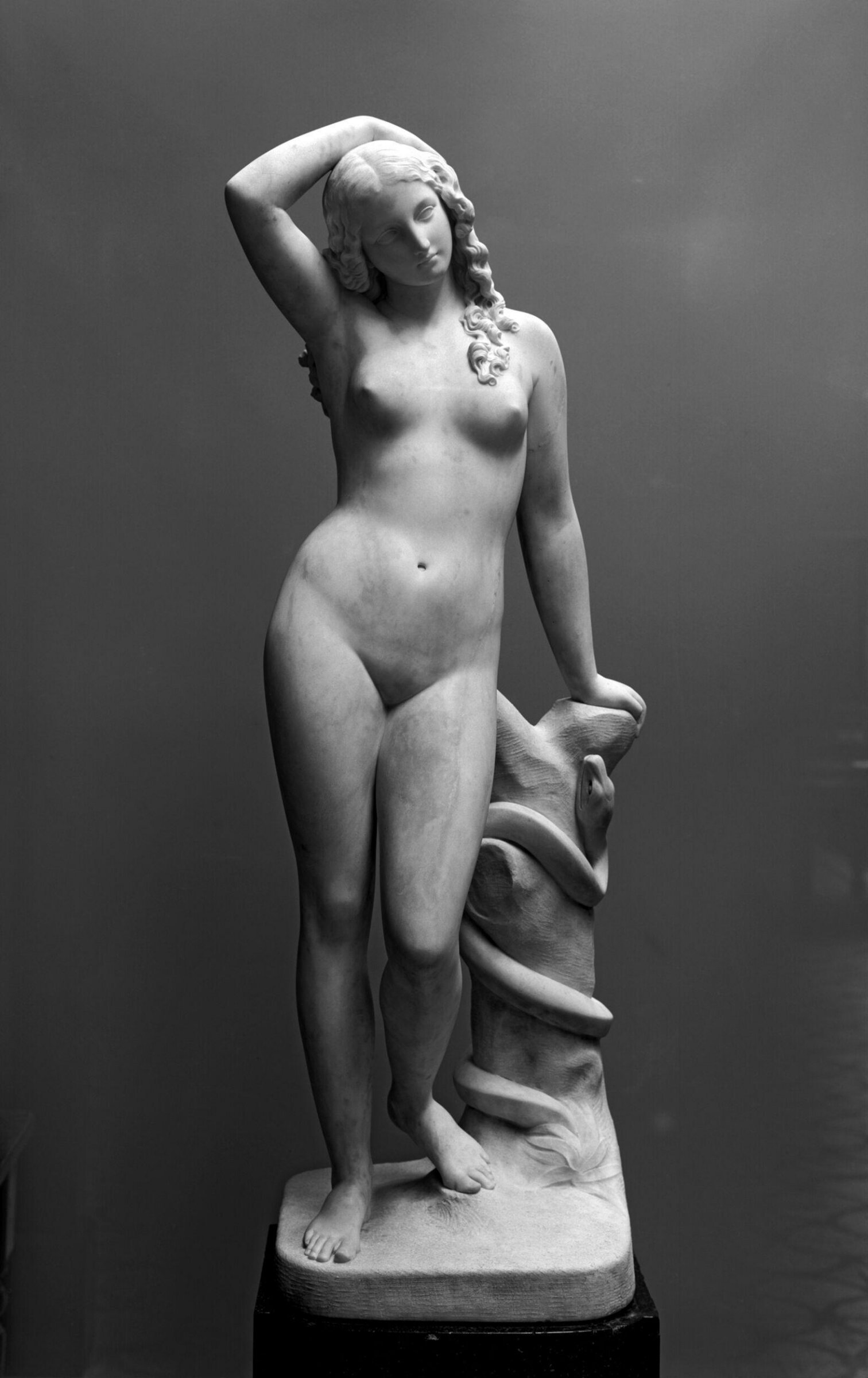
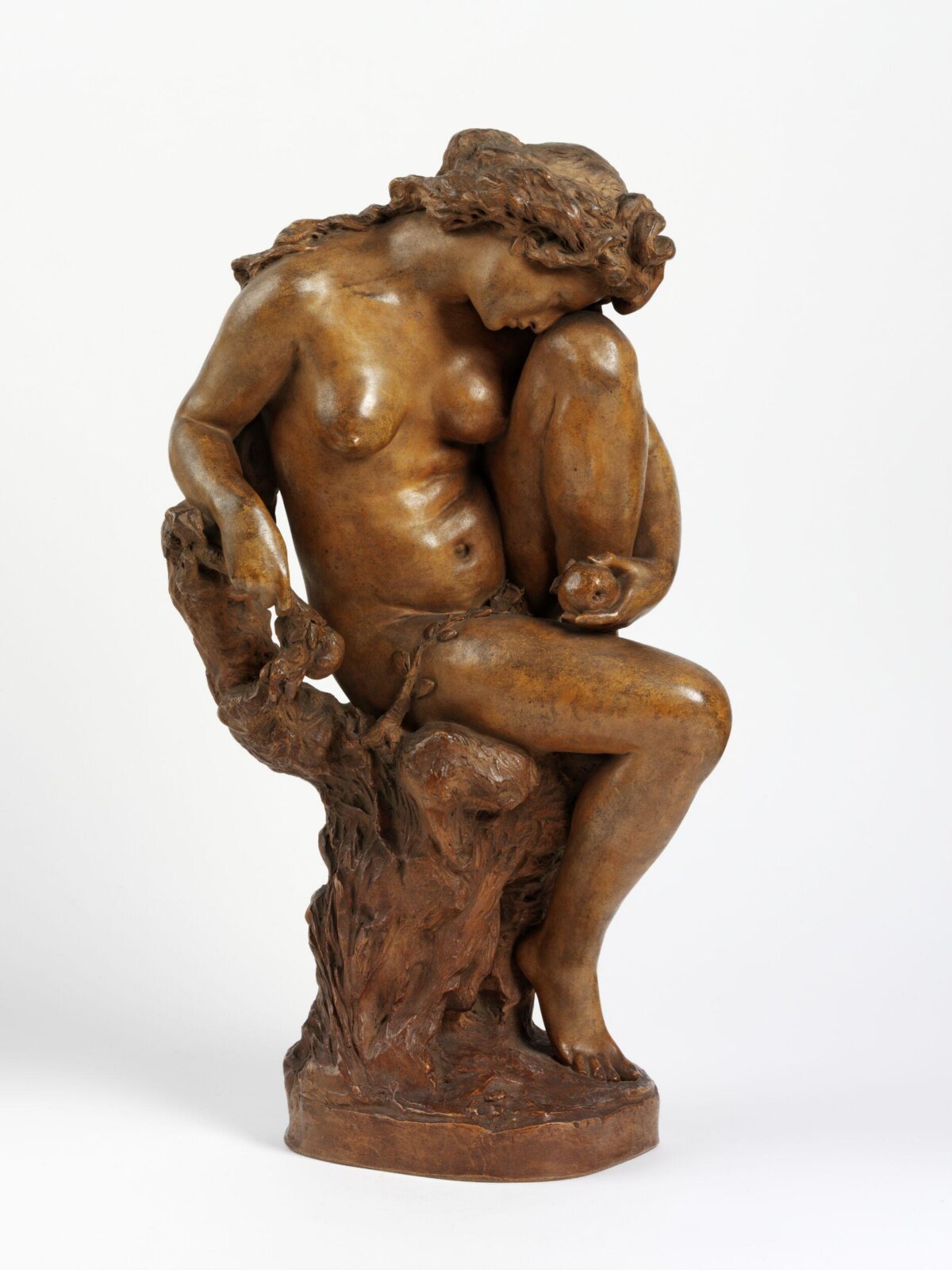
Eve after the Fall
Kan det ses?
Ja, udstillet nu
Hvor er »Eve after the Fall« i dag? Victoria and Albert Museum, Sculpture, Room 21, The Dorothy and Michael Hintze Galleries, London. Ja, udstillet nu. Kontrolleret 12. oktober 2026.

London, Storbritannien
SalSculpture, Room 21, The Dorothy and Michael Hintze Galleries
Lukket· åbner i morgen kl. 10.00
Udstillet for publikum.
- Kontrolleret
- Uændret siden
- Kilde
- Museet
Om skulpturen
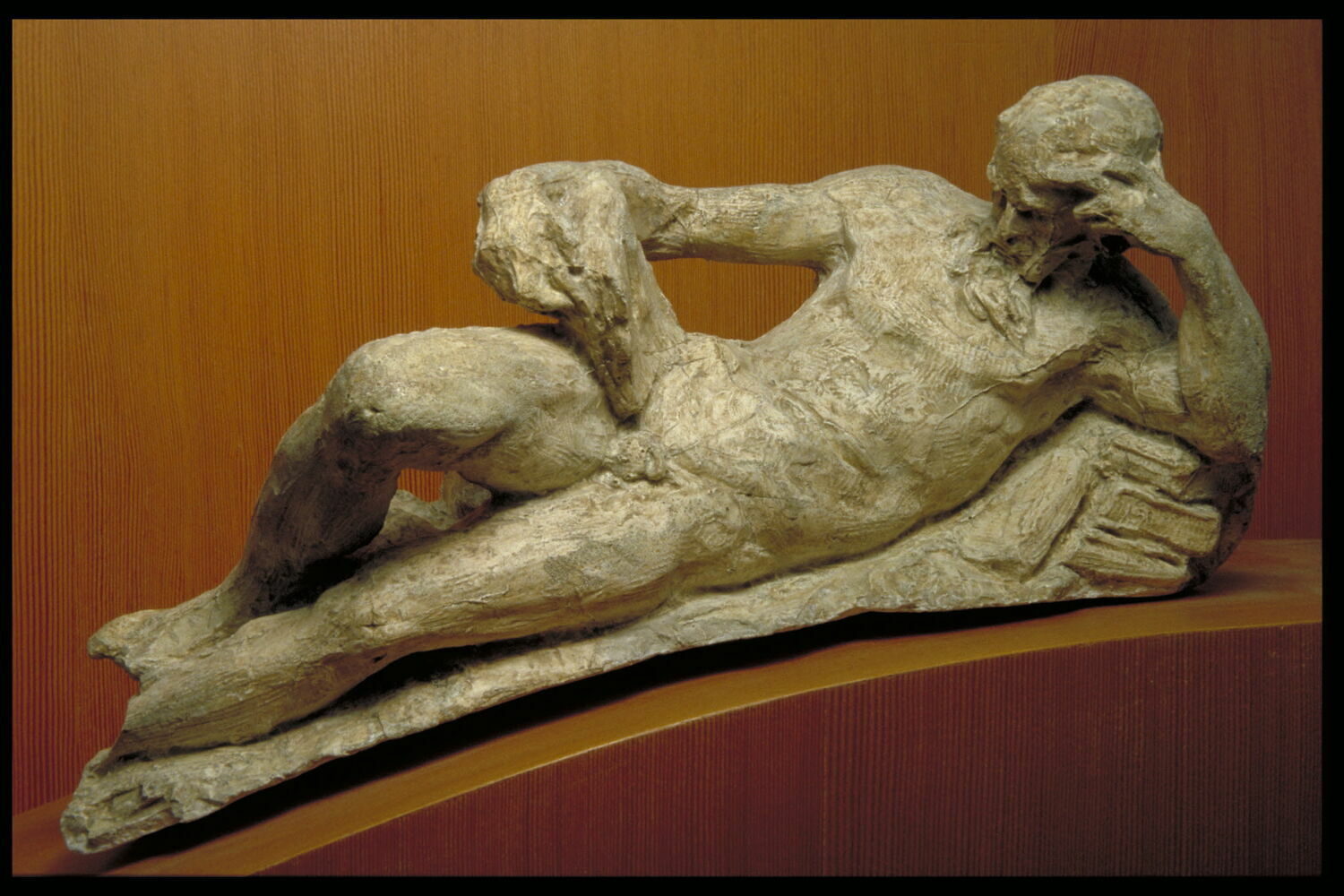
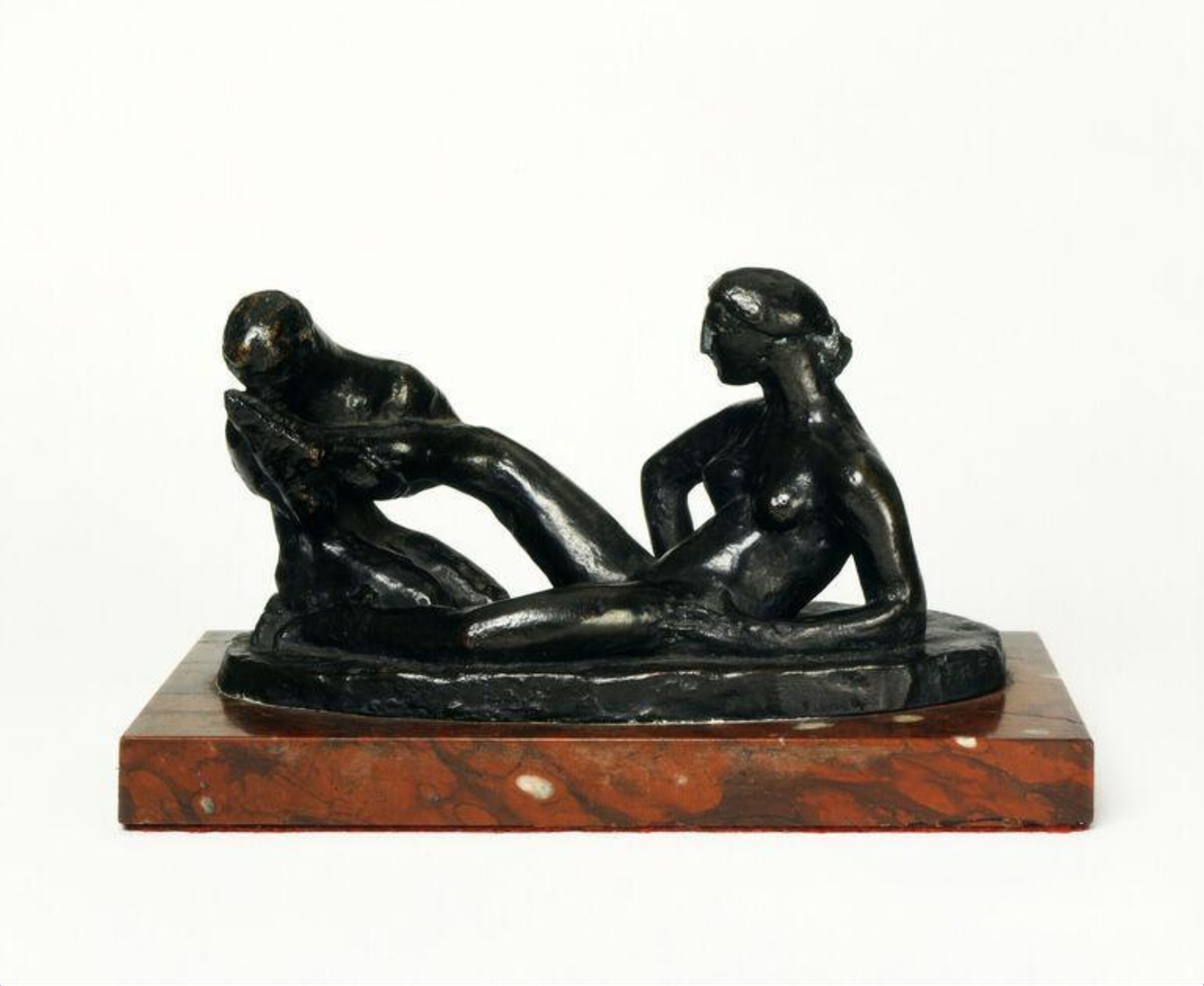
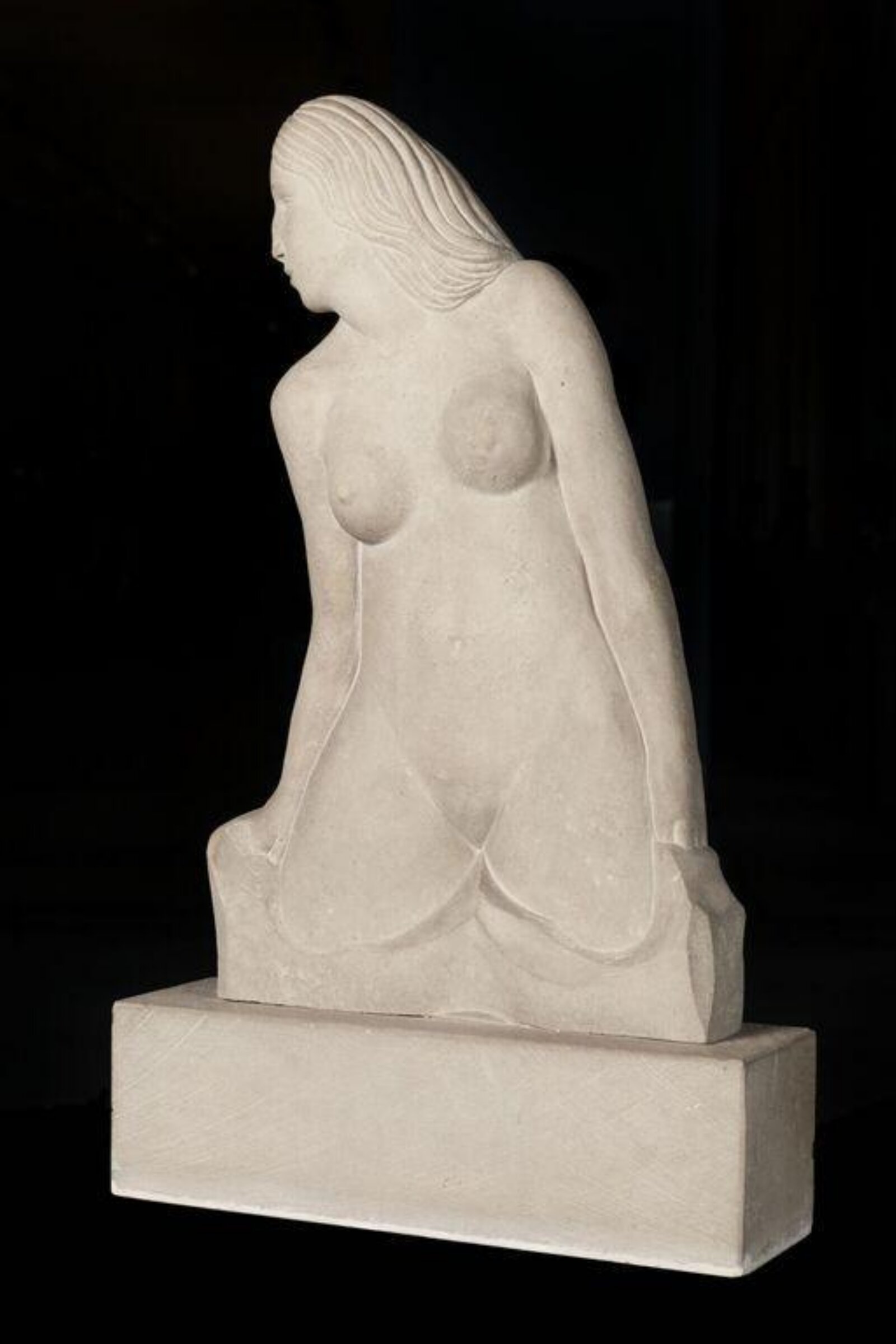
This cast terracotta statuette of ‘Eve after the Fall’ was made by the French sculptor Jean-Baptiste Carpeaux in London in 1871.
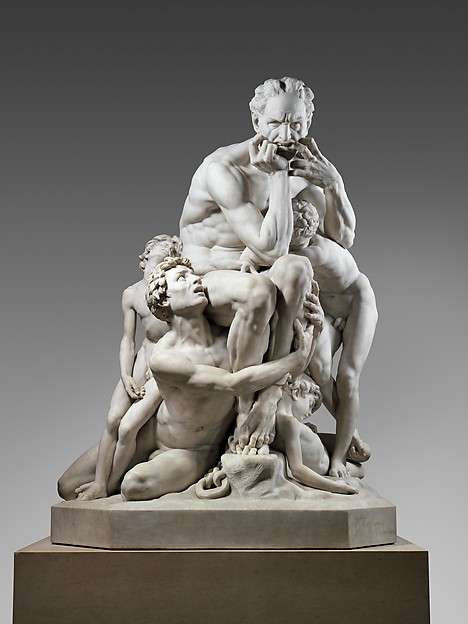
Dividing the critics in his lifetime with works provoking in turn scandal or rapture, Carpeaux (1827–75) was one of the most influential sculptors of the nineteenth century. Born in Valenciennes, in 1838 his family settled in Paris, where he studied at the Petite Ecole and the Ecole des Beaux-Arts (1844-54). Obtaining the Grand Prix de Rome in 1854, he spent a fruitful period in Italy (1856-61) during which he produced his masterpiece, ‘Ugolino’. He returned to France to establish himself as the leading sculptor of the Second Empire, becoming the imperial family’s favourite (if not official) sculptor. At his untimely death at the age of 48, he became enshrined as the heir to Michelangelo, sitting between the masters of the eighteenth century and Rodin.
Læs videre
The fall of Napoleon III in Summer 1870 put Carpeaux’s career in peril. The following year, during the rule of the short-term radical government of the Paris Commune, he came to London (residing at 34 Brompton Square from May to December that year), in search for new patrons. Alongside portraits busts commissioned by wealthy collectors, Carpeaux made statuettes - generally female nudes - specifically for reproduction, thus making some of his work more accessible to a wider range of buyers.
While this cast terracotta was produced in London in 1871, versions in various materials were issued subsequently by his casting workshop, established in Paris 1873 at his studio on 71, Rue Boileau, Auteuil. The production of cast terracotta sculpture increased during the 18th century and by the time this object was produced it had reached an industrial scale.
The marketing of the female form in such small-scale multiple sculptures involved an implicit eroticism characteristic of much French sculpture of this period. These erotic qualities were apparently acceptable in works produced for private or gallery contexts but provoked controversy when presented in large-scale public sculpture, such as Carpeaux’s famous group for the Paris Opera, ‘La Dance’.
Carpeaux would prove to be a prodigiously influential artist, not the least through his teaching at the Petite Ecole, where he was notably the master of Jules Dalou and Auguste Rodin. He made also his mark on British sculpture. Writing in 1901 about the development of the so-called New Sculpture in Britain from the mid-1870s onwards, the art critic Marion H. Spielmann, said ‘to Carpeaux, no doubt, the inspiration of the new trend was originally due’.
Victoria and Albert Museum
Oplysninger
- Inventarnummer
- A.18-1984
Hvad det viser
I kataloget
Kilder
- Victoria and Albert Museum
- Billede: Victoria and Albert Museum — © Victoria and Albert Museum, London
Imens i livet hos Jean-Baptiste Carpeaux
Hele livet4. november 1872
Daughter born: Louise Clément-Carpeaux
1874
Jealousy leads to divorce
Carpeaux’s unhealthy jealousy of his wife leads to their divorce in 1874.
21. februar 1874
Son born: Louis Carpeaux
12. oktober 1875
Died
29. november 1875 · Begravelse
Valenciennes (St Roch) Communal Cemetery