 Grosz, GeorgeTyskland, 1893–1959
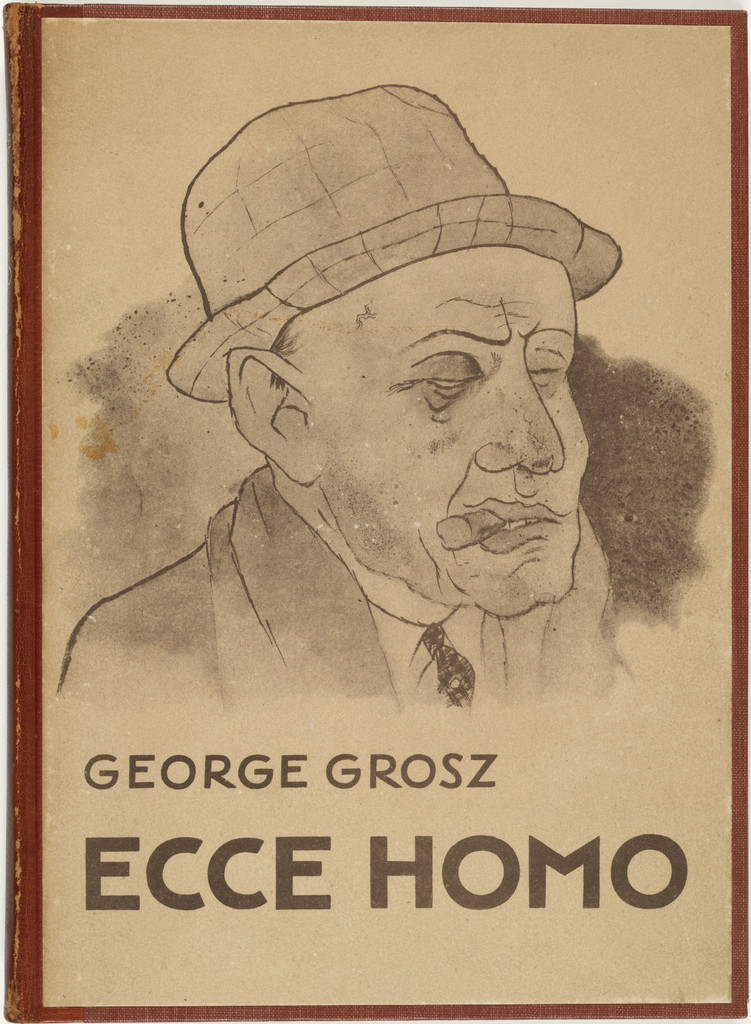
Ecce Homo
Må man se det?
Tager ikke imod for tiden

New York City, USA
Det hører til samlingen, men er ikke udstillet for tiden.
- Kontrolleret
- Kilde
- Museet
Oplysninger
- Inventarnummer
- 854.1964.1-100
I kataloget
Kilder
- Museum of Modern Art
- Billede: Museum of Modern Art — © the artist or rights holder
Imens i livet hos Grosz, George
Hele livet1915–1917 · Bopæl
Steglitz
1916
A new name: Georg Groß becomes George Grosz
To 'de-Germanise' and internationalise his name, Grosz changes its spelling: Georg becomes the English 'George' and the German 'ß' in his surname is replaced by 'sz'. It is a protest against German nationalism and a romantic enthusiasm for America, drawn from the books of James Fenimore Cooper, Bret Harte and Karl May; his friend and collaborator Helmut Herzfeld likewise becomes John Heartfield at the same time.
1918
A founder of Berlin Dada
Grosz settles in Berlin and becomes one of the founders of Berlin Dada, using his satirical drawings to attack the bourgeois supporters of the Weimar Republic.
1918–1921 · Bopæl
Wilmersdorf
1920
The First International Dada Fair
Grosz helps organise the First International Dada Fair and exhibits his work there.
1922
A journey to Russia with Martin Andersen Nexø
On arrival in Murmansk, Grosz and the Danish writer Martin Andersen Nexø are briefly arrested as spies; after their credentials are approved they are allowed to continue their journey.


![The End of the Road (Out of Fear of Starvation) [Das Ende des Weges (Aus Nahrungssorgen)], George Grosz, 1913](https://www.moma.org/media/W1siZiIsIjEyMTkwNyJdLFsicCIsImNvbnZlcnQiLCItcmVzaXplIDEwMjR4MTAyNFx1MDAzZSJdXQ.jpg?sha=864379f3ce59af36)