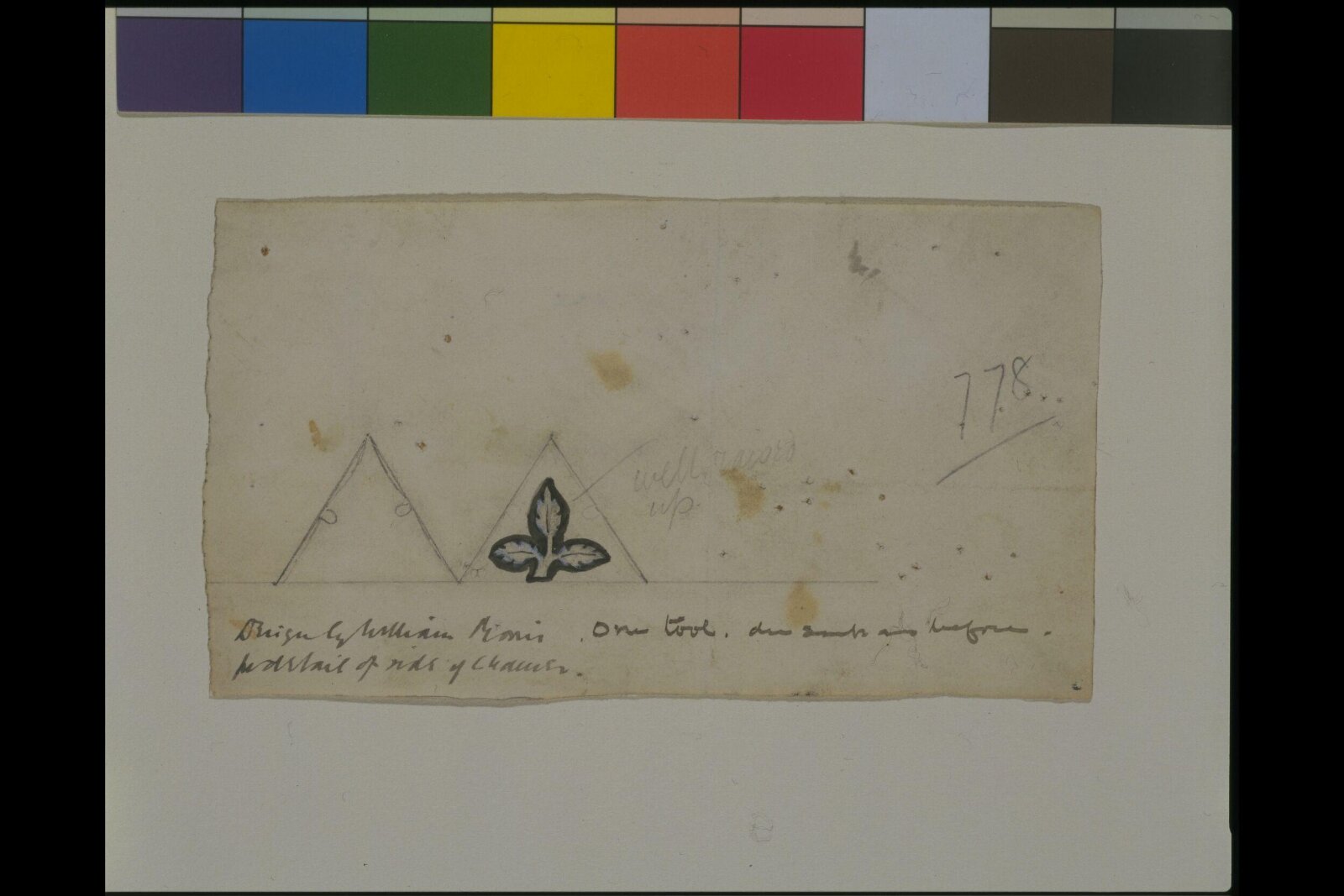
 William MorrisStorbritannien, 1834–1896
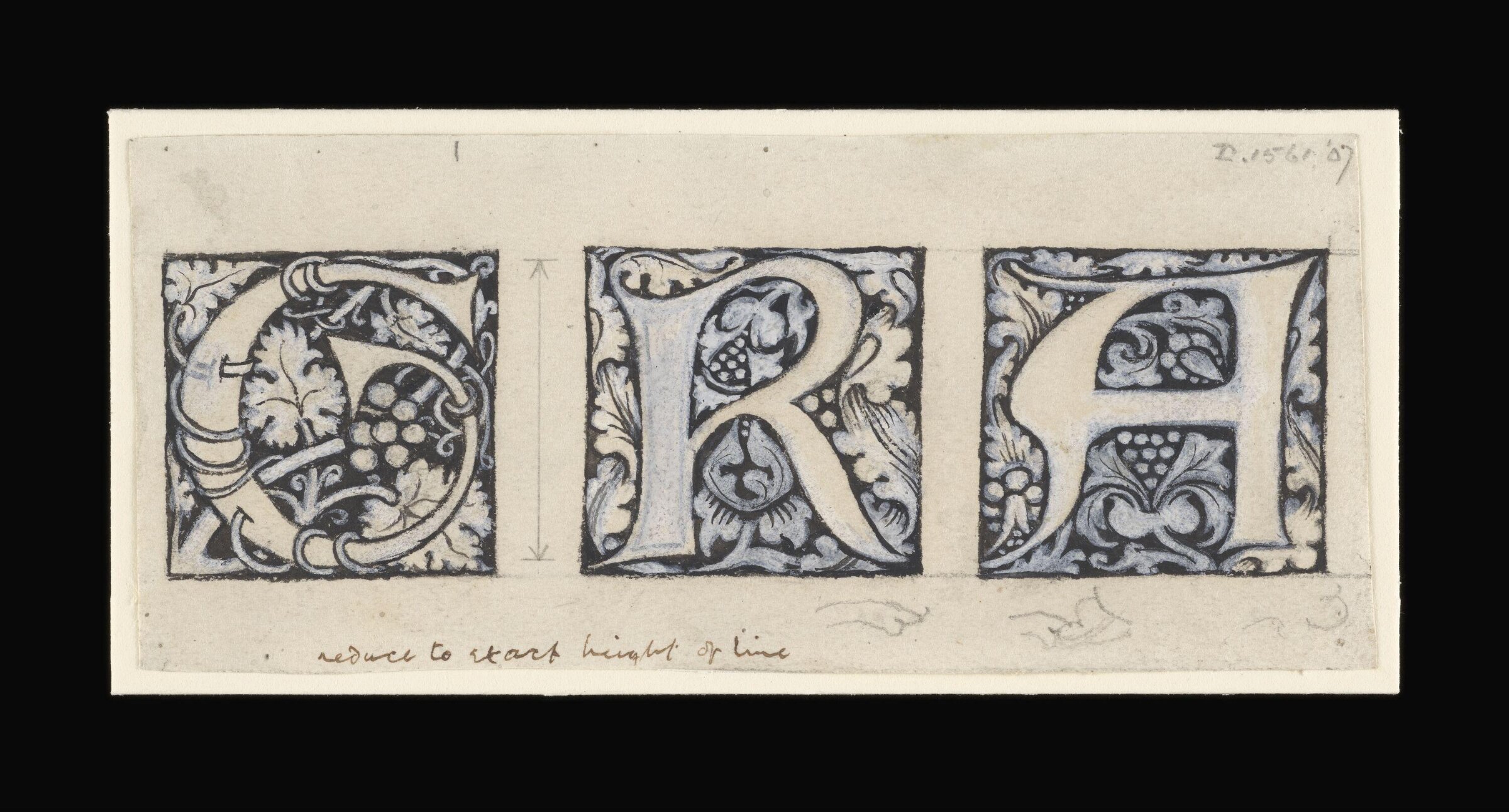
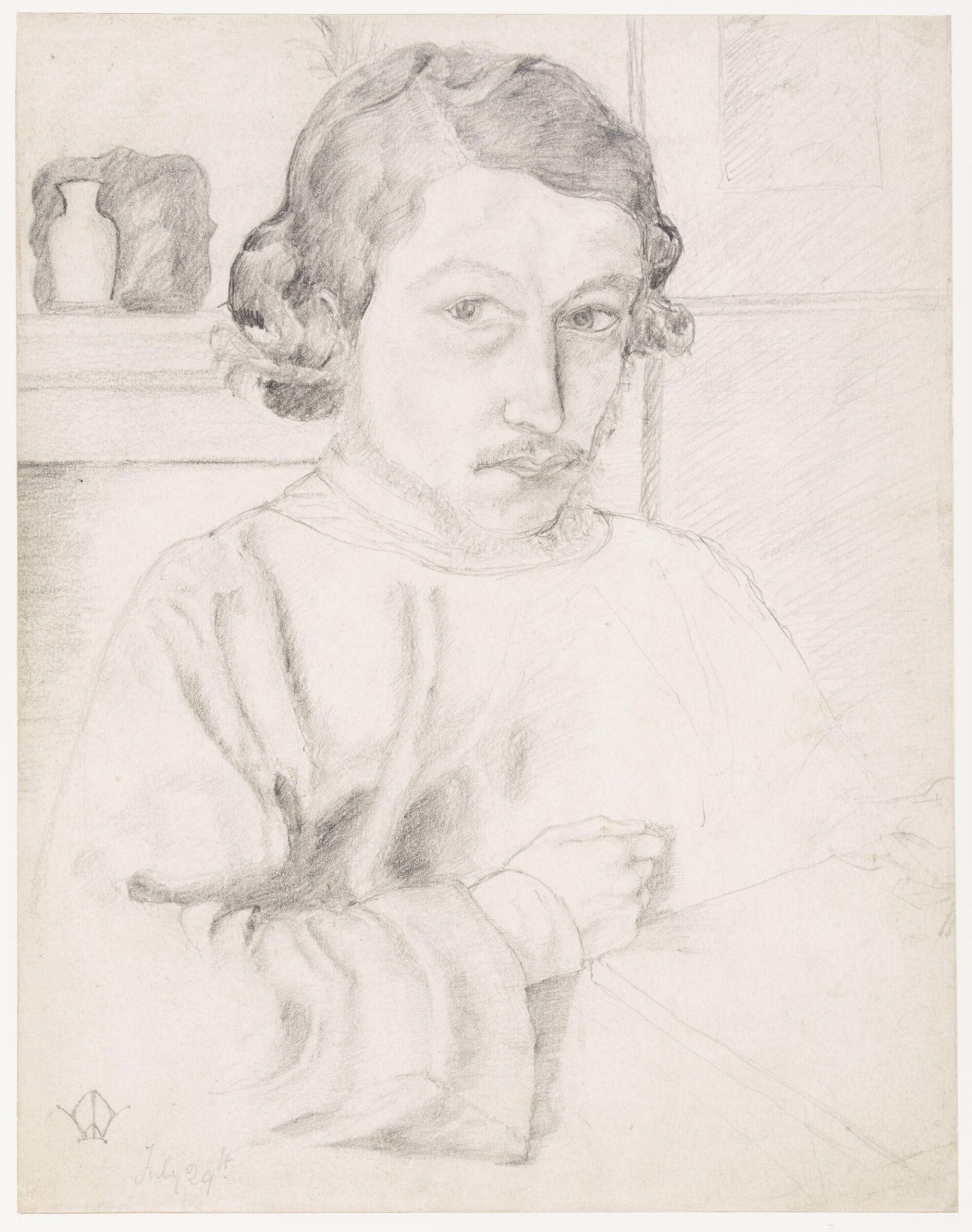
Drawing
Kan det ses?
Ikke udstillet lige nu
Hvor er »Drawing« i dag? Samling: Victoria and Albert Museum, London. Ikke udstillet lige nu. Kontrolleret 25. september 2026.

London, Storbritannien
Det hører til samlingen, men er ikke udstillet for tiden.
- Kontrolleret
- Uændret siden
- Kilde
- Museet
Oplysninger
- Inventarnummer
- E.195-1955
I kataloget
Kilder
- Victoria and Albert Museum
- Billede: Victoria and Albert Museum — © Victoria and Albert Museum, London
Imens i livet hos William Morris
Hele livetsummer 1881
The workshops at Merton Abbey
In summer 1881 he leased a seven-acre former silk-weaving factory on the River Wandle at Merton and moved his workshops there for weaving, dyeing and stained glass: within three years 100 craftsmen were employed, with conditions better than in most Victorian factories, though the division between employer and employed remained, which fell short of his egalitarian ideals.
January 1883
He joins the Democratic Federation
In January 1883 he joined Henry Hyndman’s Democratic Federation, Britain’s first socialist party; he read voraciously — Henry George, Wallace, Marx’s “Das Kapital” (admitting that Marx’s economic analysis gave him “agonies of confusion on the brain”) — and in May was appointed to its executive committee and soon elected treasurer.
December 1884 – January 1885
He leaves the SDF and founds the Socialist League
In late 1884, over disagreements with Hyndman about the parliamentary road to socialism and about imperialism, Morris, with Ernest Belfort Bax and Edward Aveling, left the Social Democratic Federation — the first major schism of the British socialist movement — and founded the Socialist League, whose manifesto he wrote with Bax; Eleanor Marx was also among its founders.
1885–1891
Editor of “Commonweal”, the League’s paper
From February 1885 he edited the Socialist League’s weekly “Commonweal” for six years, with contributions from Engels, Shaw, Paul Lafargue, Wilhelm Liebknecht and Karl Kautsky; he wrote articles and poems for it and kept it financially afloat; in 1891, when the League’s influence passed to the anarchists, he withdrew from active involvement.
January 1890 – March 1891
“News from Nowhere”: a socialist’s utopia
From January to October 1890 he serialised in “Commonweal” his utopian novel “News from Nowhere”, an answer to Bellamy’s “Looking Backward” that pictured a future of harmony between people and their environment in which work is a joy; the paper’s circulation rose markedly, the novel appeared as a book in March 1891, and by 1900 it had been translated into five languages and become a classic of Europe’s socialists.
1891
He founds the Kelmscott Press
In 1891 he founded the Kelmscott Press to revive medieval traditions of bookmaking: small print runs and hand work from papermaking to printing (vellum for some books); he laid out every book himself, drew initials and miniatures and designed typefaces, and Burne-Jones and Walter Crane collaborated with him.