 Kazimir MalevichRusland, 1879–1935
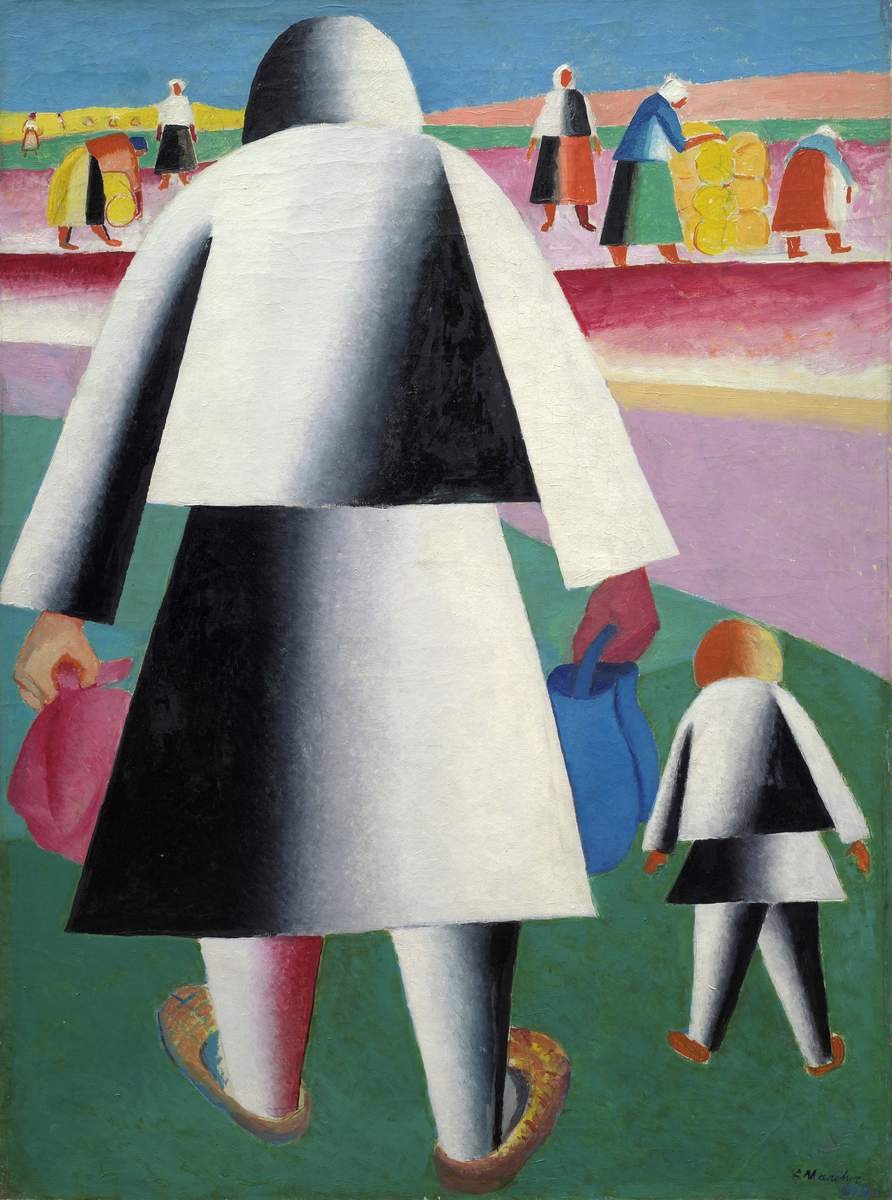
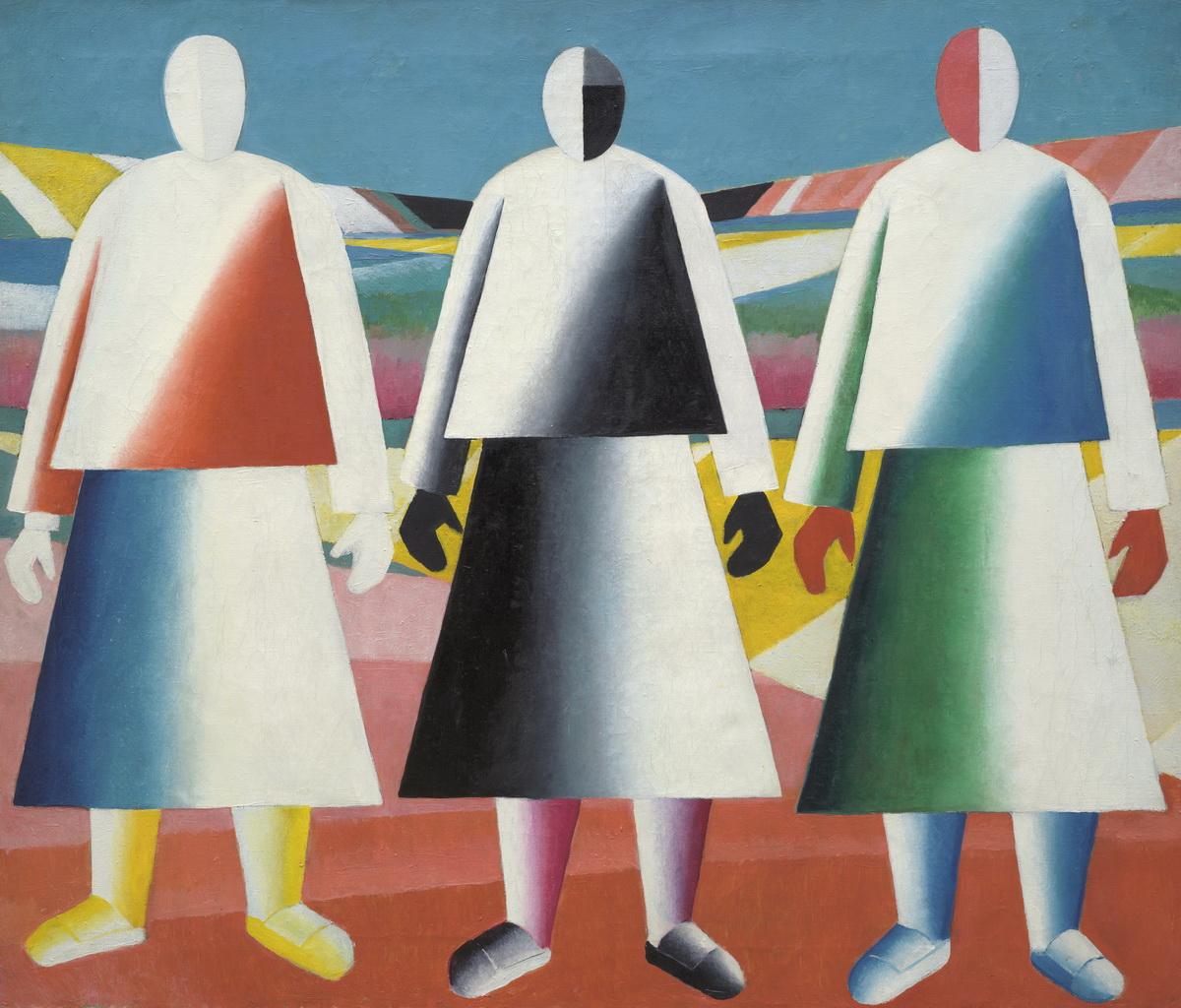
Девушки в поле
Kan det ses?
Ja, udstillet nu
Hvor er »Девушки в поле« i dag? Det Russiske Museum, Korpus Benua, Zal 76. K. S. Malevich, M. V. Matyushin, V. Ye. Tatlin, Sankt Petersborg. Ja, udstillet nu. Kontrolleret 28. september 2026.

Sankt Petersborg, Rusland
SalKorpus Benua, Zal 76. K. S. Malevich, M. V. Matyushin, V. Ye. Tatlin
Lukket· åbner i morgen kl. 10.00
Udstillet for publikum.
- Kontrolleret
- Uændret siden
- Kilde
- Museet
Om maleriet
Med museets ord — på russisk
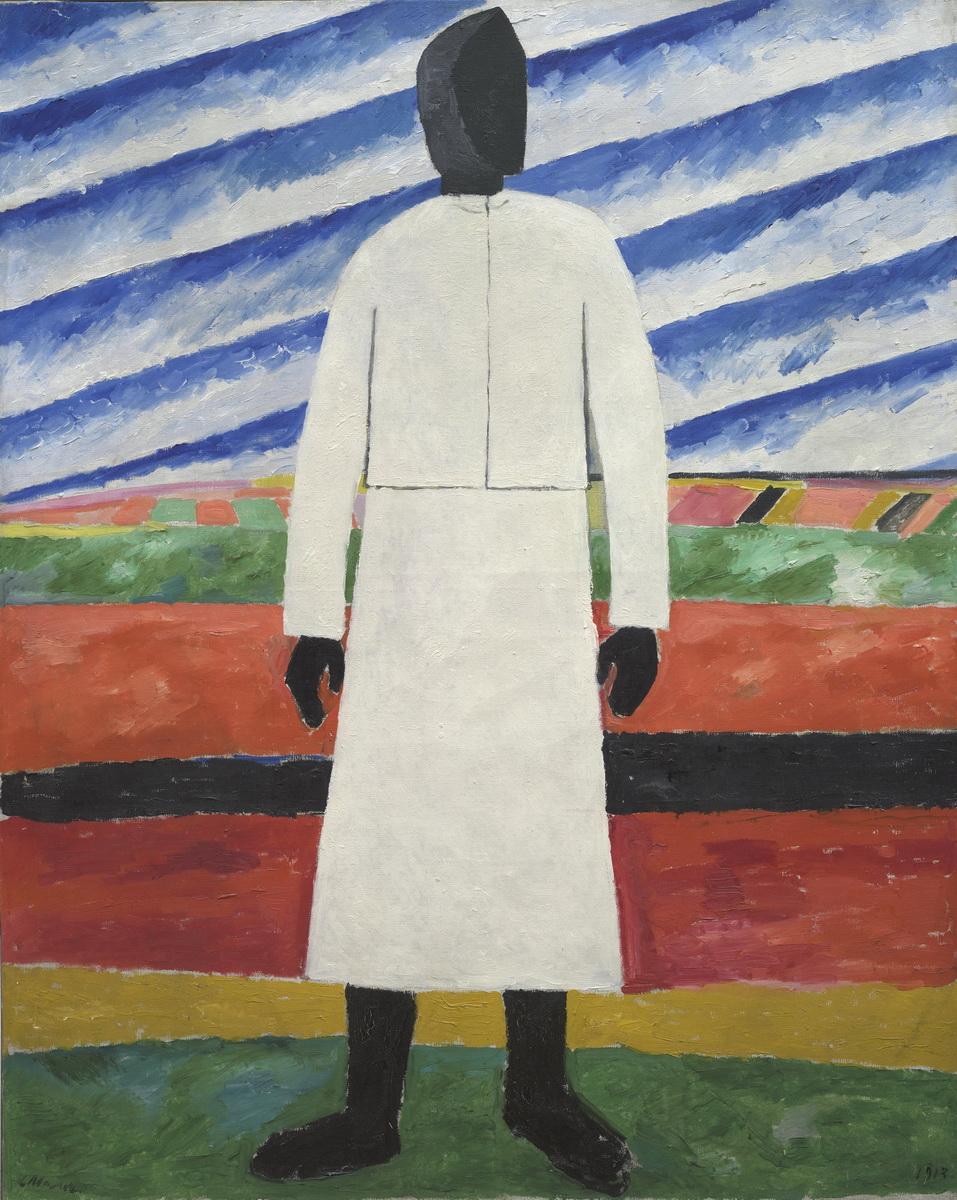
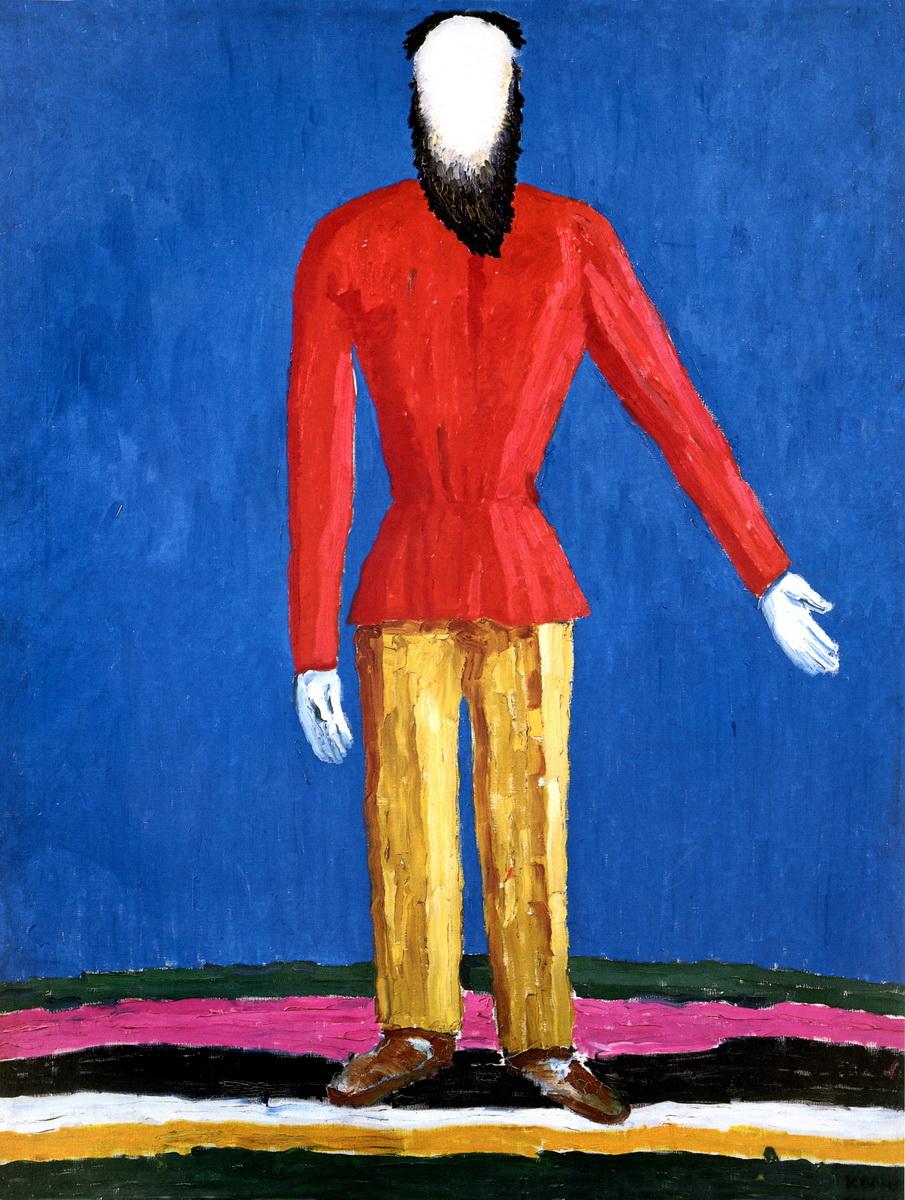
«Девушки в поле» относятся к последнему десятилетию жизни и творчества Малевича и входят в так называемый второй крестьянский цикл. В это время художник нередко возвращается к прежним мотивам, в какой-то мере реконструируя стилистику своих работ, созданных в начале 1910-х. Тема крестьянского труда, деревни, изобразительный фольклор всегда вдохновляли Малевича. Внешне неумелая выразительность пластики народных картинок, яркая насыщенность взятых из природы красок, затейливая метафоричность изобразительного языка, за которыми стояли складывавшиеся веками традиции, — все это давно и глубоко определяло художественное сознание Малевича. Русский музей. От иконы до современности. СПб. 2015. С. 336.
Læs videre
На подрамнике картины, исполненной Малевичем в 1928–29-х годах, помещена весьма красноречивая авторская надпись: «Девушки в поле» 1912 г. № 26 «Супранатурализм». Художник изобрел новый термин. Объединив два понятия, «супрематизм» и «натурализм» он определил тем самым своеобразие пластического языка своих работ, построенных на слиянии геометрического, абстрактного и фигуративного начала. Дата же, «1912 год», откидывала возникновение «супранатурализма» в прошлое, делала его истоком, предтечей супрематизма.
В картине «Девушки в поле» сохраняется геометрическая основа в построении фигур, выработанная К. С. Малевичем в начале 1910-х гг. И в целом полотно «Девушки в поле» перекликается с ранними работами Малевича. Это не удивительно: в 1920-е гг. художник нередко обращался к повторению разных мотивов, вероятно, вследствие того, что выставка в Берлине в 1927 г., охватывающая в основном ранний период творчества Малевича, по ряду причин осталась за рубежом.
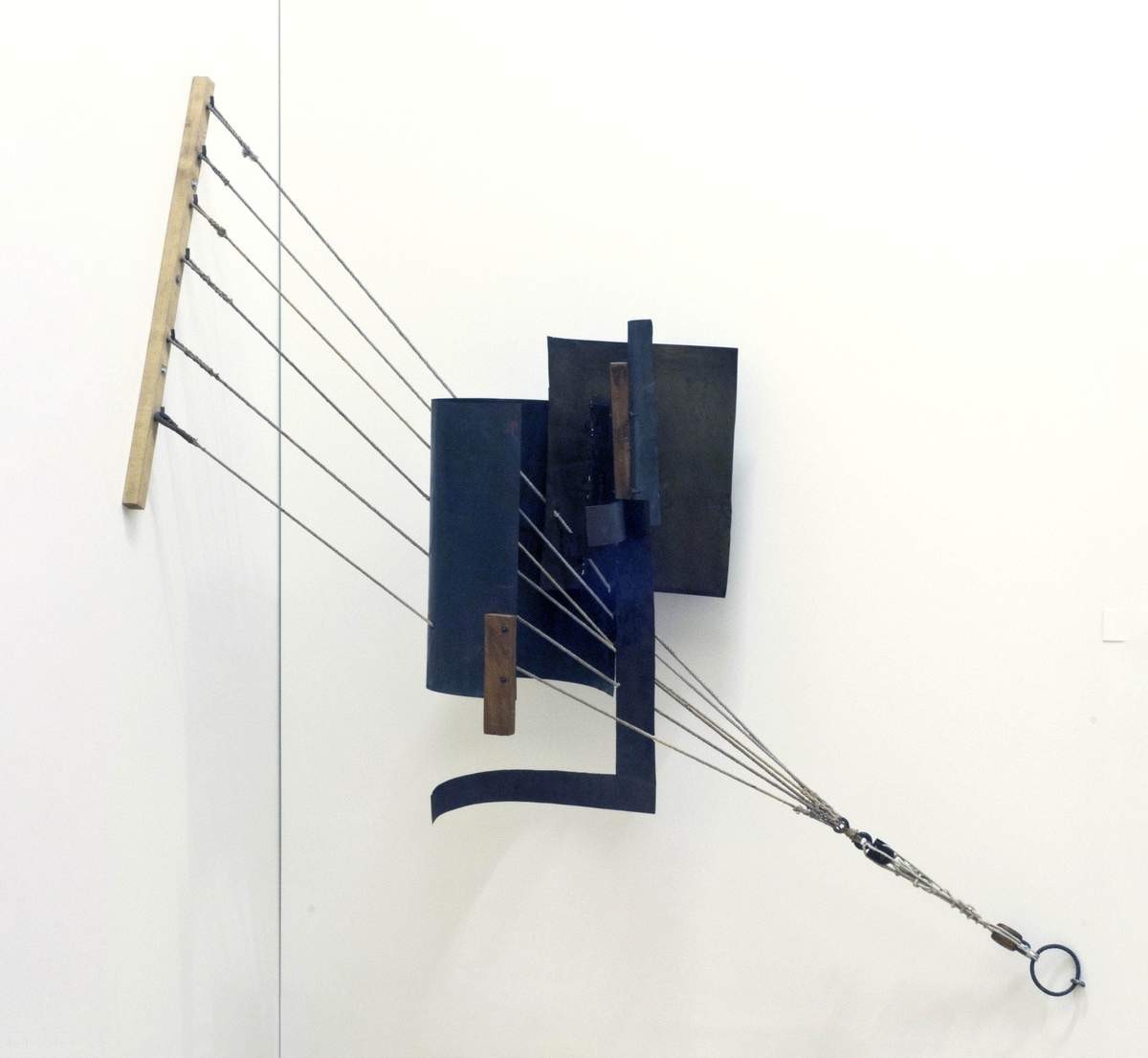
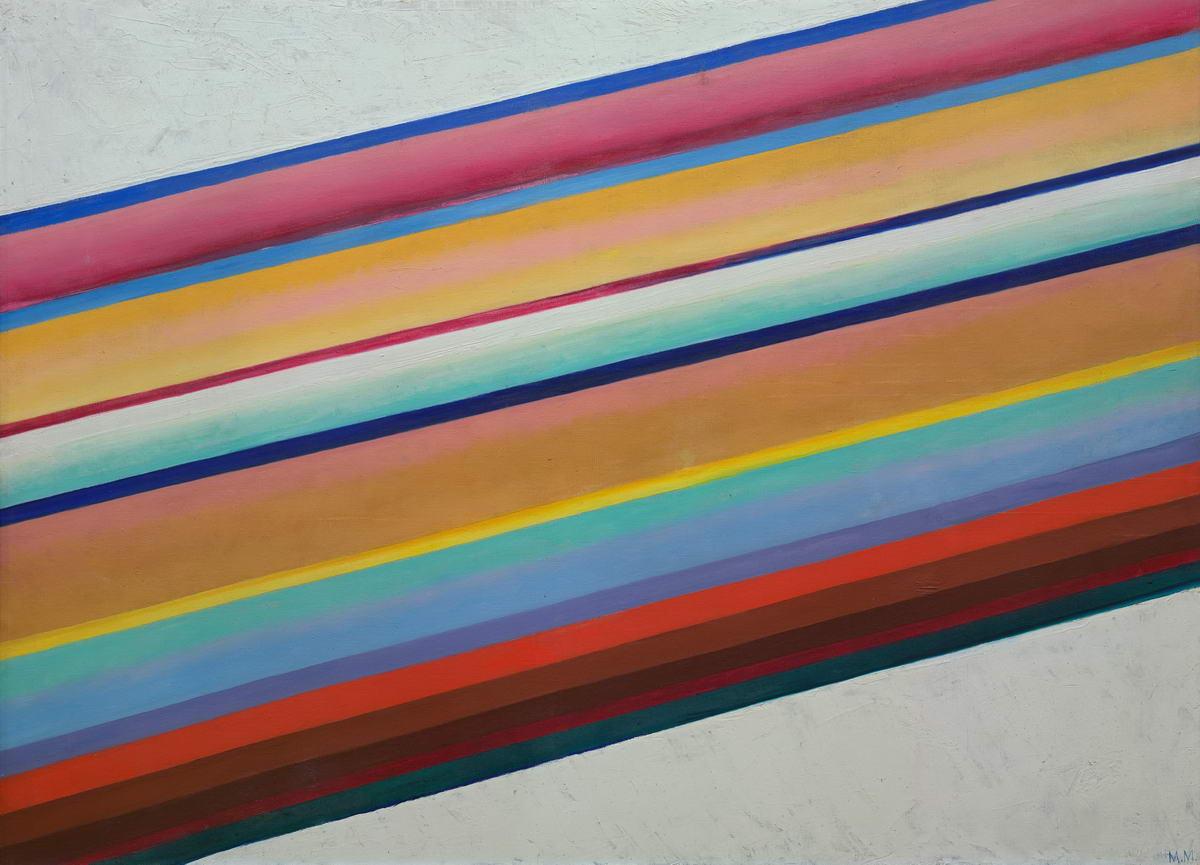
Стиль произведений, подобных «Девушкам в поле», выработан в процессе переосмысления кубизма под влиянием национальных традиций — иконы, лубка и фрески. Образное решение картины построено на цветовой и композиционной ритмике, в данном случае подчиненной законам симметрии. Художник акцентирует на этом внимание, рисуя расходящиеся от центра, окрашенные в разные цвета «лучи». Возникновение пестрого фона в композициях Малевича с фигурами, по мнению некоторых исследователей, объясняется влиянием картины М. В. Матюшина «Движение в пространстве». Малевич подчеркивает безликость персонажей картины, что соответствует его идее о «космическом» восприятии мира. Вместе с тем в композиции «Девушки в поле» ощущается отдаленная связь с обобщенными образами древнерусских фресок.
Det Russiske Museum
Oplysninger
- Inventarnummer
- Ж-9433
I kataloget
Kilder
- Det Russiske Museum
- Billede: Det Russiske Museum — © State Russian Museum
Imens i livet hos Kazimir Malevich
Hele livet1923–1926
Director of the Museum of Artistic Culture and GINKhUK
In 1923 Malevich was appointed acting director of the Petrograd Museum of Artistic Culture and began research and teaching there, surrounded by pupils who had followed him. In 1924 the museum was renamed, and from 1924 to 1926 he was director of the Leningrad State Institute of Artistic Culture (GINKhUK), where he headed the formal-theoretical department; he lived in the Myatlev house on St Isaac’s Square, where the institute was housed, from 1926 until his death.
10 June 1926
“A monastery on state supplies”: the closure of GINKhUK
On 10 June 1926 “Leningradskaya Pravda” published G. Seryi’s article “A Monastery on State Supplies”, which became the pretext for closing the institute: the newspaper called it a government-supported monastery rife with “counterrevolutionary sermonizing and artistic debauchery”. The collection of the institute’s papers prepared for print, with Malevich’s “Introduction to the Theory of the Additional Element in Painting”, was annulled, and in the autumn GINKhUK was liquidated; Malevich and his colleagues continued to work at the Institute of Art History until their dismissal in June 1929.
8 – 29 March 1927
Warsaw: a solo exhibition and a lecture
In March 1927 Malevich travelled abroad on an official trip: in Warsaw his solo exhibition was held at the Polish Arts Club in the Polonia Hotel. He met Polish artists, among them former pupils — Władysław Strzemiński, the sculptor Katarzyna Kobro and Henryk Stażewski; he was mostly greeted with enthusiasm, though Mieczysław Szczuka reproached him as a Romantic who loved painterly means for their own sake.
29 March – 5 June 1927
Berlin and the Bauhaus: the Great Berlin Art Exhibition
At the end of March 1927 Malevich left Warsaw for Berlin with the Polish poet and critic Tadeusz Peiper; on 7 April they visited the Bauhaus in Dessau, where he met Walter Gropius and László Moholy-Nagy. At the Great Berlin Art Exhibition (7 May – 30 September) he was given a hall — over seventy works spanning his whole oeuvre; the show has been called a defining moment in the Western reception of Malevich.
1 November 1929
A solo exhibition at the Tretyakov Gallery
On 1 November 1929 the “Exhibition of Paintings and Graphic Works by K. S. Malevich” opened at the State Tretyakov Gallery. In 1930 an abridged version of the exhibition was shown in Kiev (February–May), and the artist’s works were exhibited in Berlin and Vienna.
20 September – December 1930
Arrested by the OGPU on a charge of espionage
In the autumn of 1930 Malevich was arrested by the OGPU on a charge of espionage: he was interrogated in Leningrad and threatened with execution, and released in early December — the investigator V. A. Kishkin showed no fanaticism. Shortly before, he had lost his job: the department he headed at the Institute of Art History had been closed.