Kuzma Petrov-VodkinRusland, 1878–1939
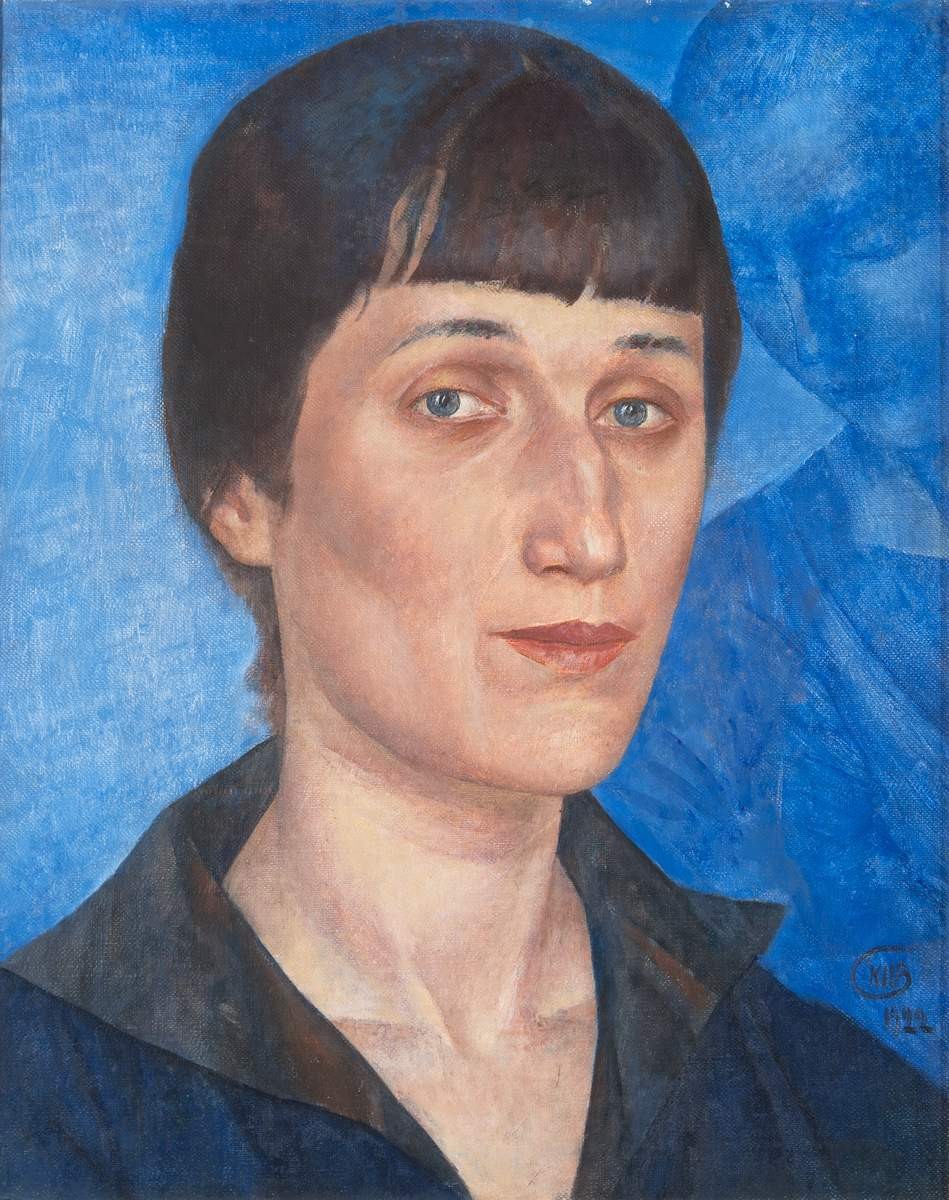
Девушка в черном платье
Kan det ses?
Ukendt
Hvor er »Девушка в черном платье« i dag? Samling: Peterhofs palads, Sankt Petersborg. Ukendt.
Sankt Petersborg, Rusland
Ejeren er kendt; om værket er udstillet i dag, vides ikke.
- Uændret siden
- Kilde
- Museet
Oplysninger
- Inventarnummer
- ПДМП 1284-ж
I kataloget
Kilder
- Ruslands statslige katalog over museumsfonden
- Billede: Peterhofs palads — © Петергоф · Госкаталог музейного фонда РФ
Imens i livet hos Kuzma Petrov-Vodkin
Hele livet1904
Graduates from the School of Painting, Sculpture and Architecture
He graduates from the Moscow School of Painting, Sculpture and Architecture, having taken part regularly in its exhibition-auctions since 1897.
October 1905 – February 1906
Journey through Italy
He visits Venice, Milan, Florence, Rome, Naples and Genoa; among his favourite masters he later named Leonardo da Vinci, Giovanni Bellini, Raphael and Giorgione. Meeting the classics shows him that the training he received in St Petersburg and Moscow is not enough.
1906
Move to Paris: the Colarossi academy
Wanting to absorb classical European painting and reach the level of its latest achievements, he decides on a longer stay abroad: he moves to Paris and begins to study at Colarossi’s private academy.
1906
Meets Margarita Jovanović
At her mother’s boarding house near Paris he meets the twenty-year-old Margarita Jovanović, half Serbian and half Belgian, soon to become his wife, Maria Fyodorovna Petrova-Vodkina (“Mara”, as he called her). For the first years they live in a civil marriage.
April – June 1907
Journey through North Africa
He travels through Algeria and Tunisia and produces a large cycle of works on entirely new material; on the same journey he works on his play “The Legend of the Desert: Three Mornings”. His travel essays, “A Journey to Africa”, are published in Kazan in 1910.
1908
The Paris salons of 1908
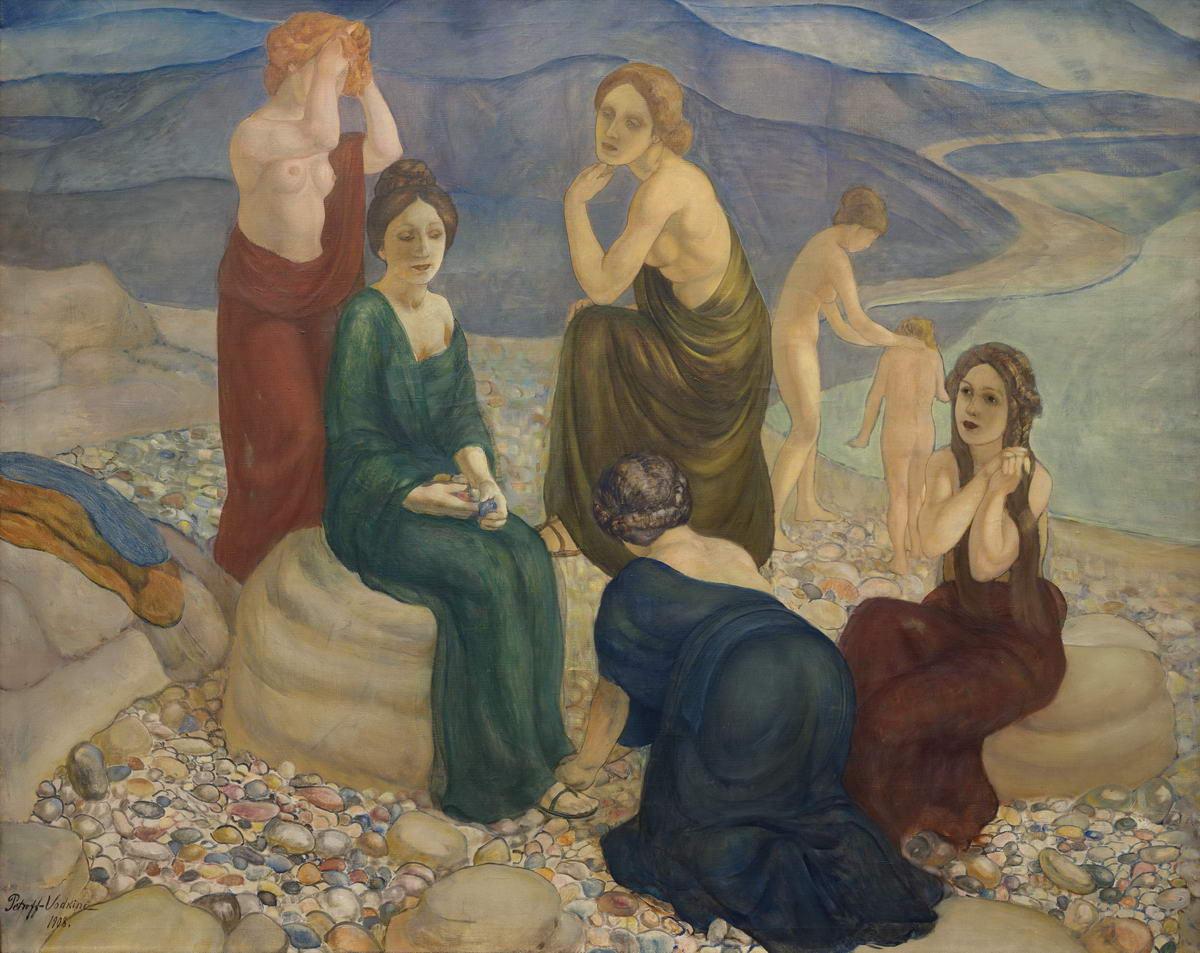
In spring he shows “Dance of the Odalisque” and “Nomad Family” from his African cycle at the Salon du Champ-de-Mars; in autumn he sends “The Shore” and “Sorceresses” to the Salon d’Automne and soon destroys the second.