ART WIKI32.979 udstillet
KortSamlingKunstnereMuseerUdstillingerJournal
Log ind

ART WIKI

Hvor mesterværket hænger, og hvornår man bliver lukket ind.

Samlinger: Art Institute of Chicago, Det Russiske Museum, Eremitagen, Getty Villa, Harvard Art Museums, Hirshhorn Museum and Sculpture Garden, J. Paul Getty Museum, Louvre, Metropolitan Museum of Art, Minneapolis Institute of Art, Museum of Modern Art, National Gallery of Art, National Museum of Asian Art, National Portrait Gallery (Smithsonian), Pusjkinmuseet, Rijksmuseum Amsterdam, Smithsonian American Art Museum, Statens Museum for Kunst, The Cleveland Museum of Art, Tretjakovgalleriet, Victoria and Albert Museum, Whitney Museum of American Art, Ruslands statskatalog over museumsfonden (274 museer), Europeana (19 museer), Wikidata (6 museer), Paris Musées (12 museer) og Joconde, det franske kulturministeriums museumsdatabase (495 museer). Billederne tilhører deres rettighedshavere.

Afsnit

  • Kort
  • Søgning
  • Samling
  • Mesterværker
  • Udstillet nu
  • Kunstnere

Mere

  • Museer & gallerier
  • Udstillinger
  • Journal
  • Hvor data kommer fra
  • Privatliv & cookies
ForsideKortKatalog
  1. Samling/
  2. Minneapolis Institute of Art/
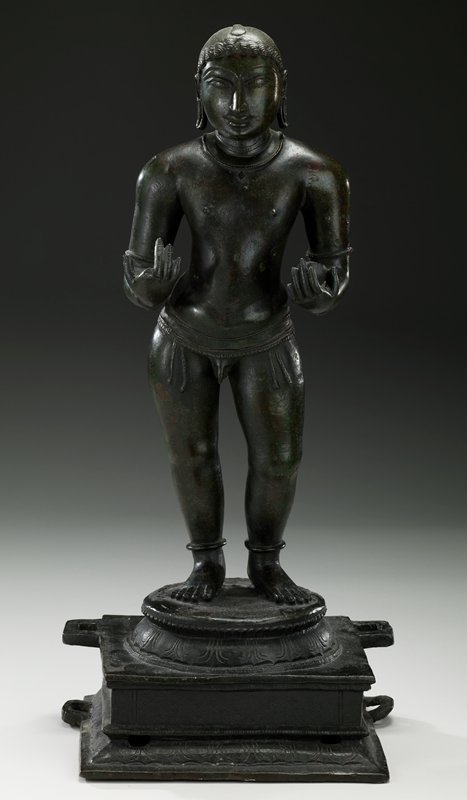
  3. Child Shaiva Saint Sambandar
Child Shaiva Saint Sambandar, 15th century

Child Shaiva Saint Sambandar

15th century · Sculpture · 53.34 × 22.86 cm

Om skulpturen

Sambandar was one of 63 saints who lived between the sixth and ninth centuries, and composed hymns extolling Shiva. As models for the devotee, they became holy persons in their own rite. Sambandar was the youngest saint, and he is depicted as a minimally adorned, standing infant, whose right index finger would have pointed upwards. It is said that he was left alone in a temple and began to cry from hunger. In response, the goddess Uma emerged from an image of herself on the temple ceiling and gave him a cup of milk, which is seen in the sculpture's left hand. Overcome with joy, Sambandar began to sing in praise of Shiva and Uma, all the while pointing to her image.

Minneapolis Institute of Art

Oplysninger

Inventarnummer
59.6

I samme sal · G211, Minneapolis Institute of Art

Museets side

Må man se det?

Ja, det tager imod

Minneapolis Institute of Art

Minneapolis, USA

SalG211

Udstillet for publikum. Hvem der står inde for det, står nedenfor.

Kontrolleret
for 3 dage siden
Uændret siden
25. sep. 2026
Kilde
Museet
På kortetMuseets side

I kataloget

SkulpturBronzeRenæssancen1400-talletIndien

Kilder

  • Minneapolis Institute of Art
  • Billede: Minneapolis Institute of Art — public domain
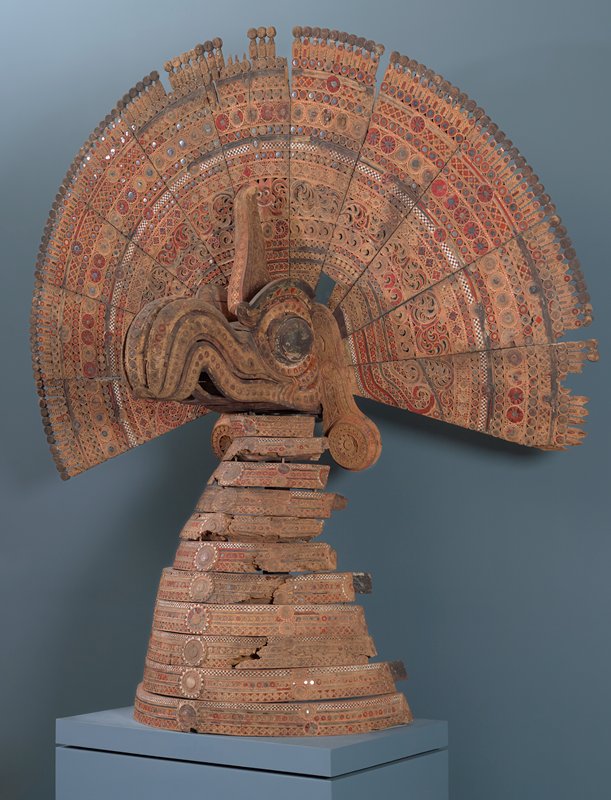
Processional image of a Large Swan (Velya Annam), 19th century

Processional image of a Large Swan (Velya Annam), 19th century

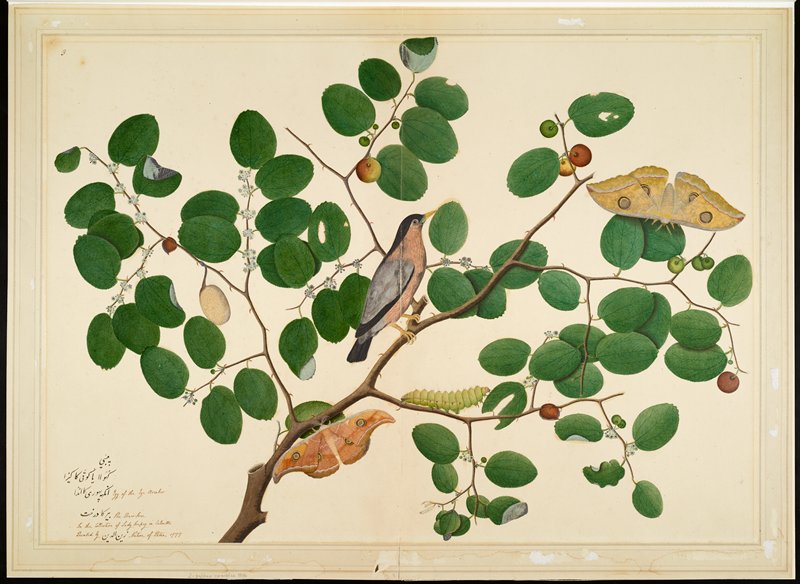
Brahminy Starling with Two Antheraea Moths, Caterpillar, and Cocoon on Indian Jujube Tree, Sheikh Zain al-Din, 1777

Sheikh Zain al-Din

Brahminy Starling with Two Antheraea Moths, Caterpillar, and Cocoon on Indian Jujube Tree, 1777

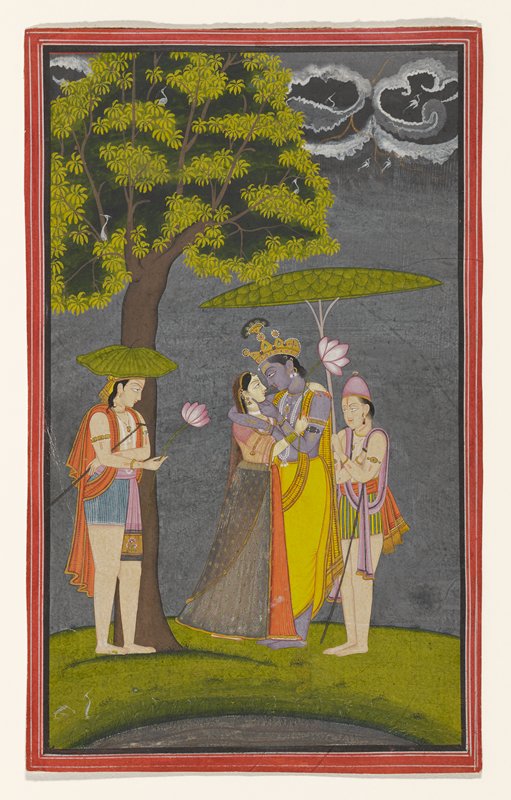
Krishna and Radha Sheltering from the Rain, Nurpur workshop, c. 1760

Nurpur workshop

Krishna and Radha Sheltering from the Rain, c. 1760

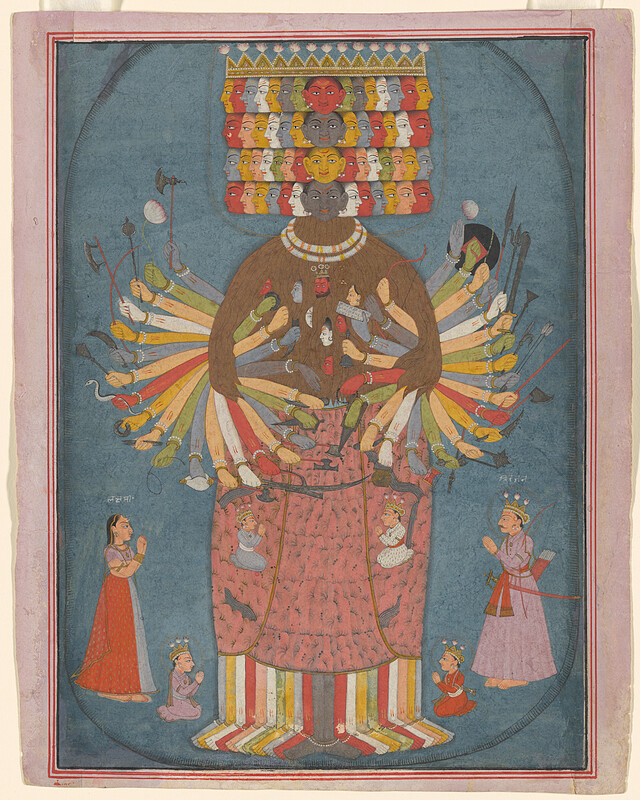
The Cosmic Form of Krishna, c. 1750–75

The Cosmic Form of Krishna, c. 1750–75

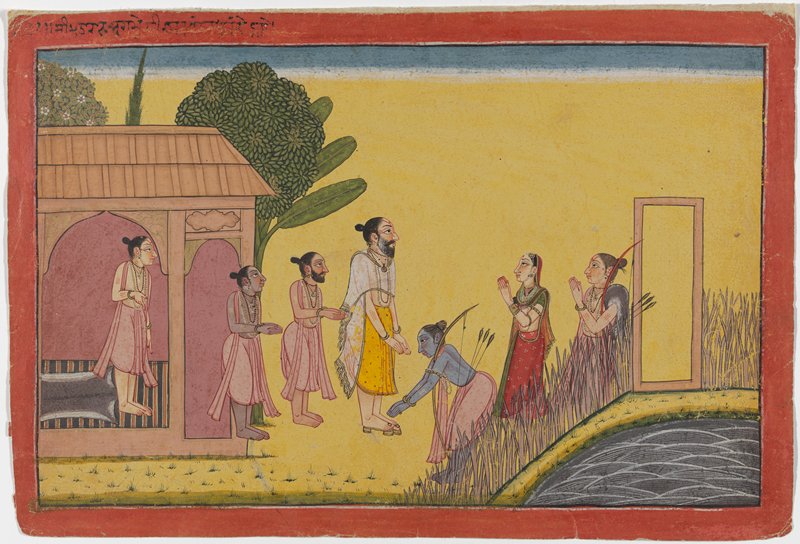
Folio from the Shangri Ramayana (Style IV): Rama, Sita, and Lakshmana Arriving at the Hermitage of Sage Agastya, Kulu or Mandi workshop, c. 1730

Kulu or Mandi workshop

Folio from the Shangri Ramayana (Style IV): Rama, Sita, and Lakshmana Arriving at the Hermitage of Sage Agastya, c. 1730

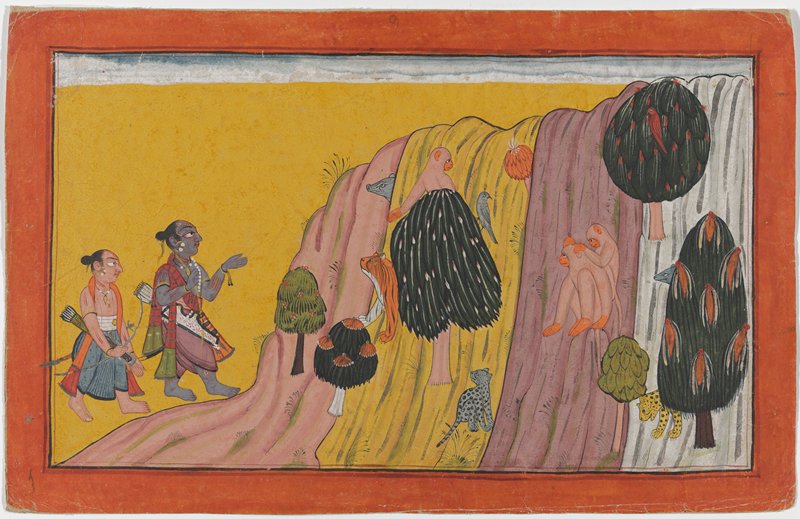
Illustration to the Shangri Ramayana (Style III): Rama and Lakshmana Arriving at the Rishyamukha Hill, Kulu or Mandi workshop, c. 1700

Kulu or Mandi workshop

Illustration to the Shangri Ramayana (Style III): Rama and Lakshmana Arriving at the Rishyamukha Hill, c. 1700

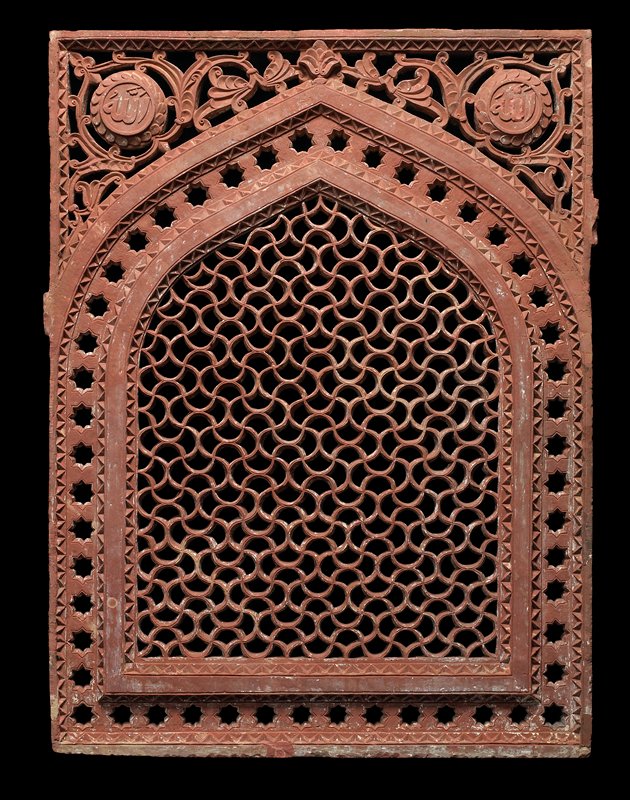
Jali (window screen), c. 1600–20

Jali (window screen), c. 1600–20

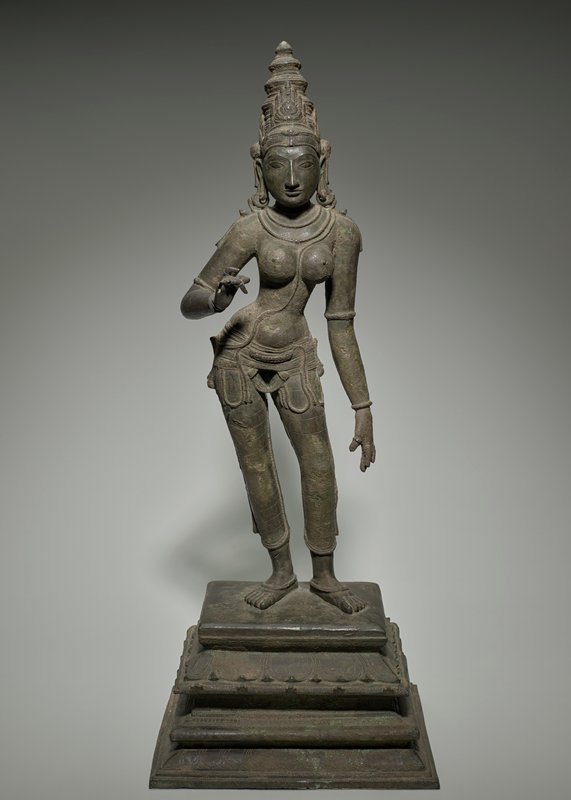
Devi Uma Parameshvari, Great Goddess Uma, 13th century

Devi Uma Parameshvari, Great Goddess Uma, 13th century