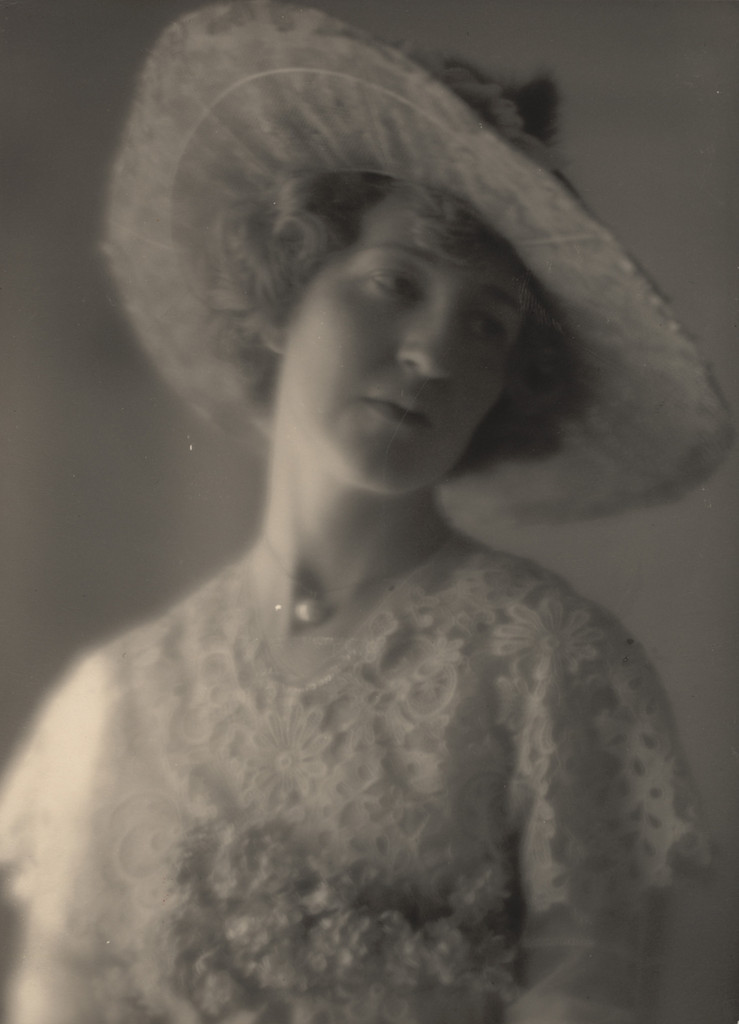
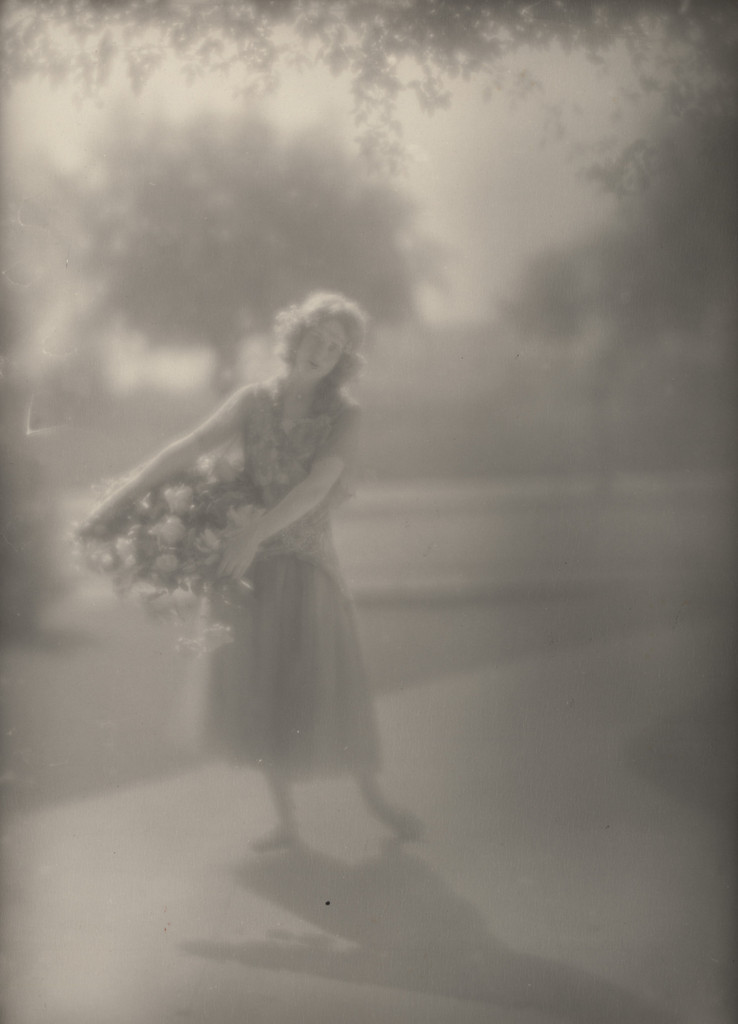
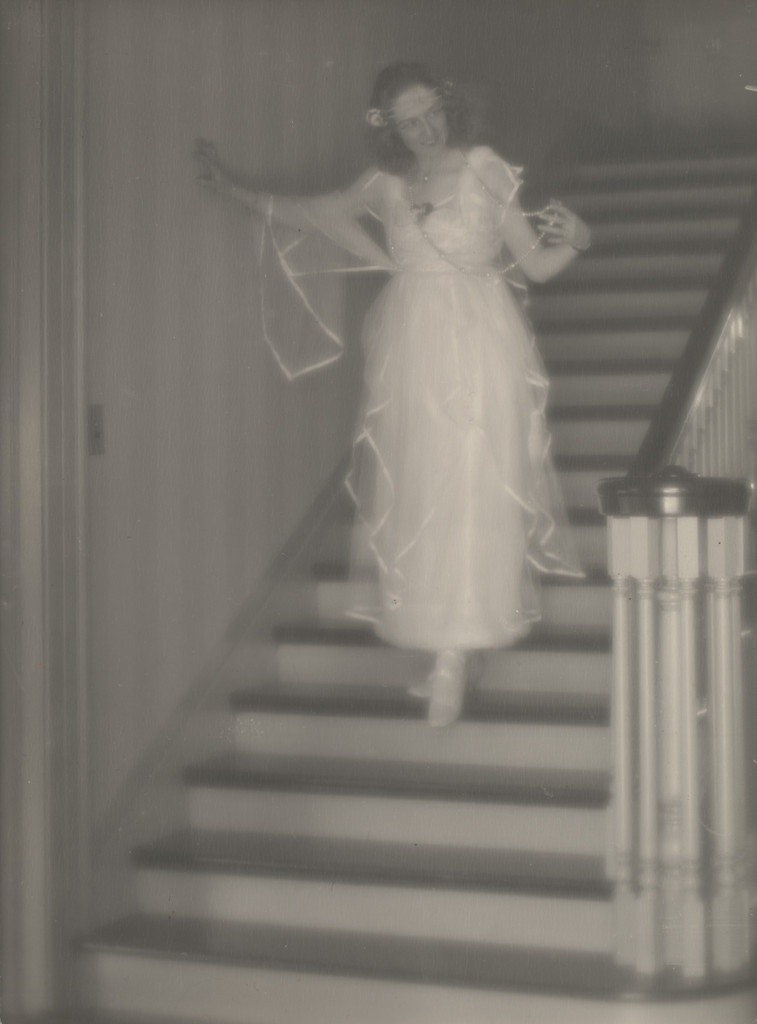
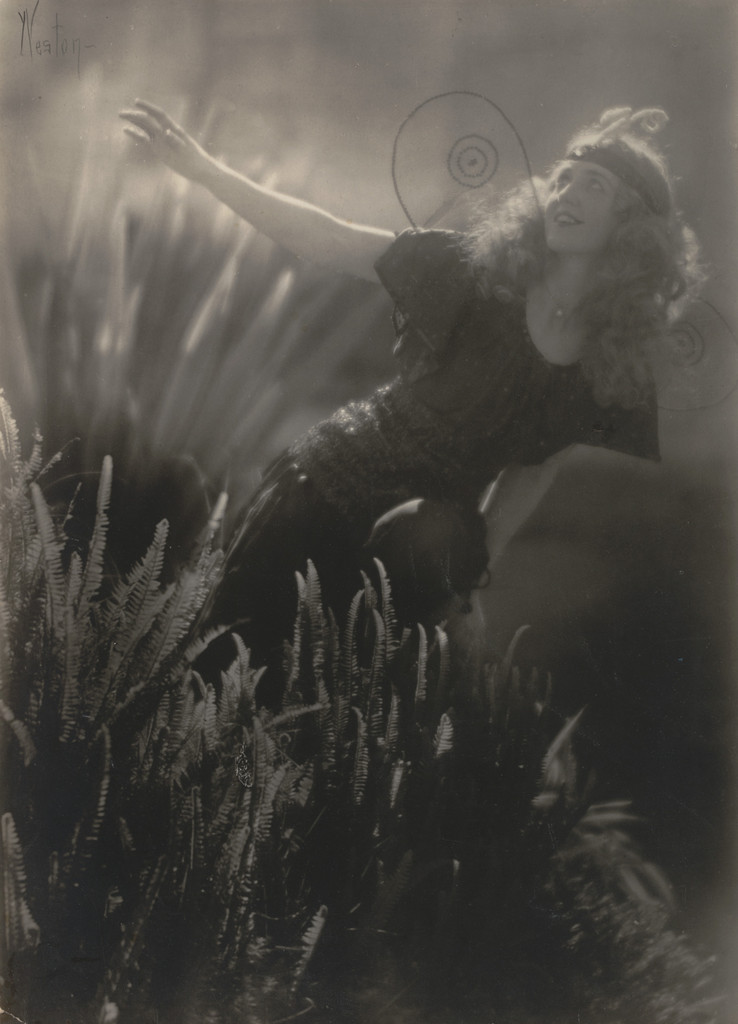
Edward WestonUSA, 1886–1958
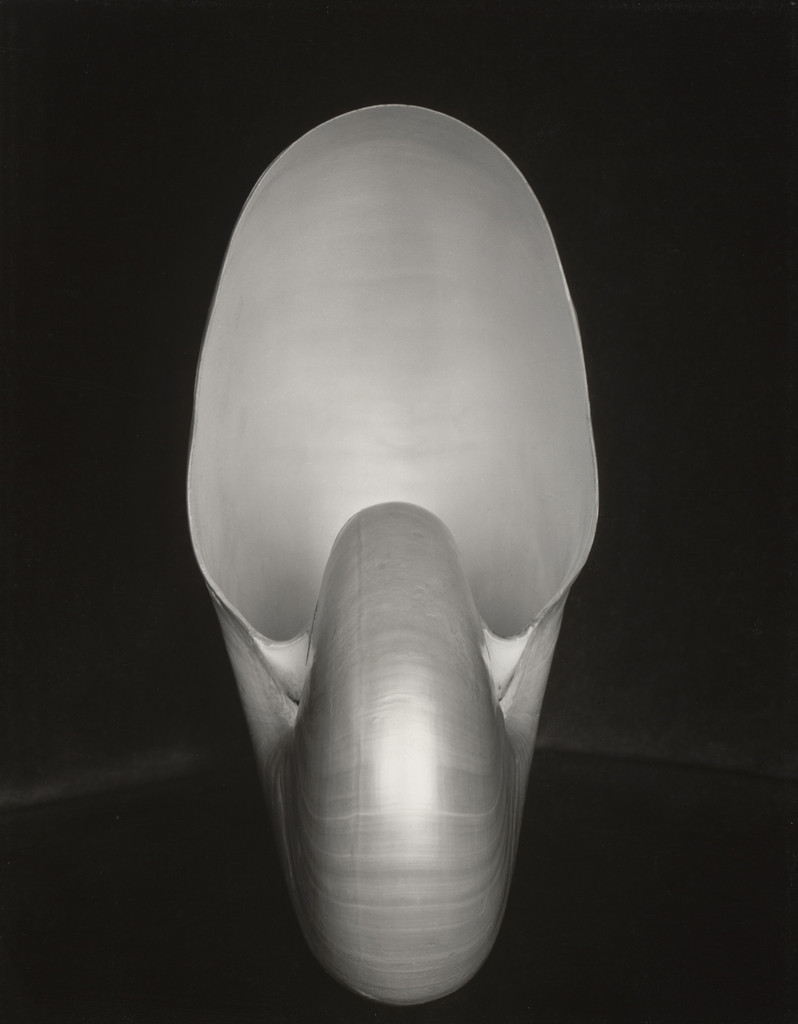
Cauliflower
Må man se det?
Tager ikke imod for tiden

Art Institute of Chicago
Chicago, USA
Det hører til samlingen, men er ikke udstillet for tiden.
- Kontrolleret
- Uændret siden
- Kilde
- Museets egne samlingsdata
Oplysninger
- Inventarnummer
- 1959.674
What it shows
I kataloget
Kilder
- Art Institute of Chicago: the museum's own open data · hentet for 6 dage siden
- Billede: Art Institute of Chicago — © the artist or rights holder
Imens i livet hos Edward Weston
Hele livet1930–1931
A series of one-man exhibitions, 1930–1931
The first is at Alma Reed’s Delphic Studio Gallery in New York, followed closely by the same show at the Denny Watrous Gallery in Carmel; both receive rave reviews, including a two-page article in the New York Times Magazine. Shows at the De Young Museum in San Francisco and the Galerie Jean Naert in Paris follow.
early 1934
Meets Charis Wilson at a concert
Meeting Charis Wilson at a concert, he is immediately captivated by her beauty and personality, even more than with his previous lovers; a new and important chapter opens in his life. He writes that a new and most beautiful love has come into his life, one that he believes will stand the test of time.
August 1935
Charis Wilson agrees to live with him
Weston had implored Charis Wilson to come and live with him, and in August 1935 she finally agrees. Of all the women he has lived with since Flora, she is the first with no interest in becoming a photographer; this lets him concentrate on her as his muse and model, while Wilson devotes her time to promoting his art as his assistant and quasi-agent.
22 March 1937
News of the Guggenheim grant: two thousand dollars
On 22 March 1937 Weston learns he has been awarded a Guggenheim grant, the first ever given to a photographer: $2,000 for one year, a significant sum at the time. He capitalises on it further by arranging to supply the editor of AAA Westway Magazine with 8–10 photographs a month for $50 during their travels, with Wilson earning another $15 a month for captions and short narratives. They buy a new car and set out on Weston’s dream trip to photograph whatever he wants.
1937–1939
Nearly 1,400 negatives in two years on the fellowship
The first photographer to receive a Guggenheim Fellowship, he produces nearly 1,400 negatives over the next two years with his 8 × 10 view camera.
1947
Diagnosed with Parkinson’s disease
He is diagnosed with Parkinson’s disease and soon stops photographing; he spends the remaining ten years of his life overseeing the printing of more than 1,000 of his most famous images.