Frank Bowling came to Britain from Guyana in his early teens, to further his academic education but ultimately found his way to the Royal College of Art, where he was a contemporary of Kitaj and Hockney. He adopted a figurative style in line with the developing ‘Pop’ aesthetic of the early 1960s, but with more serious undertones reflecting his social and political concerns.
Read on
He was a prizewinning student, but after graduation was never invited to exhibit in the high profile shows that his peers enjoyed and in the mid 1960s he moved to the more sympathetic milieu of New York and turned to abstraction. However, he later began to divide his time between England and America, a practice he still adheres to. Later in his life, Bowling gained wider recognition amongst the British art community and in 1987 the Tate Gallery purchased one of his paintings; the first work the Gallery had acquired by a black British artist. In 2005 Bowling was elected a member of the Royal Academy of Art, the first black artist to be so honoured since the Academy’s foundation in 1768.
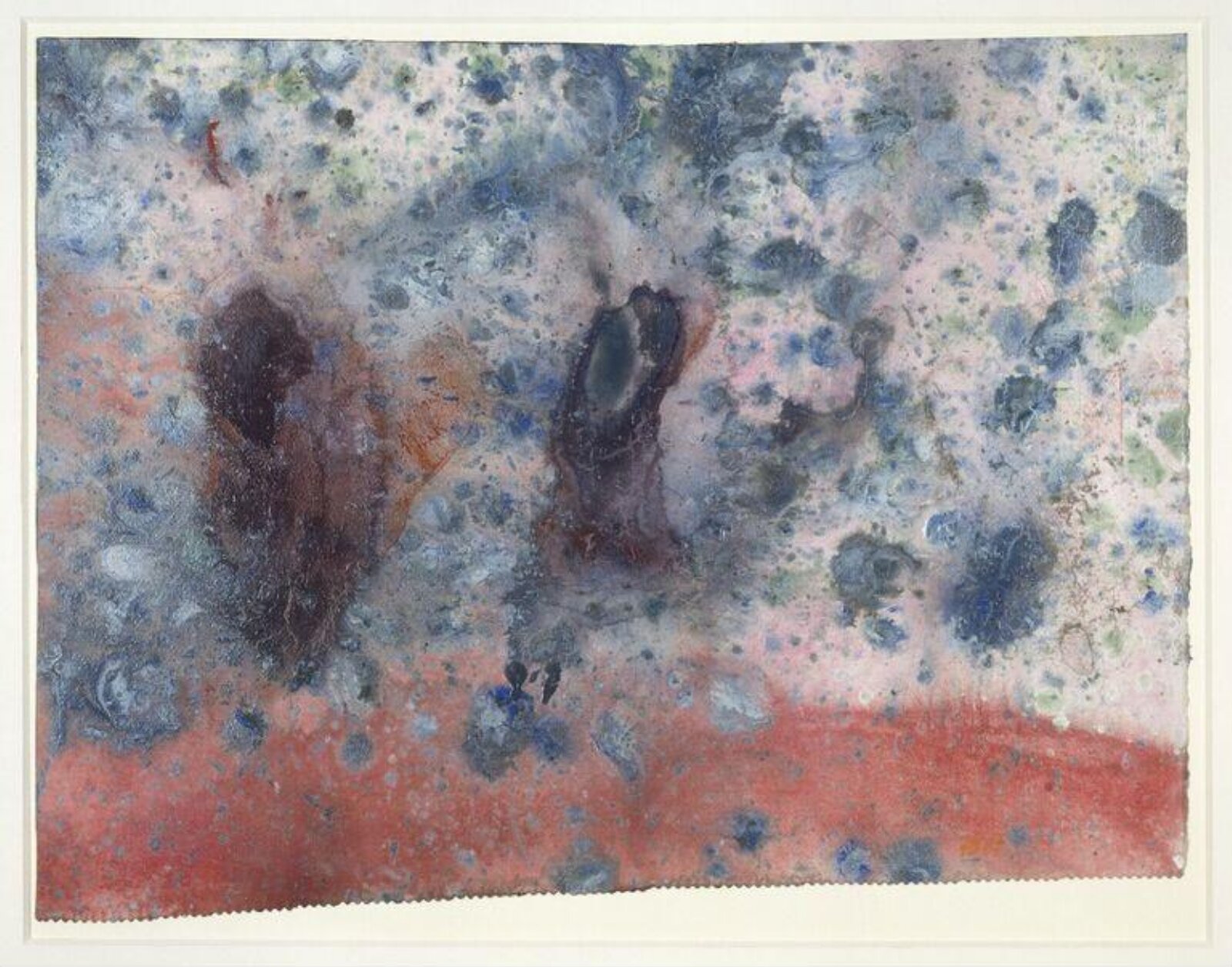
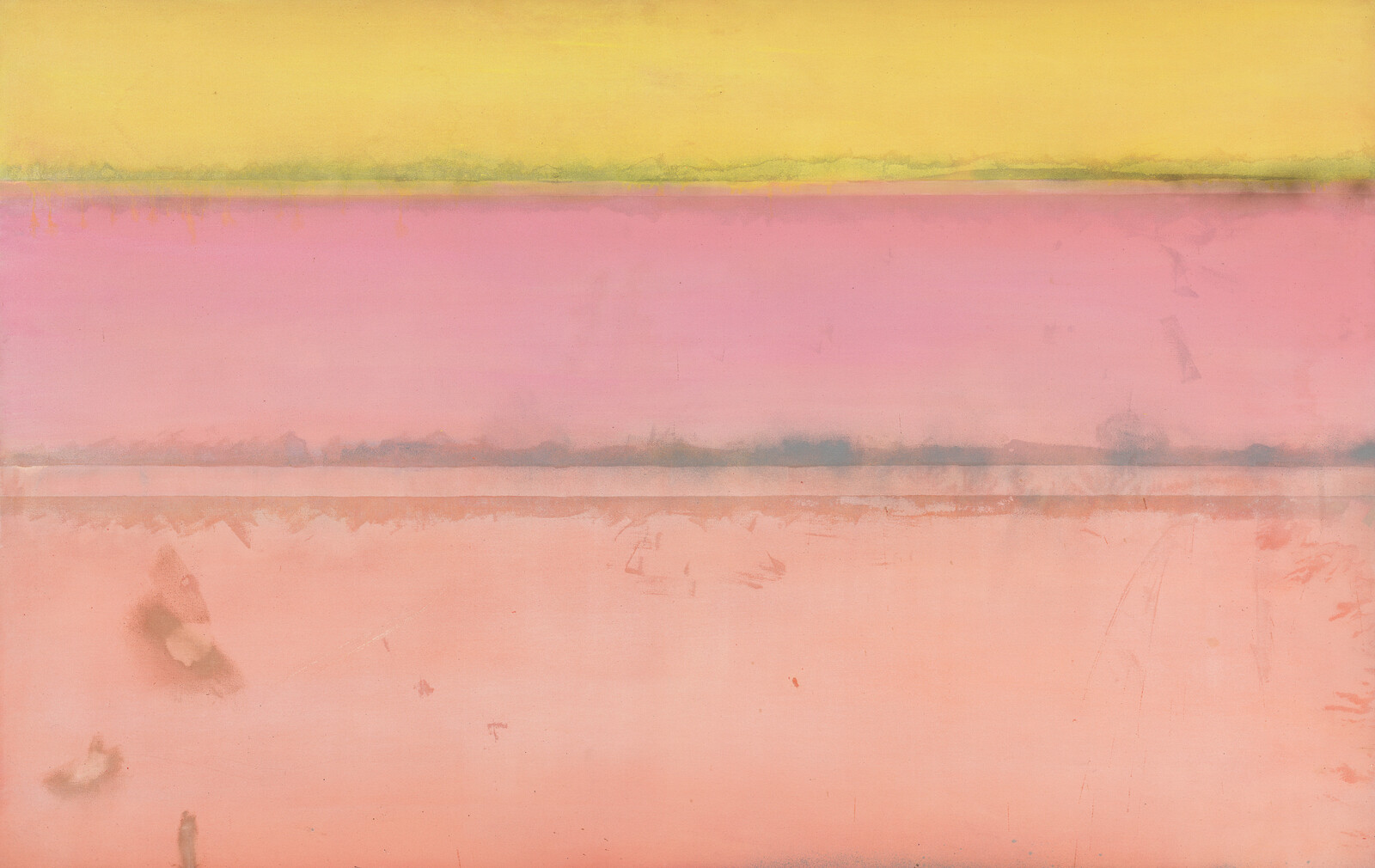
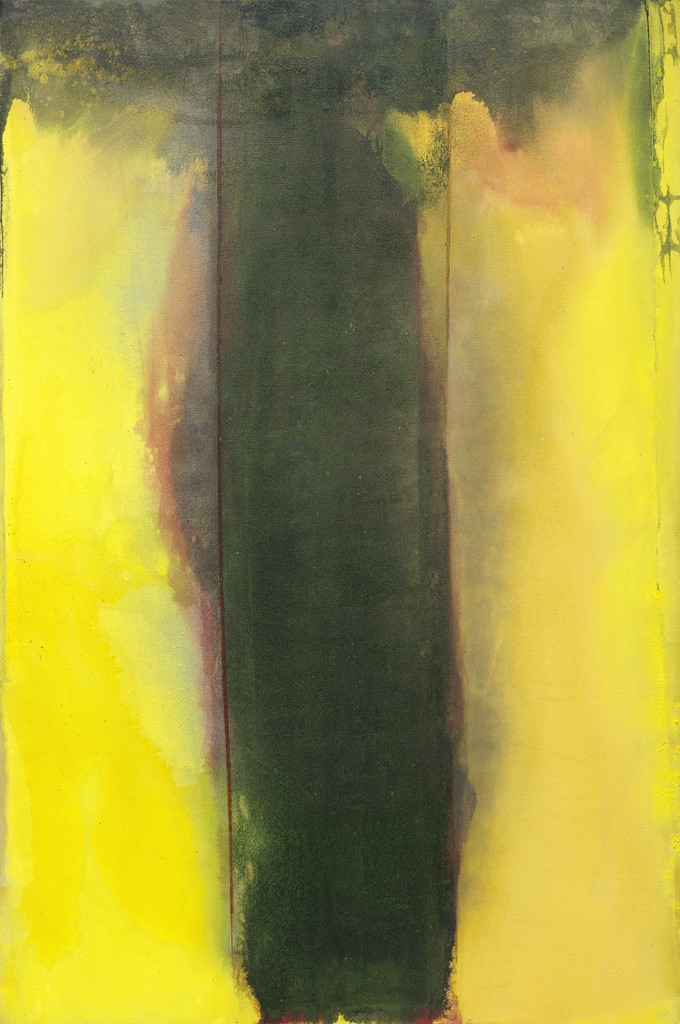
Bowling has always been drawn to water and this painting suggests the seething chemical mess which many of our rivers and lakes are becoming, yet at the same time the curiously beautiful quality of such imperfection . The margins appear to have been cut with pinking shears (scissors used by dressmakers). Such margins appear in many of Bowling's paintings and reflect the influential role of his mother in his life. She ran a dressmaking and millinery business, Bowling's Variety Stores in Bartica, Guyana, when he was growing up.