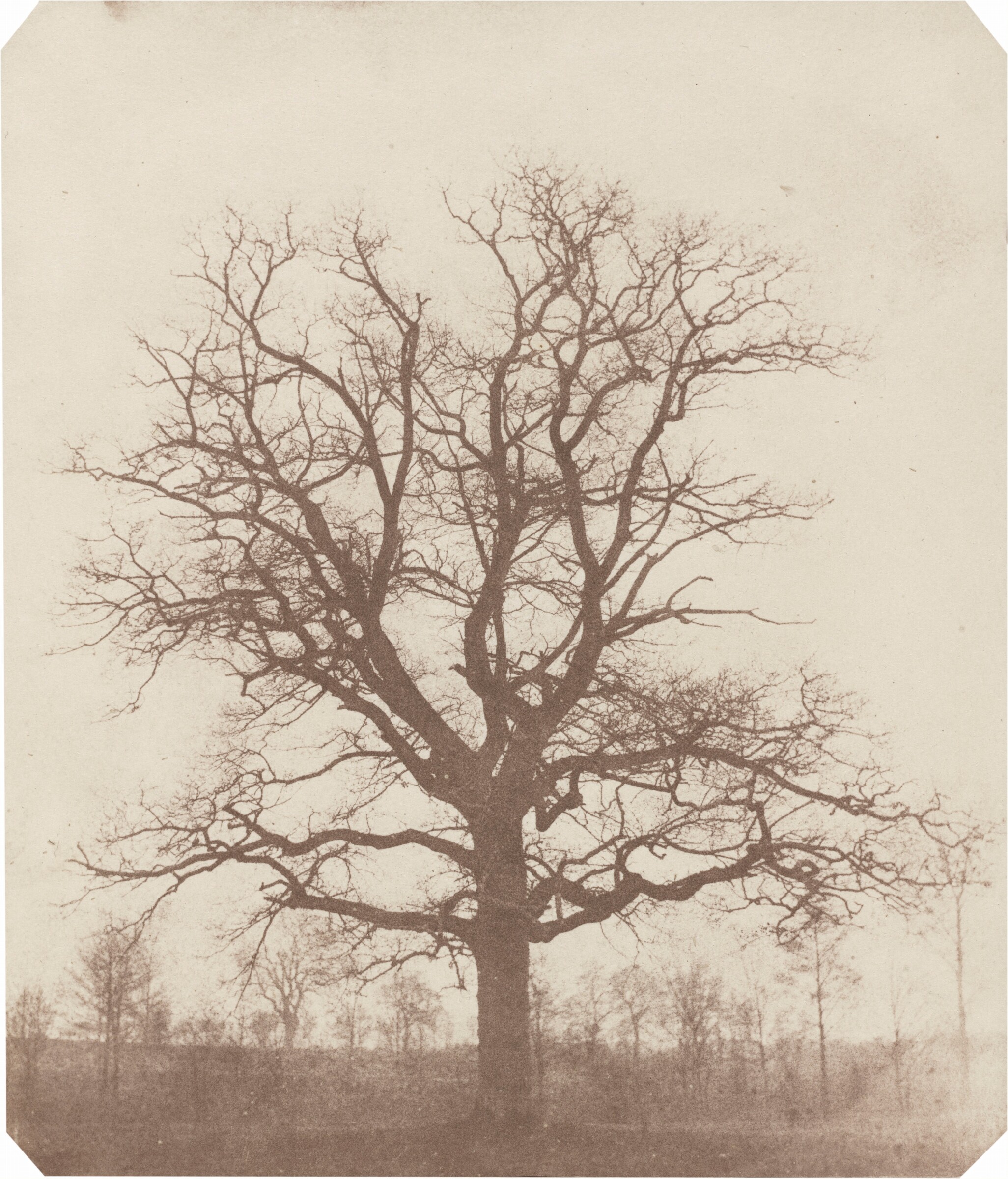
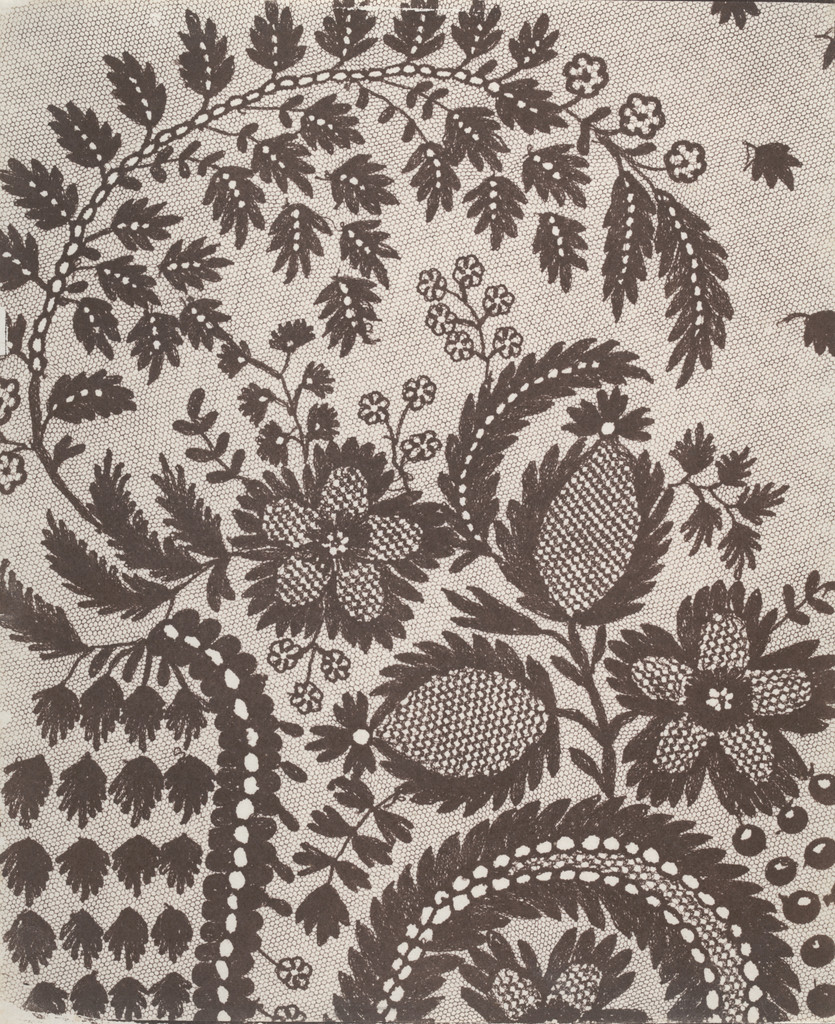
William Henry Fox TalbotEngland, 1800–1877
Bodleian Library
Må man se det?
Tager ikke imod for tiden

Art Institute of Chicago
Chicago, USA
Det hører til samlingen, men er ikke udstillet for tiden.
- Kontrolleret
- Uændret siden
- Kilde
- Museets egne samlingsdata
Oplysninger
- Inventarnummer
- 1967.151
What it shows
I kataloget
Kilder
- Art Institute of Chicago: the museum's own open data · hentet for 7 dage siden
- Billede: Art Institute of Chicago — CC0
Imens i livet hos William Henry Fox Talbot
Hele livet1840–1841
Post: High Sheriff of Wiltshire
1840s
Photomechanics: the road to photogravure
In the 1840s Talbot turned to the photomechanical reproduction of pictures; this work led to photoglyphic engraving, the precursor of photogravure. Rendering a photograph in printer’s ink made editions cheaper and avoided the fading of early silver prints.
February 1841
Patents the calotype
Talbot obtained an English patent for the calotype process and sold licences at £20 each, later lowering the fee for amateurs to £4 while professionals paid up to £300 a year; scientists saw it as a hindrance to scientific freedom. He justified his rigour by the roughly £5,000 he had spent on photography; for science the method was free, and Talbot himself published the first known photomicrograph of a mineral crystal.
August 1841
First licence goes to the miniaturist Henry Collen
Having announced the calotype, in August Talbot licensed the miniature painter Henry Collen, who became the first professional calotypist. The most celebrated practitioners of the process were Hill & Adamson.
1842
Birth of his son Charles Henry
Charles Henry Talbot was born into the Talbot family; with his birth the nursemaid Eliza Frayland joined the household, later captured in the family calotype of 1844.
1844–1846
“The Pencil of Nature”, the first photobook, appears
Longman, Brown, Green & Longmans issued the book in separate parts: 24 prints, each pasted in by hand and accompanied by a short text. Talbot is regarded as the author of the first photographic book; scholars see in it the design of a new canon built on biblical rhetoric.