 Alphonse MuchaTjekkiet, 1860–1939
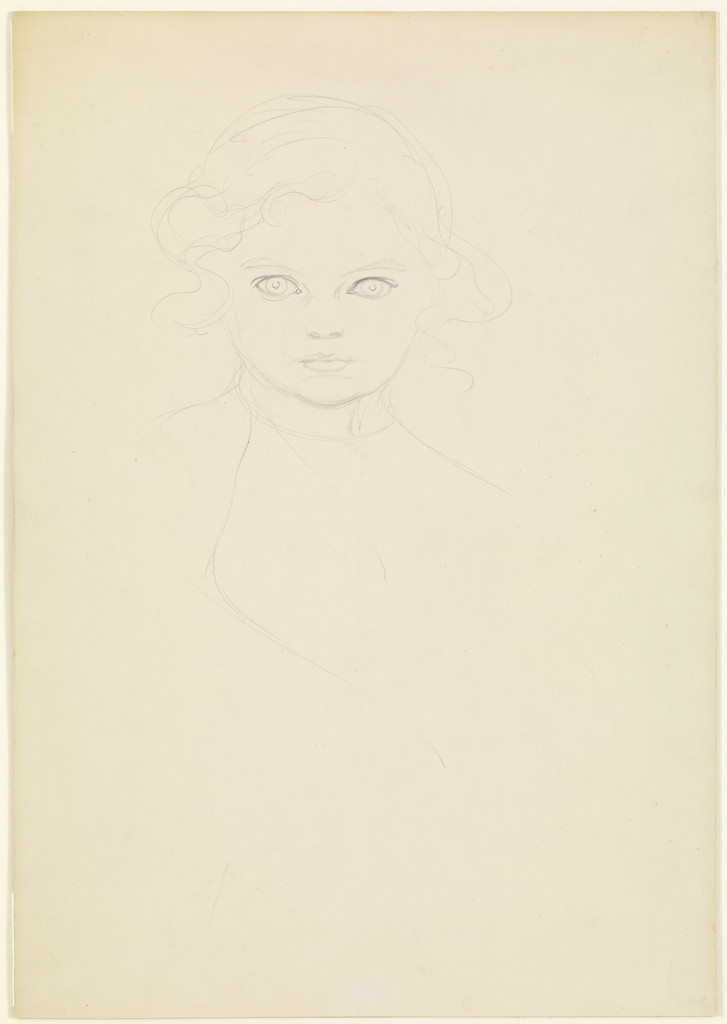
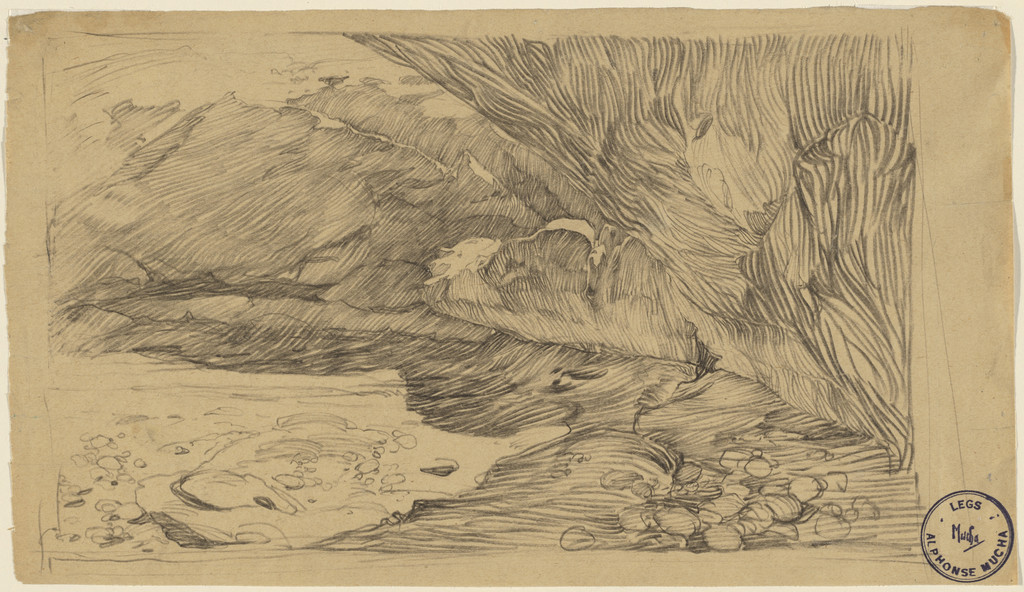
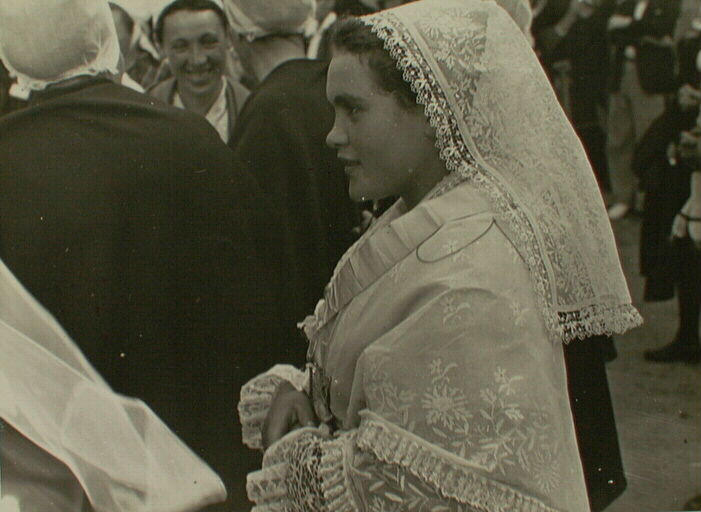
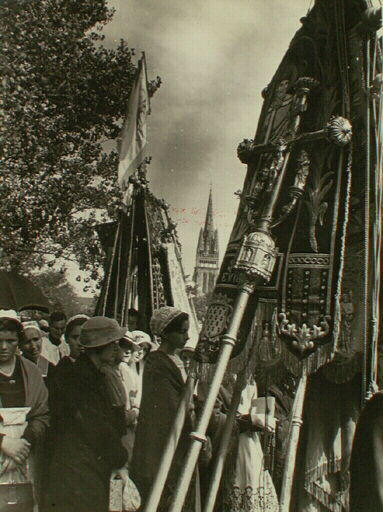
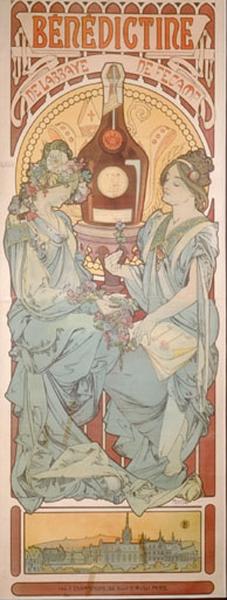
Bénédictine de l'abbaye de Fécamp
Kan det ses?
Ukendt
Hvor er »Bénédictine de l'abbaye de Fécamp« i dag? Samling: Musée de Bretagne, Rennes. Ukendt.
Rennes, Frankrig
Ejeren er kendt; om værket er udstillet i dag, vides ikke.
- Uændret siden
- Kilde
- Museet
Oplysninger
- Inventarnummer
- 933.0032.40 ; 13.268 (Autre N° 1)
Hvad det viser
I kataloget
Kilder
- Musée de Bretagne
- Billede: Musée de Bretagne — © Prudor Gérard; Ministère de la Culture (France), base Joconde
Imens i livet hos Alphonse Mucha
Hele livet1897
Retrospective at the Salon des Cent: 448 works
Léon Deschamps, the editor of La Plume, invited him to show at the Salon des Cent in 1896, and in 1897 the same gallery gave him a major retrospective of 448 works; the magazine La Plume devoted a special issue to him, and the exhibition travelled to Vienna, Prague, Munich, Brussels, London and New York, giving him an international reputation.
1898
Joins a lodge of the Grand Orient de France
In January 1898 Mucha joined the Paris masonic lodge of the Grand Orient de France; a devoted Catholic, he was also interested in mysticism.
20 December 1899
“Le Pater” is published
Wishing to be recognised as a serious artist and philosopher, he gave a pictorial expression to every line of the Lord’s Prayer in a book published by Henri Piazza in an edition of only 510 copies; he considered it his printed masterpiece and said he had put his soul into it. The original watercolours were shown in the Austrian pavilion at the 1900 Exposition Universelle.
c. 1899 – 1900
A trip to the Balkans for sketches
As soon as the project was accepted, Mucha left for the Balkans to sketch costumes, ceremonies and architecture, which he put into his work for the pavilion.
1900
Exhibition: Exposition Universelle of 1900
1900
Sarah Bernhardt defends his Czech origins
His foreign name caused much speculation in the French press, which distressed him; Sarah Bernhardt declared in La France that Mucha was a Czech from Moravia not only by birth and origin but also by feeling, conviction and patriotism.