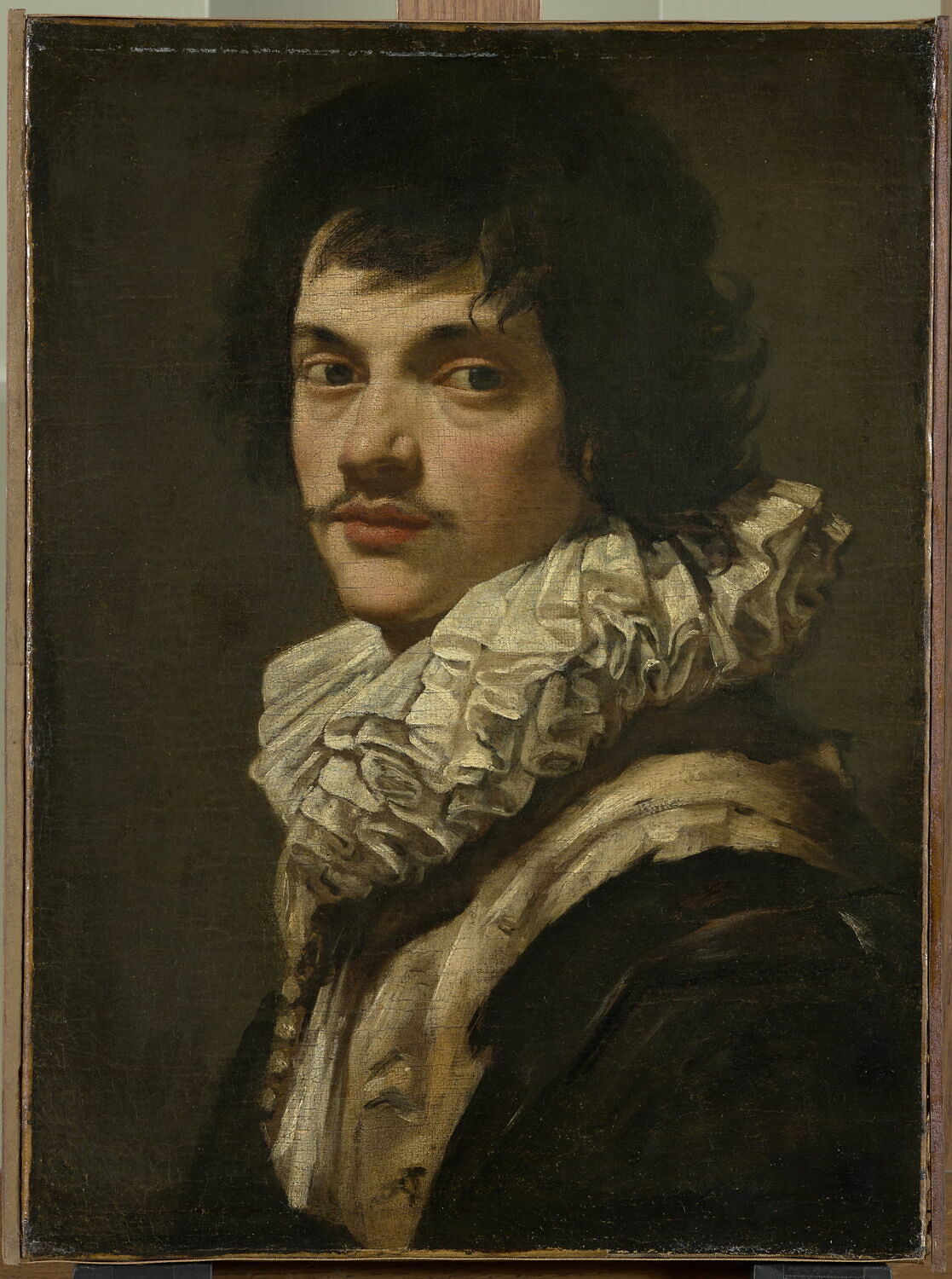
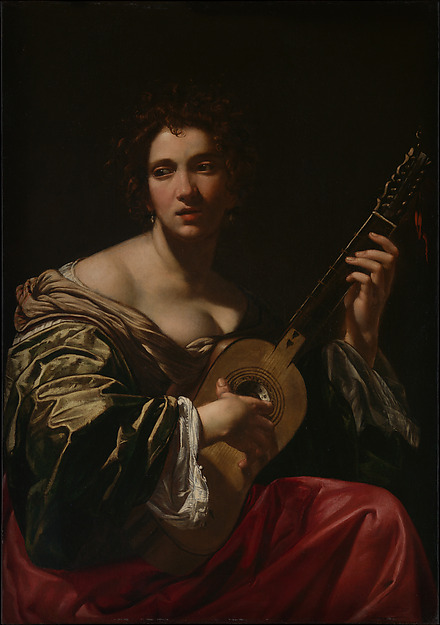
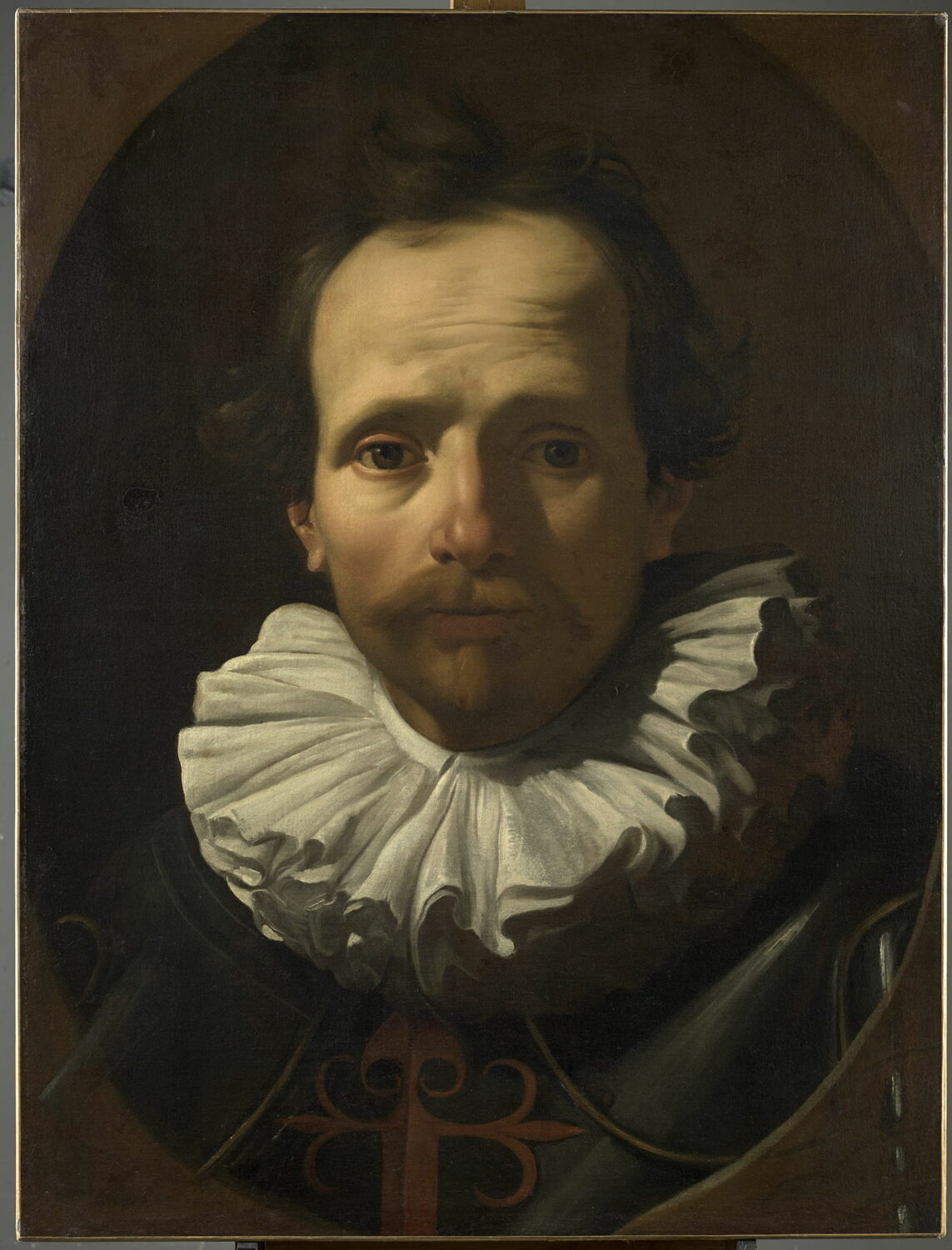
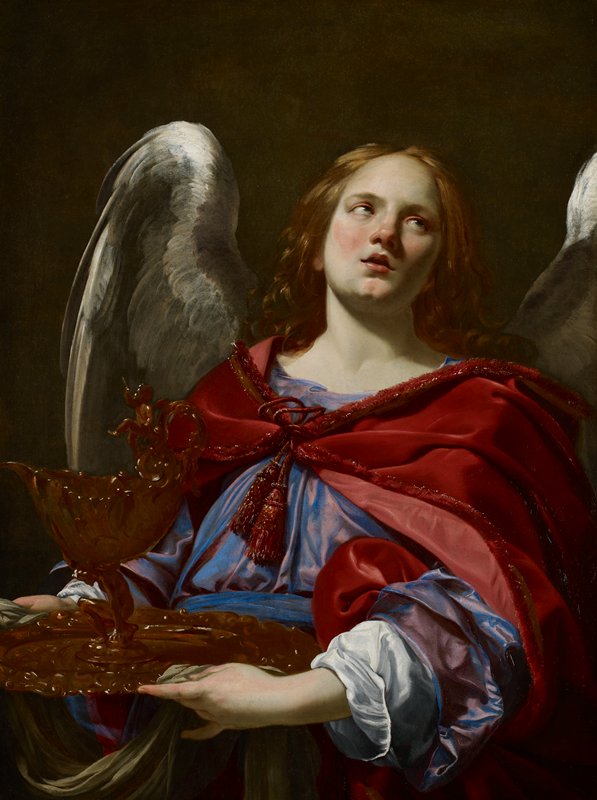
Simon VouetFrankrig, 1590–1649
Artemisia Building the Mausolaeum
Kan det ses?
Ja, udstillet nu
Hvor er »Artemisia Building the Mausolaeum« i dag? Sveriges Nationalmuseum, Nationalmuseum, Stockholm. Ja, udstillet nu. Kontrolleret 9. oktober 2026.

Lukket· åbner i morgen kl. 11.00
Udstillet for publikum.
- Kontrolleret
- Uændret siden
- Kilde
- Museets hjemmeside
Om maleriet
The painting tells the story of how Queen Artemisia of Caria in Asia Minor supposedly ordered the building of the Mausolaeum at Halicarnassus in memory of her husband, Mausolus (352 B.C.). The Queen is said to have mixed Mausolus’ ashes with liquid, which she drank. She thus comes to symbolise a widow’s devotion. Vouet depicts the strongly idealised figures in a classical architectural setting, using Venetian colour and light. Form and content harmonise.
Sveriges Nationalmuseum
Oplysninger
I kataloget
Udstillingshistorik
Udstillet · Nationalmuseum
Sveriges Nationalmuseum · 9. okt. 2026 — nu · Kontrolleret
Om værket var udstillet, vides ikke
Sveriges Nationalmuseum · 27. sep. 2026 — 9. okt. 2026 · Ubekræftet
Kilder
- Sveriges Nationalmuseum
- Billede: Sveriges Nationalmuseum — Public Domain Mark 1.0
Imens i livet hos Simon Vouet
Hele livet1627–1649
Post: Premier peintre du Roi
1638
Death of his wife Virginia
Virginia da Vezzo died in France — a Roman, “a painter known for her beauty”, Vouet's pupil and the model for his Madonnas, and the mother of his five children.
1640
The king sets Poussin against Vouet
Louis XIII summoned Nicolas Poussin, famous in Italy, to Paris with the words “Now Vouet is caught!” and deliberately set the two painters against each other. Vouet, a friend of Poussin, probably chose not to stop his supporters' pamphlets; in the end Poussin returned to Italy and Vouet kept his primacy at court.
1640
Marries Radegonde Béranger
Two years after Virginia's death Vouet married a French widow, Radegonde Béranger, with whom he had three more children.
1641
Death of his brother Aubin Vouet
Simon's younger brother, the painter Aubin Vouet (1595–1641), died.