 Kazimir MalevichRusland, 1879–1935
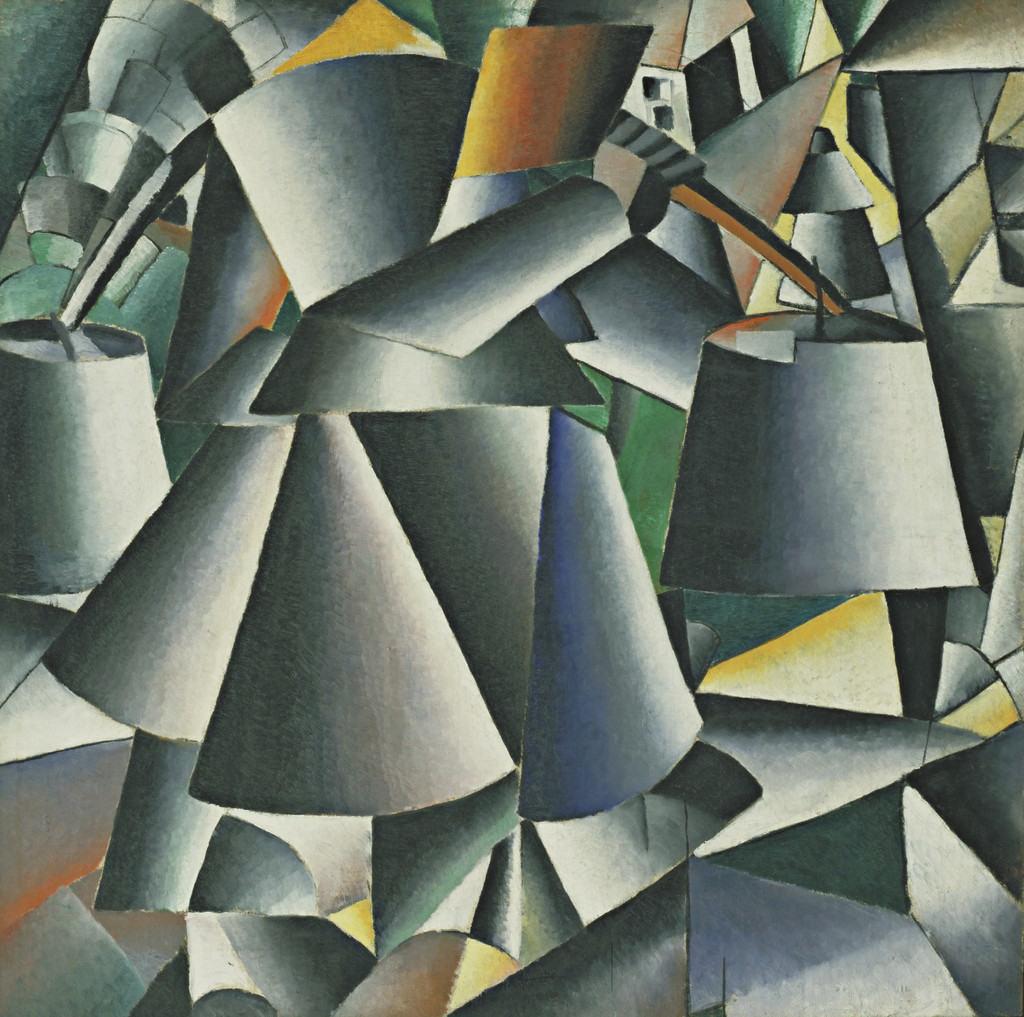
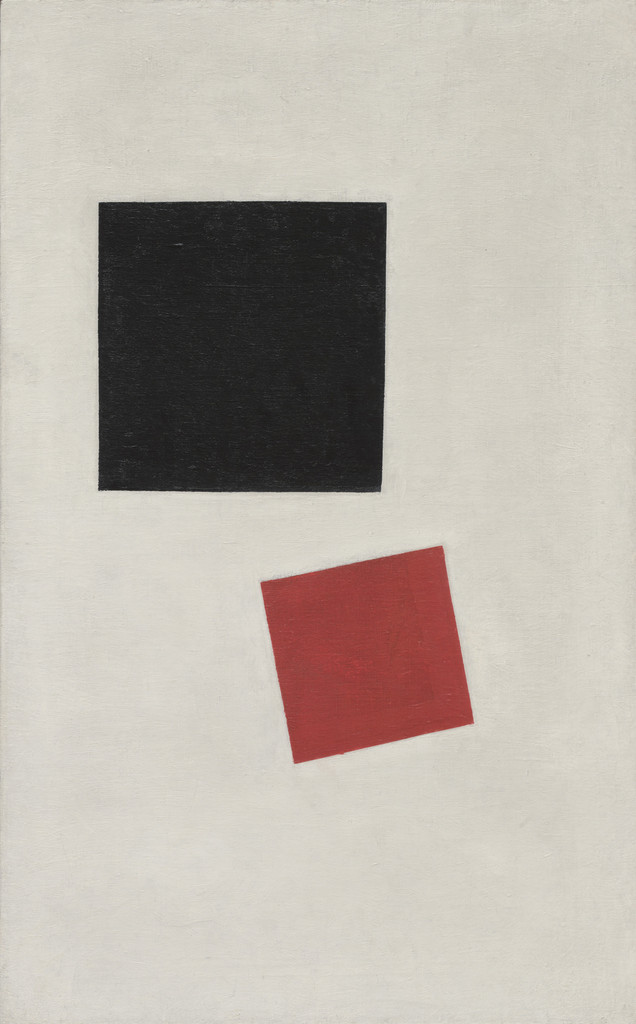
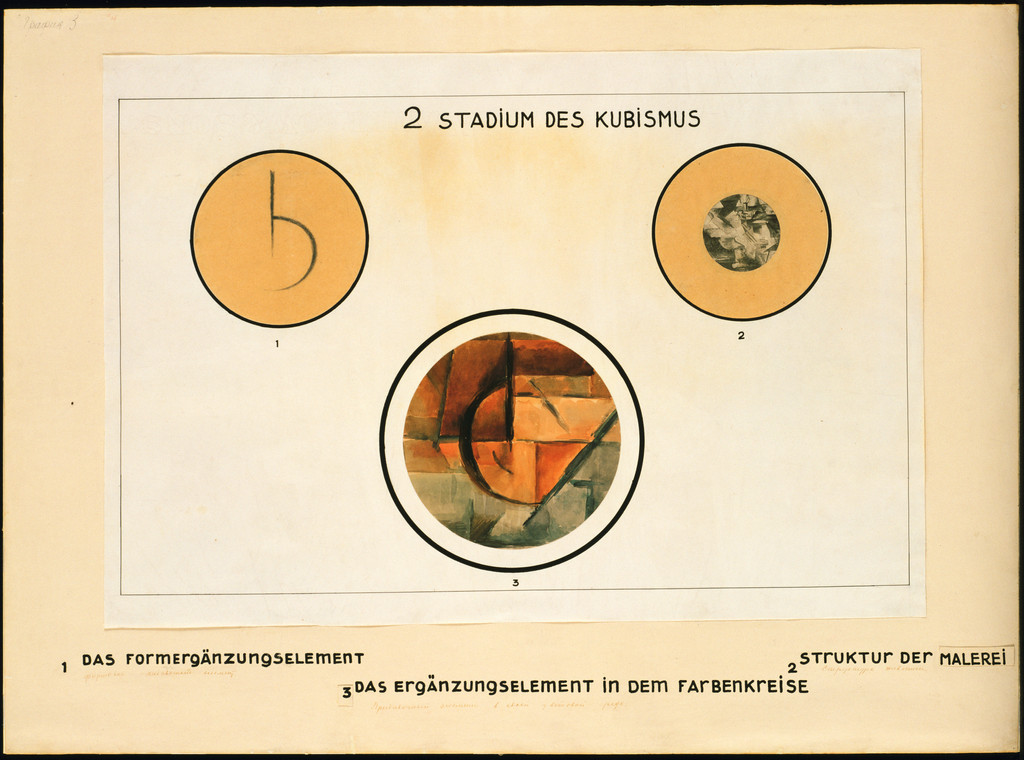
Analytical Chart
Må man se det?
Tager ikke imod for tiden

New York City, USA
Det hører til samlingen, men er ikke udstillet for tiden.
- Kontrolleret
- Kilde
- Museet
Oplysninger
- Inventarnummer
- 823.1935
I kataloget
Kilder
- Museum of Modern Art
- Billede: Museum of Modern Art — © the artist or rights holder
Imens i livet hos Kazimir Malevich
Hele livet1919–1922
The theoretical writings of the Vitebsk years
In Vitebsk Malevich published the theoretical work “On New Systems in Art” (1919), issued the UNOVIS manifesto in the journal “Iskusstvo” (1921), and in 1922 finished his chief theoretical and philosophical work, “Suprematism. The World as Non-Objectivity, or Eternal Rest”, and brought out the pamphlet “God Is Not Cast Down. Art, Church, Factory”.
1922
Moving to Petrograd with his pupils
In early June 1922 Malevich moved to Petrograd with several pupils, members of UNOVIS, and joined the work of the Museum of Artistic Culture; that year his works were shown at the First Russian Art Exhibition in Berlin.
1923–1926
Director of the Museum of Artistic Culture and GINKhUK
In 1923 Malevich was appointed acting director of the Petrograd Museum of Artistic Culture and began research and teaching there, surrounded by pupils who had followed him. In 1924 the museum was renamed, and from 1924 to 1926 he was director of the Leningrad State Institute of Artistic Culture (GINKhUK), where he headed the formal-theoretical department; he lived in the Myatlev house on St Isaac’s Square, where the institute was housed, from 1926 until his death.
10 June 1926
“A monastery on state supplies”: the closure of GINKhUK
On 10 June 1926 “Leningradskaya Pravda” published G. Seryi’s article “A Monastery on State Supplies”, which became the pretext for closing the institute: the newspaper called it a government-supported monastery rife with “counterrevolutionary sermonizing and artistic debauchery”. The collection of the institute’s papers prepared for print, with Malevich’s “Introduction to the Theory of the Additional Element in Painting”, was annulled, and in the autumn GINKhUK was liquidated; Malevich and his colleagues continued to work at the Institute of Art History until their dismissal in June 1929.
29 March – 5 June 1927
Berlin and the Bauhaus: the Great Berlin Art Exhibition
At the end of March 1927 Malevich left Warsaw for Berlin with the Polish poet and critic Tadeusz Peiper; on 7 April they visited the Bauhaus in Dessau, where he met Walter Gropius and László Moholy-Nagy. At the Great Berlin Art Exhibition (7 May – 30 September) he was given a hall — over seventy works spanning his whole oeuvre; the show has been called a defining moment in the Western reception of Malevich.
1 November 1929
A solo exhibition at the Tretyakov Gallery
On 1 November 1929 the “Exhibition of Paintings and Graphic Works by K. S. Malevich” opened at the State Tretyakov Gallery. In 1930 an abridged version of the exhibition was shown in Kiev (February–May), and the artist’s works were exhibited in Berlin and Vienna.