ART WIKI32.979 udstillet
KortSamlingKunstnereMuseerUdstillingerJournal
Log ind

ART WIKI

Hvor mesterværket hænger, og hvornår man bliver lukket ind.

Samlinger: Art Institute of Chicago, Det Russiske Museum, Eremitagen, Getty Villa, Harvard Art Museums, Hirshhorn Museum and Sculpture Garden, J. Paul Getty Museum, Louvre, Metropolitan Museum of Art, Minneapolis Institute of Art, Museum of Modern Art, National Gallery of Art, National Museum of Asian Art, National Portrait Gallery (Smithsonian), Pusjkinmuseet, Rijksmuseum Amsterdam, Smithsonian American Art Museum, Statens Museum for Kunst, The Cleveland Museum of Art, Tretjakovgalleriet, Victoria and Albert Museum, Whitney Museum of American Art, Ruslands statskatalog over museumsfonden (274 museer), Europeana (19 museer), Wikidata (6 museer), Paris Musées (12 museer) og Joconde, det franske kulturministeriums museumsdatabase (495 museer). Billederne tilhører deres rettighedshavere.

Afsnit

  • Kort
  • Søgning
  • Samling
  • Mesterværker
  • Udstillet nu
  • Kunstnere

Mere

  • Museer & gallerier
  • Udstillinger
  • Journal
  • Hvor data kommer fra
  • Privatliv & cookies
ForsideKortKatalog
  1. Samling/
  2. Victoria and Albert Museum/
  3. Alexander I
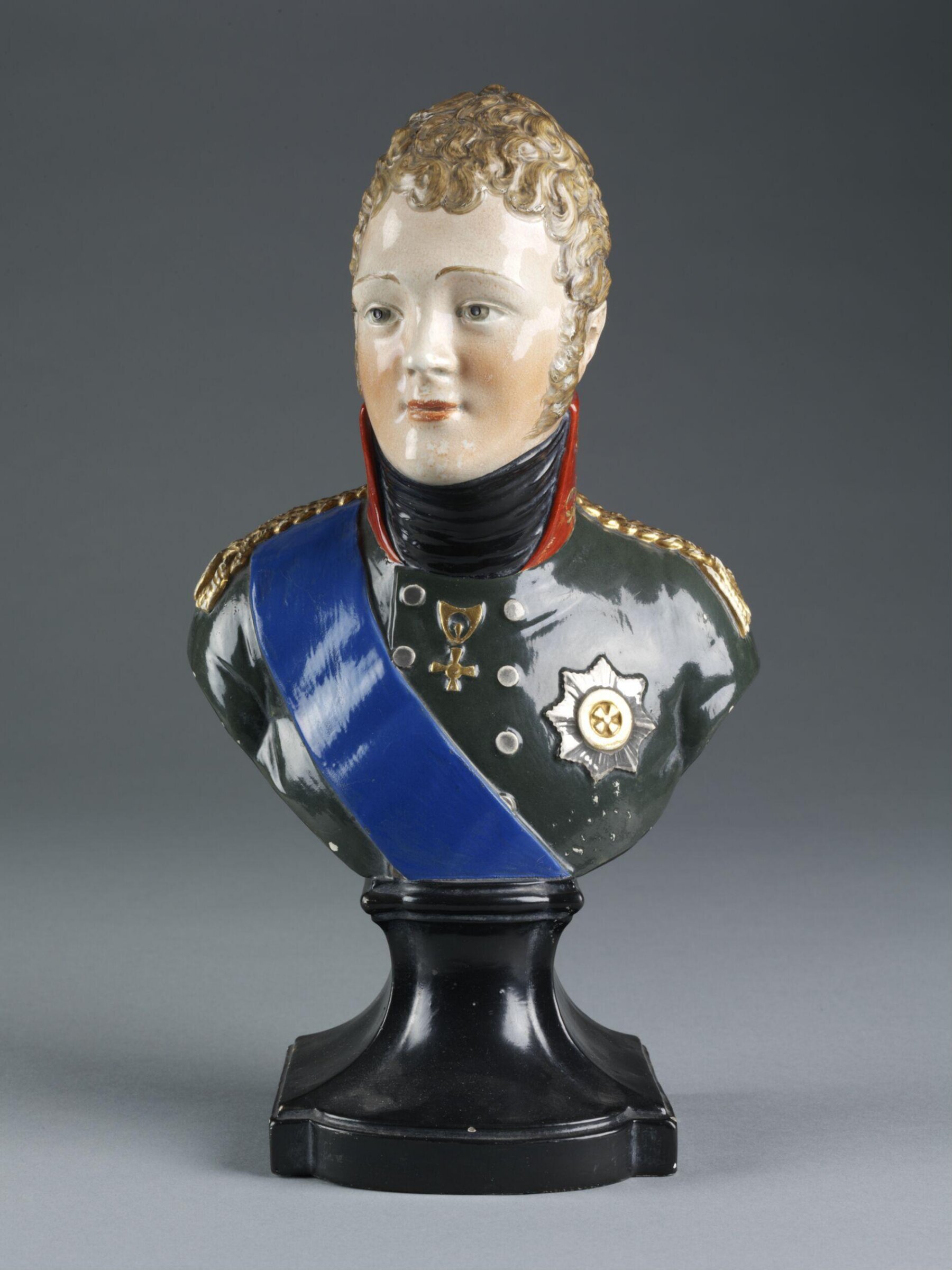
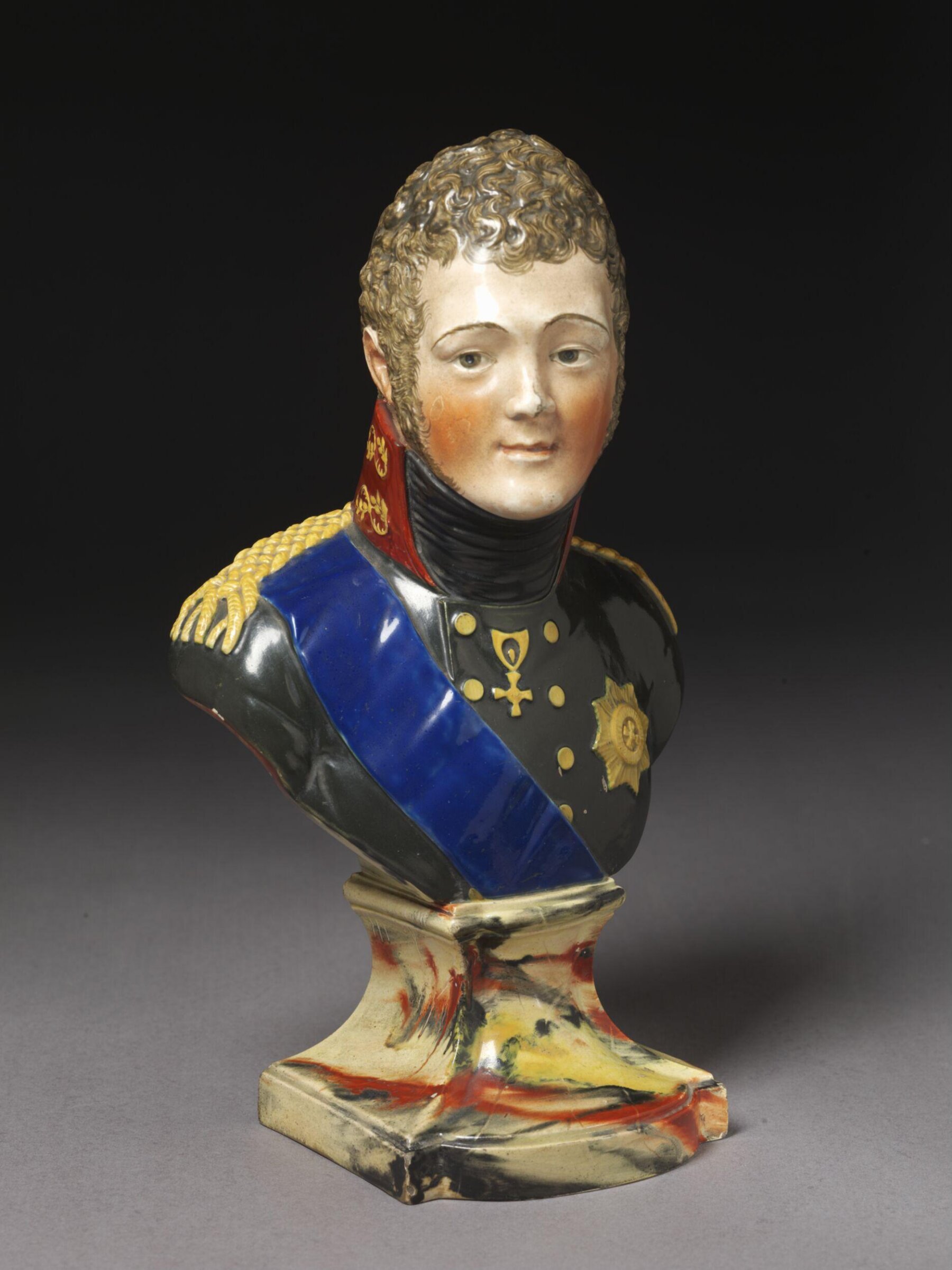
Alexander I, Herculaneum Factory, 1805-1810
HHerculaneum Factory

Alexander I

1805-1810 · Bust · 29.9 × 15.2 cm

Om skulpturen

Object Type

Pottery busts, along with a huge variety of figures, became fashionable at the end of the 18th century. High-quality portrait busts such as this example were certainly copied from engravings.

Trade & Trading

The Russian market was important not only to potteries in Staffordshire and Yorkshire, which were linked to the port of Hull by the canal system, but even to the Herculaneum Pottery in Liverpool. Normally Russia would have depended largely on France for the supply of fine ceramics, but after the invasion of Russia by Napoleon and the burning of Moscow in 1812 , trade ties with Britain were strengthened, accompanied also by a wave of sympathy for the Russians. After Waterloo (1815), trade links between British potteries and Russia continued to grow, when large quantities of blue-printed earthenware were exported via factory agents in some of the principal cities.

Læs videre

Materials & Making

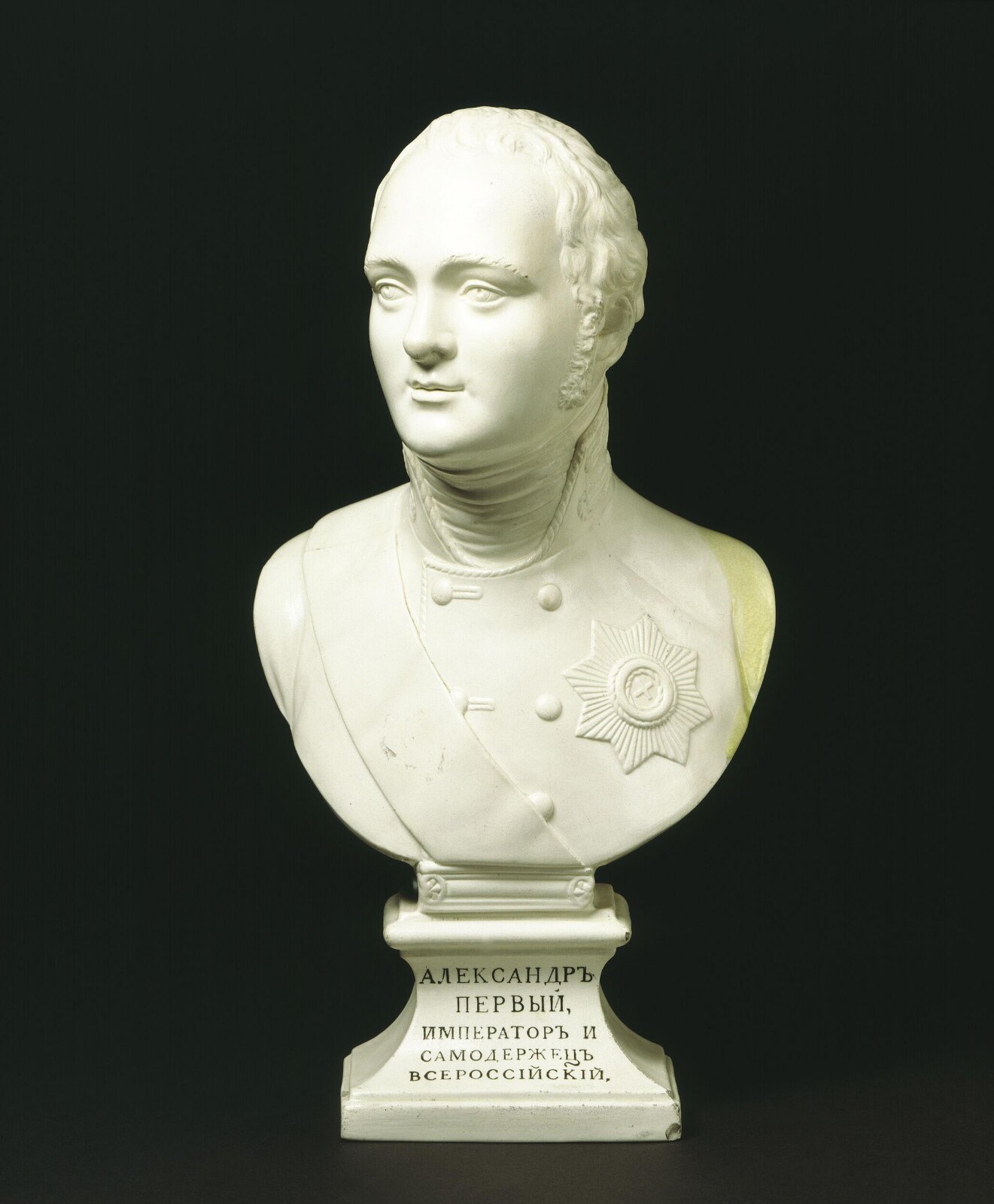
The porcellaneous white stoneware developed about 1805 perfectly reproduced fine detail. When left in the white, it successfully imitated marble, and when embellished by enamelling, was an ideal material for small-scale ceramic busts. It was not, however, widely used for this purpose, perhaps because it was too expensive for the mass market for small mantepiece ornaments. The material was used instead for a great variety of jugs and teapots.

Victoria and Albert Museum

Oplysninger

Inventarnummer
C.215-1922

I samme sal · British Galleries, Room 118a, Victoria and Albert Museum

Museets side

Om samme emne · Alexander (I)

Alle værker om emnet

Må man se det?

Ja, det tager imod

Victoria and Albert Museum

London, Storbritannien

SalBritish Galleries, Room 118a

Udstillet for publikum. Hvem der står inde for det, står nedenfor.

Kontrolleret
for 13 dage siden
Uændret siden
25. sep. 2026
Kilde
Museet
På kortetMuseets side

Hvad det viser

Alexander (I)

I kataloget

SkulpturKlassicismeRomantikken1800-talletLiverpool

Kilder

  • Victoria and Albert Museum
  • Billede: Victoria and Albert Museum — © Victoria and Albert Museum, London
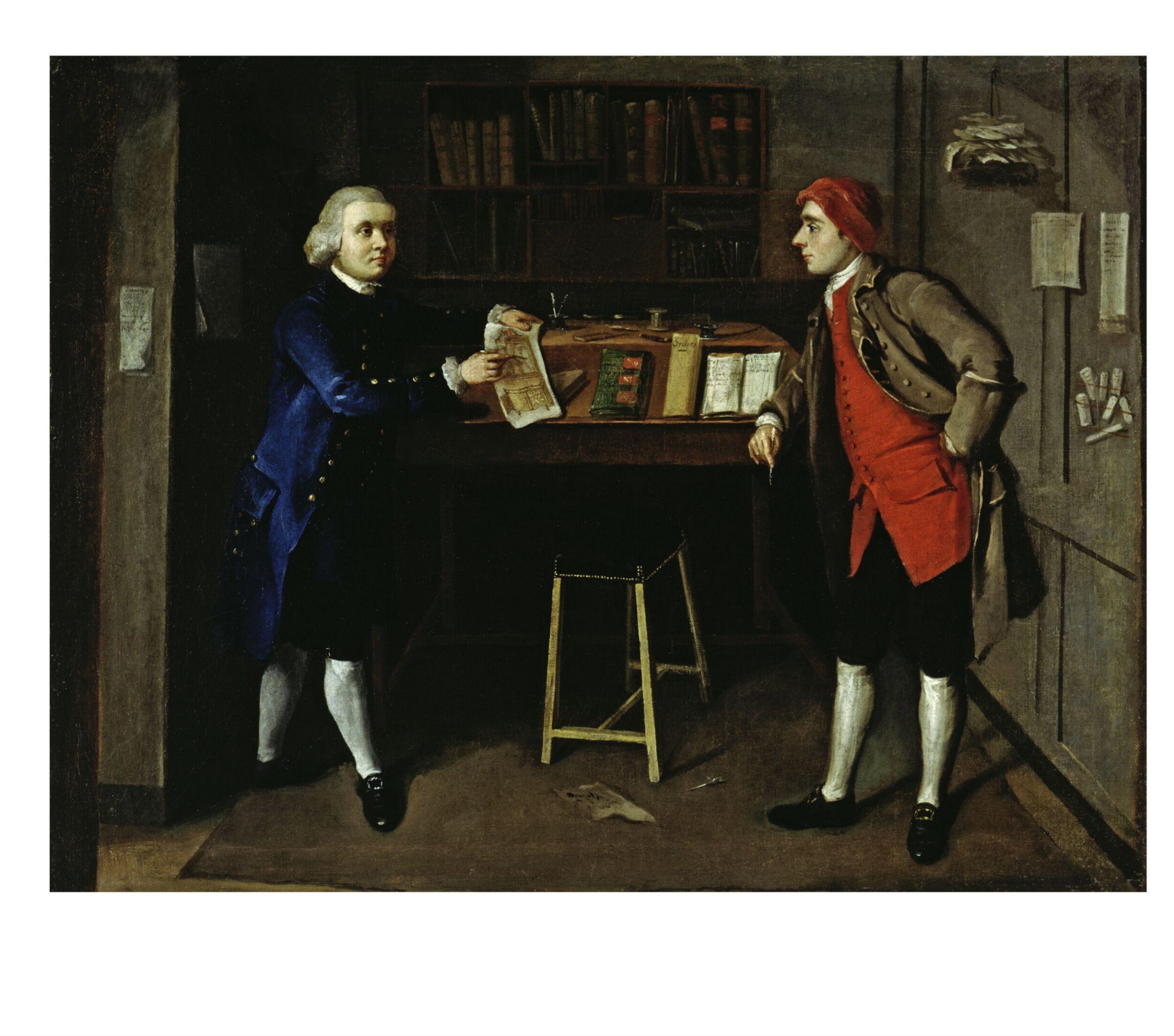
A Cabinet-Maker's office, ca. 1770

A Cabinet-Maker's office, ca. 1770

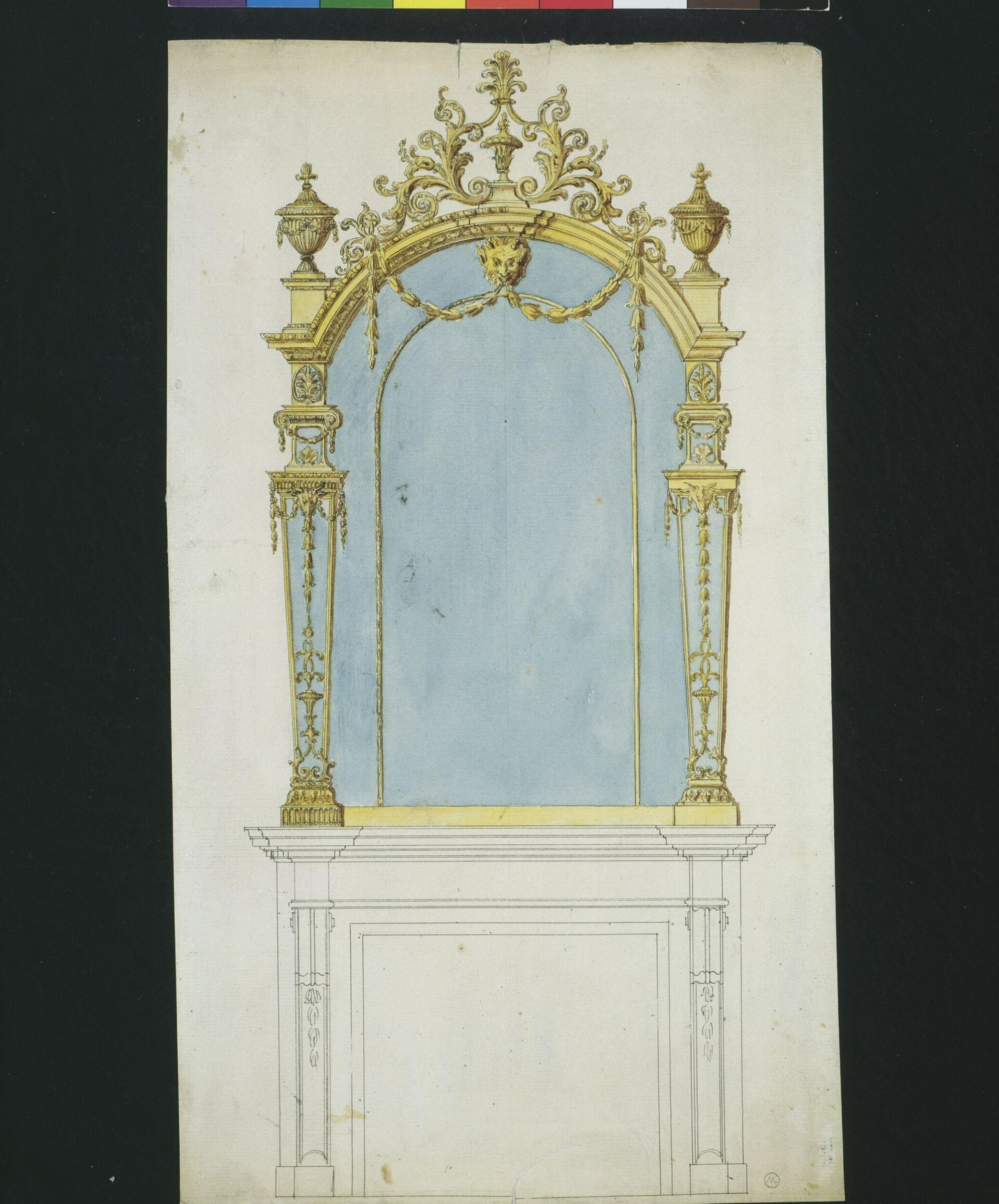
Drawing, Thomas Chippendale Senior, 1765-1770

Thomas Chippendale

Drawing, 1765-1770

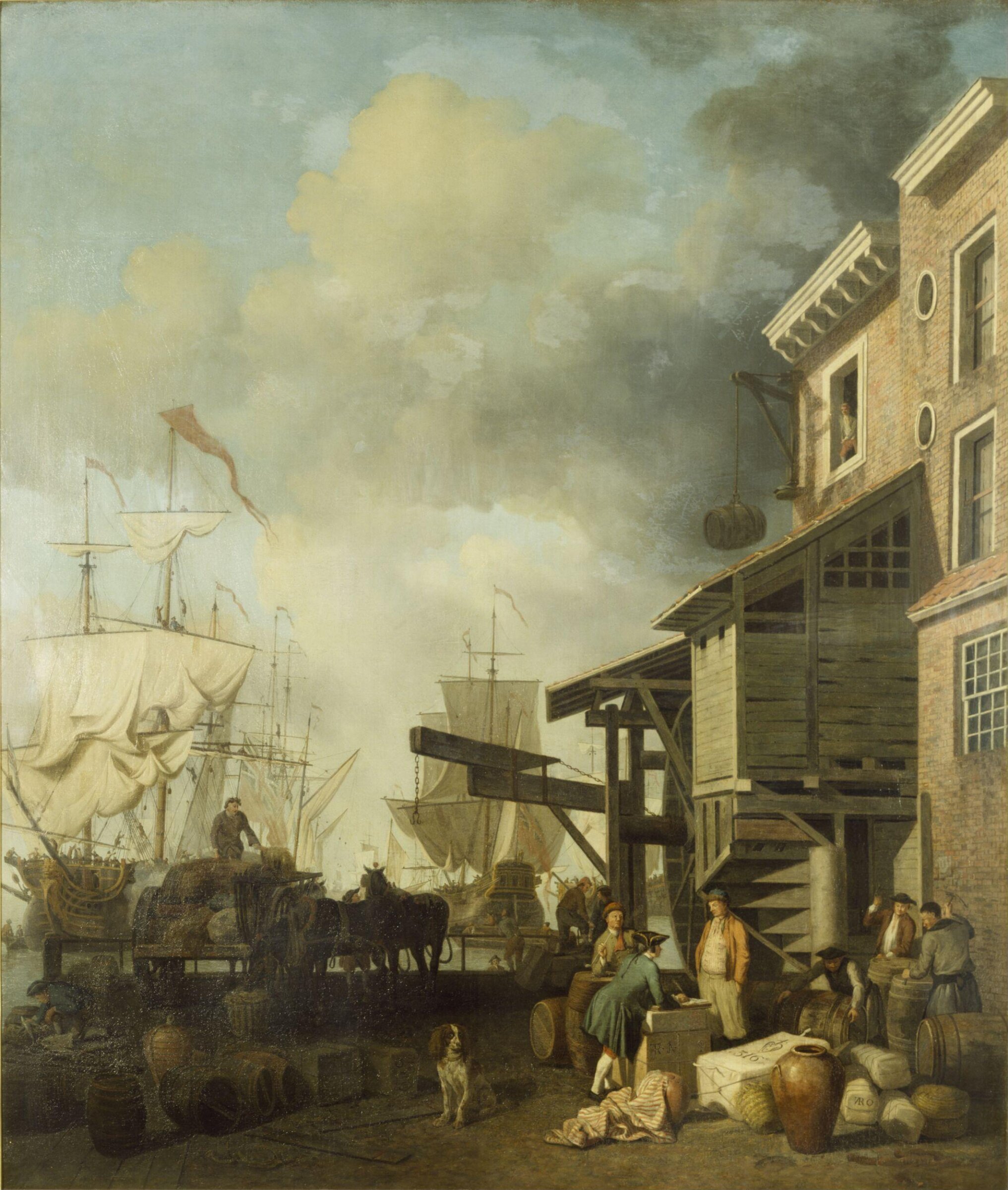
A Thames Wharf, Samuel Scott, ca. 1757

Samuel Scott

A Thames Wharf, ca. 1757

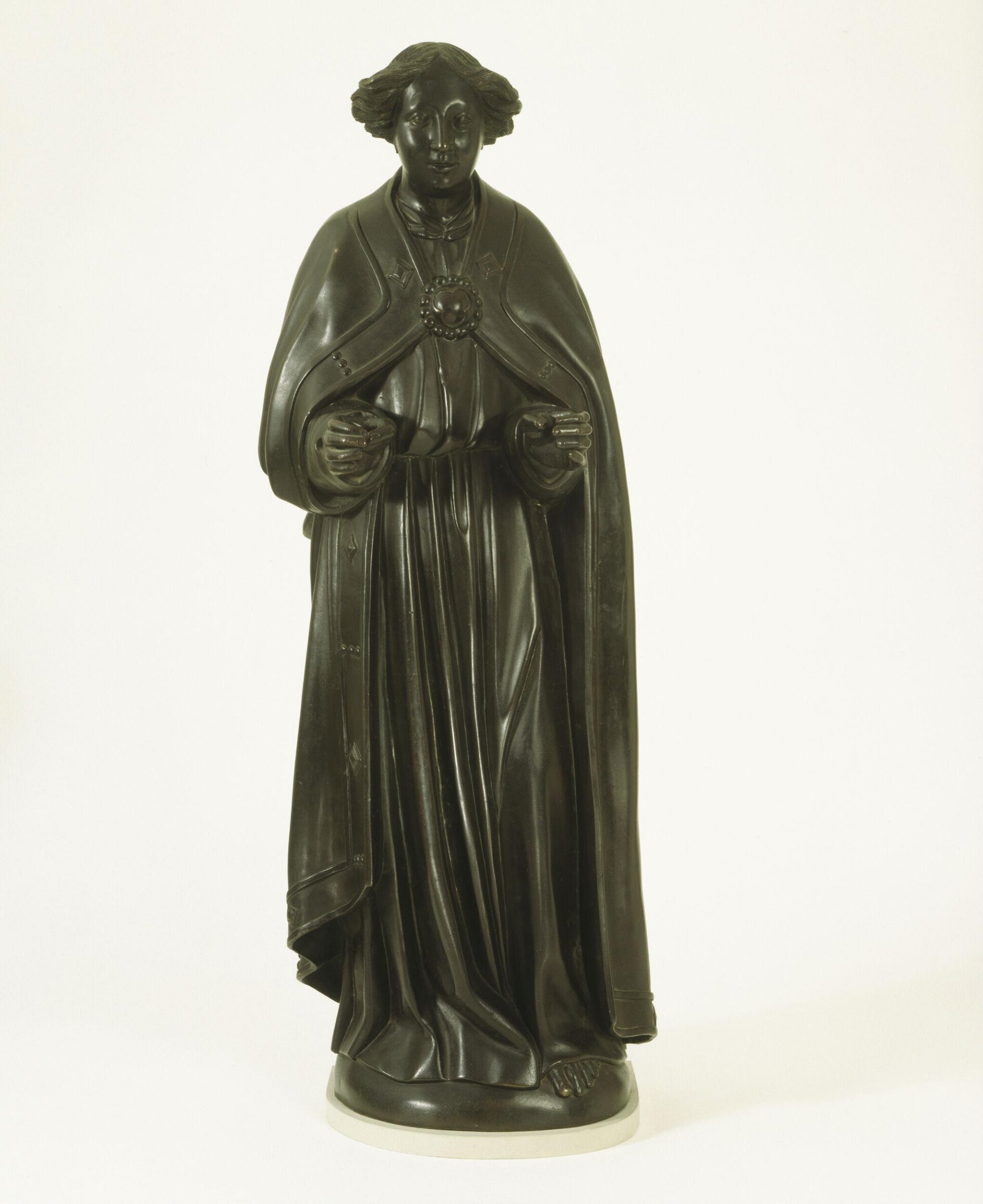
Angel, ca. 1520

Angel, ca. 1520

Bust, Wood & Caldwell, 1812

Wood & Caldwell

Bust, 1812

Victoria and Albert Museum

Bust, Wood & Caldwell, ca. 1813-18

Wood & Caldwell

Bust, ca. 1813-18

Ikke udstillet · Victoria and Albert Museum

Alexander I, 1777-1825, tsar av Ryssland

Alexander I, 1777-1825, tsar av Ryssland

Sveriges Nationalmuseum